
Minnesota may be known as the Land of 10,000 Lakes, but 2,904 of those don’t meet water quality standards.
Over the past twenty years, state and local partners have spent millions of dollars to restore degraded lakes, rivers, and streams in Washington County and around the state. Where are we winning and where do we need to focus more attention?
Getting better:
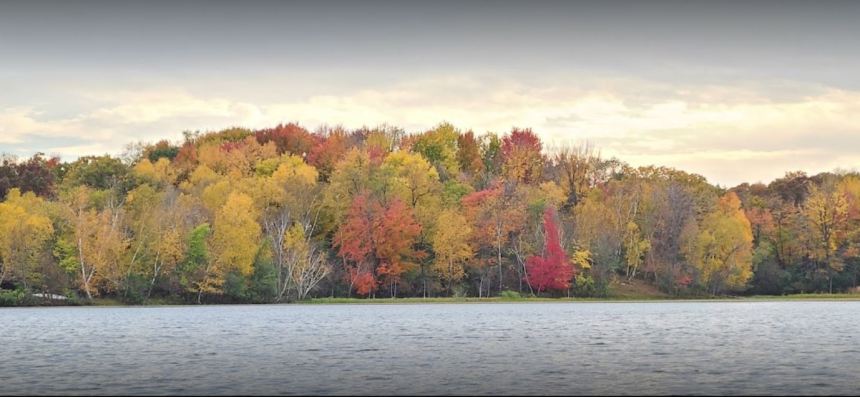
Statewide, the Minnesota Pollution Control Agency (MPCA) “de-listed” 19 water bodies in 2020 and 53 in 2022, thanks to watershed restoration efforts. This includes East Boot (May Twp), Echo (Mahtomedi), Hay and Jellums (Scandia), Lily and South Twin (Stillwater), and Plaisted (Hugo). In addition, Washington Conservation District’s lake monitoring data shows that roughly 50% of our Washington County lakes have improving trends for phosphorus and water clarity.
Mercury falling:
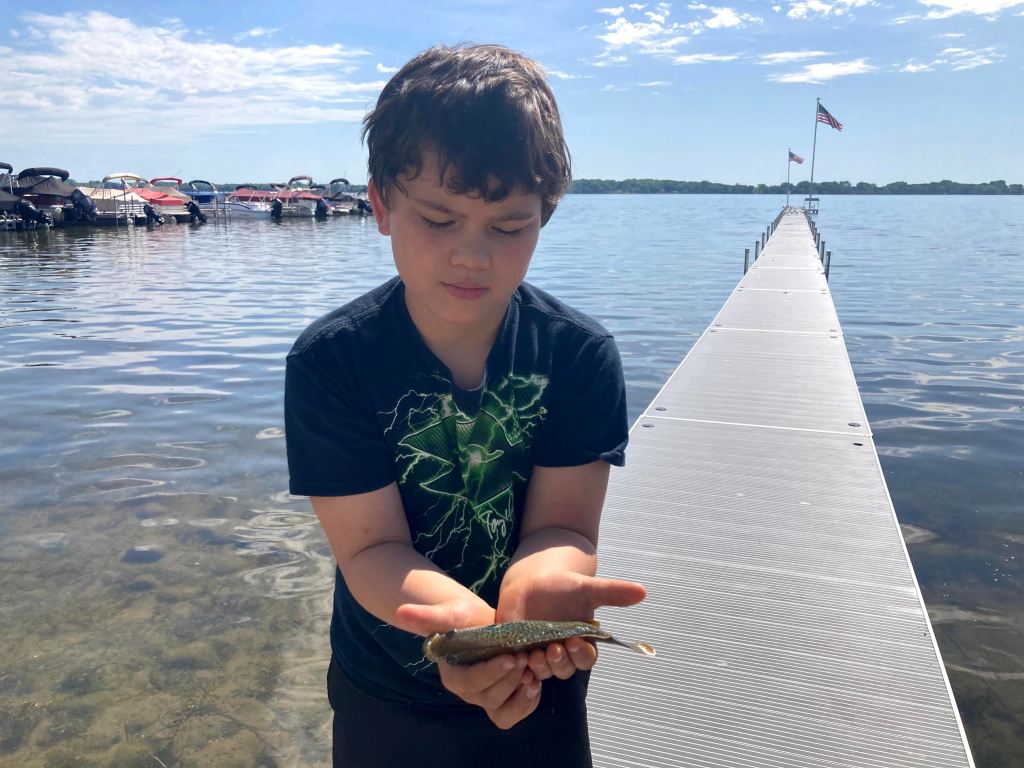
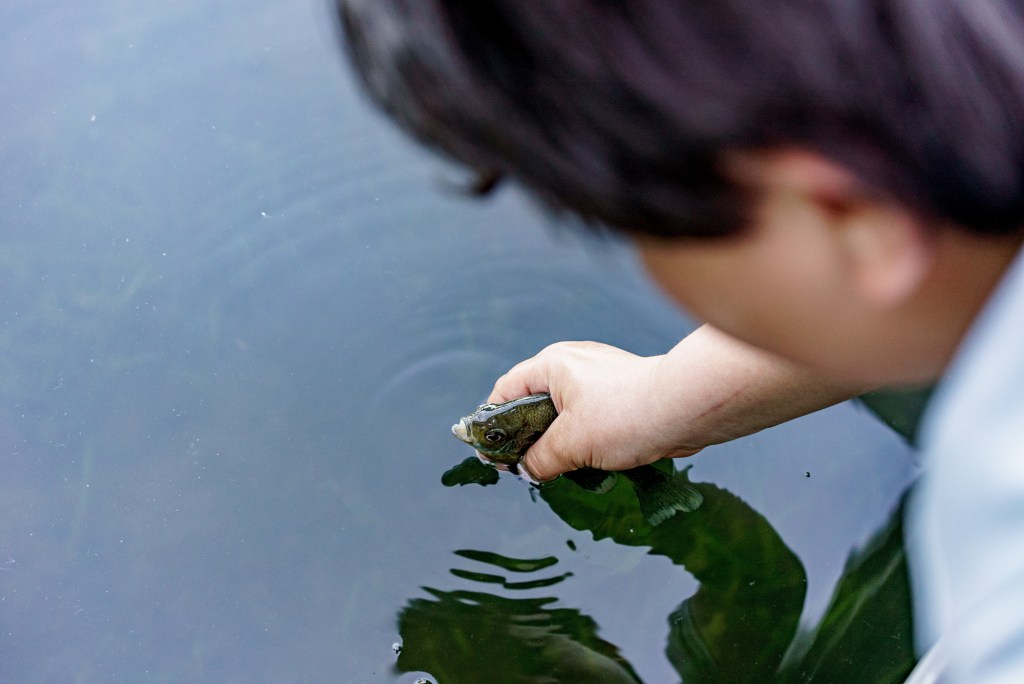
The fish are safe to eat again in twelve Minnesota lakes, thanks in part to a statewide shift away from coal-burning power toward wind and solar energy. There has been a 70% reduction in mercury emissions statewide since Minnesota developed a mercury-reduction plan in 2007. As a result, the MPCA was able to remove 12 lakes from the mercury-impaired waters list in 2020, including Forest and Tanners Lakes in Washington County.
Fish consumption advisories due to too much mercury still remain in place for 1608 Minnesota lakes. The MPCA has also found PFAS in fish tissue in Tanners Lake (Oakdale), Lake Elmo and Eagle Point Lake (Lake Elmo), Clear Lake (Forest Lake), and the St. Croix River.

Vanishing shoreline habitat:
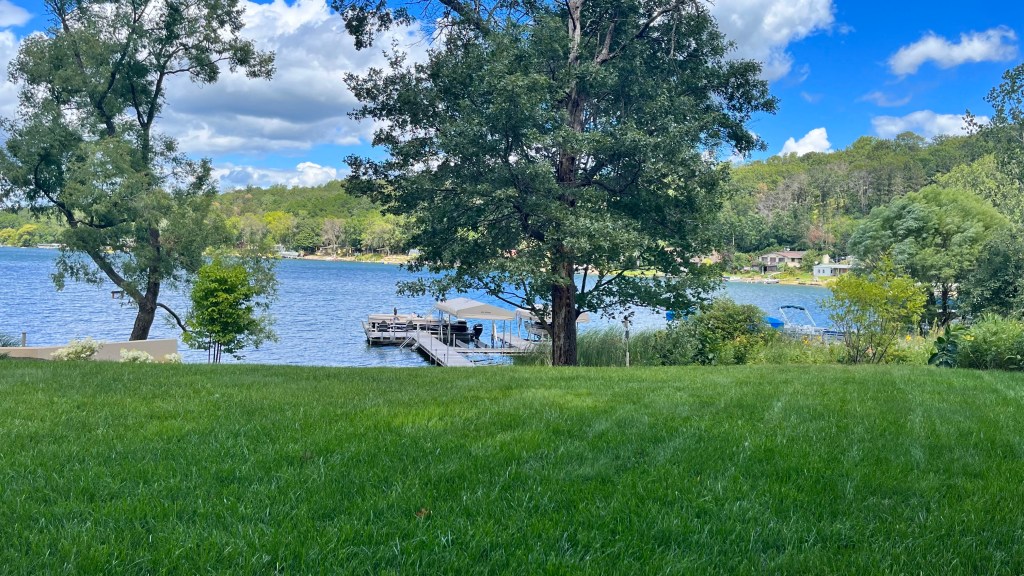
Even as water quality metrics for phosphorus and mercury improve, some lakes are seeing fewer fish and less aquatic life due to vanishing shoreline habitat. In 2022, the MPCA added Bone (Scandia) and Jane (Lake Elmo) to the impaired waters list due to biodiversity loss, and warned that Big Carnelian and Big Marine are at high risk as well. Nearby in Chisago County, eight lakes in the Chisago Chain of Lakes were also added to the state’s impaired waters list due to biodiversity loss. Lakeshore landowners throughout the county can help to reverse this trend by maintaining trees, shrubs and native plants along their shorelines and working with the WCD and watershed districts to improve shoreline habitat.
Chloride rising:
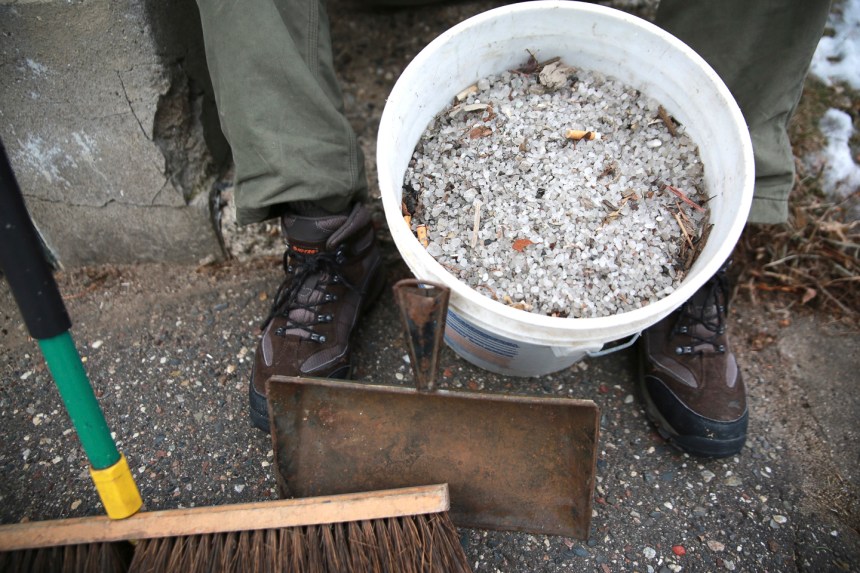
Chloride (salt) from road salt, water softeners, fertilizer, and dust suppressants is also a growing concern. Statewide, 54 lakes and streams are considered impaired by chloride, including Long Lake (Stillwater), Tanners Lake (Oakdale), Battle Creek and Carver Lakes (Woodbury), and Judicial Ditch 2 in Forest Lake. Chloride is a permanent contaminant and there are no known ways to remove it from lakes and streams.


To learn more about statewide water quality and lake health in Minnesota, visit the Minnesota Pollution Control Agency at www.pca.state.mn.us/air-water-land-climate/water-quality or the Minnesota Department of Natural Resources at www.dnr.state.mn.us/whaf.

 East Metro Water