
Legacy Amendment is one of many things that Minnesota does well

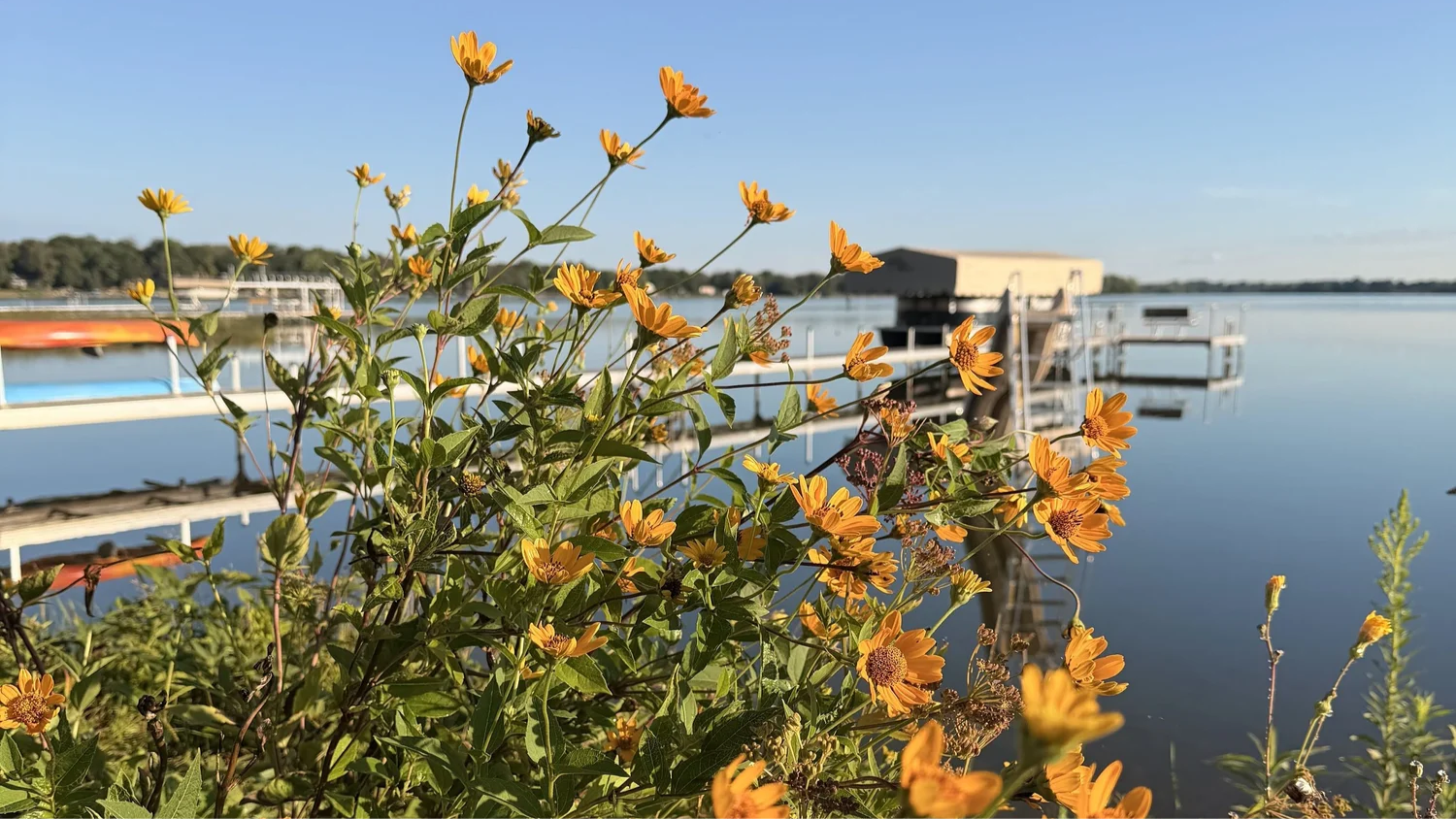
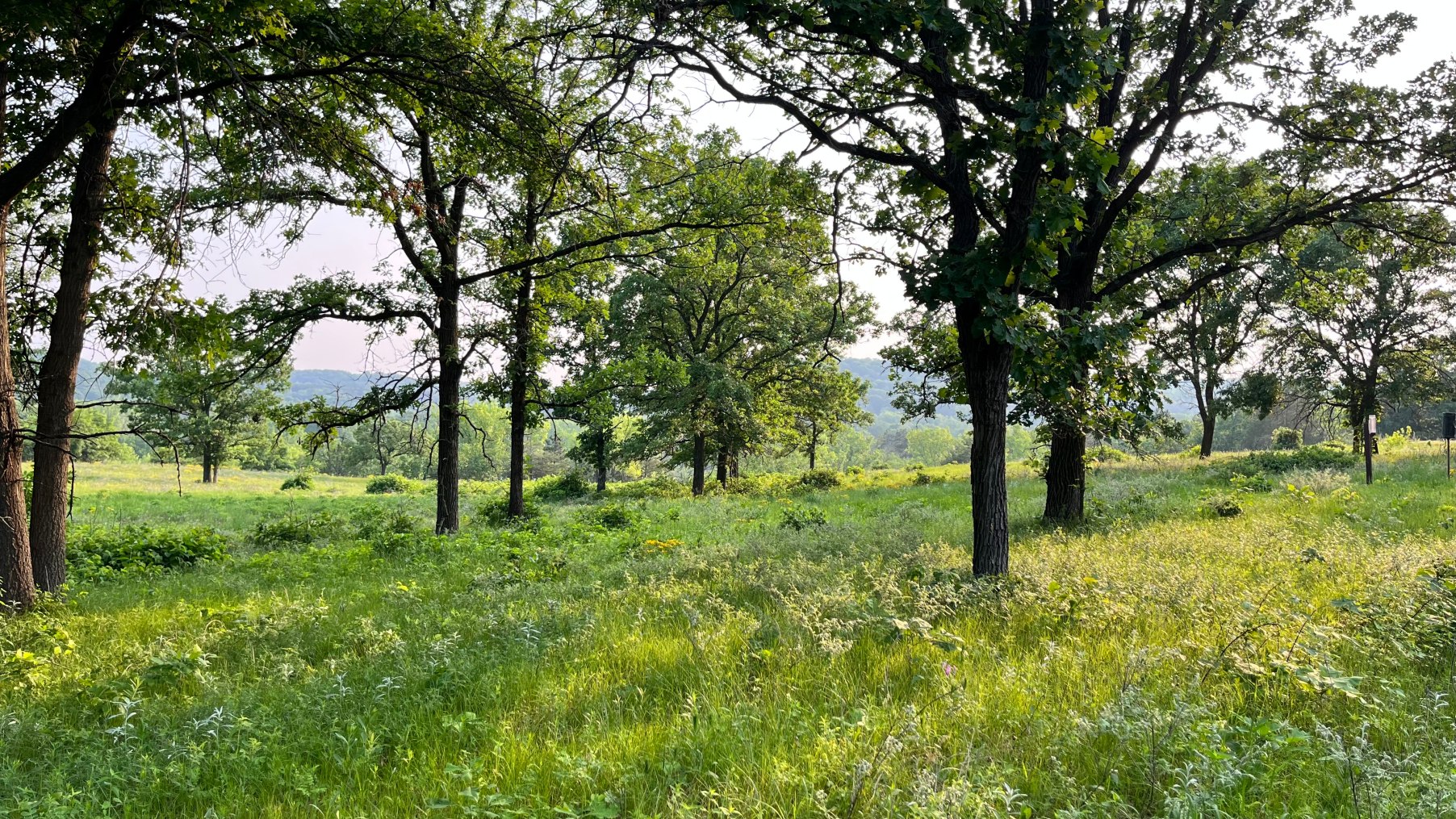
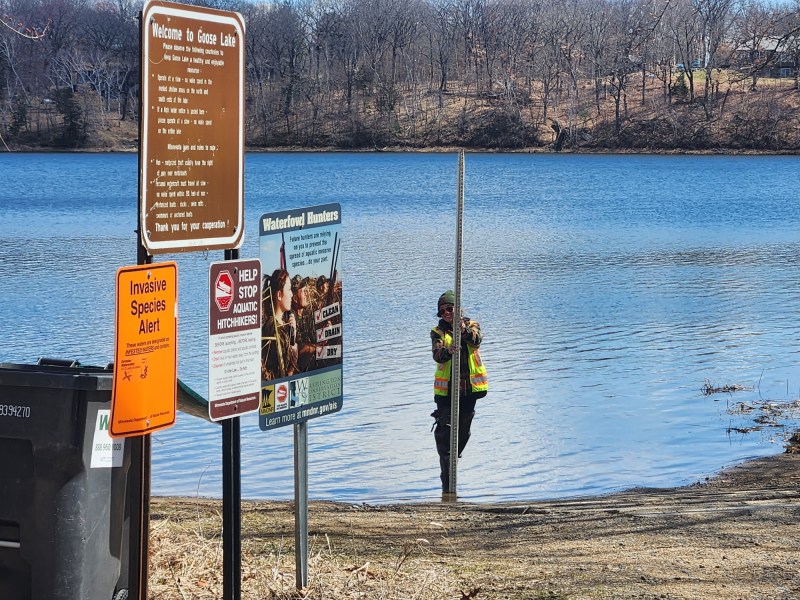
The Legacy Amendment has catalyzed significant improvements in Minnesota’s natural environment, including 184 lakes and streams delisted and more than 1 million acres of wildlife habitat protected or restored.

Read More

The Science of a Walk

Feeling stressed or anxious? Going for a walk is good for your body, mind, and soul. Additionally, research shows that the benefits are even greater if you’re able to take that walk outside in nature.

Read More

A time to gather in light, rest and renew

The winter solstice is celebrated by many different cultures around the world with stories, festivities, and quiet moments of gathering, almost always filled with light. Though plants and animals don’t commemorate the winter solstice the same way as people, they do recognize and respond to the changes in warmth and daylight.

Read More

Helping homeowner associations navigate stormwater and green infrastructure maintenance

The East Metro Water Education Program (EMWREP) and University of Minnesota have worked together to develop an education toolkit and launch a three-part Stormwater Leadership Series for HOA board members, which was piloted tis spring5. 

Read More

Try chicken grit as an eco-friendly alternative to salt

One way that homeowners, businesses, HOAs, and community organizations can help to reduce water pollution from winter salt is by using chicken grit as a no-salt alternative.

Read More

Beaver Love: A new initiative aims to help beavers and people co-exist in harmony

Last winter, Andy Riesgraf and Emily Fairfax teamed up to establish Beaver Innovations LLC, a UMN start-up company that is focused on finding ways to help beavers and people coexist in harmony.

The duo’s first three beaver co-existence projects are located in Washington County at the Big Marine Park Reserve expansion site and Cottage Grove Ravine Regional Park, made possible by funding from Pollinator Friendly Alliance’s biodiversity project.

Read More

How a billboard helped to transform weeds into prairie

Round leaf bittersweet is an invasive woody vine, native to China, Korea, and Japan, that was introduced to North America in the mid-1860s as an ornamental shrub. The vines girdle and smother trees and out-compete our indigenous American bittersweet, making it a formidable foe in our Minnesota woodlands. In an attempt to eradicate bittersweet from their soon-to-be prairie, Wendy and Mark tried killing it off with a low-heat fire, digging up the roots, and smothering it with a large blue tarp. All efforts proved unsuccessful until now.

Read More

Fish, with a side of anti-depressant?

How and why are chemicals like estrone, DEET, cocaine, antidepressants, oxycodone, and veterinary antibiotics ending up in our lakes and rivers?

Read More