Meet our 2026 Natural Shoreline Award winners!

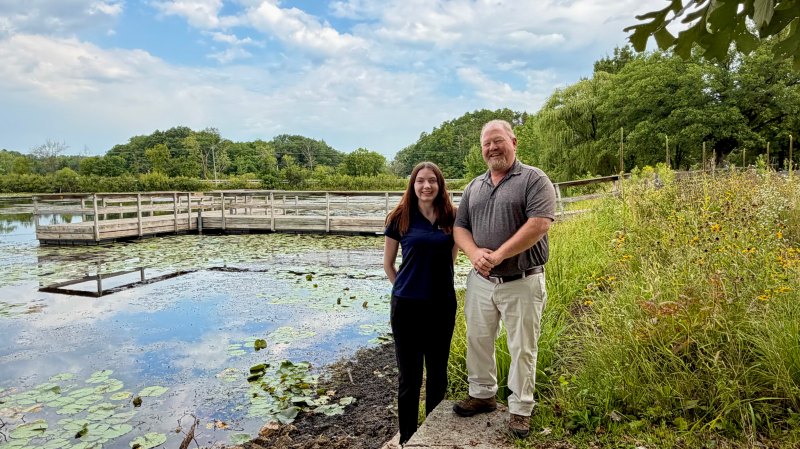
We are excited to announce the winners of our 2026 Natural Shoreline Awards, sponsored by the East Metro Water Resource Education Program and Lower St. Croix Watershed Partnership. These awards recognize Minnesotans who are protecting lake, stream, and wetland habitat in Chisago, Isanti, Ramsey and Washington Counties.

Read More
Lake Phalen: 2026 Natural Shoreline Award Winner

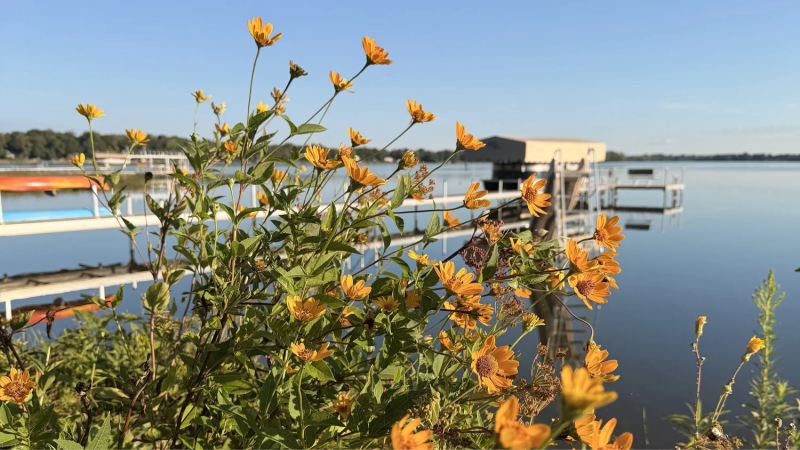
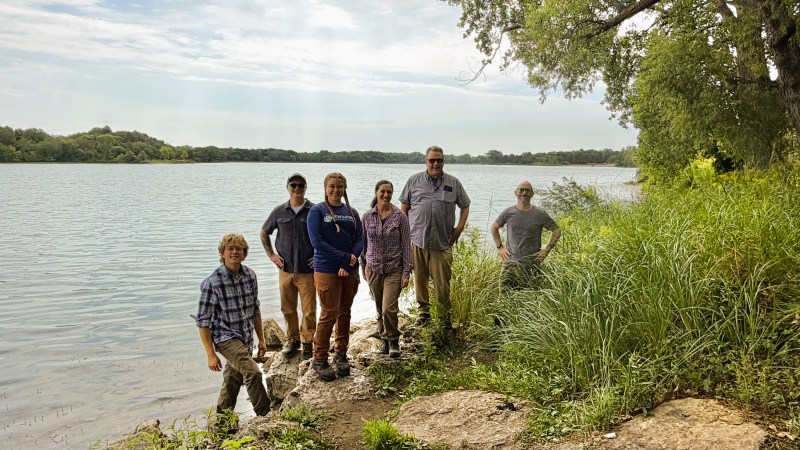
With nearly two miles of restored shoreline, statuesque oak woodlands, and multiple ways for the public to access and enjoy the lake, the Lake Phalen shoreline in St. Paul is a showcase example for any city in Minnesota to aspire to. It is also one of the largest and most successful shoreline restorations in the upper Midwest.

Read More

Lost Lake: 2026 Natural Shoreline Award Winner

At Wildwood Park in Mahtomedi, there is a baseball field, a playground, and a fishing pier on a secluded lake, surrounded by massive oak trees. Near the water’s edge, bumblebees buzz happily among bee balm, dotted blazingstar, black-eyed susans, and great blue lobelia. The lake is dappled with lilies with giant white flowers, like a Monet painting come to life.

Read More

Ode to oaks

Oak trees are a powerful keystone species that can live for centuries, produce millions of acorns, and support more wildlife than any other tree genus in North America.

Read More

It takes a village – planting and tending to raingardens in Washington County

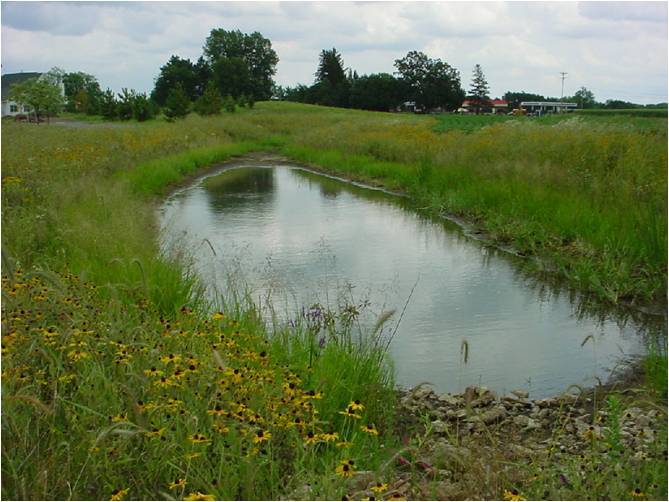
Since 2006, community residents and local government partners have completed nearly 6000 conservation planting projects in Washington County to protect our lakes, rivers, and streams. More than 1600 of these are raingardens, designed to catch nutrient-rich runoff from rooftops, driveways, and streets and soak the water into the ground before it reaches a storm sewer or nearby waterway. Raingardens beautify our local communities and provide habitat for pollinators, but do require specialized knowledge to design, construct, and maintain them for long-term success.  

Read More

Fields of flowers beckon birds and butterflies

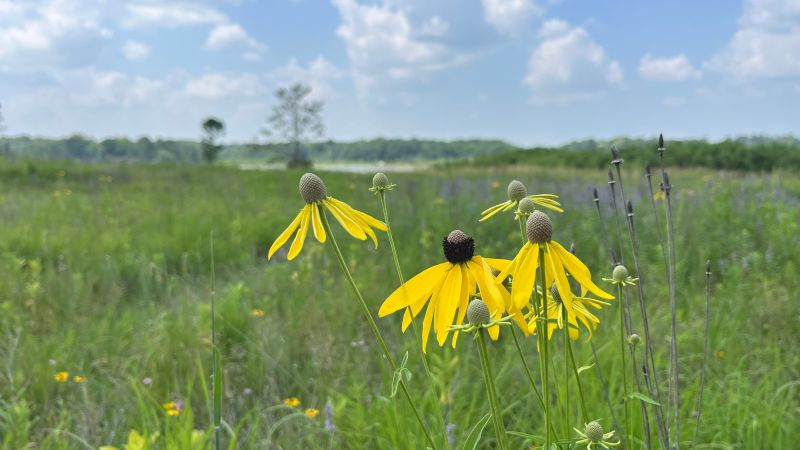
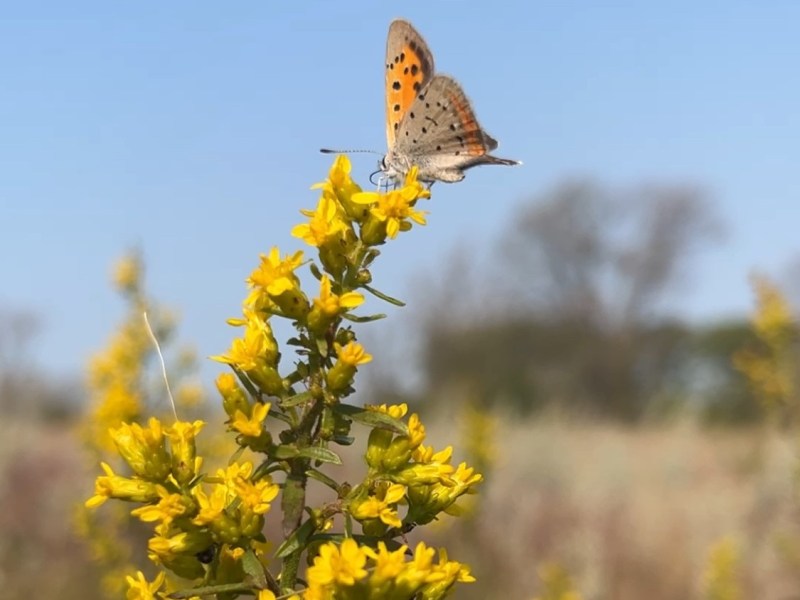
Prairies once covered one-third of North America and one-third of the land that is now called Minnesota. Rivaling the African savanna, this sea of grass stretched from Saskatchewan to Texas and was home to deer, elk, antelope, prairie dogs, and an estimated 30-60 million bison. For 12,000 years, humans have been part of the prairie as well. Though only 1-4% of the original native prairie remains today, helping hands are spreading seeds and pulling weeds. Piece by piece, the prairie is rising.

Read More

Rebuilding lost habitat connections, one yard at a time

More than 47,000 people have joined the “Homegrown National Park” in its first five years and these regular everyday Americans have collectively restored 170,000 acres of native habitat.

Here in Washington County, Minnesota, we’ve observed similar enthusiasm over the past twenty years as native landscaping has grown in popularity.

Read More

These are a few of my favorite things

If spring naturally has you dreaming of flowers and gardens, I’d like to encourage you to enhance your vision a bit this year to include native flowers, shrubs, and trees that can help to provide habitat for birds and wildlife and protect our water resources. March is the perfect time to begin planning, and there are numerous resources available to help you get started.

Read More

How a billboard helped to transform weeds into prairie

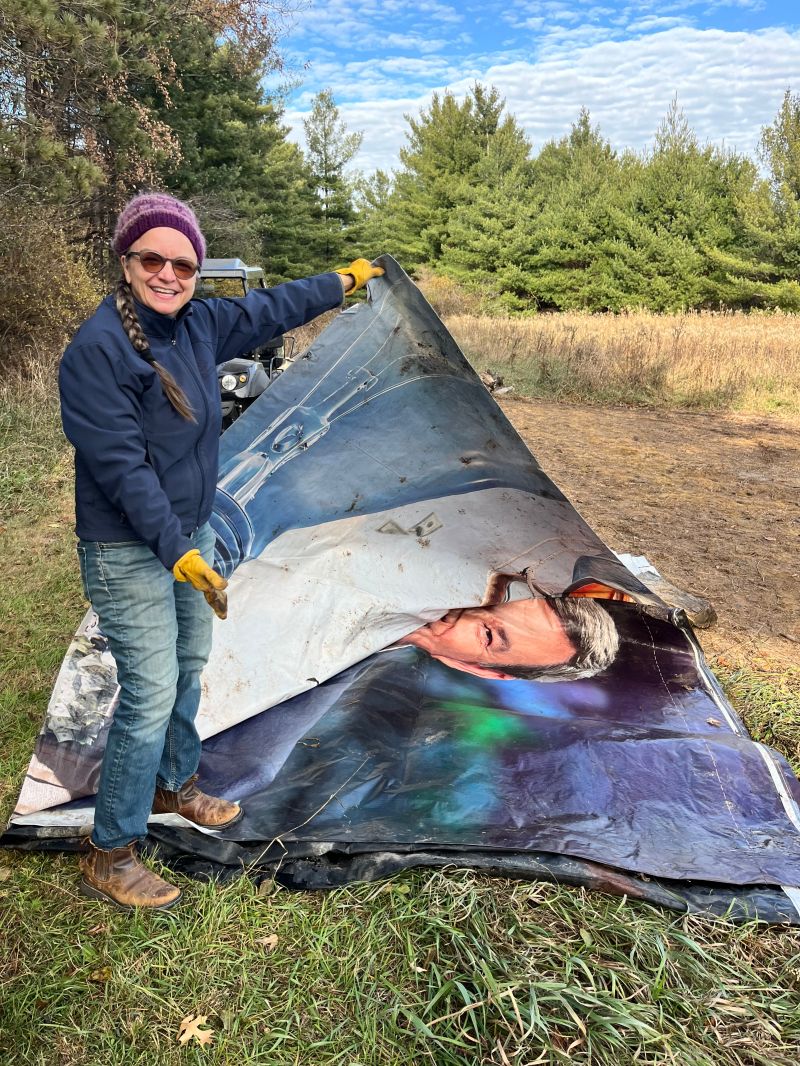
Round leaf bittersweet is an invasive woody vine, native to China, Korea, and Japan, that was introduced to North America in the mid-1860s as an ornamental shrub. The vines girdle and smother trees and out-compete our indigenous American bittersweet, making it a formidable foe in our Minnesota woodlands. In an attempt to eradicate bittersweet from their soon-to-be prairie, Wendy and Mark tried killing it off with a low-heat fire, digging up the roots, and smothering it with a large blue tarp. All efforts proved unsuccessful until now.

Read More