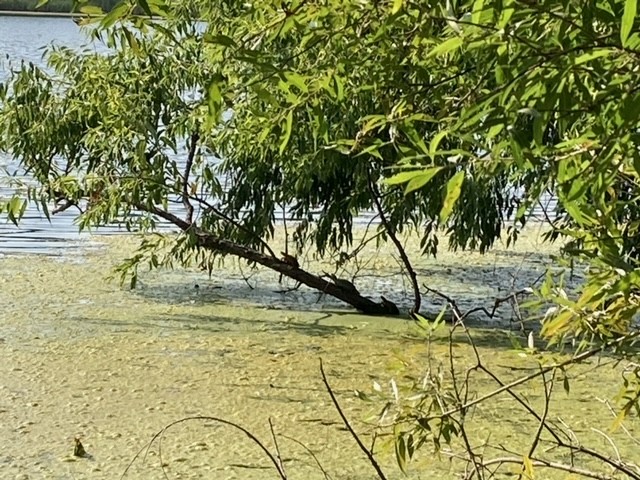
Bluegreen algae in lakes are fed by phosphorus and can sometimes grow out of control when the weather gets hot. Lakes with elevated levels of chloride (salt) are also more likely to experience algae blooms.
Read More
Tips and tales about keeping water clean
Bluegreen algae in lakes are fed by phosphorus and can sometimes grow out of control when the weather gets hot. Lakes with elevated levels of chloride (salt) are also more likely to experience algae blooms.
Read More
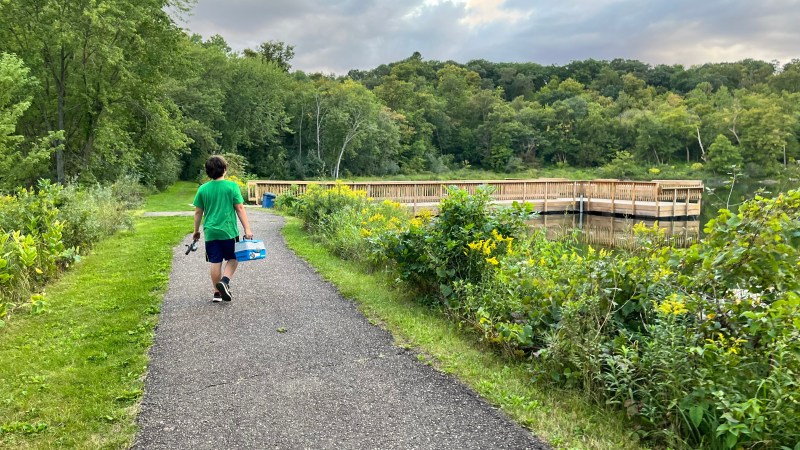
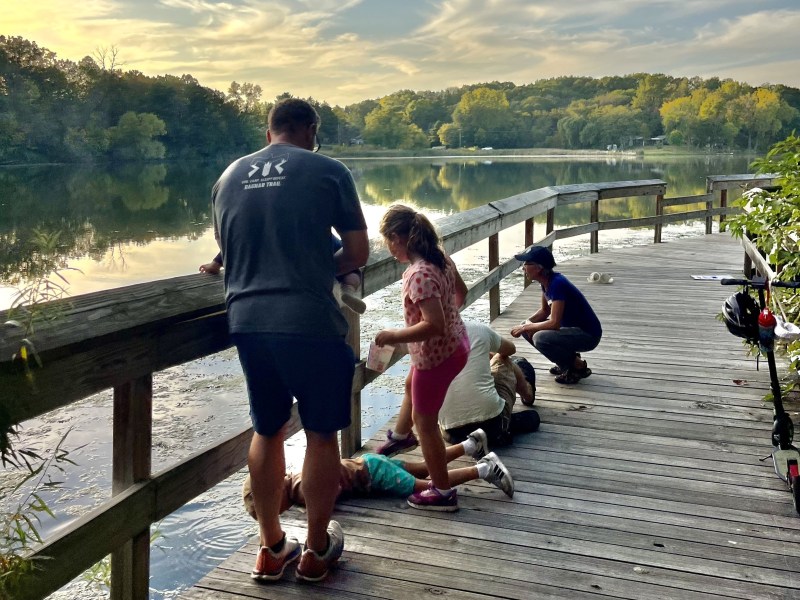
I don’t think it’s much of an exaggeration to say that fishing saved my family during the summer of 2021 when we navigated yet another summer of COVID with no day care and only a few weeks of camp. That summer was Minnesota at its quintessential, and in spite of chaos in the world, life was pretty good.
May 9, 2026 marks the beginning of another year’s fishing season, and with luck, many children just like Charlie will be making lifelong memories. As Minnesotans hit the water with fishing poles and boats, a well-trained team of watercraft inspectors, conservation officers, and even K9 officers will also be rolling out to lakes and rivers to help keep them safe from aquatic invasive species (AIS).
Read More
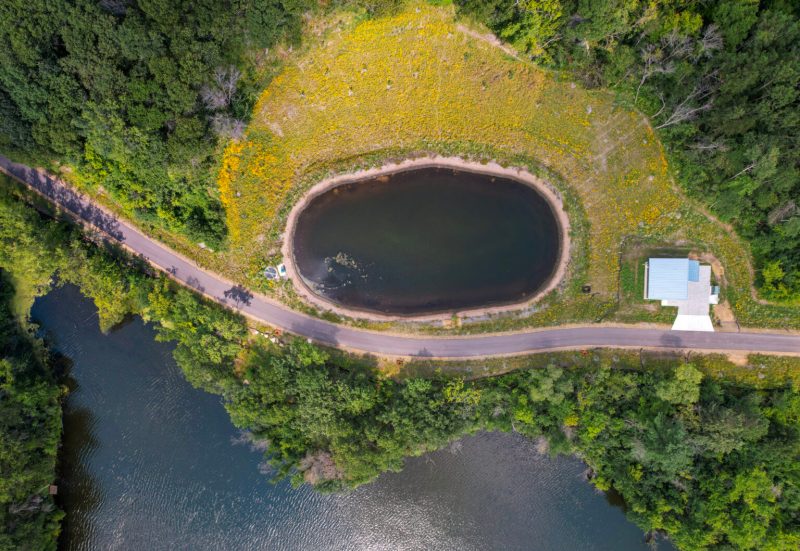
Over the past year, Taylor Mills has been working with the South Washington Watershed District to document water and habitat restoration projects across the watershed, from Woodbury to Grey Cloud Island. She is a Minnesota-born video, photo, and drone professional who specializes in cinematic storytelling that is filmed from above.
Read More
Though most people think of dragonflies as terrestrial flying insects, they actually spend most of their lives in the water. Learn how to spot a baby dragonfly the next time you’re by the water.
Read More
The Legacy Amendment has catalyzed significant improvements in Minnesota’s natural environment, including 184 lakes and streams delisted and more than 1 million acres of wildlife habitat protected or restored.
Read More
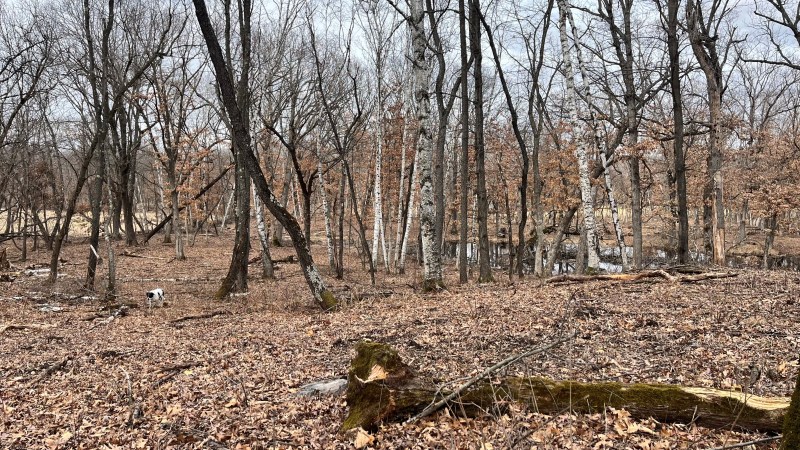
When the snow falls and lakes freeze over, Minnesota’s wildlife employ a variety of adaptations to stay alive.
Read More
Last winter, Andy Riesgraf and Emily Fairfax teamed up to establish Beaver Innovations LLC, a UMN start-up company that is focused on finding ways to help beavers and people coexist in harmony.
The duo’s first three beaver co-existence projects are located in Washington County at the Big Marine Park Reserve expansion site and Cottage Grove Ravine Regional Park, made possible by funding from Pollinator Friendly Alliance’s biodiversity project.
Read More
Bluegreen algae blooms have become more prevalent in urban lakes, as well as in pristine northern lakes including Lake Itasca, the Boundary Waters, and Quetico Wilderness Area.
Read More
Seine netting is one technique that the Minnesota Department of Natural Resources (DNR) uses to collect fish when developing an “index of biological integrity” for a lake, known as an IBI score. The number and variety of fish caught helps the DNR to determine whether a lake fully supports aquatic life.
Read More