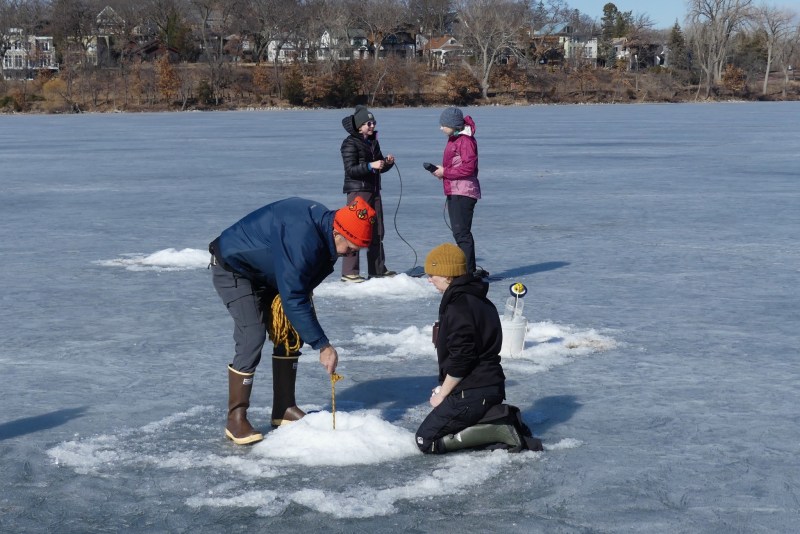
Chloride is toxic to freshwater organisms like fish, frogs, and aquatic invertebrates and also alters lakes’ internal chemistry, causing a cascade of unexpected impacts.
Read More
Tips and tales about keeping water clean
Chloride is toxic to freshwater organisms like fish, frogs, and aquatic invertebrates and also alters lakes’ internal chemistry, causing a cascade of unexpected impacts.
Read More
Across the state, numerous beaches have closed unseasonably early due to blue-green algal blooms, which can be toxic to both people and dogs.
How can you tell the difference between blue-green algae and run-of-the-mill pond scum?
Read More
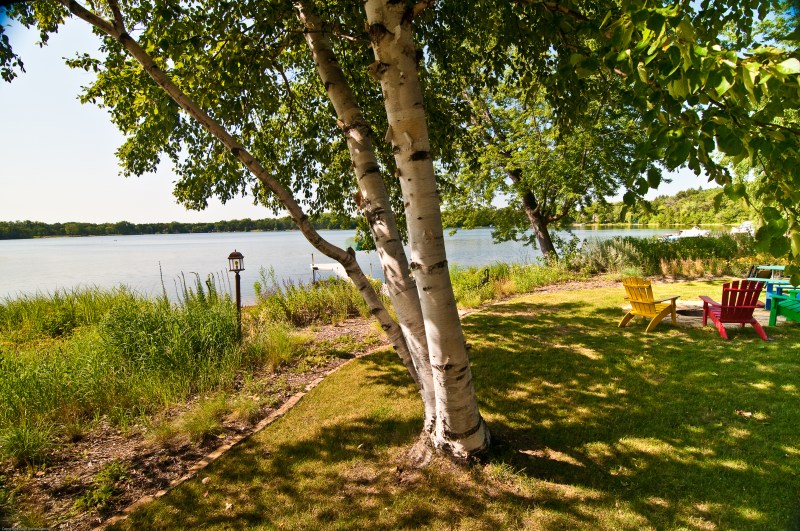
The Natural Shoreline Award Program recognizes beautiful lakeshore, riverfront and streamside properties that incorporate native flowers, shrubs, trees and plants. Award-winning properties can be located in Chisago, Isanti, Ramsey or Washington Counties.
2025 Program Timeline:
– July 1 – August 7: Call for nominations
– August 7 – 31: Program judges will tour and evaluate shorelines
– September 9: Award recipients are announced
Learn more and submit your nominations.
Read More
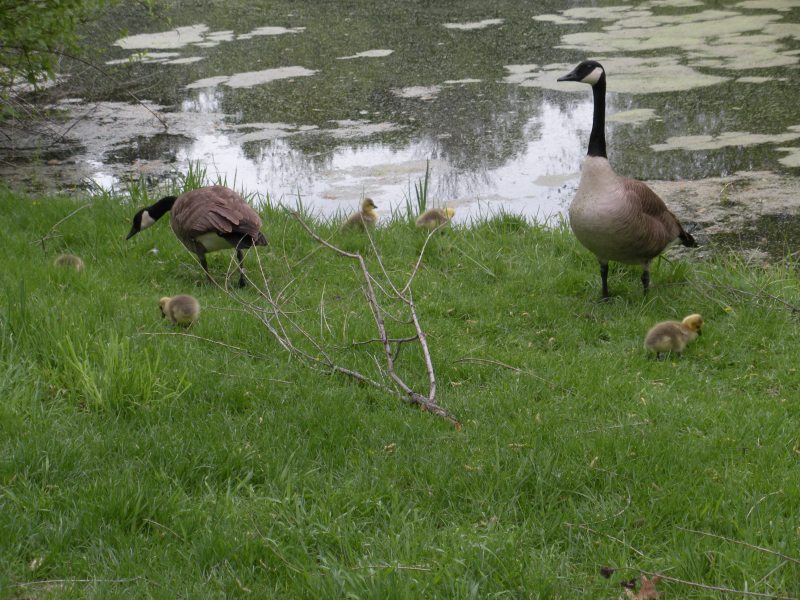
Given their current abundance, you might be surprised to learn that Canada geese were a rare novelty in the 1920s. In fact, state and federal agencies actually worked together to breed and re-introduce them to the wild during the 1950s.
Read More
Maintaining and restoring lakeshore habitat isn’t just good for wildlife, it also helps to protect valuable real estate from literally washing away.
Read More
Minnesota is home to 200 Mud Lakes, 150 Long lakes, and 120 Rice lakes.
In addition to their actual names, the Minnesota DNR also assigns lakes a shoreland classification – natural environment, recreational development, or general development – that is used to guide lot size, setbacks, and land uses on surrounding properties.
Read More
Owning a lake home is the quintessential Minnesota dream, but it also comes with a lot of responsibility. Two of the most common “problem scenarios” for lakeshore owners include creating beaches and installing rock riprap. Learn more about the rules.
Read More
This year’s workshop focused specifically on St. Croix Riverway Rules, strategies for dealing with sticky issues and variance requests, and better site design for development and redevelopment projects.
Read More
Currently, only 8% of the lakes in Minnesota have invasive species present and we need everyone’s help to keep it that way.
If you use waders or hip boots when fishing, be sure to clean off any visible aquatic plants, animals, and mud when you’re done and use a stiff brush to scrub the bottom of your boots where mud gets stuck in the treads. Using non-felt soled boots will further reduce the risk of spreading AIS.
It is also important to dispose of unwanted bait, worms, and fish parts in the trash instead of throwing them in the water or on the shore.
Read More
“Unfortunately, we’re seeing more and more people removing the vegetation along their shorelines and it’s causing a chain reaction in the aquatic food web that’s affecting fish, as well as insects and other wildlife.”
Read More