“Unfortunately, we’re seeing more and more people removing the vegetation along their shorelines and it’s causing a chain reaction in the aquatic food web that’s affecting fish, as well as insects and other wildlife.”
Read More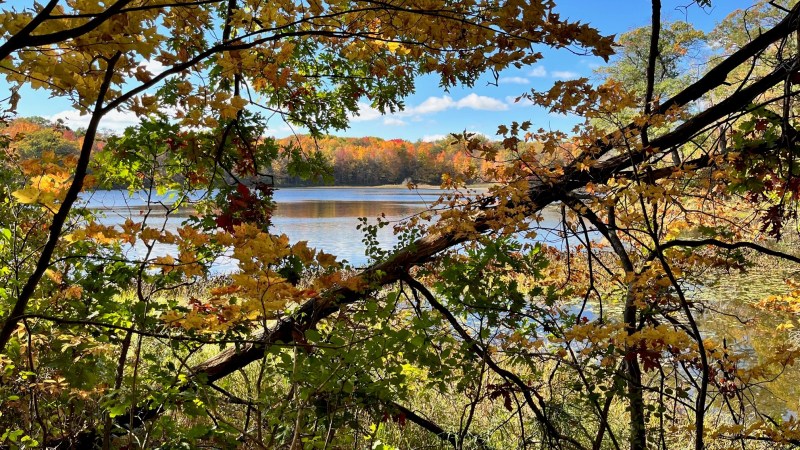
Tips and tales about keeping water clean
“Unfortunately, we’re seeing more and more people removing the vegetation along their shorelines and it’s causing a chain reaction in the aquatic food web that’s affecting fish, as well as insects and other wildlife.”
Read More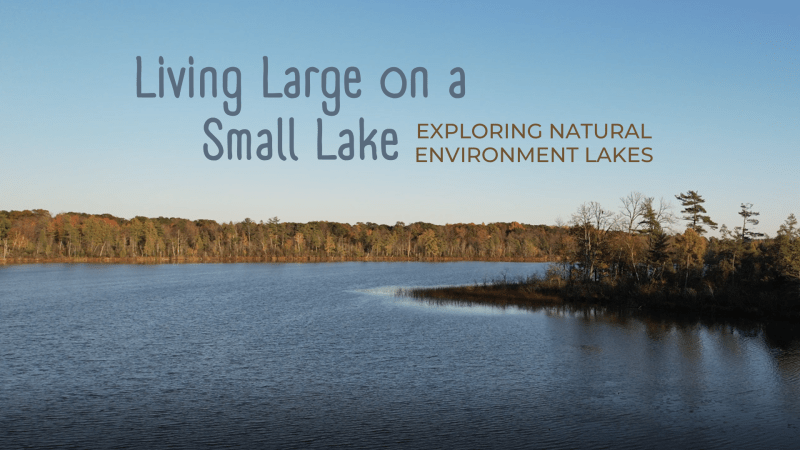
As much as we like to focus on the biggest and the best, however, roughly 70% of Minnesota’s lakes are actually considered natural environment lakes, a shoreland classification that is generally applied to shallow lakes with limited capacity to absorb the impacts of development and recreational use.
Read More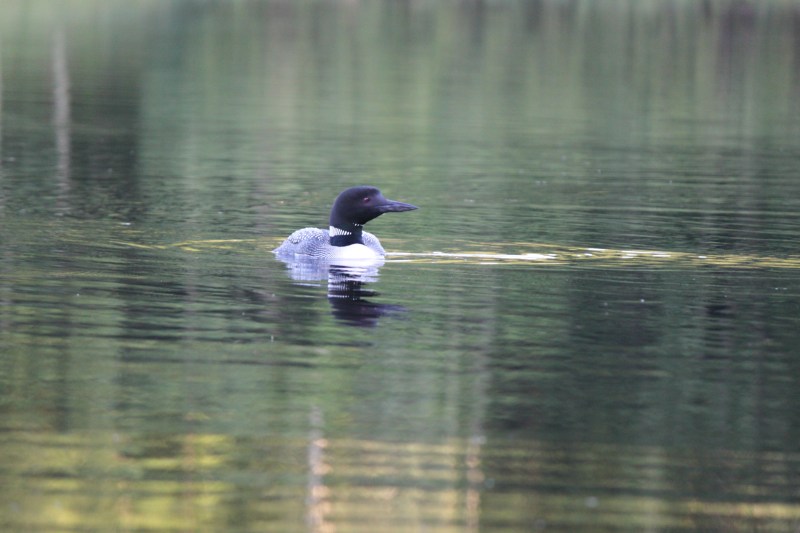
At the Forest Lake Lake Association (FLLA) meeting on Wednesday, May 17, 6:30-8pm, Rob Rabasco, coordinator of Minnesota’s Loon Restoration Project, will talk about efforts underway to protect loon habitat across the state, augment natural loon nesting with artificial nesting platforms in targeted locations, implement loon-friendly lake management plans, and increase survival rates for loon chicks. Robasco is one of three invited speakers for the event.
Read More
Currently, only 8% of the lakes in Minnesota have invasive species present and we need everyone’s help to keep it that way.
If you use waders or hip boots when fishing, be sure to clean off any visible aquatic plants, animals, and mud when you’re done and use a stiff brush to scrub the bottom of your boots where mud gets stuck in the treads. Using non-felt soled boots will further reduce the risk of spreading AIS.
It is also important to dispose of unwanted bait, worms, and fish parts in the trash instead of throwing them in the water or on the shore.
Read More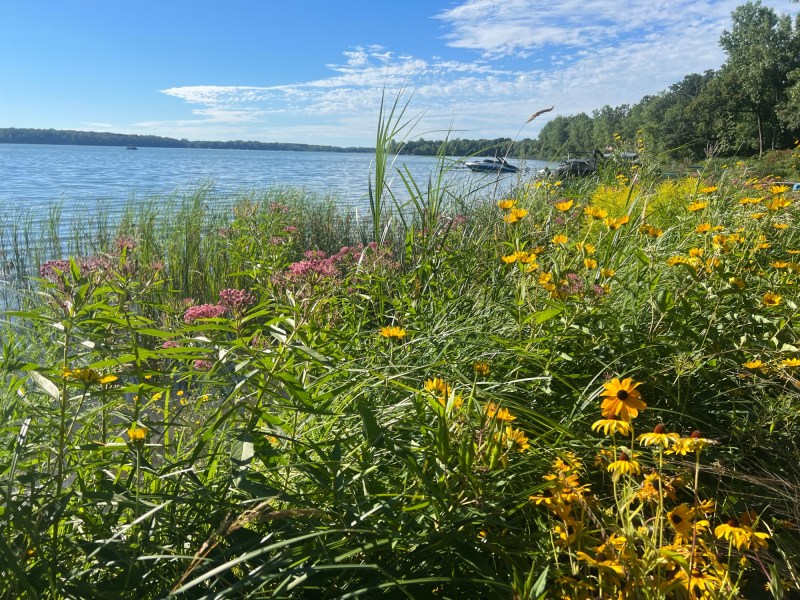
Shoreline landscaping workshops: April 18 and May 8
In the Land of 10,000 lakes, more and more lakeshore landowners are turning toward natural solutions that combine bio-engineering with deep-rooted, native plants to stabilize the land along the water’s edge while also maintaining connected corridors of habitat for beneficial insects, fish, birds, frogs, turtles, and other kinds of wildlife
Read More
During Starry Trek, scheduled this year for Aug. 20, volunteers gather at training sites to learn how to identify starry stonewort and then head out to local water accesses to search for signs of the invasive species.
Read More
Researchers and lake associations search for new ways to control this aggressive invasive species. Meanwhile, watercraft inspections remain the first line of defense in preventing the spread of AIS.
Read More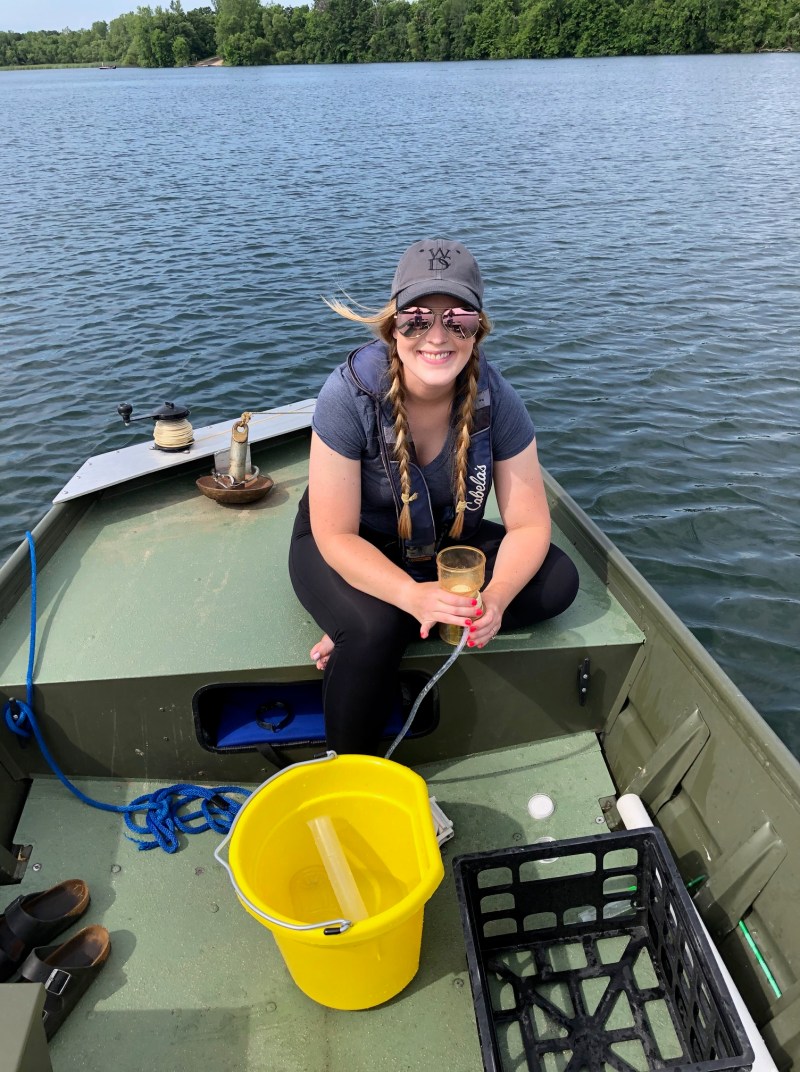
During 2020, Washington Conservation District monitored water quality on 71 lakes in Washington County. Here’s what recent data tell us about five local lakes.
Read More
DEAR WATERSHED EXPERT: What is the leading cause of water pollution in Minnesota? DEAR WONDERING WATER-LOVER: You might be surprised to learn that mercury from the air is, by far, the leading source of pollution in our lakes and rivers. Ninety-nine percent of the mercury in our lakes and rivers comes from atmospheric deposition. This…
Read More
Early conflict led to collaborative, science-based watershed management today It all began with a big box store. The year was 1994, and business in Forest Lake was booming. When construction began on a Walmart store near I35 and Broadway Ave., however, residents six miles north on Comfort Lake noticed a dramatic change. At the time,…
Read More East Metro Water