How long is forever? Understanding PFAS (aka. Forever Chemicals) and their local impacts

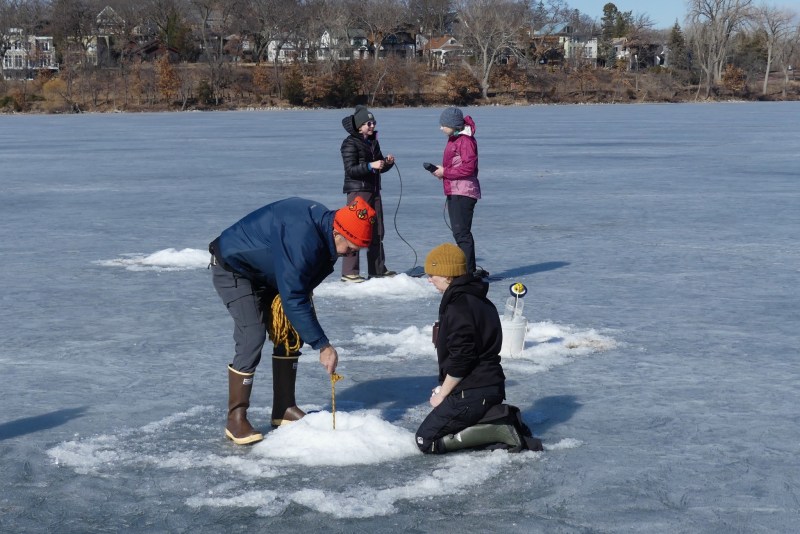
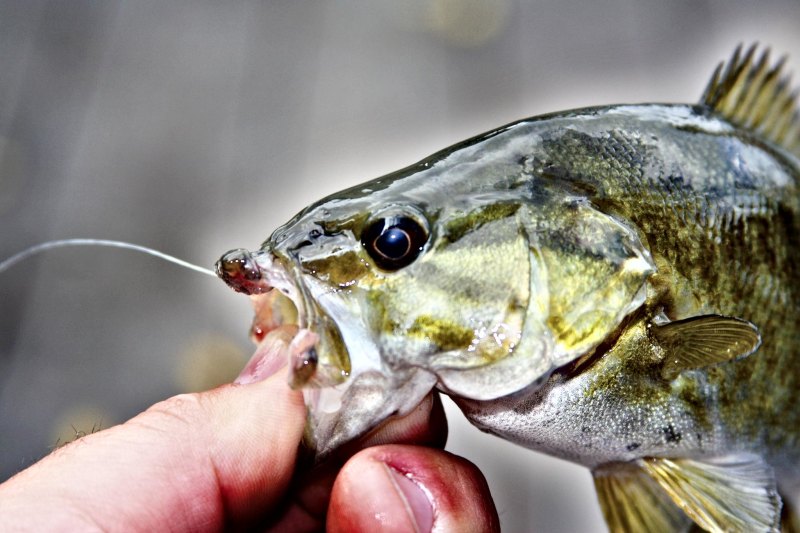
This March, the Minnesota Department of Health (MDH) issued updated fish consumption advisories for several lakes and rivers statewide that are impacted by mercury and PFAS.

Would you like to learn more about PFAS and its local impacts? Freshwater and the East Metro Water Education Program will co-host an info session for volunteers and local residents on Wednesday, April 8 (6-8pm) at the Oakdale Discovery Center. Dr. Ali Ling of the University of St. Thomas will speak and there will also be time for questions and conversation. Register at minnesotawaterstewards.org/pfas.

Read More
At Pig’s Eye, hope and despair abound in equal measure

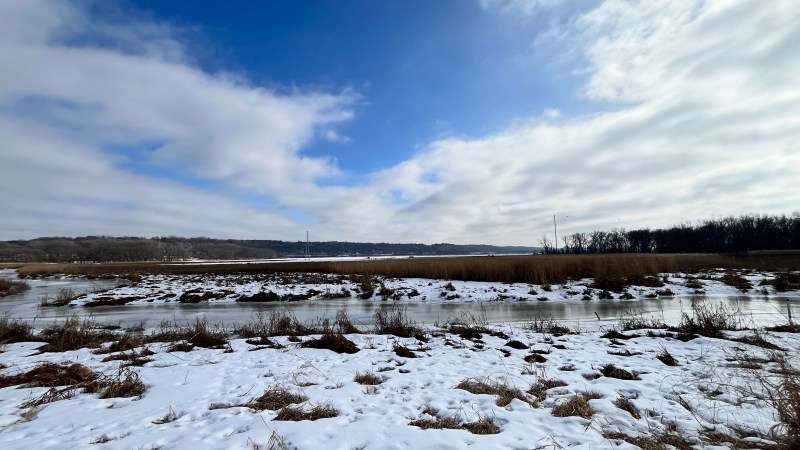
Once, it was C̣hokáŋ Taŋka, the Dakota village of Kaposia, and a bountiful mecca for fishing, hunting, and gathering. Later, it was a highway of pollution, filled with human sewage, garbage, and carcasses from the local slaughterhouses. Today, it includes a regional park and DNR Scientific and Natural Area, surrounded by rail yards and heavy industry.

Read More

Fish, with a side of anti-depressant?

How and why are chemicals like estrone, DEET, cocaine, antidepressants, oxycodone, and veterinary antibiotics ending up in our lakes and rivers?

Read More

St. Croix Watershed research highlights growing impact of chloride pollution

Chloride is toxic to freshwater organisms like fish, frogs, and aquatic invertebrates and also alters lakes’ internal chemistry, causing a cascade of unexpected impacts.

Read More

A very hygge holiday?

Most often, you experience hygge with a small group of friends or family, possibly in front of a fireplace with warm wooly socks and a steaming drink in hand, but definitely not behind the wheel of a car, careening through rush hour traffic in the middle of an ice storm.

Read More

Mercury levels going down in Minnesota lakes

In 2020, the MPCA removed Forest Lake, Tanners Lake (Oakdale), Owasso (Roseville/Shoreview), Johanna (Arden Hills) and eight lakes in northern Minnesota from the state’s impaired waters list. This was the first time in Minnesota history that any lake or river recovered from a mercury impairment.

Read More

Salt continues to pollute Minnesota lakes and streams

Once concentrations are high enough, the chloride becomes toxic to fish and invertebrates and can even prevent lakes from turning over the in spring and fall.

Read More

Intersex fish and cocaine shrimp

Scientists lay the blame for these strange phenomena on endocrine-disrupting chemicals and pharmaceutical compounds, such as pesticides, medications, and even common household products like shampoo.

Read More

Green lawns for blue water and good health

Some common lawn care practices can harm wildlife, pets, and water resources. Happily, there are a few simple guidelines you can follow to get a healthy lawn that looks nice without harming the environment.

Read More