You turn on the sink, and fill a glass to drink. Where does the water come from? The ocean? The Mississippi River? Maybe a nearby lake?
Read More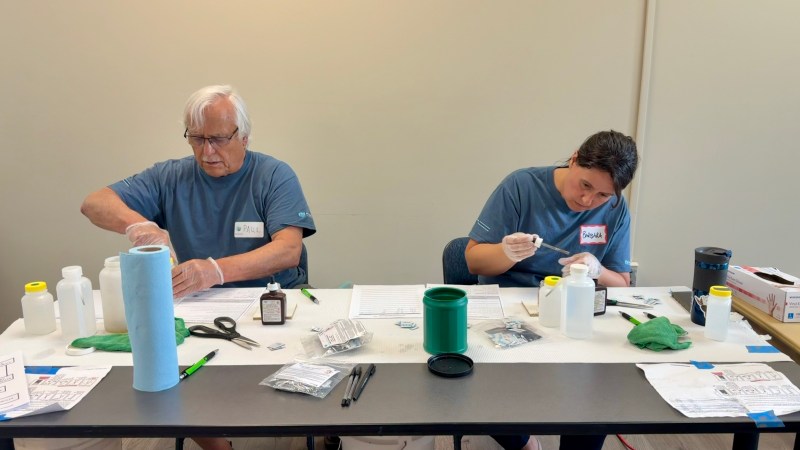
Tips and tales about keeping water clean
You turn on the sink, and fill a glass to drink. Where does the water come from? The ocean? The Mississippi River? Maybe a nearby lake?
Read More
Over the past ten years, Washington County has focused on inter-agency collaboration for regional issues, as well as implementing local programs to reduce the risk of groundwater contamination and promote water efficiency. Now, they’re looking ahead toward future challenges.
Read More
In Chisago and Washington Counties, 100% of the water we drink comes from groundwater. This beautifully designed natural system provides us with a steady supply of pure, clean drinking water that is filtered by layers of gravel, sand and soil. Unfortunately, however, we’re beginning to see elevated levels of nitrate from fertilizer and chloride from road salt and water softener salt in the groundwater that people are drinking.
Read More
One way to make better use of nature’s readymade bioengineering is through green infrastructure practices such as raingardens, green roofs, and permeable pavement that help to catch water and hold it on the landscape for future use.
Read More
Free well water testing clinic – Aug. 18-19 at Scandia Community Center
Read More
Groundwater provides 100 percent of the drinking water for people in Washington County and 70 percent of the drinking water in Minnesota.
Read More
Bogs are acidic and nutrient-poor for plant growth. Fens are rich in nutrients and are alkaline. The Tamarack Nature Preserve is unique because it has characteristics of both.
Read More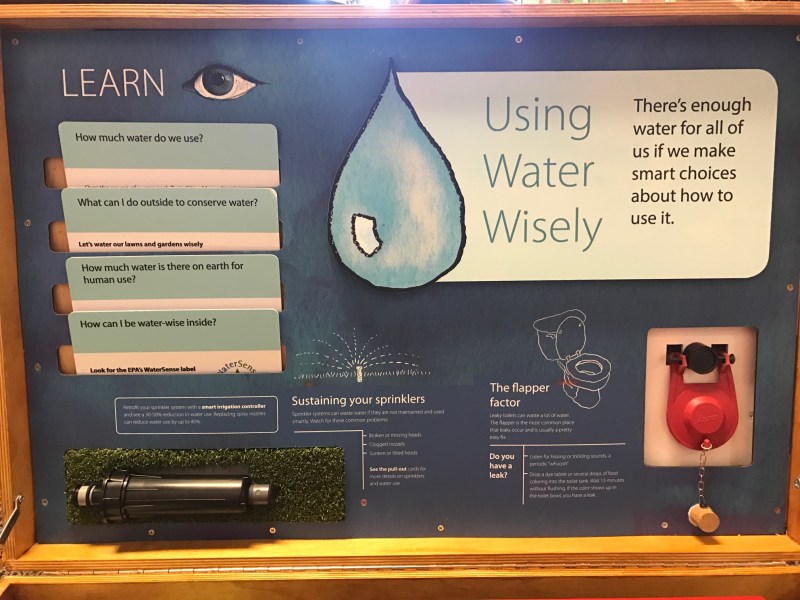
According to the University of Minnesota, approximately 20% of all treated drinking water in the Twin Cities metro area is used outdoors, with a majority of this being used on lawns and landscapes.
Read More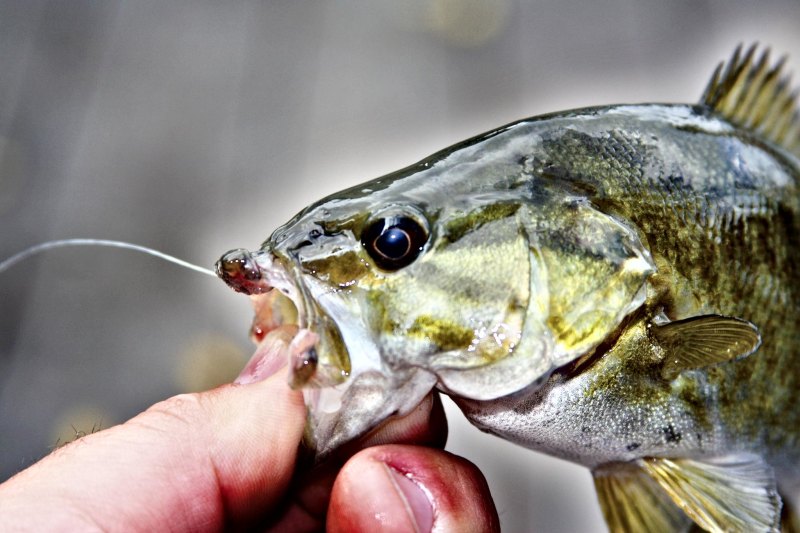
Scientists lay the blame for these strange phenomena on endocrine-disrupting chemicals and pharmaceutical compounds, such as pesticides, medications, and even common household products like shampoo.
Read More
Beginning September 1, 2020, Part 1 of the Groundwater Protection Rule goes into effect, restricting the application of nitrogen fertilizer in the fall and on frozen soils in areas with vulnerable groundwater. It applies to approximately 12-13% of Minnesota’s cropland and nearly half of the land in Washington County.
Read More
