The Sunrise is a complex river system with multiple branches, tributaries, and pools, each with its own unique personality.
Read More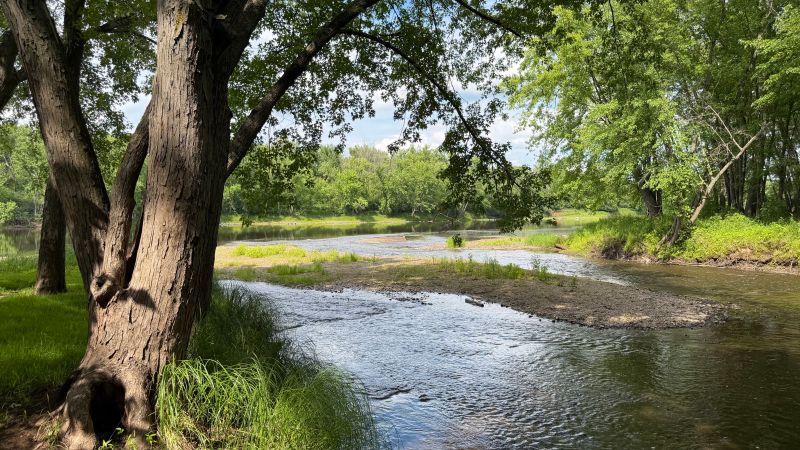
Tips and tales about keeping water clean
The Sunrise is a complex river system with multiple branches, tributaries, and pools, each with its own unique personality.
Read More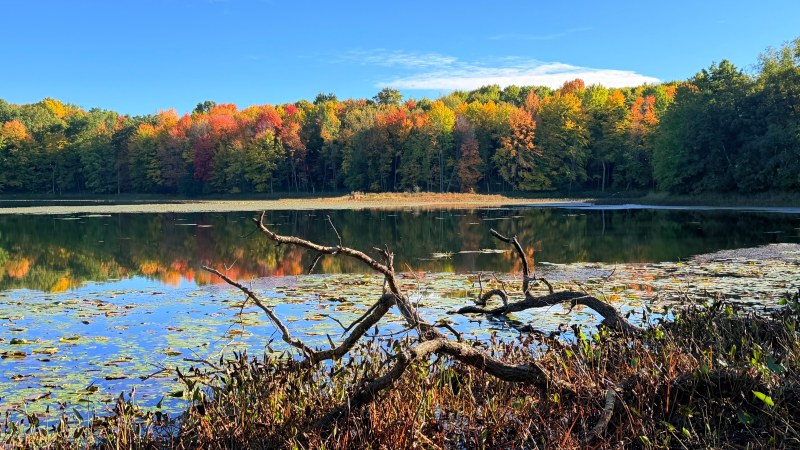
Since 2006, Washington County’s Land and Water Legacy Program has helped to protect 1900 acres of land, including 328 acres at Big Marine Regional Park, 102 acres at St. Croix Bluffs Regional Park, and smaller additions at Cottage Grove Ravine, Lake Elmo Park Reserve, and Pine Point Regional Parks.
County funds also helped to establish Lumberjack Landing in Stillwater and Bayport Park, both of which are located on the St. Croix River, Oxbow Trails along Valley Creek in Afton (Belwin Conservancy), and Mississippi Dunes Park on the Mississippi River in Cottage Grove.
In Woodbury, the county’s Land and Water Legacy program even played a role in restoring La Lake to good health.
Read More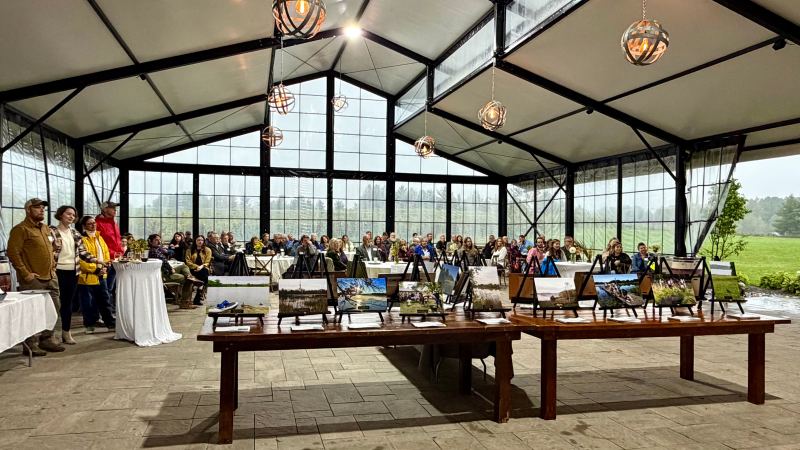
In the recipe for lake and stream restoration success, community engagement is an often overlooked but essential ingredient. Though the projects implemented vary from one location to another, it is almost always true that lakes and streams get better when people in the community care, show up at public meetings, volunteer, participate, and support local government and nonprofits in doing clean water work.
Read More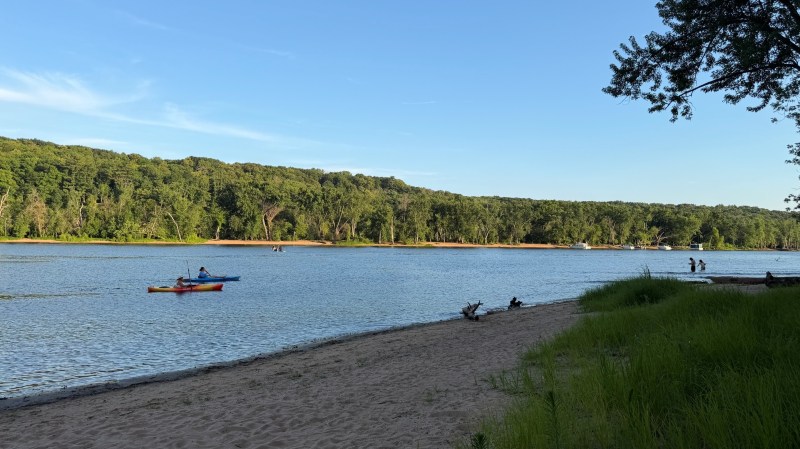
The Lower St. Croix Watershed Partnership includes 15 local government partners in Anoka, Chisago, Isanti, Pine and Washington Counties who are working collaboratively to improve the St. Croix River, as well as local lakes and streams.
Read More
There are more than 3000 species of mayflies worldwide and Minnesota is home to 105. Two – the Hexagenia bilineata and Hexagenia limbata – have synchronized hatches and can form swarms so large they actually show up on local weather radars.
Read More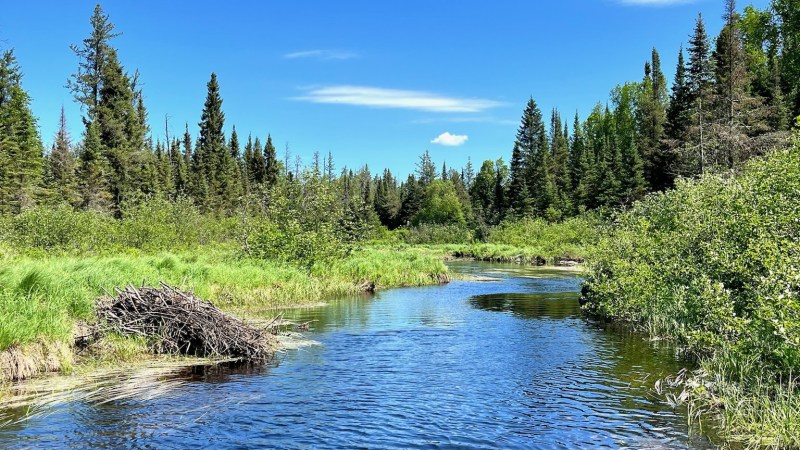
In 1965, protests in Stillwater, Minnesota ignited a national conversation that eventually inspired Congress to pass the Wild and Scenic Rivers Act in 1968.
Two years later, Senator Gaylord Nelson (WI) helped to organize the very first “Earth Day” on April 22, 1970. During this inaugural event, 20 million Americans — 10% of the U.S. population at the time — participated in teach-ins and rallies, calling for sweeping changes to end the environmental destruction they saw happening across the nation.
Read More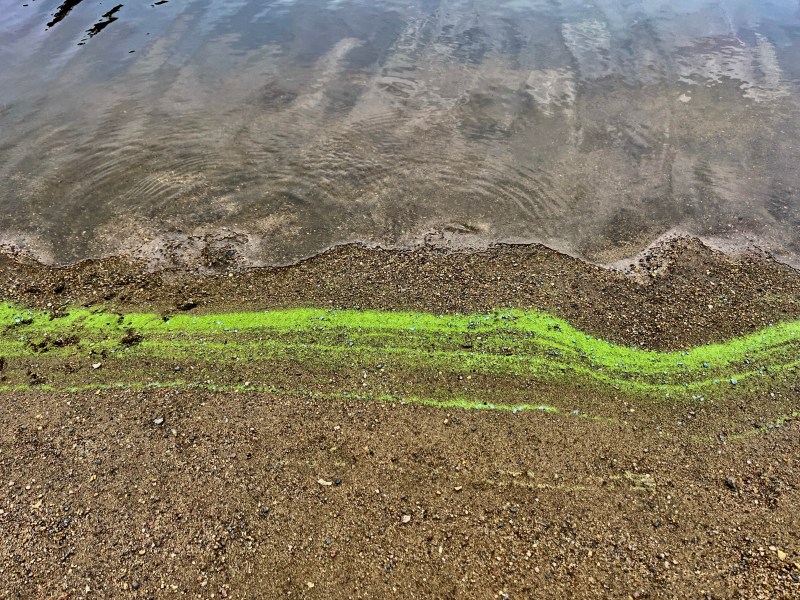
The Minnesota Pollution Control Agency (MPCA) recently released a report summarizing ten-years of progress toward reducing water pollution in the state’s rivers, lakes, and groundwater aquifers. The biggest news is that Minnesota is sending 32% less phosphorus and 6% less nitrogen down the Mississippi River, compared with in 2014. In addition, three-quarters of the lakes assessed by the MPCA statewide show declining phosphorus concentrations.
Read More
Though there are no buildings left to see, Point Douglas remains a unique location to see the confluence of two great rivers.
Read More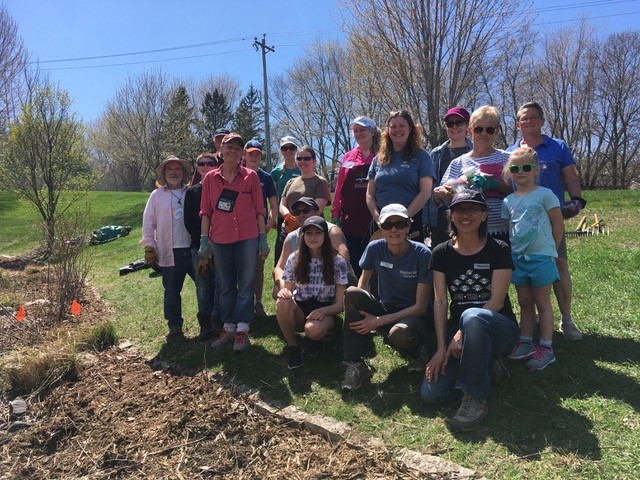
David, Kim, Barb and Mike are part of an elite cadre of volunteers helping to engage communities across Minnesota and western Wisconsin in grass-roots projects to protect and restore lakes, rivers, and streams.
Beginning in 2026, Freshwater is taking the program statewide and removing the enrollment fee so that more people can participate. Locally, the St. Croix Valley Foundation has provided grant funds to Washington Conservation District (WCD), Freshwater, and North Woods and Waters to train-in a new cohort of volunteers, starting in 2026.
Read More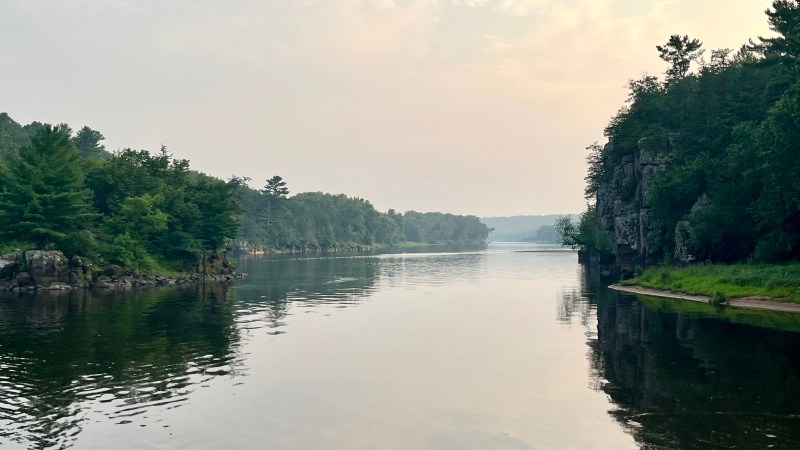
How do you tell the story of a place?
Read More
