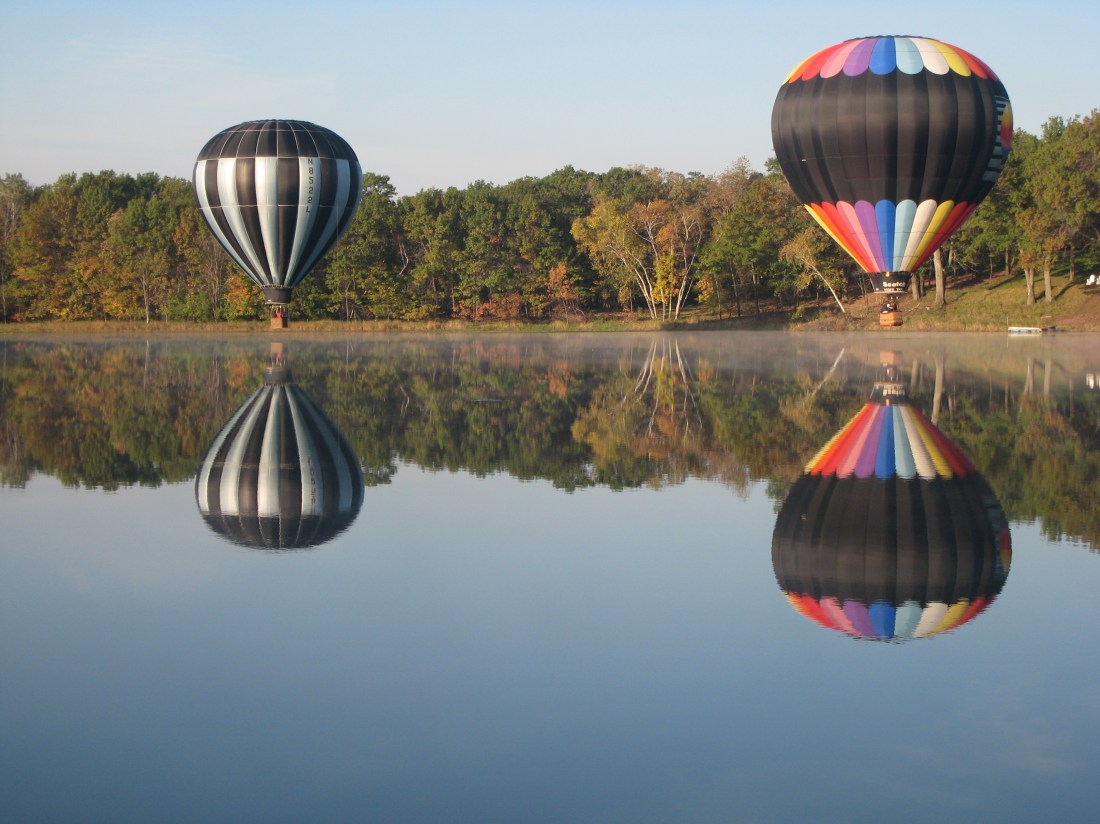
It’s not that we lack creativity, but when you have 11,842 children to name, I guess there are bound to be some repeats. Minnesota is home to 200 Mud Lakes (find one near you in Forest Lake, May Township or Oakdale), 150 Long lakes (local examples exist in Pine Springs, Mahtomedi, Hugo, May Twp., Stillwater and Scandia), and 120 Rice lakes (the closest one to us is in Hugo). Numerous Minnesota lakes are Anglicized variations on their Dakota or Ojibwe names (Bemidji, for example, is a shortened version of the Ojibwe “Bemejigamaugname”) while others are inspired by Native American legends (as is the case with White Bear, which is said to be inspired by a Dakota love story.) Other common Minnesota lakes include Bass, Round, Horseshoe, Twin, Island, Johnson and Spring.
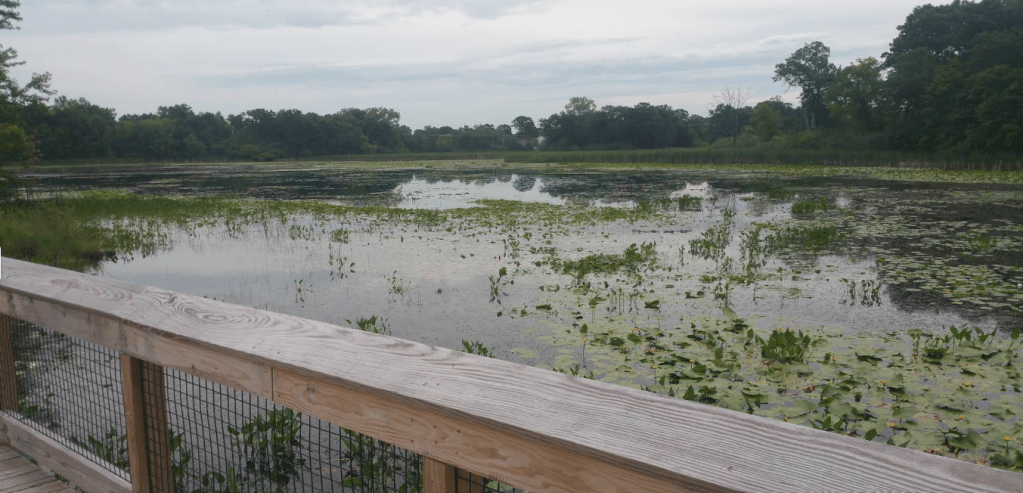
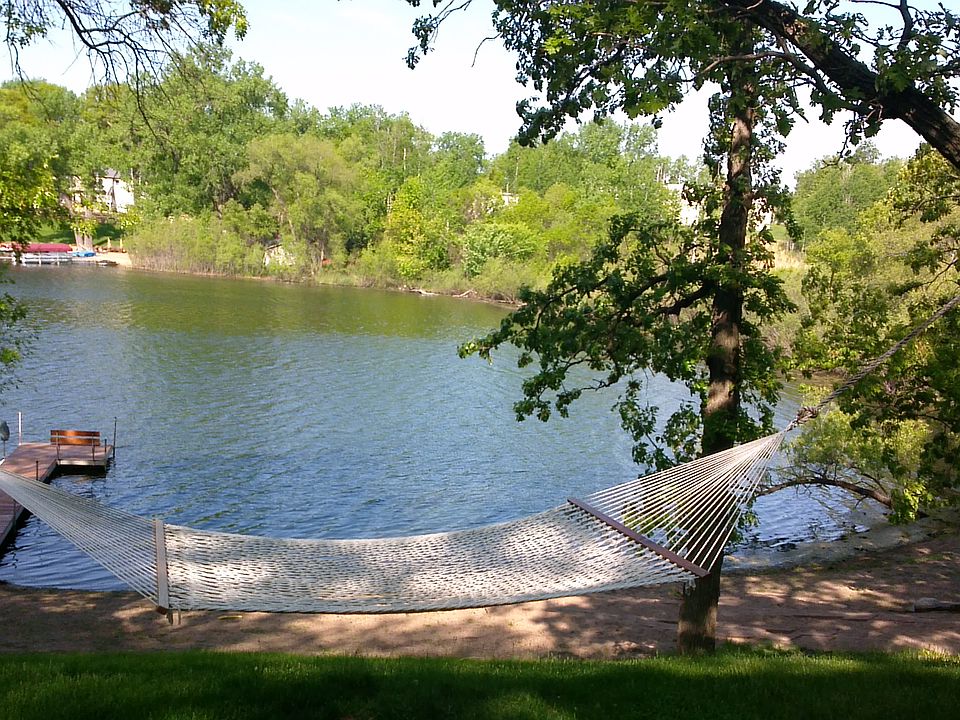
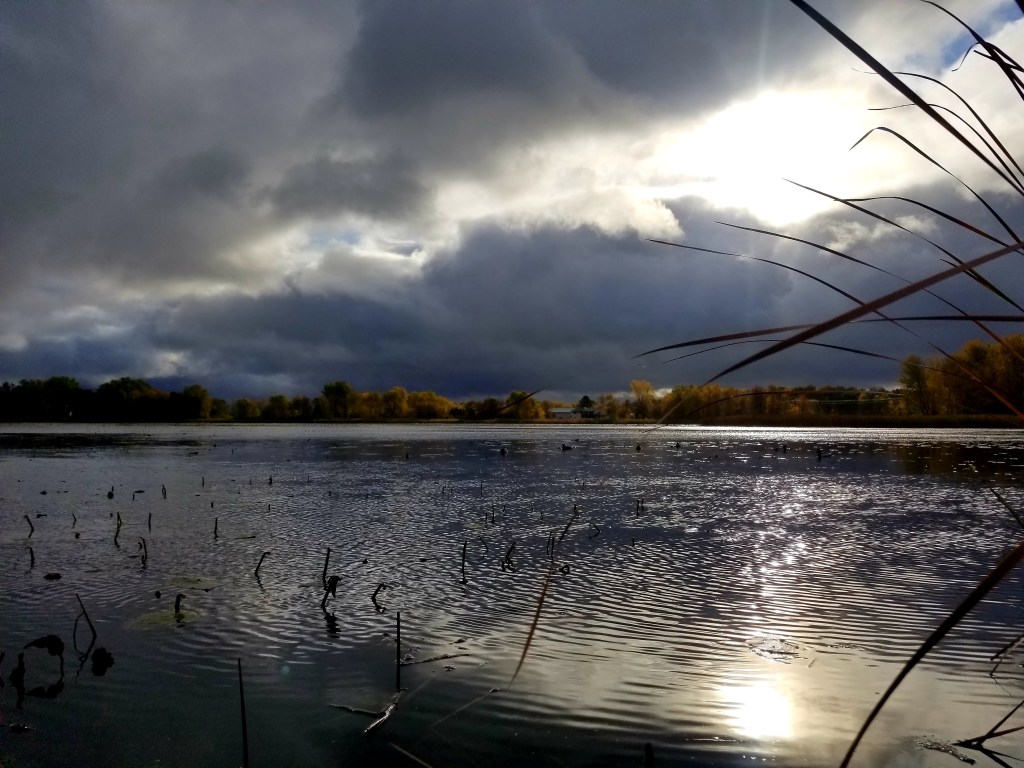
In an effort to help people get to know their local neighborhood lakes, the Minnesota Department of Natural Resources offers an online LakeFinder tool (www.dnr.state.mn.us/lakefind) that can be used to look-up lakes by name and county anywhere in the state. Information available on LakeFinder includes lake maps, fishing regulations and stocking reports, boat launch and fishing pier locations, water quality info, fish consumption advisories, and aquatic plant surveys.
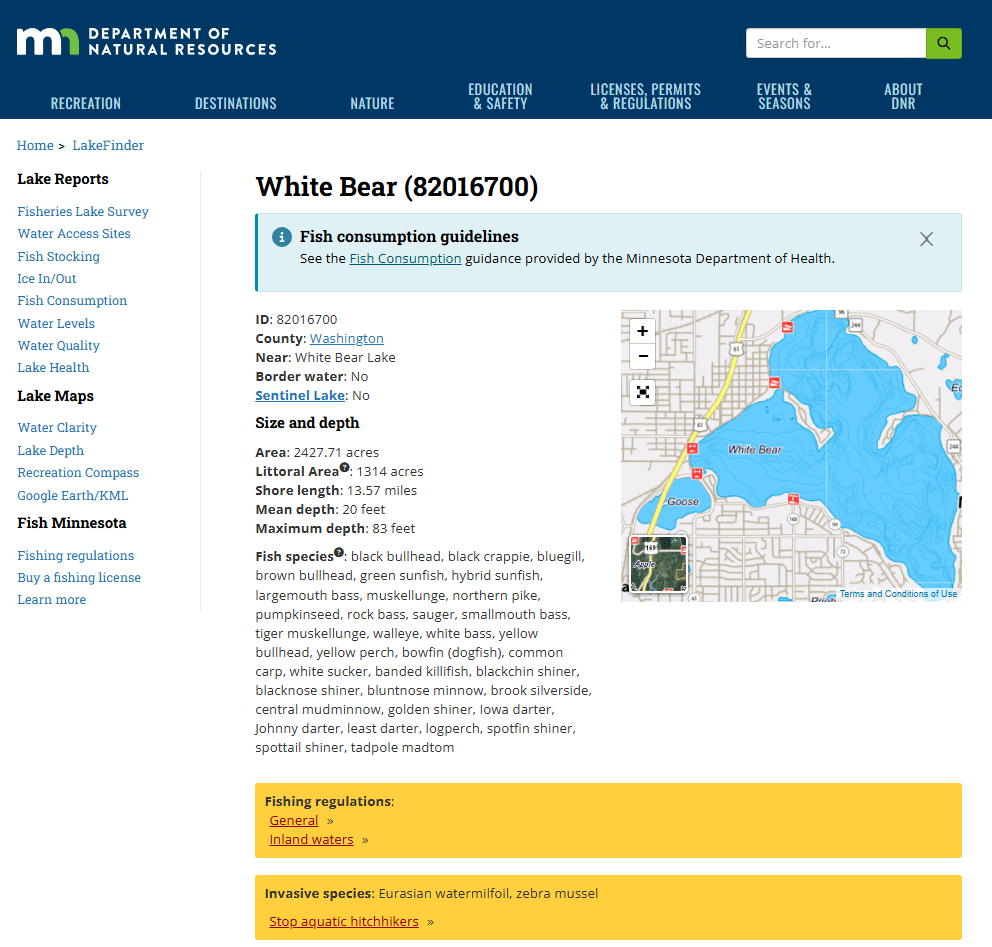
In addition to their actual names, the Minnesota DNR also assigns lakes a shoreland classification – natural environment, recreational development, or general development – that is used to guide lot size, setbacks, and land uses on surrounding properties. Many people mistakenly infer that shoreland classifications also affect the rules related to motors, wakes, hunting, and fishing, but those aspects of lake management are actually governed through separate regulations and often at a city or county level.
Roughly 70% of Minnesota’s lakes are classified as natural environment lakes. These are smaller, shallower lakes, usually less than 150 acres in size and less than 15 feet deep, that are particularly sensitive to disturbance and have limited capacity to absorb the impacts of development. Natural environment lakes are often hydrologically connected to other lakes and rivers and provide critical habitat for migratory birds, turtles, frogs, and wildlife. They also contribute to the beauty and character of our rural communities.
With lakeshore properties in high demand across Minnesota, some people are beginning to look toward natural environment lakes as possible alternatives to the larger, already developed lakes. While it may be possible to get a good deal buying land on a shallow lake, it is important to have realistic expectations for how you’ll spend your time once you’re there. Natural environment lakes are great for quiet hobbies like bird watching and kayaking, but are usually poorly suited for more intensive activities like waterskiing and swimming. In addition, shoreland regulations will require larger lots, homes and cabins set back further from the water, and more restrictions on shoreline alterations and vegetation removal.
If you live on a lake or are looking to purchase shoreland property, the Lower St. Croix Watershed Partnership offers a collection of resources at www.lsc1w1p.org/shorelines. These include links to the Minnesota DNR’s LakeFinder, as well as the “Score Your Shore” and “Restore Your Shore” programs; presentations from previous workshops; and information about permits. The partnership also offers an online certification course for realtors selling shoreline property, in partnership with the St. Paul Area Association of Realtors.
And if you want name a lake (preferably something more creative than Mud, Clear or Round), all you’ll need to do is get signatures from 15 registered voters, and approval from the county board, DNR Commission, and a federal board!

 East Metro Water