It’s 8 a.m. and I need to write an article about bee lawns and send it to the newspaper by noon. So of course, I make a quick TikTok about goats and buckthorn instead.
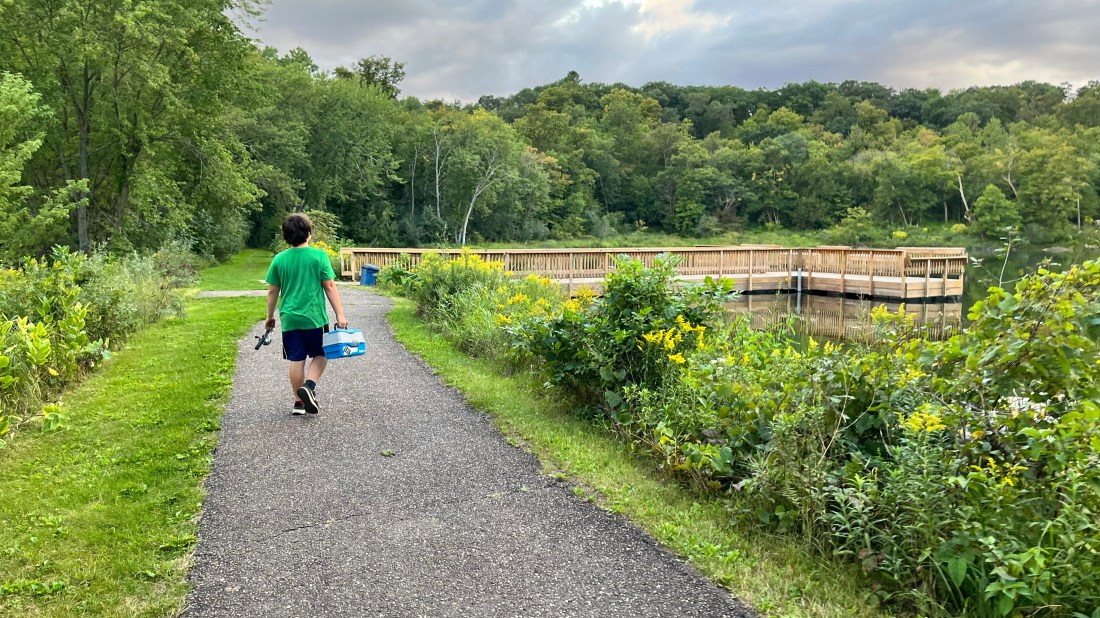
Now it’s 8:30 a.m. and I look at my son Charlie. Poor kid’s got no camp this week and all his friends are busy, so he’ll probably be lying on the couch watching YouTube until nightfall.
No way. I’ve got a plan.
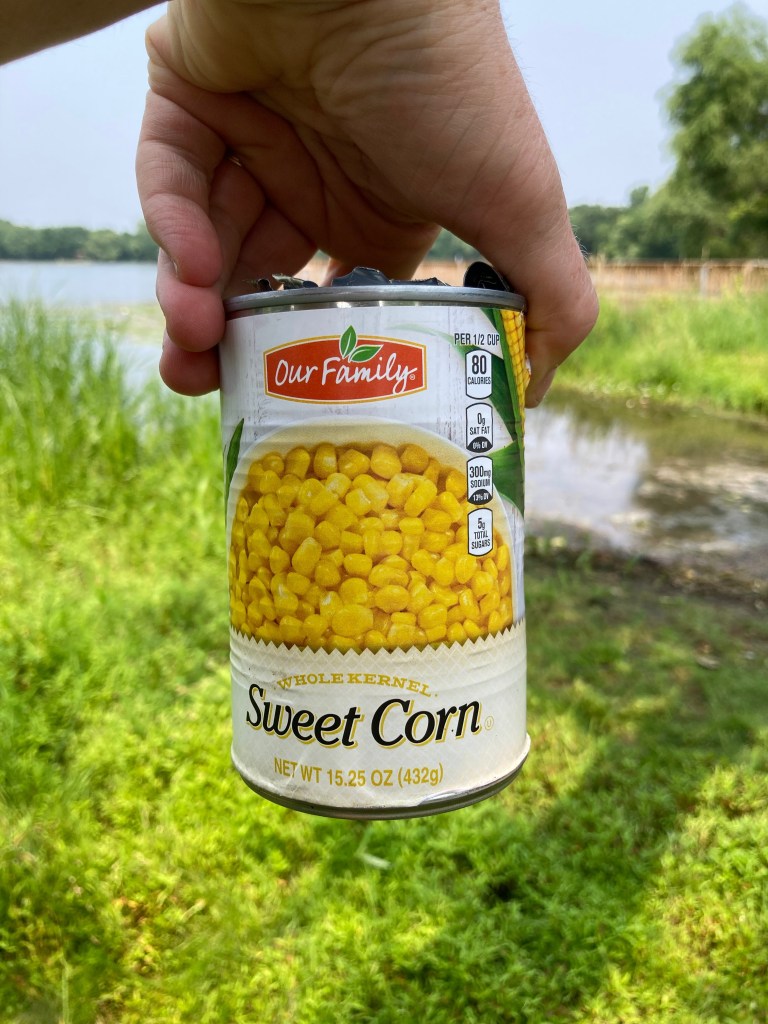
We grab the dog—she’s been giving me a guilt trip all morning — pack my computer and a fishing pole, and head out the door to walk to the nearest lake. Five minutes later, we see a flyer on a light post advertising night crawlers for sale on Sherburne Avenue, only ten blocks out of our way. We walk there, but he’s sold out, so now we walk another two blocks to the corner store to get some corn—$0.59.
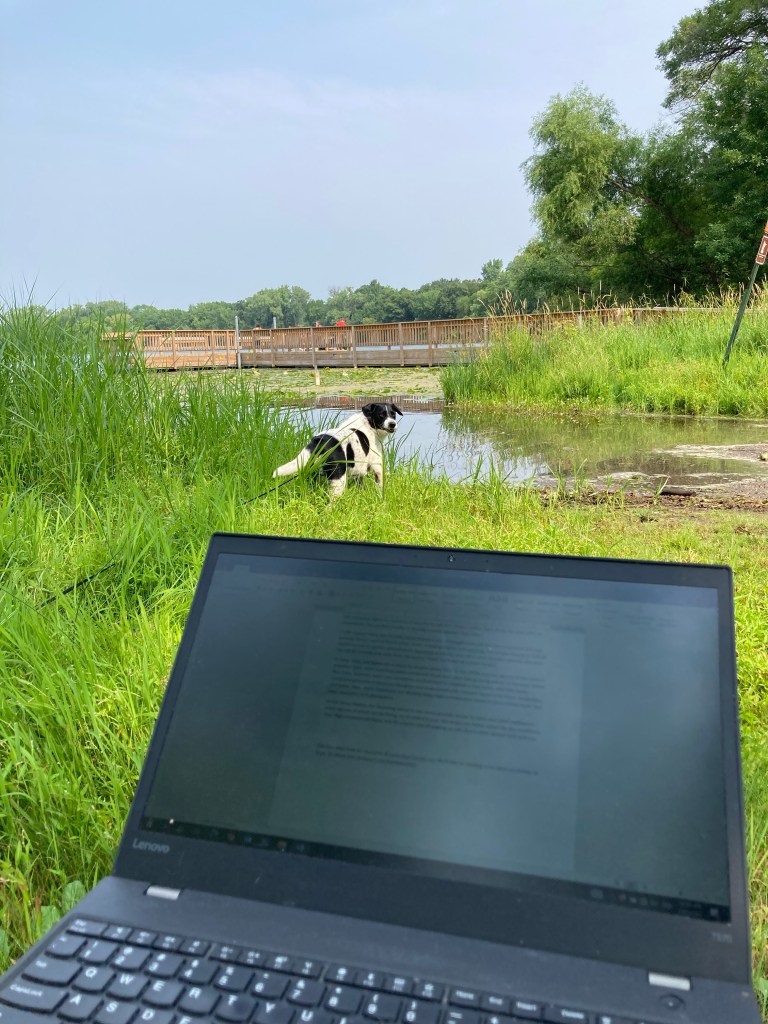
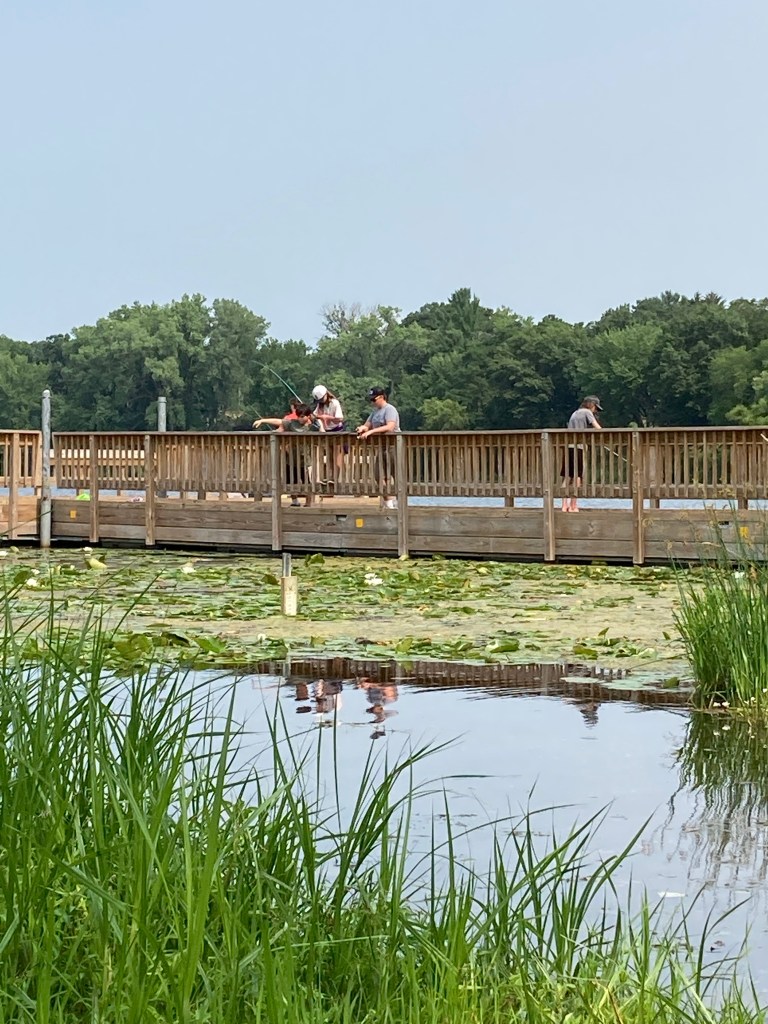
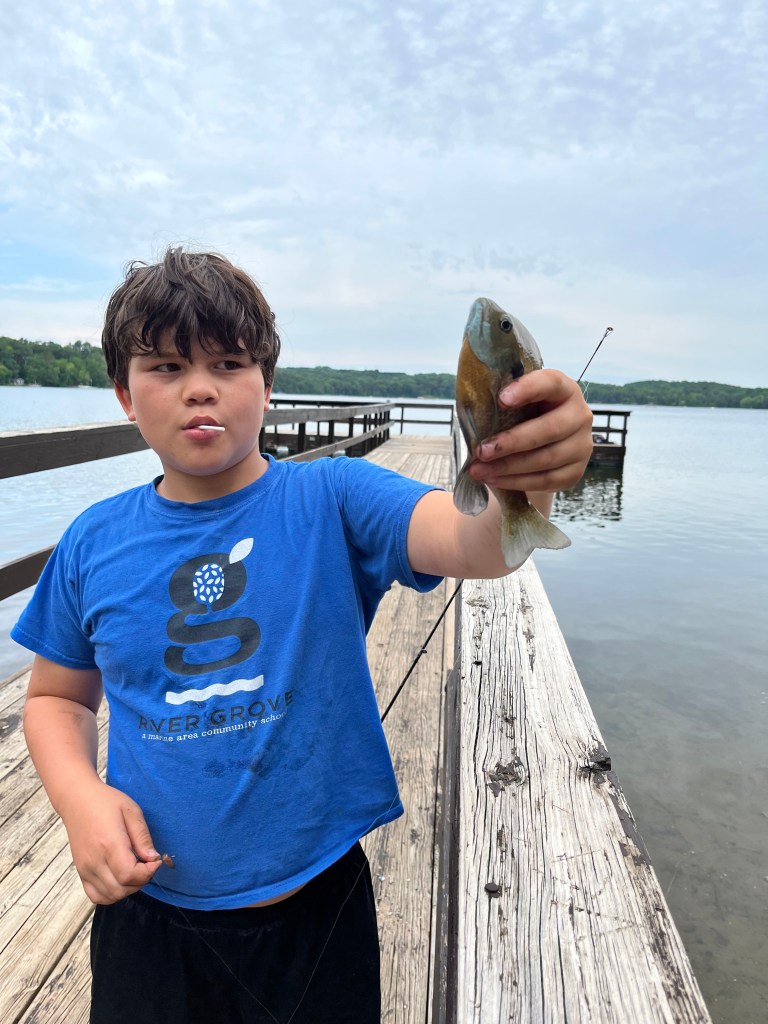
We’re drenched in sweat by the time we get to Lily Lake, but it’s all good because Charlie catches several bluegills and two sets of moms drop off kids with fishing poles to keep him company while we’re there. Molly the dog hunts for frogs, I write about bee lawns, and I send the article to the newspaper at 11:49 a.m. Easy peasy, fish ’n’ beezies!
•••
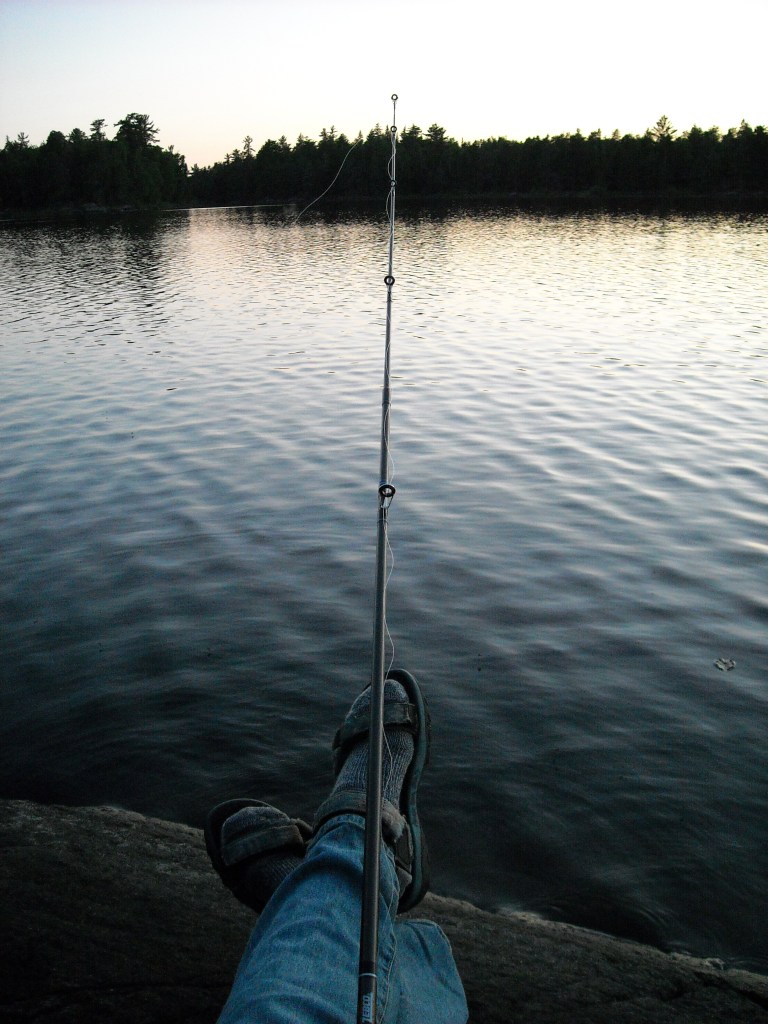
I don’t think it’s much of an exaggeration to say that fishing saved my family during the summer of 2021 when we navigated yet another summer of COVID with no day care and only a few weeks of camp. My son (then 9) made quick friends with our neighbor Gabe and the two spent their days alternating between Lily Lake and the St. Croix River, both within walking distance of our house. On especially nice days, Charlie would sweet-talk me into ending work early, and we’d drive to William O’Brien, Square Lake, or Big Marine, where he’d fish from the piers and make friends with old men, while the dog and I explored the trails.
That summer was Minnesota at its quintessential, and in spite of chaos in the world, life was pretty good.
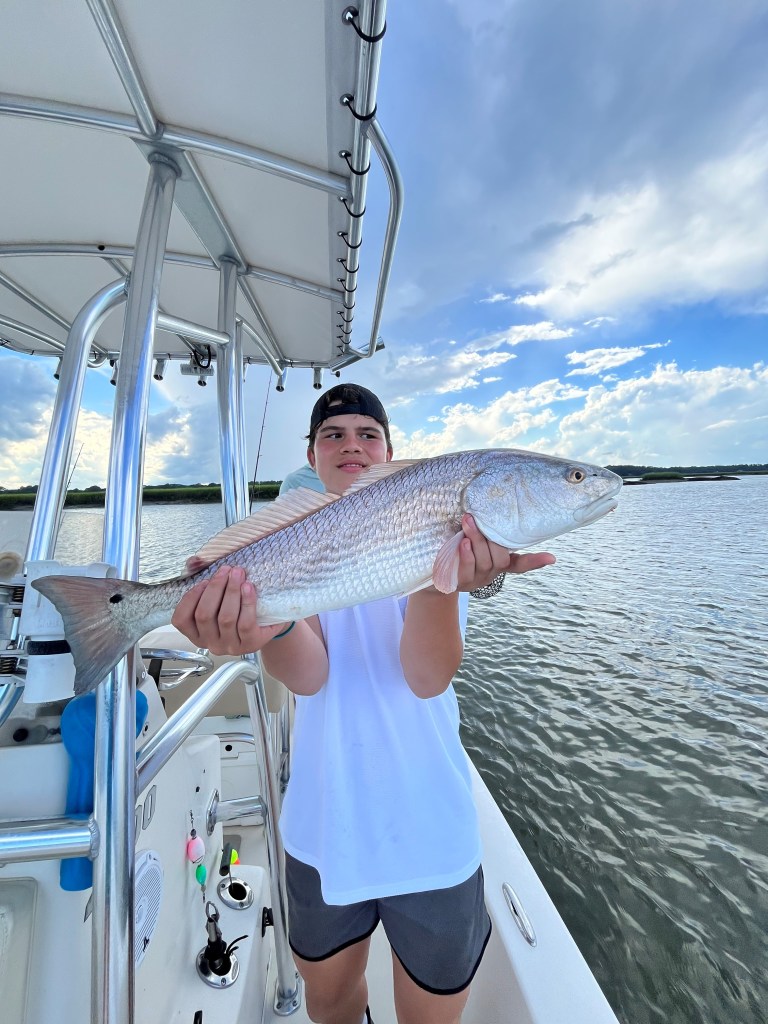
May 9, 2026 marked the beginning of another year’s fishing season, and with luck, many children just like Charlie will be making lifelong memories. As Minnesotans hit the water with fishing poles and boats, a well-trained team of watercraft inspectors, conservation officers, and even K9 officers will also be rolling out to lakes and rivers to help keep them safe from aquatic invasive species (AIS).
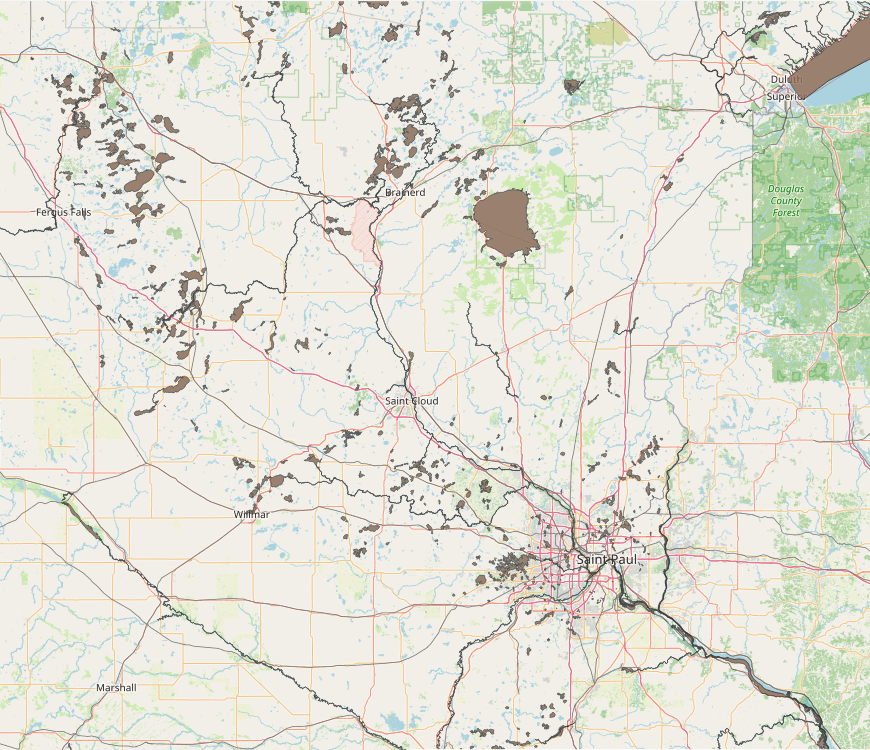
In northern Washington County, invasive zebra mussels have been found in White Bear, Forest, and Bone Lakes for several years. More recently, the mussels have made their way into Big Carnelian and Big Marine Lakes as well. Nearby gems including Square Lake, the Chisago Chain of Lakes, and the St. Croix River north of Stillwater are still zebra-mussel free, however, and local watershed managers hope to keep it that way.

Every summer, watercraft inspectors can be found at boat launches across Ramsey, Washington, and Chisago Counties, helping to make sure boaters clean, drain and dry their watercraft and trailers before entering and after exiting lakes. Local partners have also installed signs, pavement stenciling, bait disposal containers, and tool stations at public launches, and regularly conduct other AIS prevention activities, such as weekly in-water searches near boat launches (Washington Co), and decontamination of boats and trailers (Chisago Co).

Less well-known than zebra mussels are spiny waterfleas, which are microscopic animals that live in open water and can attach to fishing line in clumps that resemble a gelatinous blob with the texture of wet cotton. These tiny invaders prey on native zooplankton and can trigger a domino effect that eventually causes fish like walleye to crash. Currently there are no lakes with spiny waterfleas in our area, but they are found in 70 lakes in other parts of the state.
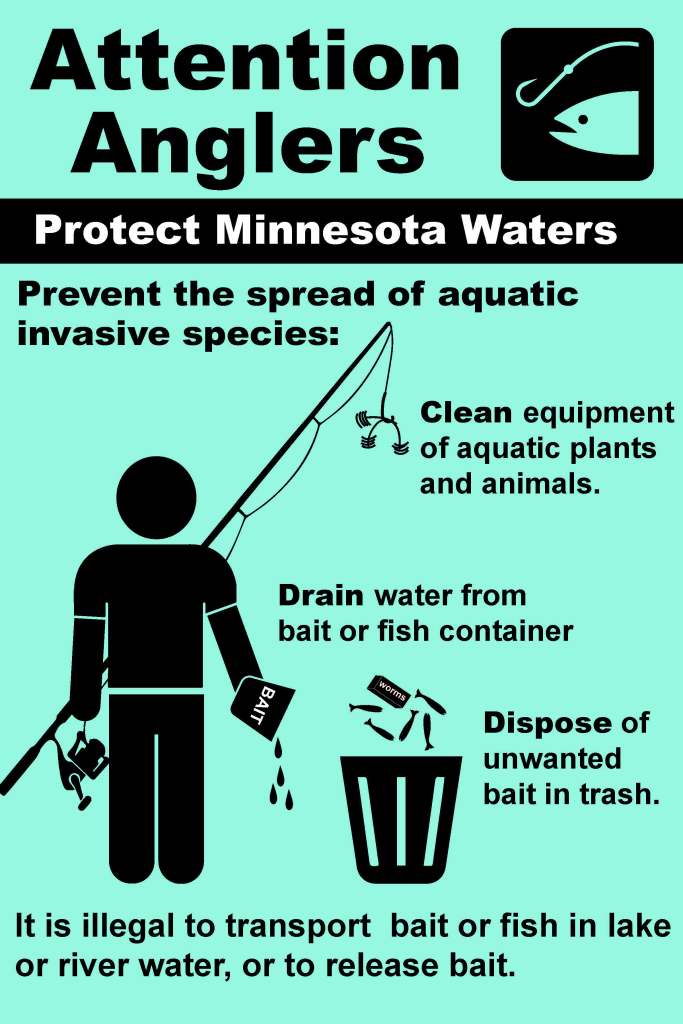
Even if you fish from a pier or the shore instead of a boat, there are actions you should take to help prevent the spread of AIS, including spiny waterflea:
- If you use waders or hip boots when fishing, be sure to clean off any visible aquatic plants, animals, and mud when you’re done and use a stiff brush to scrub the bottom of your boots where mud gets stuck in the treads.
- Use non-felt soled boots to further reduce the risk of spreading AIS.
- Dispose of unwanted bait, worms, and fish parts in the trash instead of throwing them in the water or on the shore. Many public boat launches have a compost area on site where you can dispose of this organic waste.
- If you have live bait that you’re keeping to use again, drain the lake water out of the container and replace it with tap water or bottled water to avoid transporting microscopic invaders like zebra mussel veligers or spiny waterflea.
If you’re lucky enough to live on a lake, be sure to only hire DNR certified providers to help install and remove docks and lifts. These companies and individuals have been trained in proper procedures to avoid spreading AIS. Visit the DNR website to find a list of providers in every county.
Last, but not least, please be nice to the watercraft inspectors you see at public launches this summer! They’re working hard work to keep our Minnesota lakes healthy and are helping to preserve fishing tales for generations to come.


