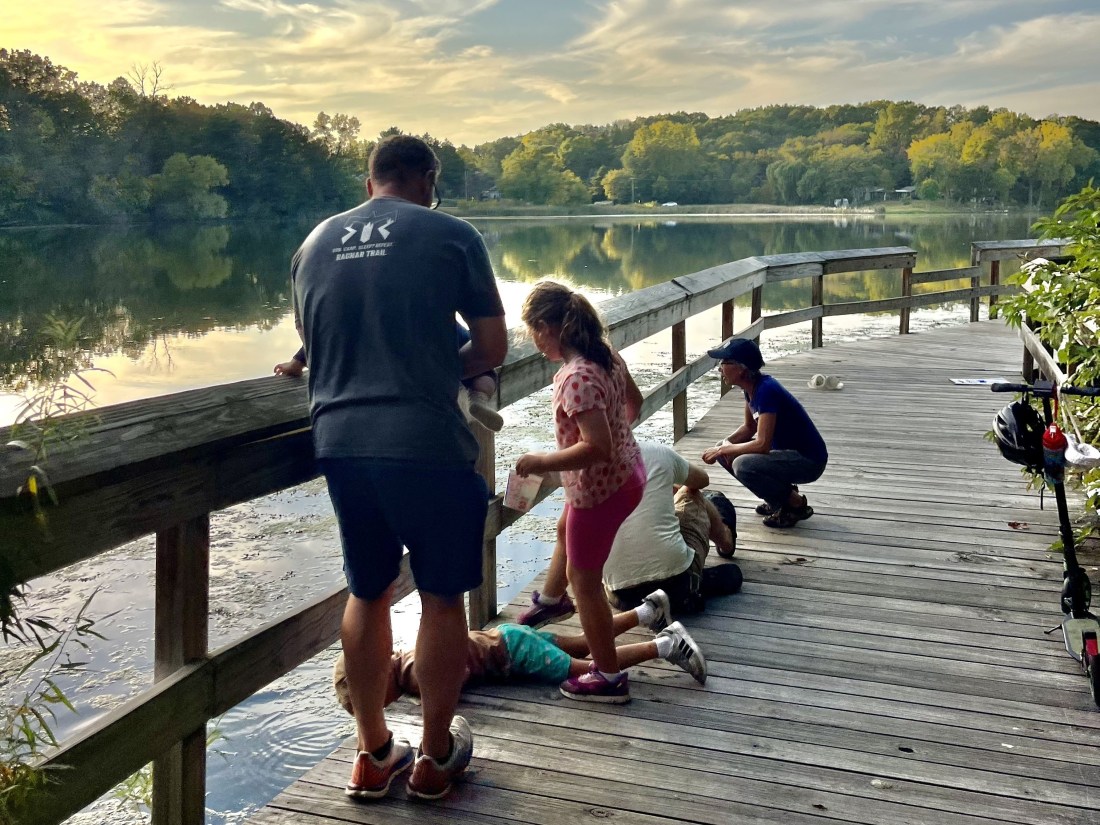
Carver Lake in Woodbury is a hidden gem. The lake is surrounded by 150 acres of woodlands with some of the best mountain bike trails in the Twin Cities, a ¼ mile long boardwalk for fishing and bird watching, sand volleyball, a bike park, and a free public swimming beach. The only problem is that the beach closes almost every summer due to bluegreen algae blooms.
Usually, lakes prone to algae blooms have too much phosphorus – a naturally occurring element found in leaves, grass clippings, pet waste, soil, and other organic materials. In the example of Carver Lake, however, the lake was actually “de-listed” in 2014 after a series of efforts led by Ramsey-Washington Metro Watershed District, Washington Conservation District, and the City of Woodbury brought down phosphorus levels in the lake. So why do we still see regular algae blooms?
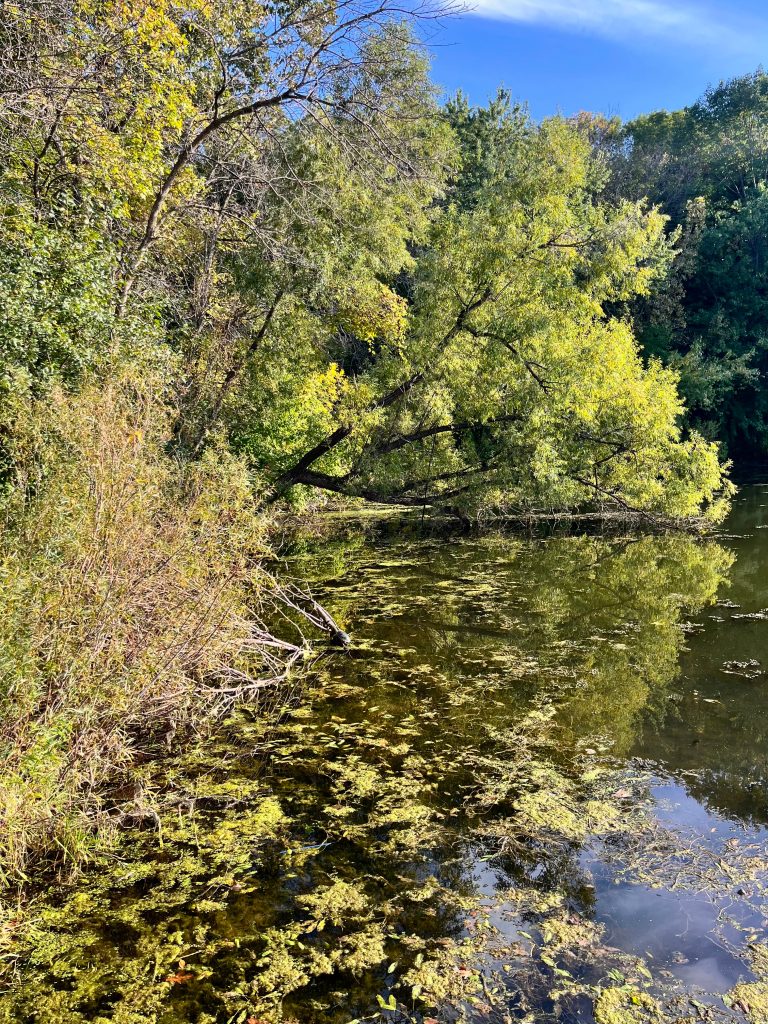
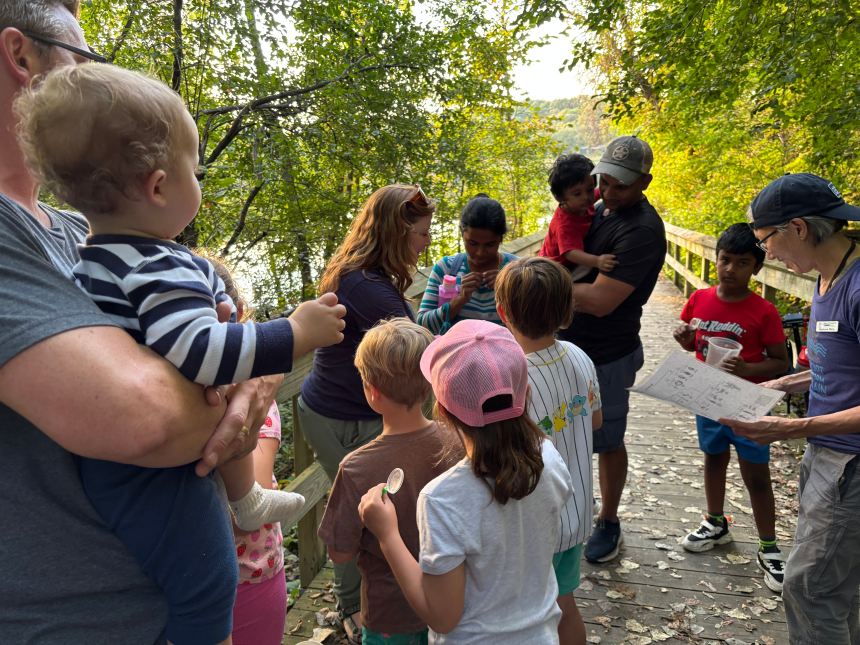

Bluegreen algae doesn’t just affect urban lakes like Carver. In recent years, scientists have also sounded the alarm as blooms have begun to appear in pristine northern lakes including Lake Itasca, the Boundary Waters, and Quetico Wilderness Area. The St. Croix Watershed Research Station (SCWRS), an arm of the Science Museum of Minnesota, recently received $1.3 million from the state legislature to study the problem.
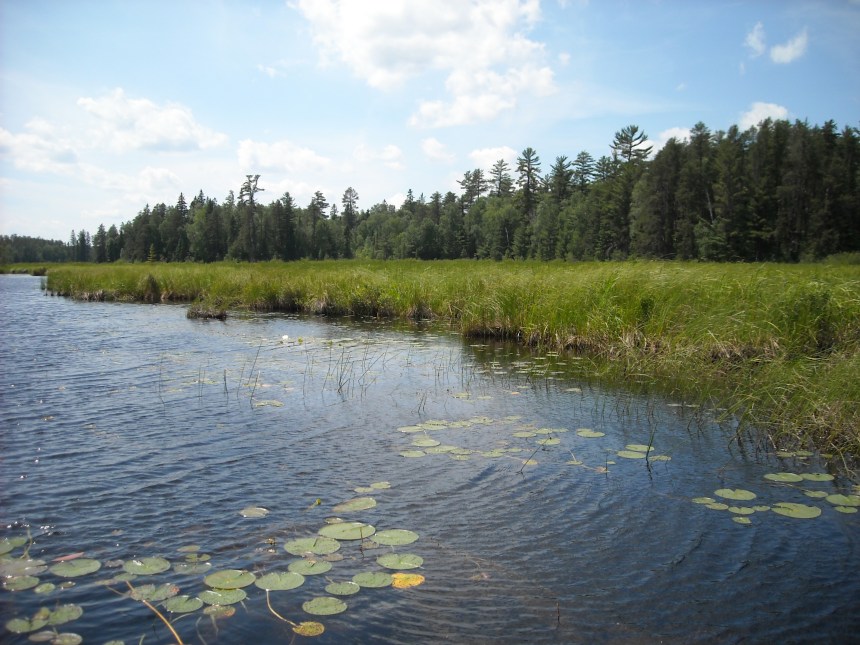
Most lakes in the Boundary Waters are considered oligotrophic (very low in nutrients) and receive minimal phosphorus inputs from the surrounding landscape. Due to a warming climate, however, researchers at the SCWRS believe the bottom sediment in these lakes may be releasing more nutrients than normal, feeding bluegreen algae blooms that would otherwise be rare. Changes in water temperature also affect urban lakes and could push otherwise “barely healthy lakes” like Carver out of equilibrium and back into a condition where bluegreen algae flourishes.
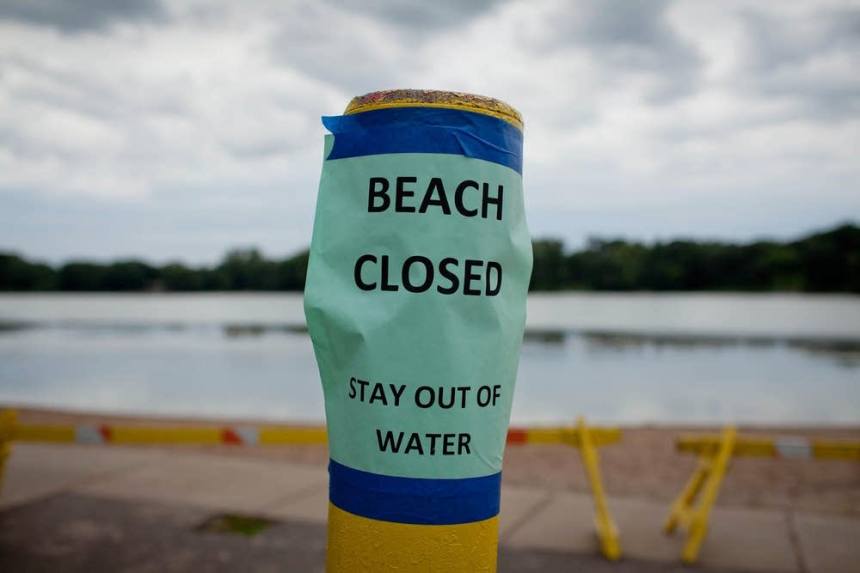
Another factor impacting Carver and 66 other lakes and streams in Minnesota is too much chloride (salt). Chloride is toxic to freshwater animals such as fish, aquatic bugs, mussels, and amphibians, and can also disrupt natural processes in aquatic ecosystems. As a result, lakes with chloride impairments will often experience more frequent blue-green algae blooms, and mobilization of radon, mercury, and lead. Unlike phosphorus, chloride is considered a permanent pollutant because there is no practical way to remove it from surface and groundwater resources once it is there.

This October, the South Washington Watershed District and City of Woodbury launch a new speaker series – Woodbury Green Talks, which will explore local issues affecting water and the environment. The first event will be held on Thursday, Oct. 16 (4:30-6:30pm) at the Eagle Valley Golf Course (2600 Double Eagle Lane) and will feature Kenny Blumenfeld, Senior Climatologist at the Minnesota State Climate Office, and Jen Kader, Clean Water Council Administrator at the Minnesota Pollution Control Agency. Blumenfeld and Kader will discuss climate science and change through the lens of facts and numbers, as well as people and community, and will offer suggestions on how to create practical change. The speaker series is free and includes light refreshments, as well as open-ended time for questions and networking. RSVP online.

 East Metro Water