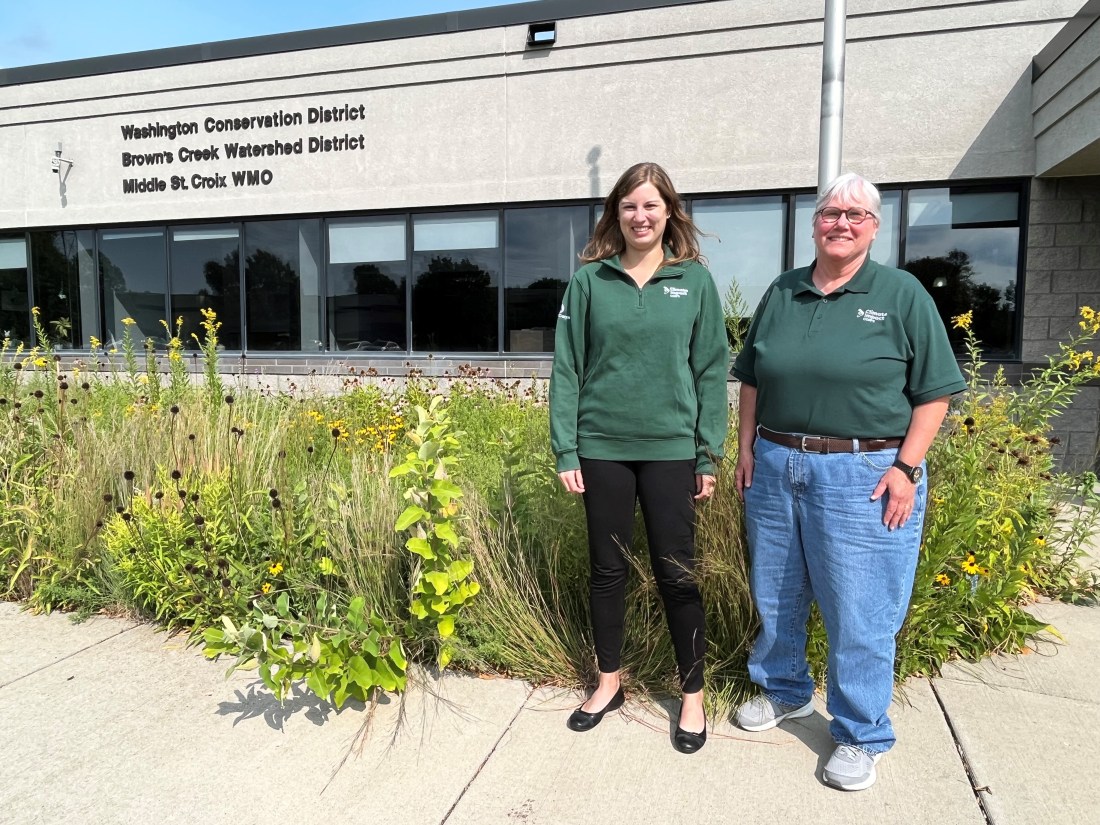
A new climate resiliency initiative called Climate Impact Corps aims to support Minnesota communities that are working to adapt to higher temperatures, more extreme weather, intense flooding, and changes in our ecosystem. Currently, the program has three main areas of focus: 1) Helping communities to protect and expand their urban forests and tree canopies; 2) Helping residents to weatherize their homes to reduce their home energy usage and expenses; and 3) Working with volunteers and community groups to plant native gardens, raingardens, and resilient landscapes to better withstand drought and flooding.

In the Twin Cities, annual average temperatures increased by 3.2°F from 1951 to 2020, which was faster than both the national and global rates of increase. Anyone who lives here can attest to the fact that the past ten years have been a wild ride. Conditions have vacillated between extreme drought that causes waterfalls to stop running and lakes to recede, to major flooding along the St. Croix, Mississippi, and Minnesota Rivers.
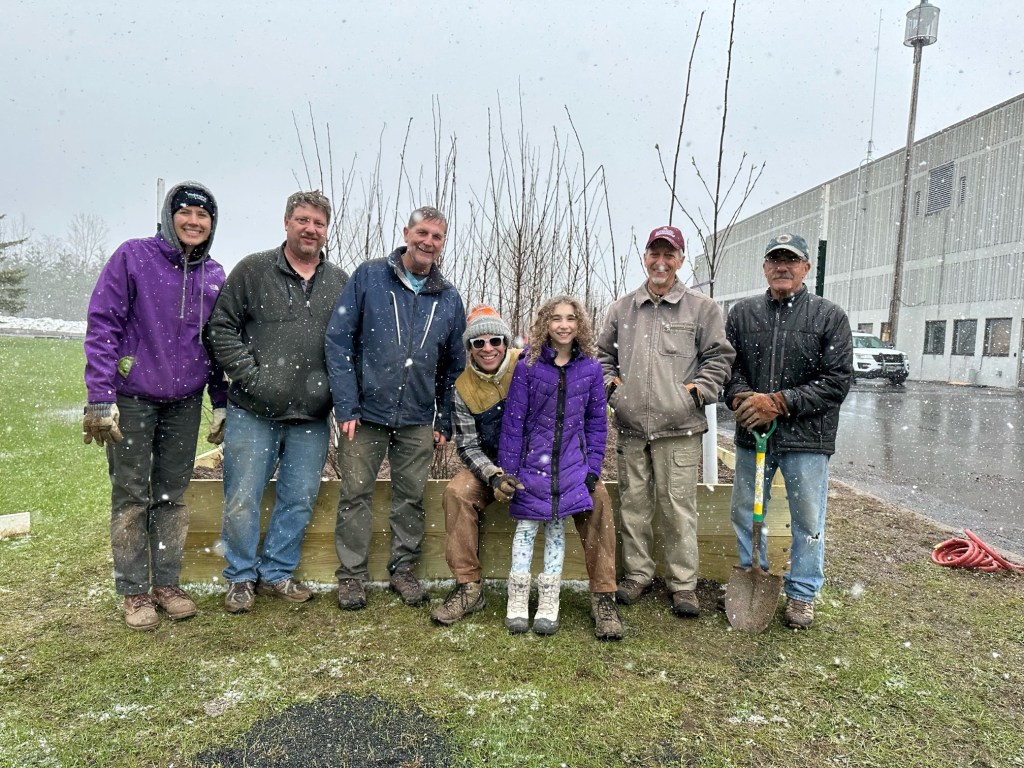
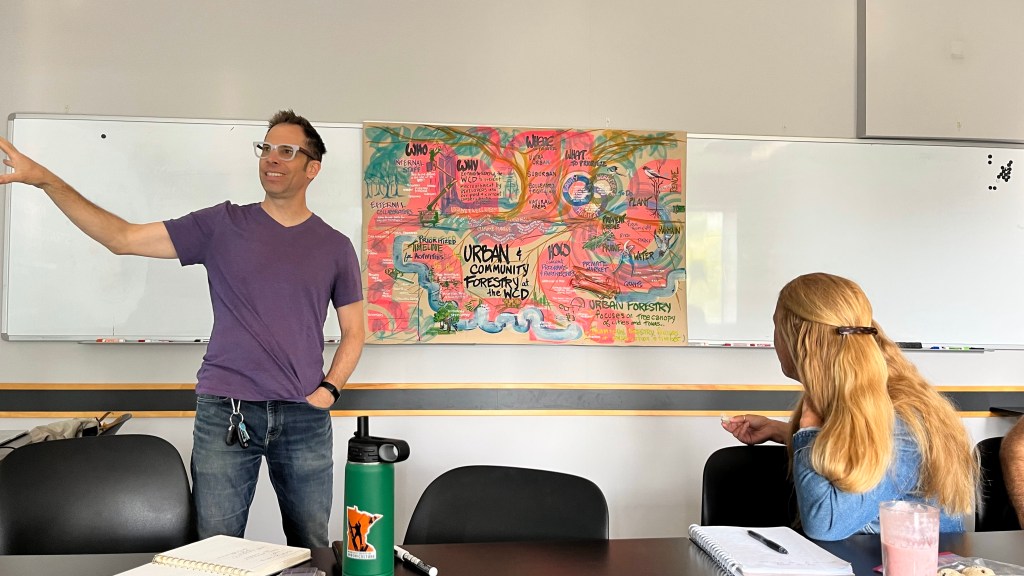
Last year, Washington Conservation District hosted Tim Foss, as a Climate Impact Corps member with a focus on community forestry. During his year of service, Foss helped volunteers to build gravel bed tree nurseries for community planting projects in Scandia, Marine, and at the Washington County Fairground. As he was interviewing city foresters around the region to learn more about issues related to invasive emerald ash borer (EAB), Foss also began asking how cities might make better use of the huge quantity of wood from downed ash trees. Currently, metro-area cities pay a fee to mulch and/or ship their wood to a dump site, instead of using it for lumber.
Foss’s inquiries eventually led him to connect with Hannibal Hayes, who is developing an urban milling program for the City of Minnetonka that could serve a model for other communities. You can hear the full story in a short podcast that Foss produced for KFAI this spring (www.kfai.org/minneculture-milling-the-urban-tree).
Now, this fall, Washington Conservation District will welcome two new AmeriCorps members, Hannah Peterson and Lori Maxfield, who will help to continue local climate resiliency efforts. Peterson’s background includes a B.S. in Graphic Communications and an M.S. in Sustainable Management and her primary interests include sustainable development in areas of water management, biodiversity protection, and architecture. Maxfield’s past work experience occurred in the field of education as a PK-12 educator and a faculty member in teacher education. While not the sole focus of her teaching, she created and implemented activities and programs that featured hands-on real world environmental education experiences. In her spare time, she also tends native pollinator and wildlife gardens at her home.

As community stewardship facilitators, Peterson and Maxfield will be leading a number of projects in Washington County. These include conducting a survey and developing stormwater education materials for homeowners associations and commercial property owners, engaging youth and volunteers to plant pollinator gardens in Landfall – a mobile home park community, supporting the Campus Greening program for schools in southern Washington County, and developing community asset maps to help local government partners better connect with volunteers and community groups.


AmeriCorps members serve for one-year and receive a living stipend, tuition or student loan assistance, and health insurance during their term of service. The Climate Impact Corps program is part of a nonprofit AmeriCorps initiative that started in the early 2000s. The federal AmeriCorps agency for national service and volunteerism was originally created in 1964 to help communities combat poverty and has expanded over the years to provide additional kinds of community support.

 East Metro Water