
If you explore the Boundary Waters Canoe Area Wilderness or Quetico Provincial Park, you may be lucky enough to find pictographs drawn by native people some 500 years ago. The cliffside drawings show people traveling by canoe, as well as woodland animals, including moose and caribou. Though their images remain, the caribou themselves are long-since gone from both locations.

DNA analysis shows that woodland caribou emerged as a distinct species 357,000 years ago, long before modern tundra caribou evolved. Due to their ability to migrate, they were able to survive numerous ice ages and in the early 1800s, they were the most widespread species of the deer family in the northern forests of what is now Minnesota, Wisconsin, Michigan, and Canada. Despite their abundance, caribou populations rapidly declined during the rise and fall of the logging era. They were extirpated from Wisconsin by 1850 and from mainland Michigan by 1912. Soon, the only remaining population in the lower 48 states was in the Big Bog area of northern Minnesota.
From 1908-1929, European-American settlers embarked on a spectacularly unsuccessful attempt to drain the bog and transform it into farmland. If you visit Big Bog State Recreation Area today, you can still see the remnants of failed ditches and fallen fences, snaking across the 500-square mile wetland complex. After ceding victory to nature, locals then launched a failed attempt to reintroduce caribou in 1938. Within ten years, however, Minnesota’s very last caribou were officially gone.
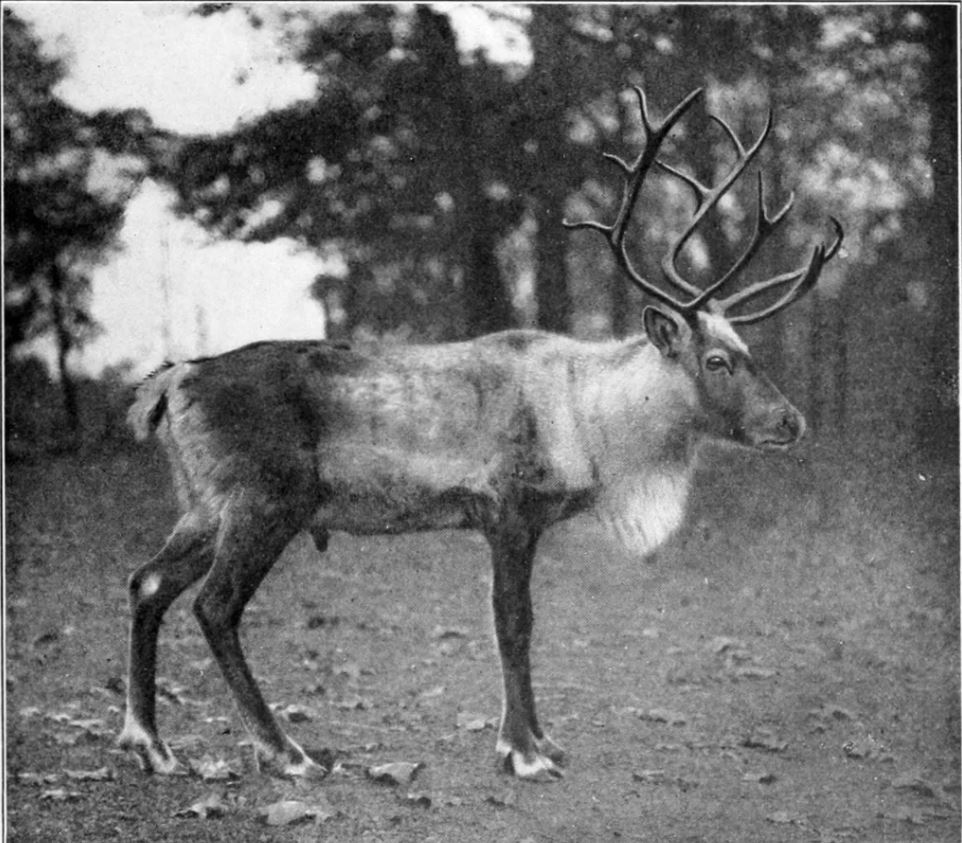
A woodland caribou in 1913. Credit William Berryman Scott, in A History of Land Mammals in the Western Hemisphere. Public domain.
Read more about the fascinating history and current life of caribou in the Great Lakes region in this article by Nancy Langston, Distinguished Professor of Environmental History at Michigan Tech.
Over the past 200 years, the landscape and ecosystems in Minnesota have experienced tremendous change. European-American settlers logged nearly 100% of the forests in Minnesota, with the exception of a few isolated parcels, such as the “Lost 40” Scientific and Natural Area in northern Minnesota. The forests we see today are actually second growth forests with younger trees and different species than the ones that they replaced.
Likewise, settlers cleared roughly 98% of the prairie and native grasslands across Minnesota and drained 95% of the wetlands in southern and western Minnesota. As the human population in our state continues to grow, invasive species, water pollution, habitat fragmentation, and climate change create additional challenges for wildlife. Where are we finding success in our conservation efforts, and which species are most at risk in the coming years?
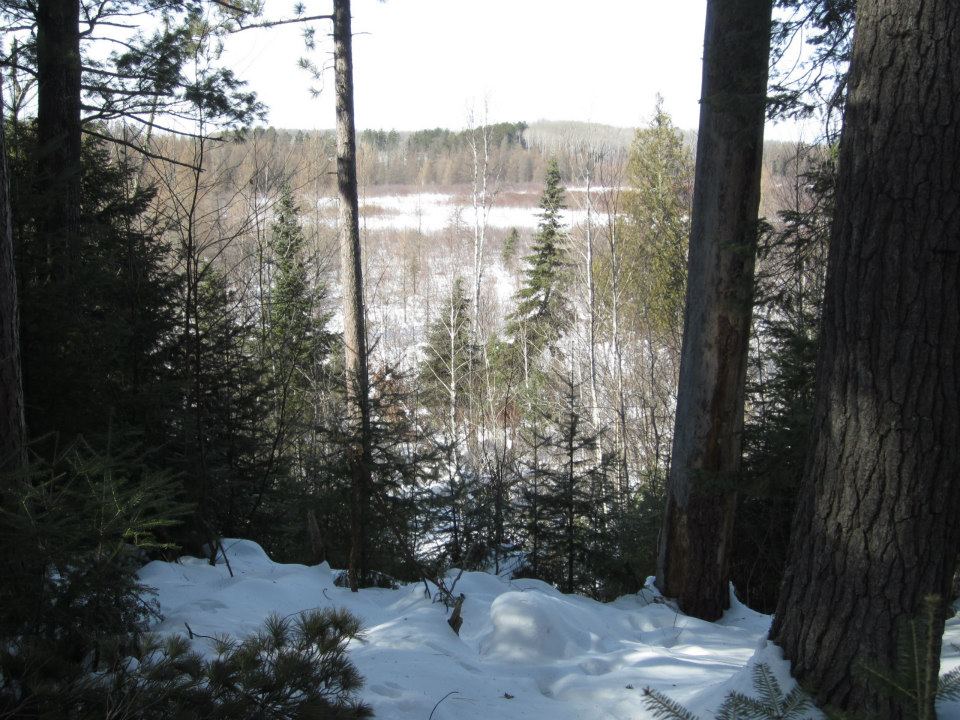


According to researchers at the University of Minnesota, Department of Natural Resources, and conservation organizations such as Audubon Minnesota, our most at-risk wildlife species currently include northern boreal animals such as moose; grassland birds, such as Leconte’s sparrow, greater prairie chickens, western meadowlarks, and marbled godwits; and coldwater fish species, including brook trout and cisco. With warmer temperatures, it is also likely that we’ll see fewer walleye living in smaller and shallower lakes in the future.

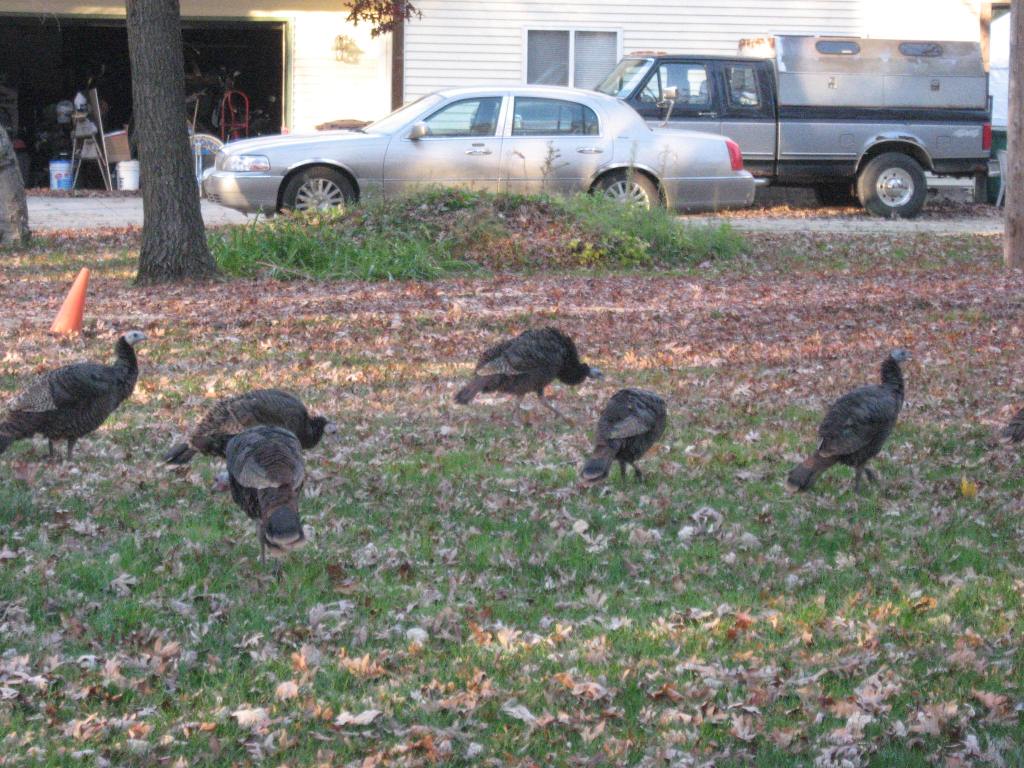

On the other hand, wildlife species such as white-tailed deer (originally found only in central and southern Minnesota), wild turkeys (once limited to the Minnesota and Mississippi River Valleys), grey squirrels, and large-mouth bass have been able to expand their territories in Minnesota as a result of changing climate and ecosystems. Even opossums, once found only in the southeastern United States, are now proud Minnesotans, albeit with frostbit ears.
Experts with the University of Minnesota Climate Adaptation Partnership note that ecosystems with high species diversity are most resilient to large disturbances, a fact which underscores the importance of enhancing existing low-quality habitat in our area. Projects that convert farmland to prairie and wetlands are transformative, but it’s also important to remove invasive species like buckthorn, garlic mustard, and spotted knapweed and add native flowers and grasses into low-diversity woods and grasslands.

We can also celebrate some of Minnesota’s best-known wildlife success stories. Osprey, peregrine falcons, trumpeter swans, bald eagles, and eastern bluebirds have all made comebacks from near extinction thanks to conservation efforts. In the water, otters, sturgeon, and freshwater mussels are also enjoying a revival. We might not get a second chance at caribou, but with continued work to restore and steward our prairies, woods, and waters, we can hope to save other wildlife in Minnesota from slipping away as well.

 East Metro Water