
Why do ocean waters stay open year-round in all but the furthest arctic climates, while freshwater lakes freeze over in the winter? It’s all about the salt. When sodium chloride (salt) dissolves in water, it disrupts the water molecules’ ability to form ice crystals. Freshwater will freeze at 32°F but saltwater can remain liquid until roughly 15°F.
This same principle helps to explain how salt melts ice on roads and sidewalks and when it’s better to use other alternatives. In moderately cold weather, salt will melt thin layers of ice that form on pavement, turning it into salty slush. The colder it gets, the more salt that will be needed to melt the same amount of ice. By the time temps drop below 15°F, salt pretty much stops working and the ice will remain solid, no matter how much salt you dump on the ground.
Two less common types of salt retain their ability to melt ice at colder temps – magnesium chloride (down to 5°F) and calcium chloride (down to -20°F) – but both are far more corrosive and will damage concrete and asphalt. A better alternative during sub-zero weather is to use sand or chicken grit to provide traction. As a bonus, both are widely available at hardware stores and can be swept up and reused when the ice eventually melts.

Winter Salt Week is January 27-31, and local communities are asking for everyone’s help this winter to protect lakes and streams from salt pollution. Currently, there are 67 lakes and streams in Minnesota impaired by too much salt (chloride) and many more considered to be at high risk. Salt is toxic to fish, aquatic bugs, mussels, and amphibians and can also mobilize other toxic elements in the water, including radon, mercury, and lead. In addition, evidence suggests that lakes with chloride impairments may experience more frequent blue-green algae blooms. Here are some ideas of what you can do:
Try using chicken grit instead of salt to provide traction on home sidewalks and driveways. Live in Woodbury, Cottage Grove, Newport, or St. Paul Park? South Washington Watershed District is offering free bags of chicken grit to area residents – visit swwdmn.gov/come-and-grit-it to find locations and times for pick-up.
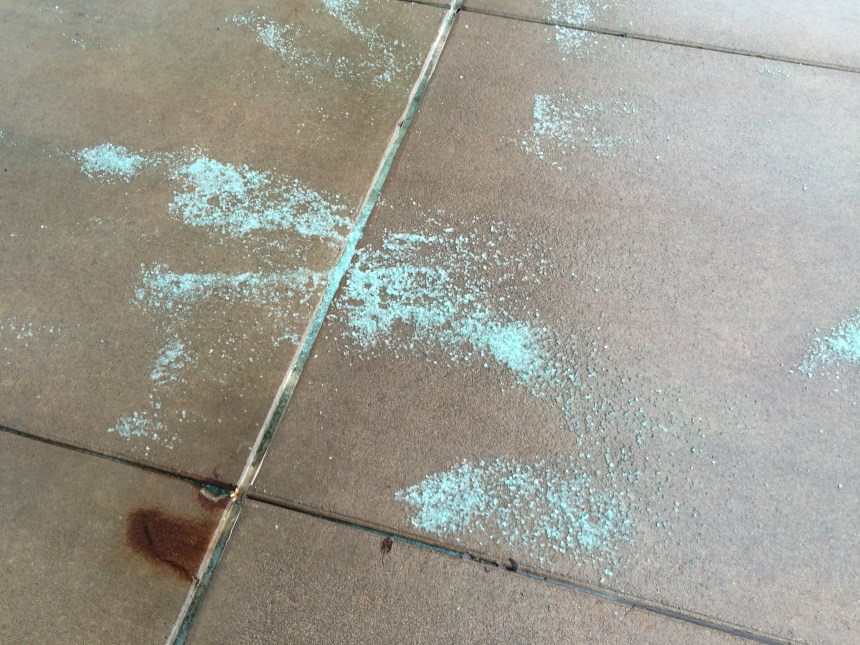
Help us track excessive salt use: Every winter, we field dozens of calls and emails from residents worried about salt pollution. We’ve now created an online form where you can report specific locations so that we can follow-up and mail these businesses and organizations information about winter salting best practices: tinyurl.com/toomuchsalt25.
Request a salt watch test kit from Izaak Walton League to measure the salinity of a stream or wetland near your home: www.iwla.org/water/stream-monitoring/salt-watch

If you hire a winter maintenance contractor, encourage them to get SMART Salt certified through the Minnesota Pollution Control Agency: www.pca.state.mn.us/business-with-us/smart-salting-training. Upcoming trainings include:
- Jan. 28: Liquid deicer refresher
- Jan. 31: Community leaders workshop
- Feb. 4: Property management certification
- Feb. 11: Roads certification
- Feb. 13 or March 6: Parking lots and sidewalks certification
Want to learn more? Check out the Winter Salt Week daily webinars led by experts across the US and Canada to learn more about the issue and solutions: www.wintersaltweek.org.

 East Metro Water