
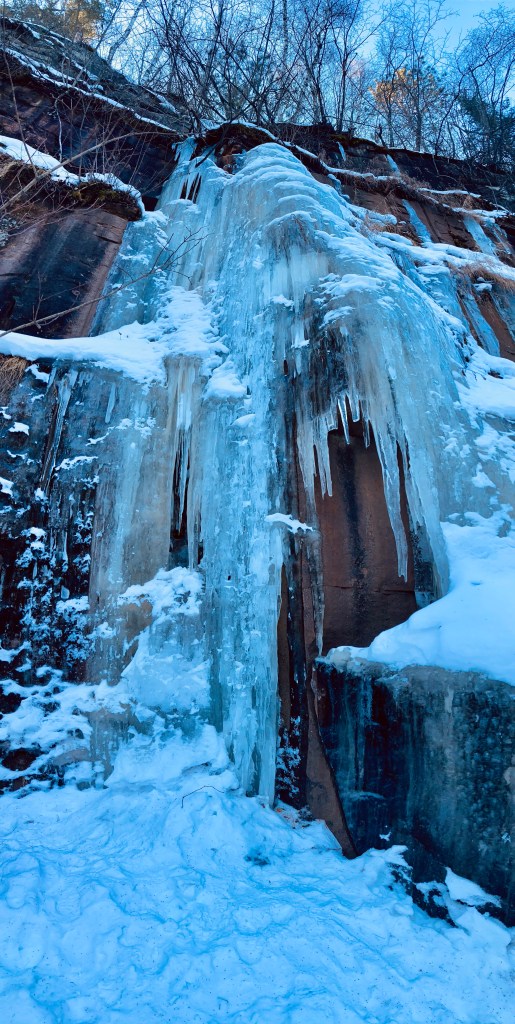
If you travel north to Banning State Park in the middle of the winter and scramble down to the Quarry Loop trail, you’ll find a frozen fairytale kingdom with towering cliffs of ice looming over the Kettle River. Another set of icy cliffs can be found a little ways further south in Banning at Robinson Quarry Ice Park. Nearby in the town of Sandstone, there is an ice festival every January, with climbers trying their luck on these cold and perilous cliffs. If there is one thing we are good at in Minnesota, it’s finding creative ways to have fun in the winter!
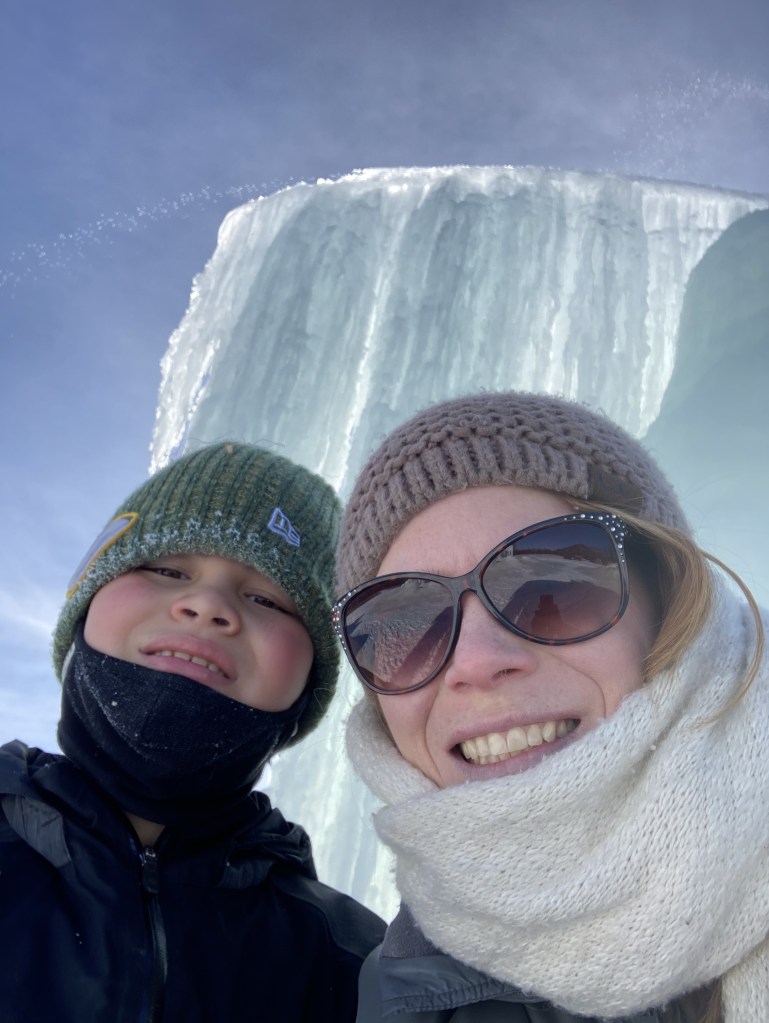
The St. Paul Winter Carnival kicked-off over the weekend and has numerous events continuing through Sunday, Feb. 2. Less dangerous than scaling an icy cliff but still very fun to explore are the snow maze, snow mountain play area, and snow sculpture viewing at the Vulcan Snow Park, located the Minnesota State Fairgrounds (free). The fairgrounds are also home to this year’s Minnesota Ice Castles, which includes slides, caverns, tunnels, and ice sculptures ($12-24 reservations required).
For a more active experience, the City of Lakes Loppet Winter Festival takes place Feb. 1-2 in Minneapolis and includes skiing, snowshoeing, orienteering, and other events. Lastly, though it be across the river in Wisconsin, the ice sculptures on Roger Nelson’s farm in Maiden Rock (N2696 Cty. Rd. A) are truly spectacular. Nelson owns a 420-acre farmstead along the Rush River and has made a hobby of harnessing water from the artesian springs on site to create fantastical monoliths of ice.



As beautiful as ice may be, it’s power is also sometimes unwanted. During the winter and early spring, many large lakes in Minnesota experience a phenomenon known as “ice heaving” or “ice jacking.” Ice heaves begin when cracks form in the ice, allowing water from above and below to enter. When the water in the cracks freezes, it causes the ice sheet to expand. Warming air temps cause the ice to expand even further, until eventually, it pushes up onto the shoreline. Ice heaves are especially common in years like this when there is minimal snow cover.
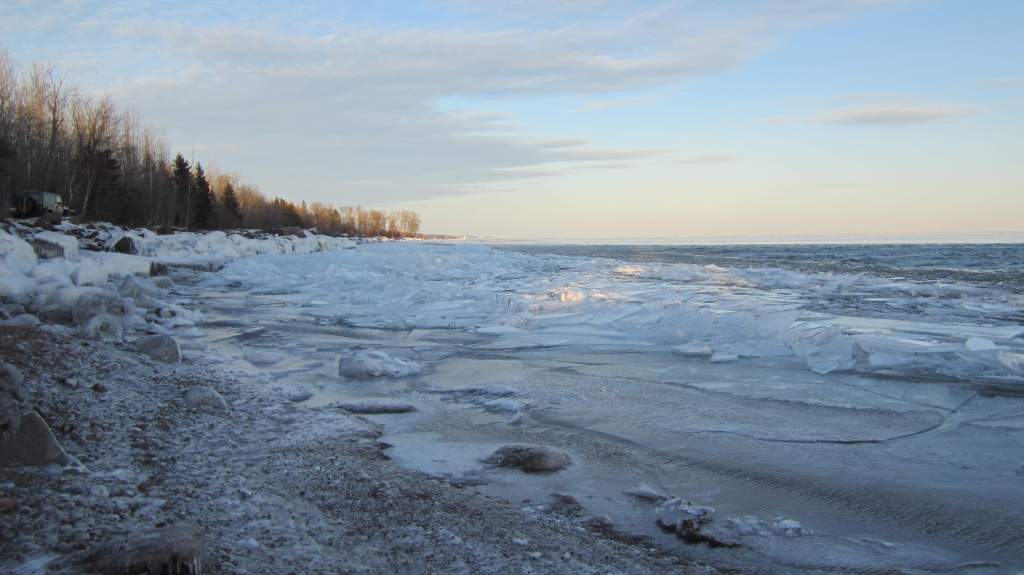
On large lakes like Mille Lacs, ice heaves can sometimes be so powerful that they shove mountains of snow into surrounding homes. Even along smaller lakes like Big Marine, White Bear, and Forest, however, the ridges can damage sea walls and other built structures on the shoreline.
Though ice heaves can be problematic for shoreline landowners, there is no way to prevent them from happening. If you have a cabin or lake home, be cautious of shoreline contractors that promise a quick fix with piles of riprap and hard armoring. This type of hard-scaping destroys sensitive shoreline habitat needed by fish, turtles, loons, and other wildlife. In addition, though it should go without saying, NEVER pour salt onto ice heaves, as salt is toxic to freshwater fish and plants (I’ve heard reports that this has been happening on some Minnesota lakes). In addition, the Minnesota DNR requires a permit to remove or grade ice ridges on your property, except under specific conditions.
If you are considering grading to correct an ice ridge this spring, contact the Washington Conservation District and your local watershed district for advice first, as repeatedly grading or cutting ice ridges can cause your shoreline to recede over time: www.mnwcd.org/site-visit-signup-form.


An ecological approach to ice ridges uses native plants or bio-engineering to stabilize the shore naturally. The combined root structures of trees, shrubs, native upland plants, and wetland aquatic plants can resist ice action and minimize the formation of ice ridges. Or, if you already have ice ridges, planting native shrubs like red-osier dogwood, elderberry, and chokeberry will create over-hanging shade for fish, as well as food, cover and nesting habitat for songbirds.
Enjoy the first weekend of February and have fun playing in the snow and ice!

 East Metro Water
as always, great info on an important topic. Frequently, people who live on the water are concerned about how to preserve its quality. I loaned out my copy of Darby Nelson’s “For the Love of Lakes”…great resource on these topics. I noticed it seems your dates for Mpls Loppet did not extend to next weekend when we get to walk among ice sculptures on Lake of the Isles, the Luminary Loppet. This Saturday evening. Big party from dusk to . . .
LikeLiked by 1 person