
Spring means it’s time to turn out the lights
Like prehistoric travelers through time, the sandhill cranes are flying overhead, calling out to feathered friends ahead and down below. After spending their winter in Florida (literal snow birds, they are) these giant birds are returning to Minnesota and Wisconsin, where they’ll spend the warm weather months in fields and wetlands. The cranes are not only large – five feet tall, with wingspans nearly seven feet – but also ancient, with fossils dating back at least two million years. In Anishinaabe culture, the crane clan represents wisdom and equal communication for all.

Of the 240 species of birds that nest in Minnesota, only about 20 remain here year-round. The rest migrate south in search of open waters, insects, berries, and other good things to eat. March not only marks the beginning of snowmelt and maple syrup season, but also the return of the birds.
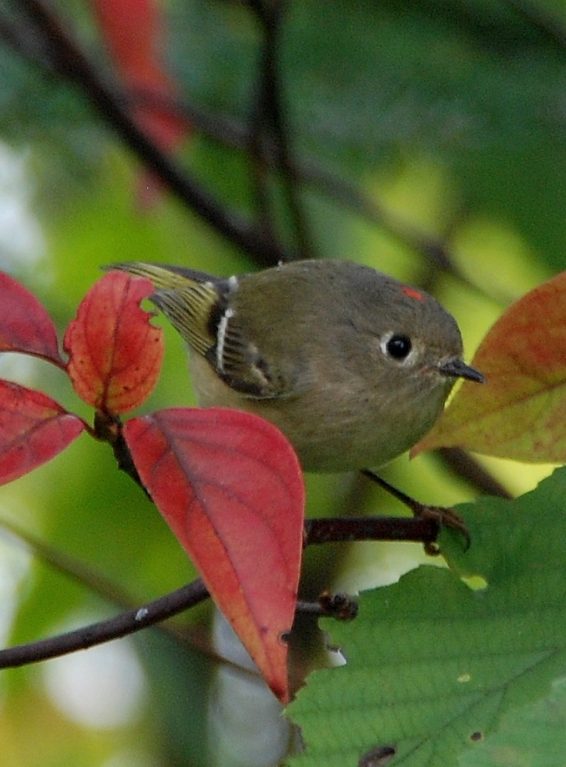
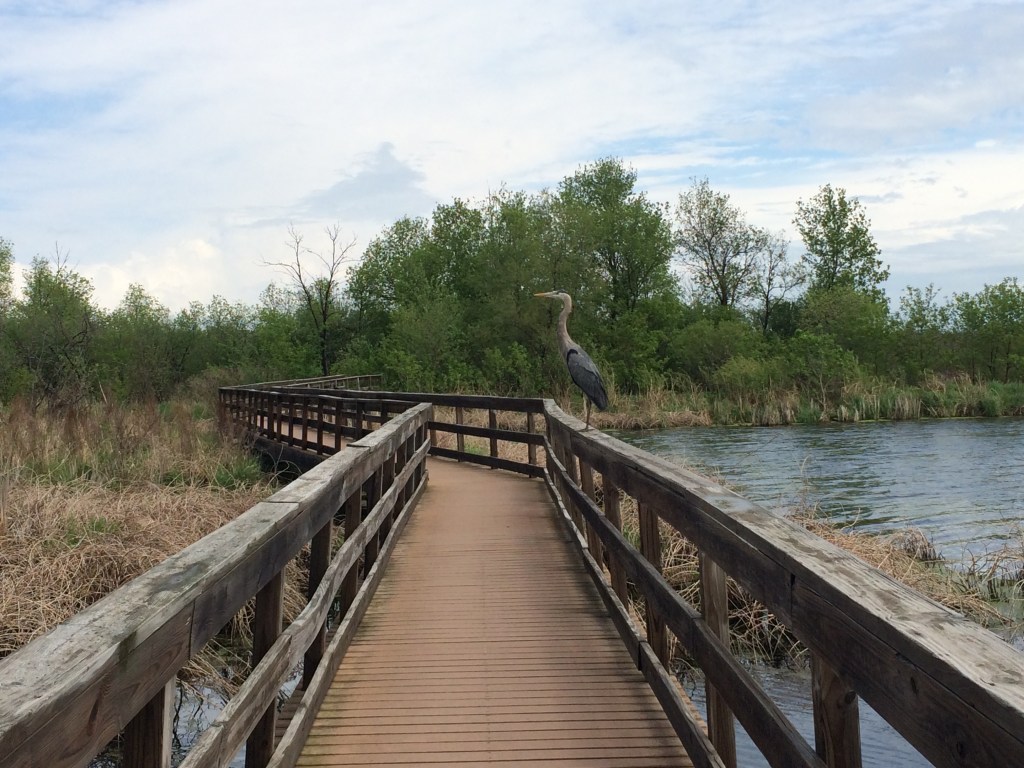
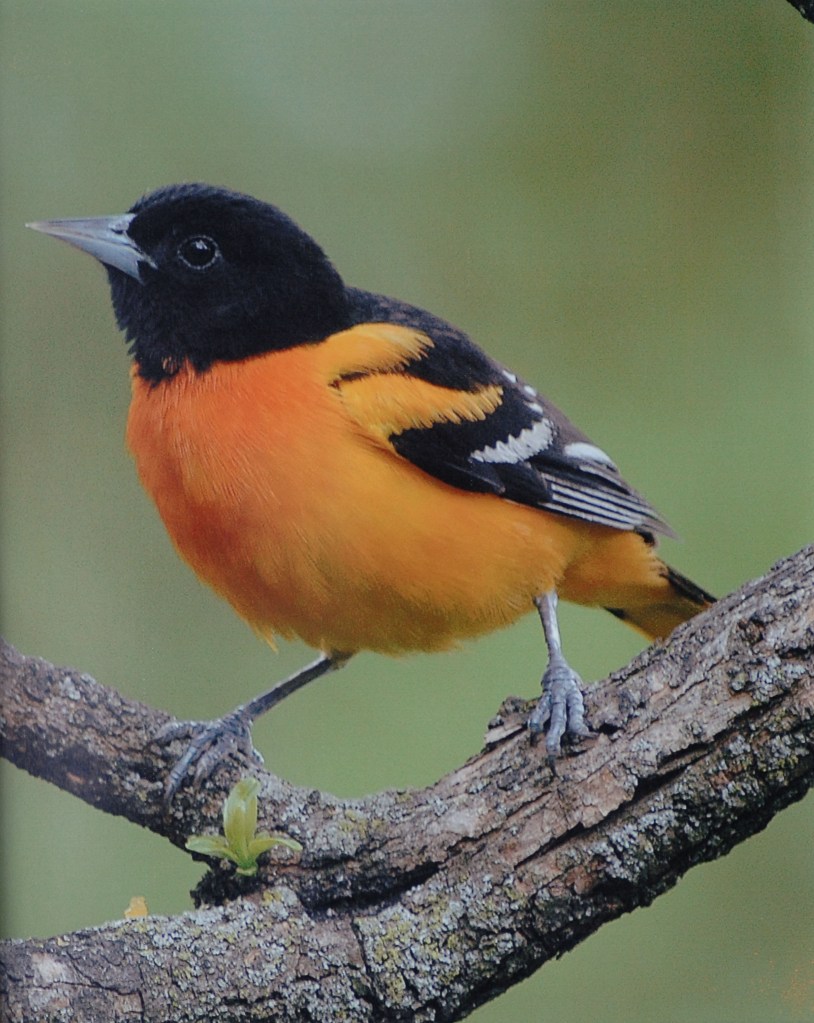
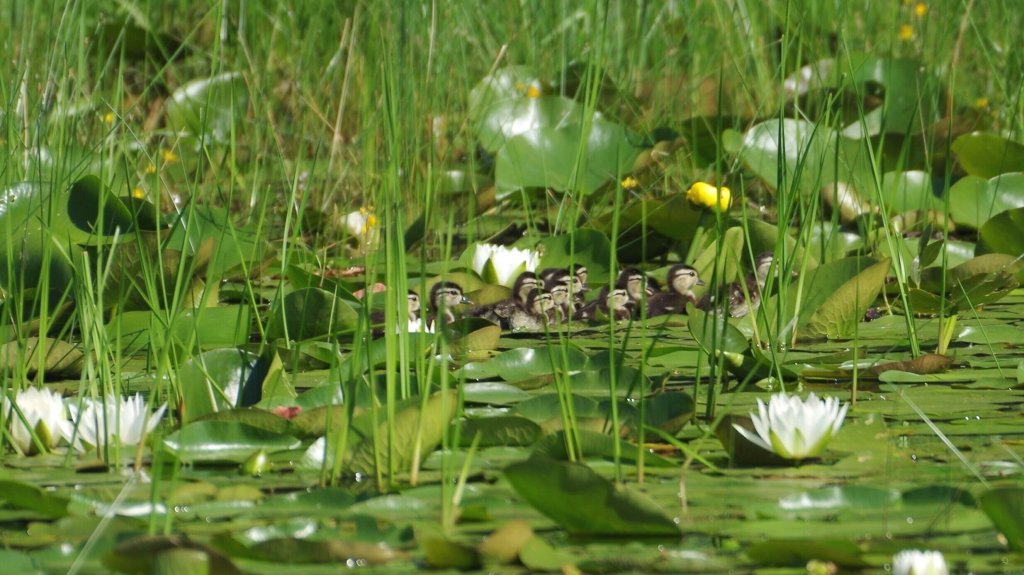
Currently, an estimated 41,100 birds are crossing Minnesota every night (birdcast.info). By the time we reach peak migration in mid-May, there will be roughly 18 million birds flying across Minnesota’s skies every night. Some of the first birds to return in March include Canada geese, wood ducks, Eastern bluebirds and bald eagles. The next wave brings American robins, red-winged blackbirds, sandhill cranes, and great blue herons. Later, in April, we’ll begin to see songbirds like yellow-rumped warblers and ruby-crowned kinglets. In May, orioles, tanagers, and other species of warblers that spend their winters in South and Central America and have the furthest distance to fly, will finally complete their long journey home.
Though it might not seem intuitive, there is one very important and easy action you can take to protect birds during their spring and fall migration, and that is to turn out the lights.
Most birds in North America are migratory and 80% of those birds migrate at night. Unfortunately, outdoor lights and lights on tall buildings can pull birds off course, causing them to collapse from fatigue or even fly into buildings. In fact, a study in the Proceedings of the National Academy of Sciences found that hundreds of millions of birds die every year from nocturnal collisions with buildings.

The Lights Out Program, sponsored by the National Audubon Society, encourages people to turn off non-essential lights from at least 11 pm to 6 am during migration season (March 15 to May 31). This includes outdoor landscape and patio lighting in residential and commercial areas, as well as interior lights in tall buildings. In the Twin Cities, dozens of skyscrapers in Minneapolis and St. Paul participate in the Lights Out Program, including the Bremer Tower, Securian Financial, IDS Center, and Wells Fargo, as well as numerous businesses in the surrounding suburbs.
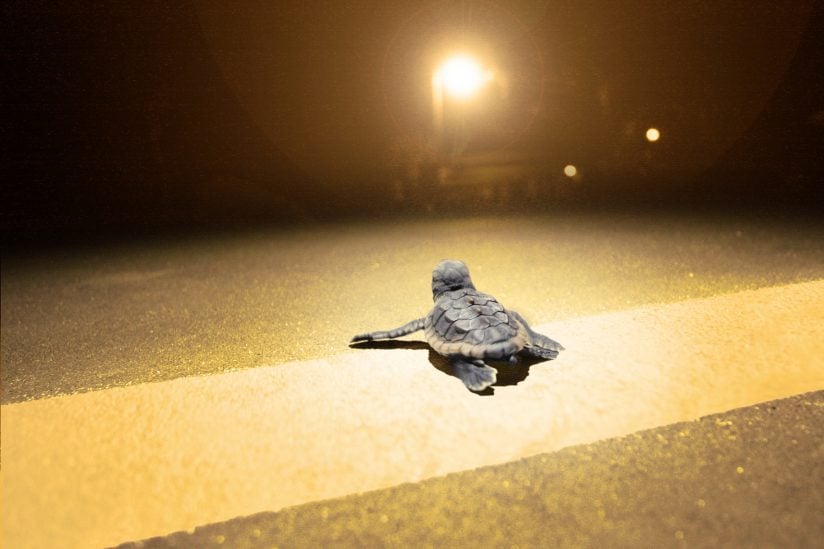
DarkSky International, a citizen-led organization with more than 70 chapters worldwide, lists numerous other reasons for us to care about light pollution. In addition to steering birds off course during their migration, excessive lighting also interferes with the mating rituals of frogs and toads and can even lure baby sea turtles inland toward houses and street lights, instead of out to the ocean where they belong.
In the United States, we use an estimated 120 terawatt-hours of energy per year on outdoor lighting (enough to power New York City for two years) and waste at least 30% of that with fixtures that aren’t shielded to direct the illumination downward. We’ve become accustomed to the tell-tale glow of populated communities at night, but the reality is that 99% of Americans aren’t able to experience a natural night sky with stars, planets, and galaxies the way our ancestors did for thousands of years. Perhaps worst of all, studies show that streetlights and outdoor lighting don’t actually prevent accidents or crime – they just cost a lot of money. Most property crimes occur during the daytime, and poorly designed exterior lighting can actually create a glare effect that makes it harder for our eyes to acclimate to the dark and see objects or people that are nearby in the shadows.
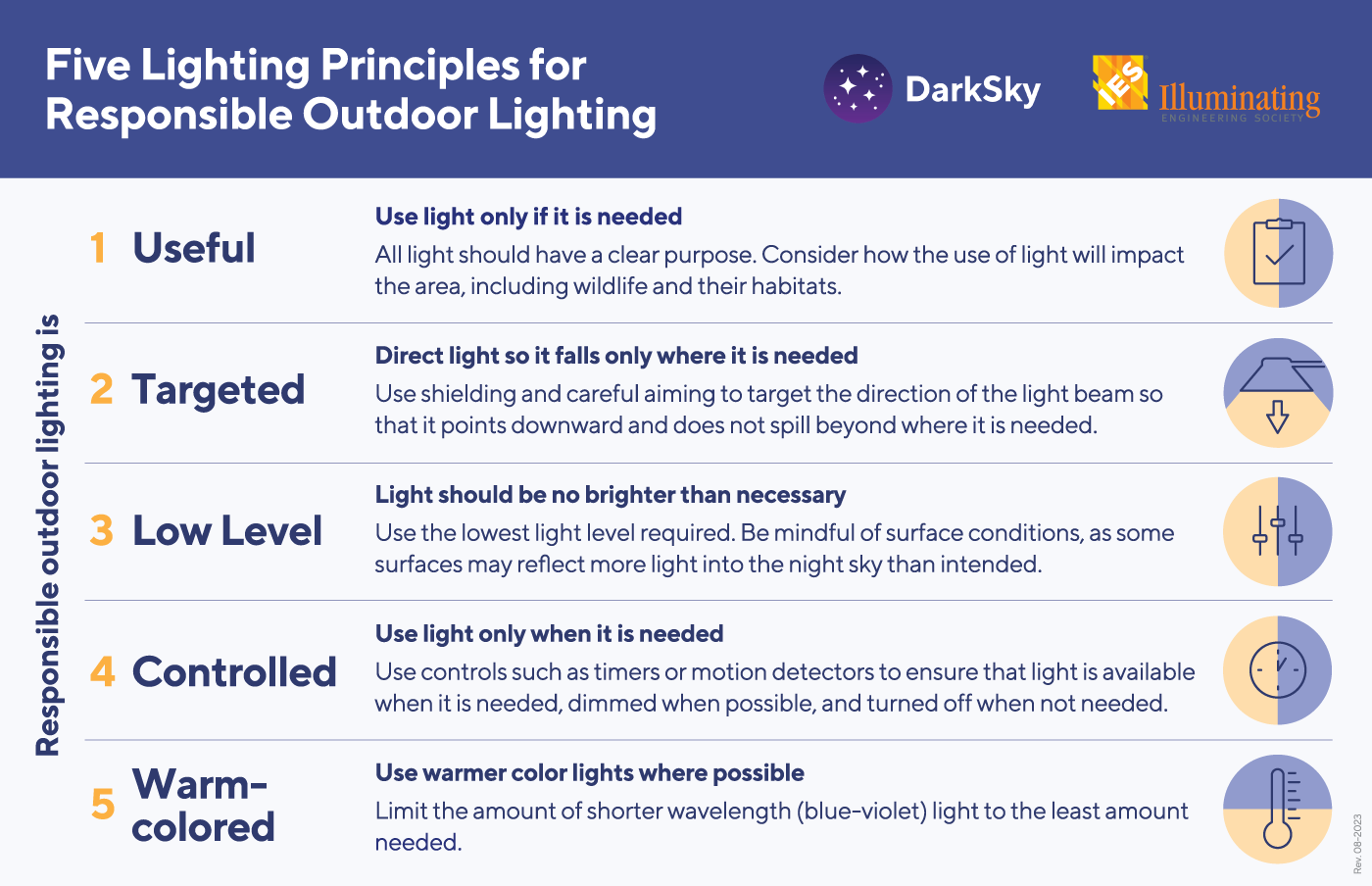
To help ensure darker skies for birds, wildlife, and your fellow star-lovers, here are a few things you can do. Avoid using landscape lighting near trees and gardens where birds may be resting and close your blinds at night to reduce the amount of light emitted from windows. For security lights, switch to a motion-activated light instead of leaving the lights on all night, and install shielded lights that direct the light down toward the ground, instead of creating a blinding halo effect.
Then sit back, enjoy the sounds of sandhill cranes and trumpeter swans, and welcome back the spring.

 East Metro Water