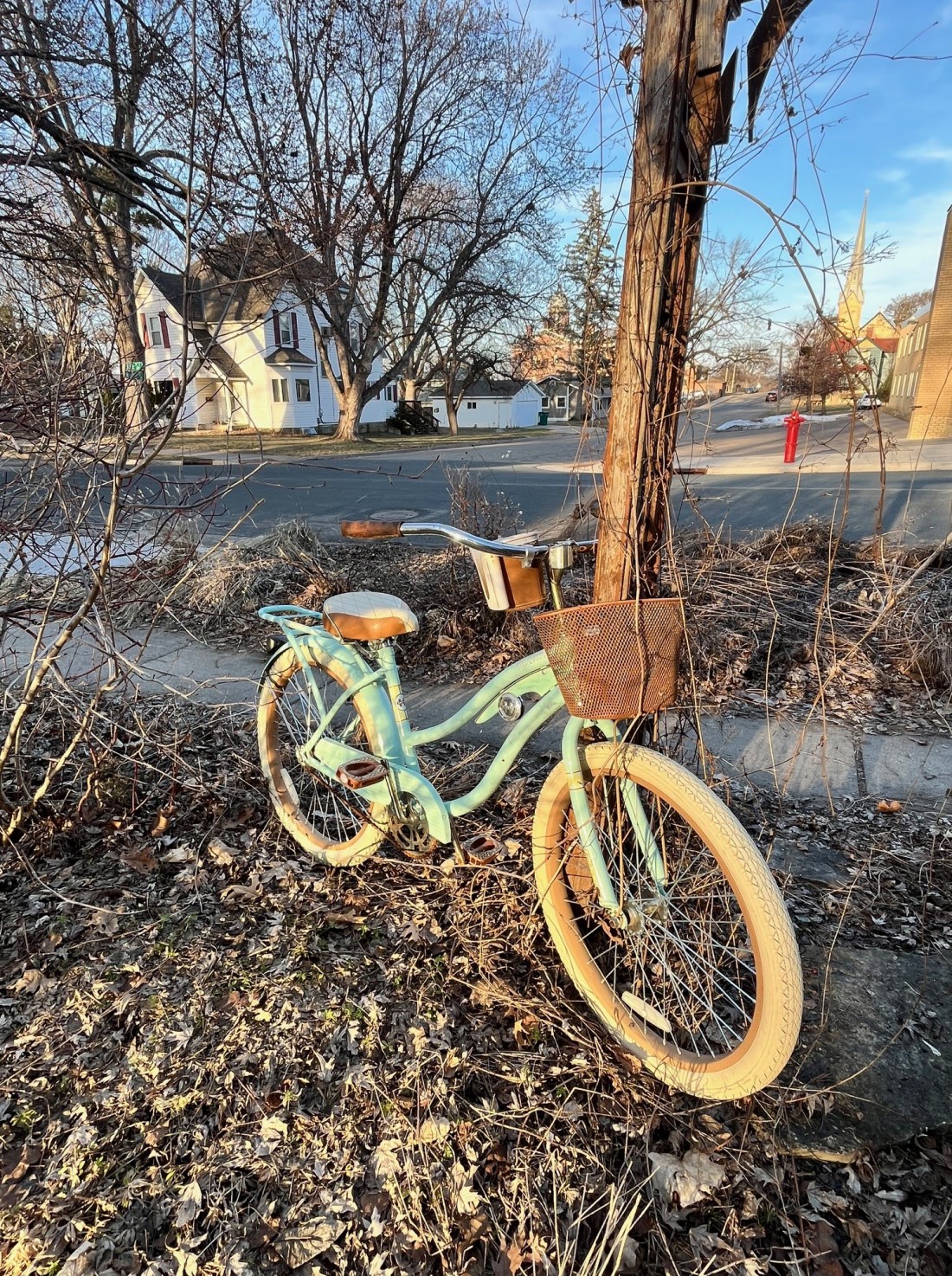
When the snow finally melts in early spring, it’s tempting to begin tinkering with our lawns and gardens. If I could give you one word of advice to guide your yard care activities during the month of April, it would be “wait.” Wait to rake and fertilize your lawn, wait to trim branches or dig near oak trees, and wait to cut back your native gardens. I hereby give you permission to wait. Instead, sleep in, leave the garden beds unmade, and enjoy the leisurely unfolding of spring.
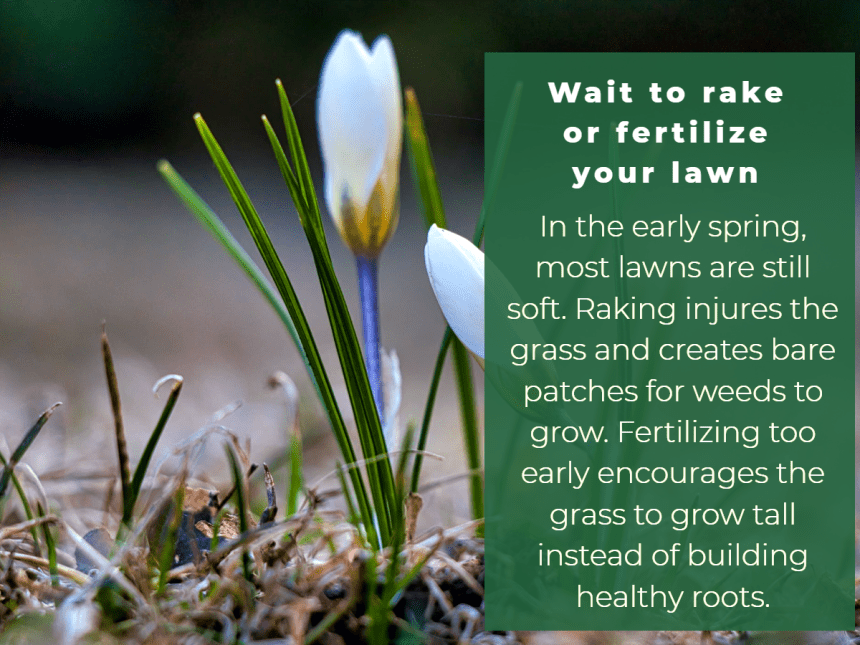
In early April, lawns are soft and easily injured by raking and other activities. Disturbing the soil now can create bare patches where weeds will grow. In addition, your turf grass needs time to fully emerge from dormancy. Fertilizing too early encourages the grass to grow tall instead of building healthy roots that provide drought tolerance during the summer. If you have an irrigated lawn, strive for three applications of slow-release nitrogen fertilizer per year – one at first mowing, one around Memorial Day, and one at Labor Day. For low-maintenance, non-irrigated lawns, one application of fertilizer at Labor Day should be sufficient. Note that Minnesota law requires zero-phosphorus fertilizer unless you’re establishing a new lawn or conduct a soil test and determine that your soil has a nutrient deficiency.
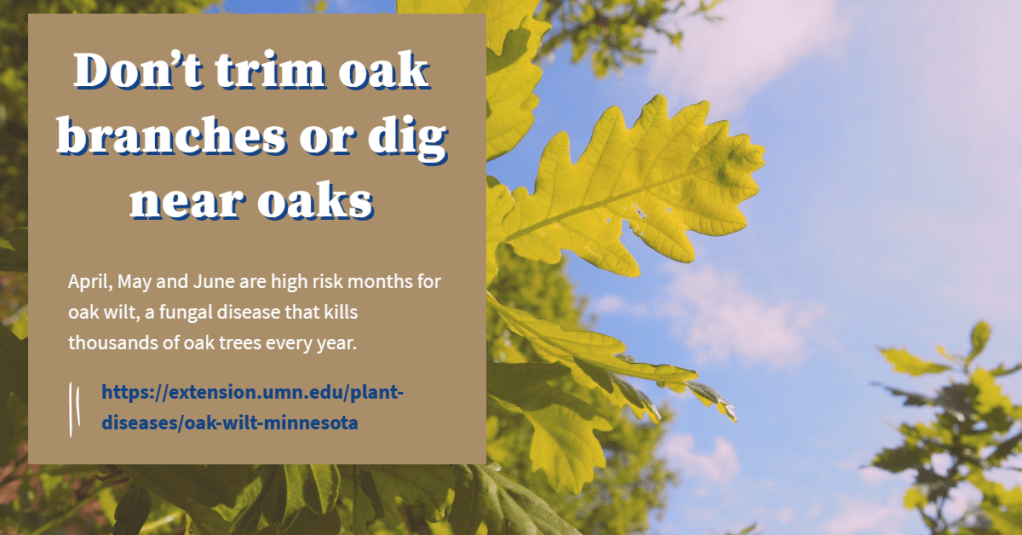
April, May and June are also high risk months for transmission of oak wilt, a fungal disease that kills thousands of oak trees each year. For this reason, it’s important to avoid trimming oak branches or digging near oak trees during the spring. If you must cut hazardous branches, immediately apply a tree wound paint or shellac to the cuts to reduce the risk of infection.
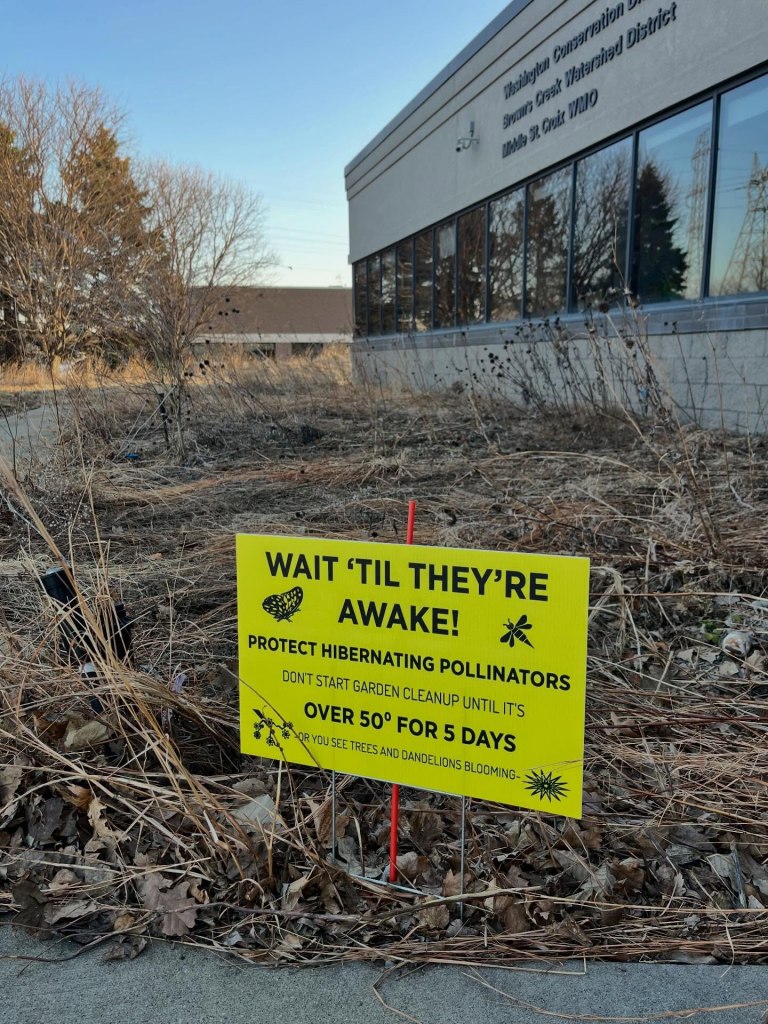
Finally, if you have native gardens, I encourage you to wait until it is consistently above 50°F throughout the week (or the apple trees are blooming) before you cut back senesced growth from last year’s blooms. This will help butterflies, bees, and other beneficial insects that have overwintered on or in the stems of plants, as well as salamanders, toads, and other small animals that are nestled beneath the leaves at the bottom of your gardens. If you’re feeling particularly antsy about the messiness of your gardens, you could also gather up the fallen stems and stack them loosely in a back corner of your yard to give beneficial insects more time to emerge.

Once we move from April into May, your native gardens will be happier if you remove at least some of last year’s old growth. Historically, prairies and oak savannas evolved in conjunction with periodic fire and grazing from large herbivores. If you have a small native garden in your yard, however, it’s usually not practical to conduct a prescribed burn. Nor will you have bison or elk strolling through your neighborhood and nibbling down the plants. Instead, removing some of the accumulated biomass in spring replicates the impact of grazing and prevents too much nitrogen from building-up in your gardens.
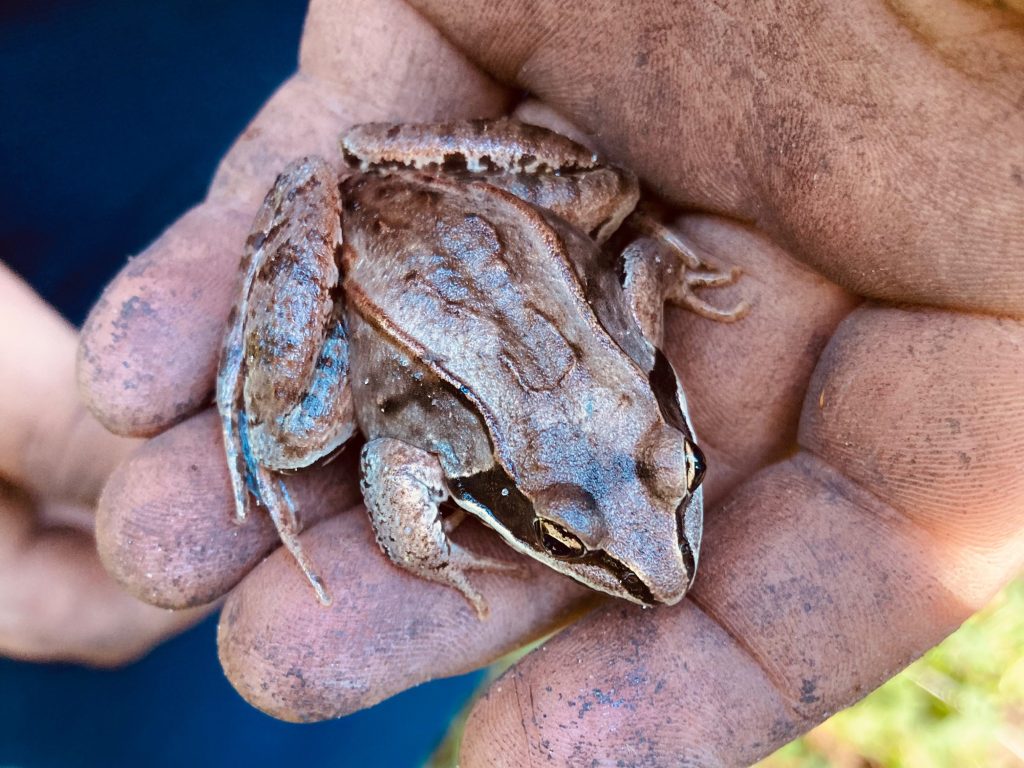
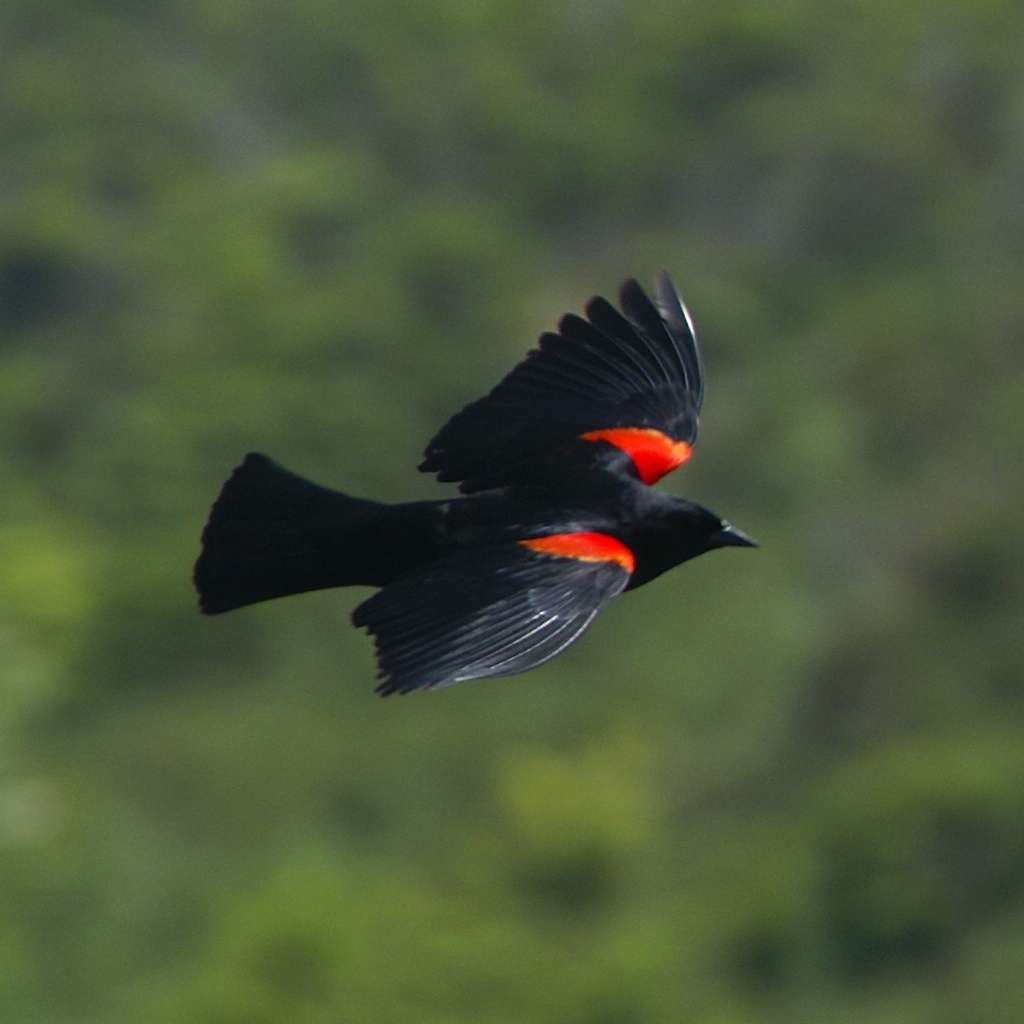
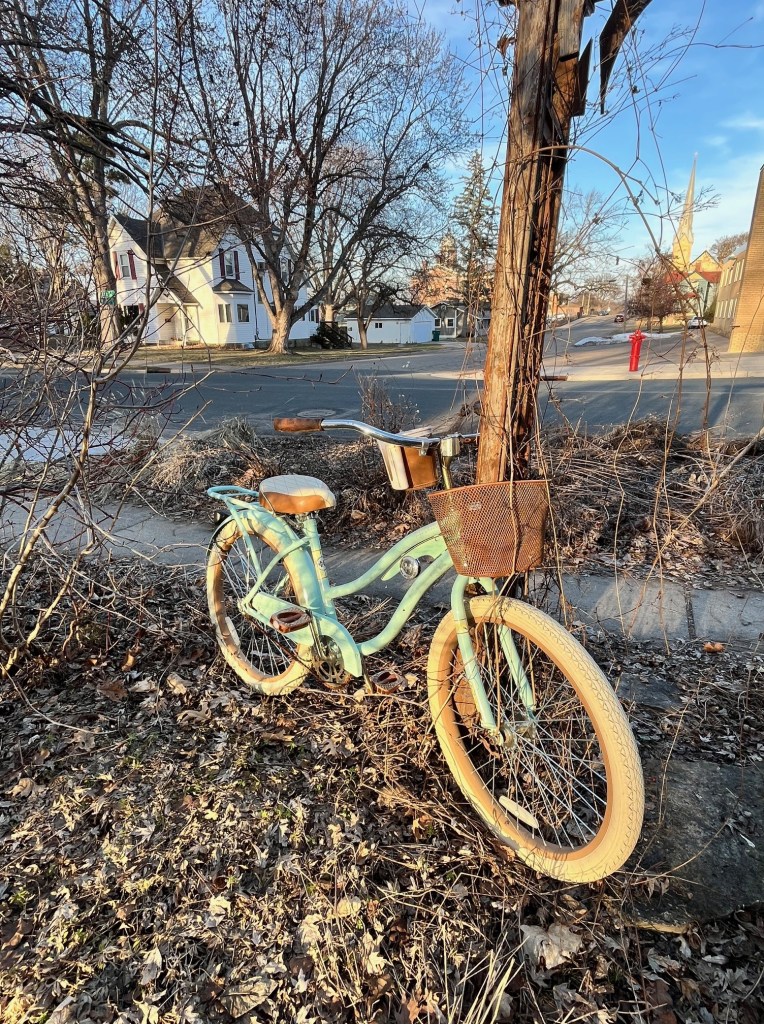
Wondering what to do with all your newfound time? April is a great month to take up birding or practice learning frog calls. Some of the birds that have recently returned to Minnesota include sandhill cranes, trumpeter swans, mallard ducks, and red-winged blackbirds. In the wetlands and lakes, wood frogs, chorus frogs, spring peepers, and northern leopard frogs are actively calling while looking for mates. Early spring is also a good time to tune-up your bike, fix your leaky garden hoses, and take down the last of your holiday lights!

 East Metro Water