
“We have a lot wet backyards,” says Jean, a Woodbury resident who lives in a homeowners association (HOA) built in 1998. “It is all either water, weeds or grass. Nothing else.”
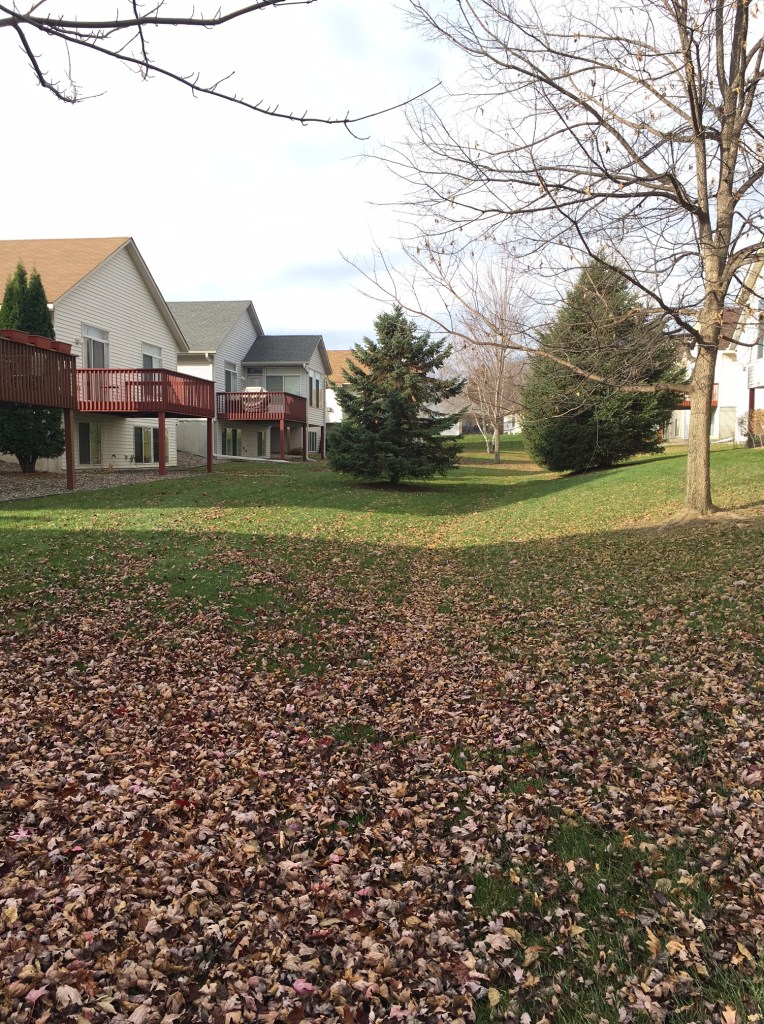

“Part of the problem was that we didn’t know what we had when we moved in,” adds husband Steve. Their HOA paid $15,000 to rearrange irrigation controllers and also installed rain sensors and rain gauges to avoid wasting water. Replacing lights with LEDs and trimming trees has been another expense. “When I look at pictures [of raingardens], I wonder how much they cost to maintain. It may be visually attractive, but it doesn’t matter if it’s too hard or too expensive to maintain.”
Homeowners associations are private associations formed by real estate developers, with long-term governance and operations transferred to residents once construction is complete. This quasi-governmental structure first began to proliferate in the 1960s during the rise of American suburbs, and has become increasingly common across the United States in subsequent decades. According to statistics from iProperty Management, there are 7,725 HOAs in Minnesota and nearly 27% of the state’s population lives in an HOA.

Many HOA residents appreciate the uniformity of these communities, as well as having shared outdoor common spaces, and reduced outdoor maintenance responsibilities for individual residents. On the other hand, HOA communities often struggle to budget for and properly maintain stormwater and green infrastructure practices such as ponds, raingardens, conservation easements, and native plantings. In fact, as Jean and Steve’s experience demonstrates, even irrigation, lawn care, and snow and ice removal can be challenging to manage collectively.
“People are interested but get distracted easily,” says LeAnn, an HOA board member in Stillwater. “They don’t come to the board meetings but then you hear from them when things go badly.” HOAs that cater to older residents face additional challenges. “We have an aging population, so it’s harder to get them to volunteer than it used to be,” says Jerry, an HOA board member in Woodbury. Dave, who also lives in Woodbury, notes that one-third of the residents in his HOA community are snowbirds who are absent for part of the year.
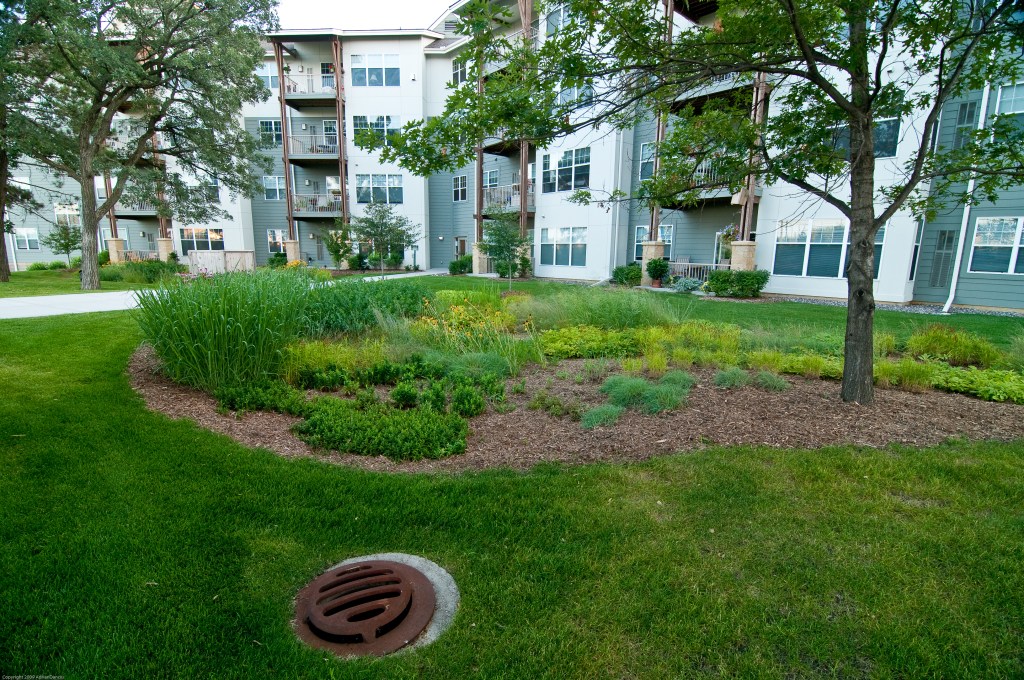
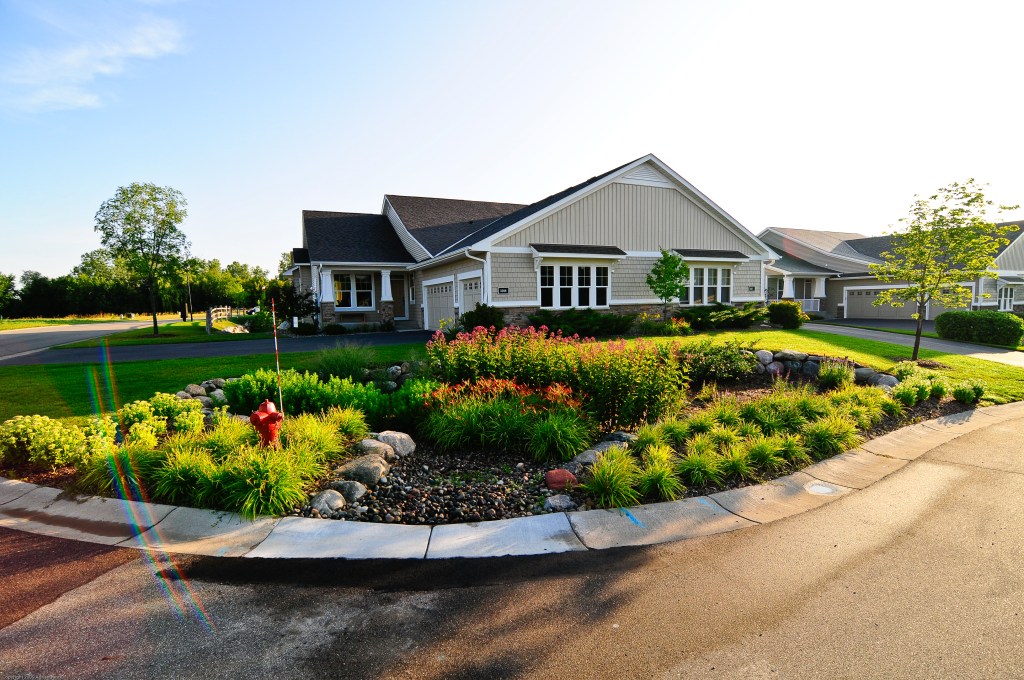
In addition to frustrating HOA board members and residents, stormwater and green infrastructure maintenance can also create problems for cities and watershed organizations. Lawn chemicals and winter salt can harm wildlife and water quality if over-applied. In addition, stormwater ponds, raingardens, and conservation easements play a critical role in protecting area lakes, rivers and wetlands from runoff pollution. In most cases, watershed permits require these practices to be installed during construction and HOA covenants stipulate that they be properly maintained in perpetuity.
In a 2018 survey of stormwater professionals in Minnesota, 76% indicated that HOAs are a priority audience for education and outreach, and numerous survey respondents spoke to the challenge of working with these communities. “Each [HOA] is different and most are not well-organized. They have their set way of doing things and there is usually limited contact information. It is difficult to find the right people to speak with that make decisions on lawn maintenance and snow removal.”
Currently, Washington Conservation District is seeking input from HOA board members and property managers to learn more about their knowledge, behavior, barriers, and motivations related to stormwater and green infrastructure maintenance. An online survey is open to anyone in Minnesota, and staff are also working with Wilder Foundation to hold online focus group sessions with HOA board members in early January 2024. Information gained through the survey and focus groups will be used to develop new resources, tools, and information delivery strategies to better support HOAs. The project is funded by the Minnesota Sea Grant College Program with funds from the National Oceanic and Atmospheric Administration, and the Minnesota Water Resources Center, in partnership with the Minnesota Stormwater Research Council and the Minnesota Clean Water, Land and Legacy Amendment.
If you live in an HOA, head to www.mnwcd.org/hoa-stormwater-tools to take the survey, sign-up to participate in a focus group, and find additional resources about stormwater management.

 East Metro Water
Stormwater and green infrastructure maintenance is definitely a blind spot for many HOAs. Education, resources, and clearer guidance are urgently needed to help boards manage these critical systems effectively.
LikeLike