
If you wake up in the middle of the night, drive out into the middle of nowhere, navigate a dark and snow-covered path without a flashlight, and sit shivering in a wooden blind for several hours, you might get to see a bunch of chubby birds perform a really silly dance. Sharp-tailed grouse are well-known for their spring mating rituals, which involve males spinning around, dancing, stomping their feet, and calling from their leks in the hopes of attracting females. These plump, chicken-like birds were once so plentiful in Minnesota and Wisconsin that flocks were said to block out the sun. Like many grassland birds, however, their numbers declined precipitously as prairies, savannas, and barrens gave way to farms and houses.
Today, the remaining populations of sharp-tailed grouse live in northwestern and east-central Minnesota and northwestern Wisconsin, mostly on protected public lands. Sharp-tailed grouse enthusiasts can sign-up to view them dancing on their leks in April and May at the Namekagon Barrens Wildlife Area (near Hayward, WI) at www.namekagonbarrens.org. Visitors must sign a pledge and follow protocols when using the blinds, including arriving at least forty-five minutes before sunrise and remaining in the blind until the birds have left at the end of their displaying period. It is a unique, but cold, experience.

Whether or not you are dedicated enough to sit shivering in a blind, watching grouse dance, there a few simple things you can do at home to help create a bird-friendly landscape for our feathered friends.
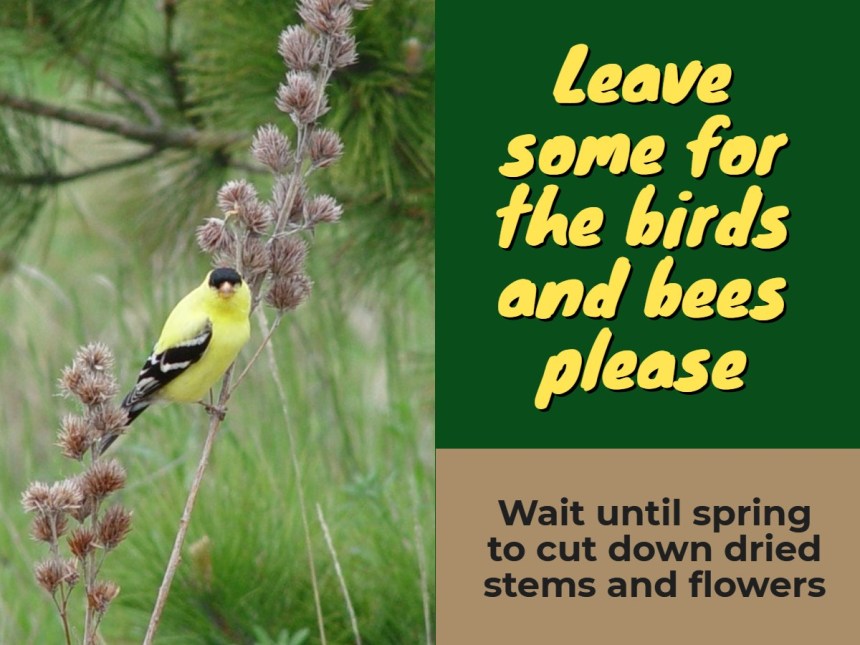
The first is to dedicate yourself to lazy landscaping strategies. Instead of cutting down dried stems and flowers in your gardens, leave them standing until the spring. The seed heads will provide food for birds during the winter and the hollow stems will create cozy winter homes for bees and beneficial insects.
Another great lazy gardening hack is to ignore standing and fallen dead trees on your property unless they pose a safety hazard. Birds like redheaded woodpeckers, chimney swifts, and barred owls will nest in hollow standing trees. Fallen trees provide shelter for songbirds, and can also create a perch for kingfishers, green herons, and egrets along the water’s edge. As an example, one local landowner witnessed an overnight transformation from simply placing a fallen tree along his Big Marine shoreline. “Within days, there was a green heron perching on the tree and bluegills swimming underneath,” Rich Burton says with a smile.

Next, you can turn off exterior decorative lighting, minimize security lighting, and turn off interior lights on upper floors during the fall migration to avoid drawing birds off-course when they’re flying at night.
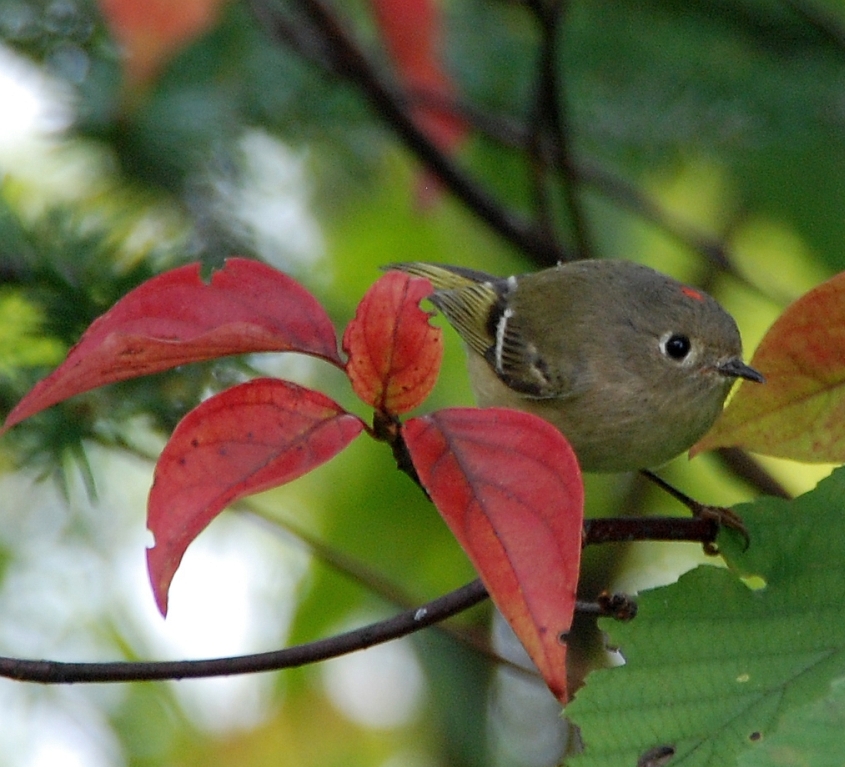
Finally, begin incorporating native trees, shrubs and plants into your yard and garden to provide food and shelter for birds. A few species to consider planting include: bur oak, white oak, black cherry, red maple, sugar maple, white pine, and hackberry (trees); chokecherry, wild plum, hawthorn, hazelnut, serviceberry, pagoda dogwood, red-osier dogwood, nannyberry, blackberry, and raspberry (shrubs); and columbine, wild geranium, bloodroot, tall meadow rue, little bluestem, butterfly weed, blazing star, big bluestem, Indian grass, marsh milkweed, joe pye, cardinal flower, blue flag iris, and blue lobelia (flowers). As an added bonus, these native perennial plants are drought tolerant and well-adapted to our Minnesota climate.
Ready to get started on a bird-friendly native landscape? The Washington Conservation District has numerous resources online, including plant lists, downloadable garden designs, how-to videos, and recorded webinars. County residents can also sign-up for a free site visit during the spring, summer and fall – www.mnwcd.org.
Keep your eyes out as well for the Conservation District tree sale, which usually starts in December and is a great way to buy large quantities of trees at a low price for windbreaks and habitat plantings.
Finally, you can head to www.BlueThumb.org between now and November 30 to apply for a $400 Lawns to Legumes grant to help purchase native trees, shrubs, and flowers.

 East Metro Water