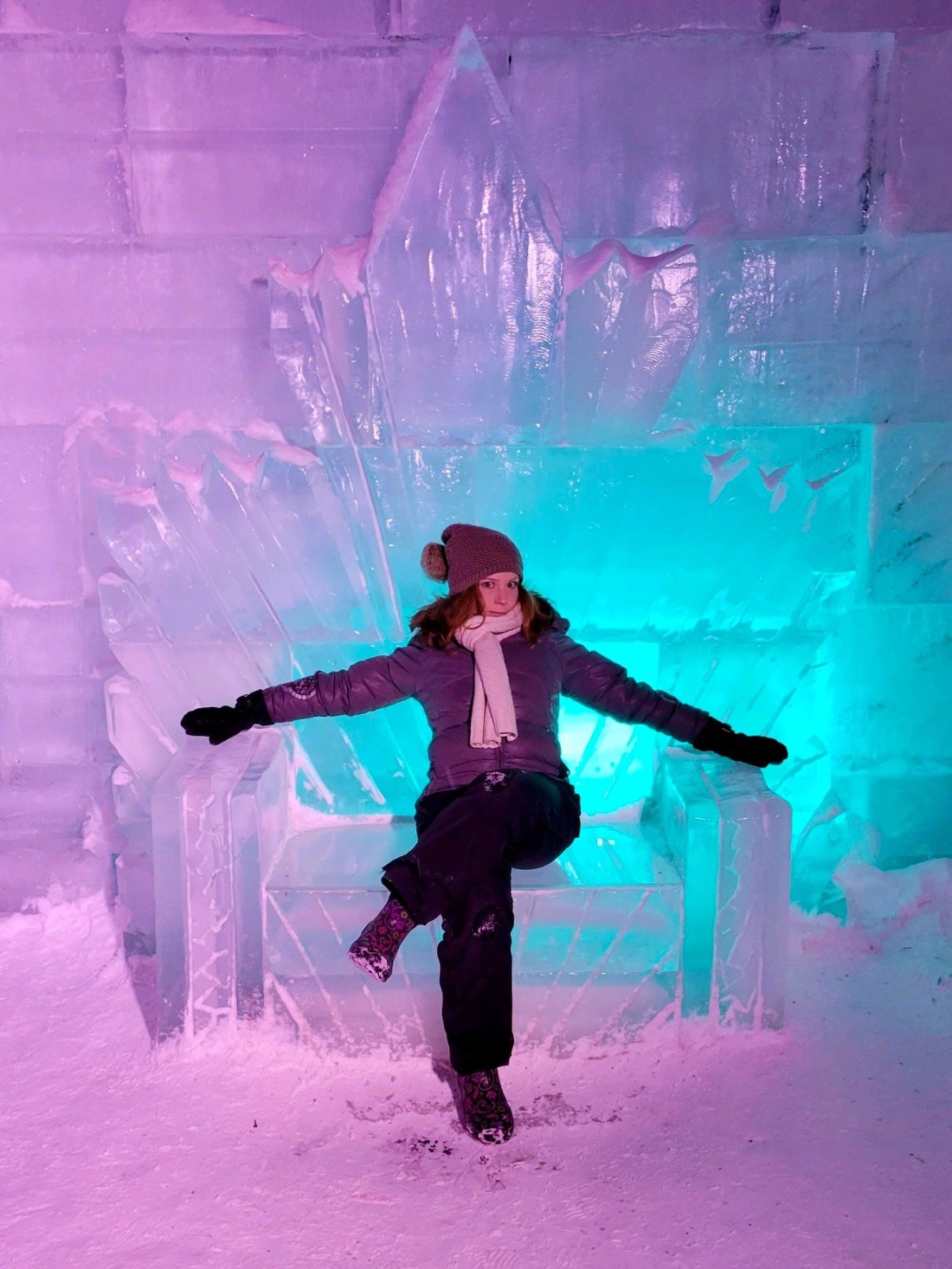
Once upon a time, I walked to school with my winter jacket casually unzipped. I wore earmuffs instead of a hat to protect the cascade of permed curls on my head, and carefully tucked my hands into the ends of my sleeves to avoid the need for mittens or gloves. I was already one of the top ten least popular kids in 7th grade, so I’m not sure why I thought my choice of winter clothing would make any difference, but I clearly and distinctly remember thinking that I would die of humiliation if I were to ever arrive at school with my jacket zipped up like a big ‘ol nerd.
Fast forward to my second year out of college. I was working as a seasonal naturalist at Dodge Nature Center in West St. Paul and was scheduled to teach a 1.5-hour class on animal tracking in the snow. I showed up to work wearing jeans (the only fabric that ever covered my legs), a winter jacket (I did zip it up), ear muffs (I’m not even kidding here), and mittens (I had at least progressed a little). I don’t remember what kind of boots I had on, but suffice to say, they were the wrong kind. I was absolutely freezing by the end of the class.

Later that week, I bought myself three items that have subsequently transformed my winter experience – a pair of snow pants, a pair of Steger mukluks, and a warm winter hat. Goodbye seventh grade style, hello being warm and actually enjoying my time outdoors! Now, twenty-five years later, I’m still wearing that same pair of snow pants and mukluks (the pants are on life support now) and I’ve picked up a few additional tricks for staying warm and upright during Minnesota’s winters.
My first piece of advice is to think carefully about your feet anytime you’ll be spending more than a few minutes outdoors during the winter. In addition to mukluks, my winter footwear collection includes a pair of insulated waterproof Bogs for walking in slush and wet snow, and a pair of everyday boots that I can wear on pavement and trails. Meanwhile, I reserve the mukluks for snowshoeing and snow-running. They have soft soles and are made of leather and cloth, which makes them very lightweight but also quick to wear-down when walking on pavement or salt. As a fun fact, designer Patti Steger wore her first pair of mukluks when participating in an Arctic Dogsled Expedition in 1982-83 and later founded a business in Ely, Minnesota to sell them to winter-loving people around the world.
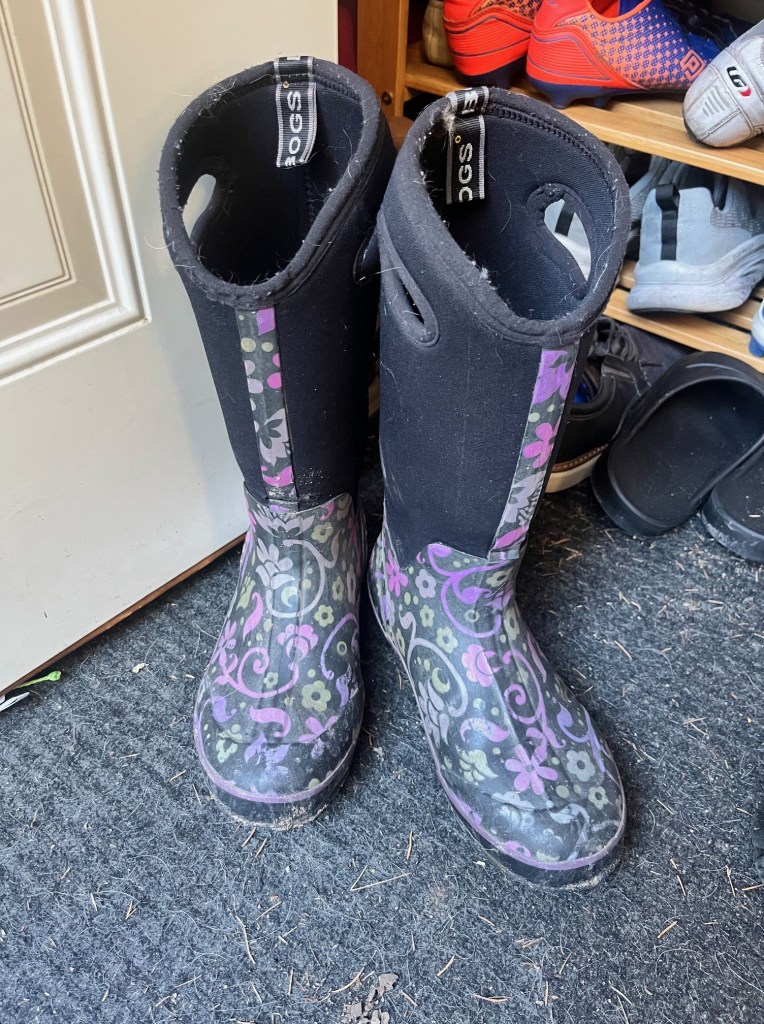
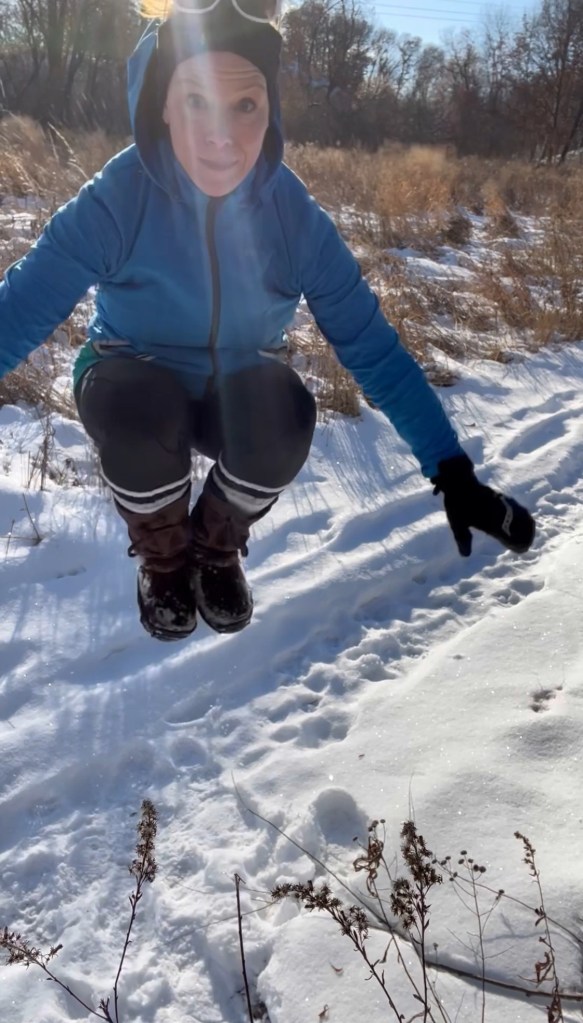
In addition to selecting the right boots, it is equally important to wear warm socks made from wool, alpaca, or synthetic fibers – NEVER cotton! Cotton absorbs moisture and stops holding warmth once it’s wet. Wool and synthetic fibers wick moisture and retain their insulating properties even when your feet start sweating. You should also avoid “doubling-up” on socks or wearing boots that are too tight, as this will restrict the blood flow in your feet and cause them to get cold more quickly. I also recommend purchasing a pair of slip-on tracks, cleats or micro-spikes to wear over your boots when walking on icy trails and sidewalks.
When it comes to pants, jackets, mittens and hats, I tend to be a cheapskate and I usually wear an assorted collection of items I’ve purchased from craft sales and clearance racks. That said, I can’t overstate the difference it will make to wear a pair of snow pants or coveralls over your pants when you head outdoors in the winter. After all, your legs need a jacket too! Wearing snow pants will keep your thighs from freezing and will also keep the bottoms of your pants dry when snow flips up off your heels onto the backs of your legs. As an added bonus, you can sit down and kneel in the snow without worrying about getting your legs wet and they provide an extra cushion if you slip and fall.
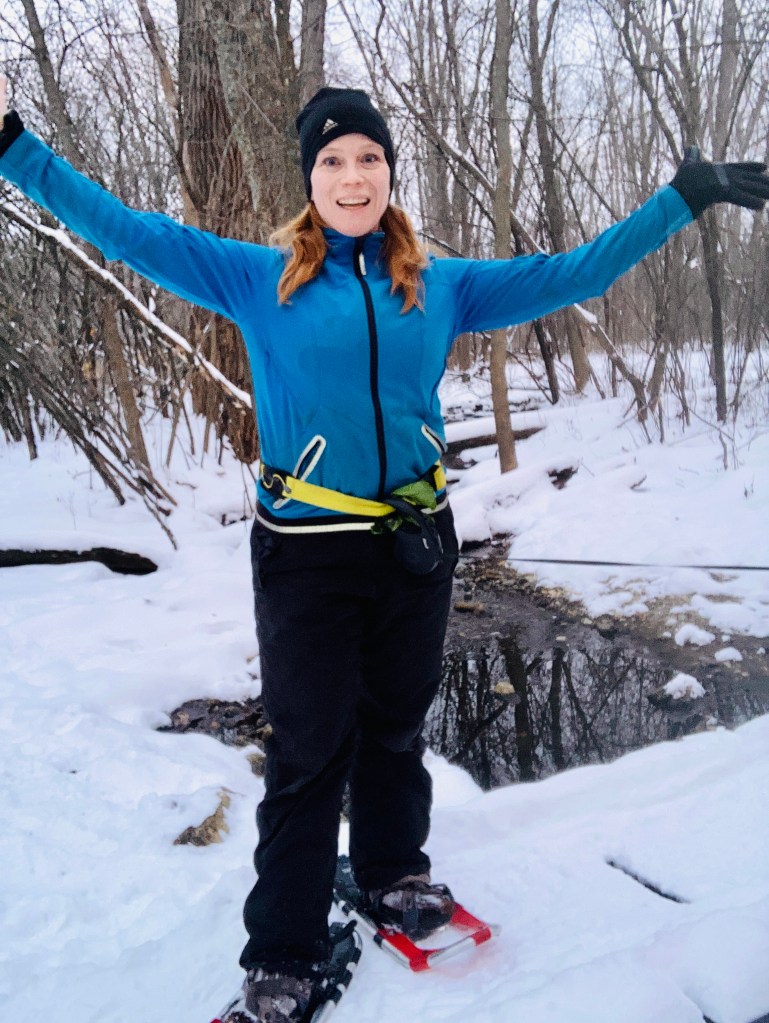
Lastly, if you’ll be doing something active like walking, running, skiing or snowshoeing, avoid wearing heavyweight clothing that will cause you to overheat. Instead, it’s better to dress in light layers (think athletic style clothing) so you can cool-off quickly if you start to sweat. This makes it easy to put the outer layers back on again when you get cold without ending up freezing in sweaty, wet clothes.
As you head into the upcoming winter break, take some time to enjoy the beautiful parks and trails in our local area (properly dressed in warm weather clothing, of course!). And, if you know a middle school child, make sure they know that only nerds walk to school with their jackets unzipped.

 East Metro Water