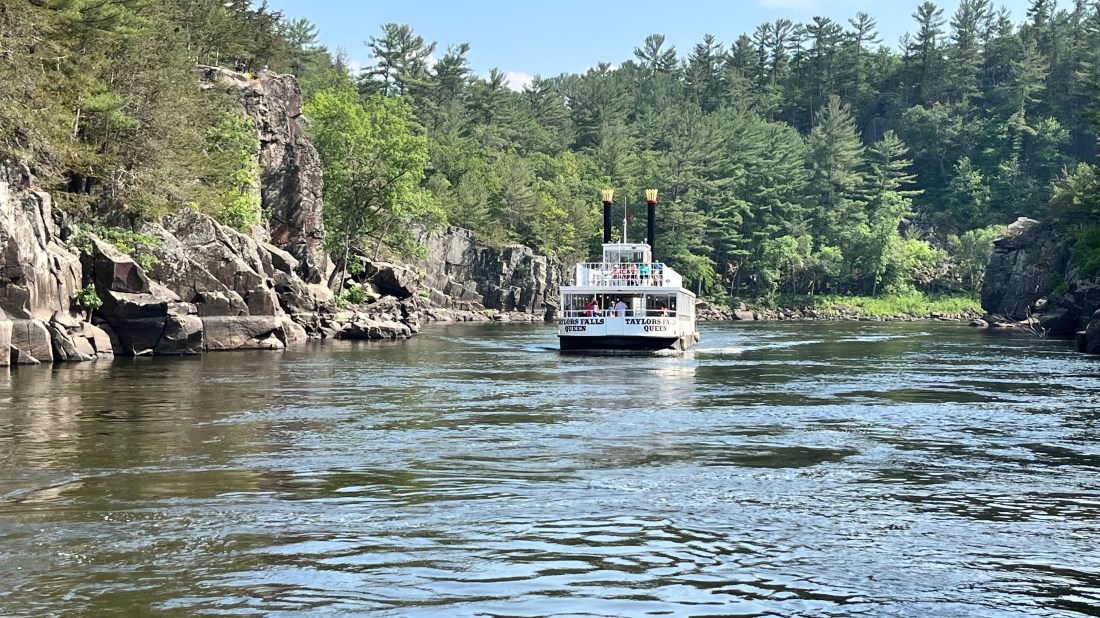
In 2020, 15 local government partners in Anoka, Chisago, Isanti, Pine and Washington Counties came together to form the Lower St. Croix Watershed Partnership, with a goal of protecting and improving the St. Croix River, groundwater, lakes, streams, rivers, wetlands, and upland habitat. Now, as it enters its fifth year of plan implementation, the partnership takes stock of its accomplishments and looks forward toward a “greener” future.
Overall, nearly 8000 square miles of land in Minnesota and Wisconsin drains to the St. Croix River. Within this larger basin, 915 square miles of land on the Minnesota side is included in the Lower St. Croix watershed. This encompasses 127 lakes, over 1,000 miles of rivers and streams, and approximately 152,000 acres of wetlands.
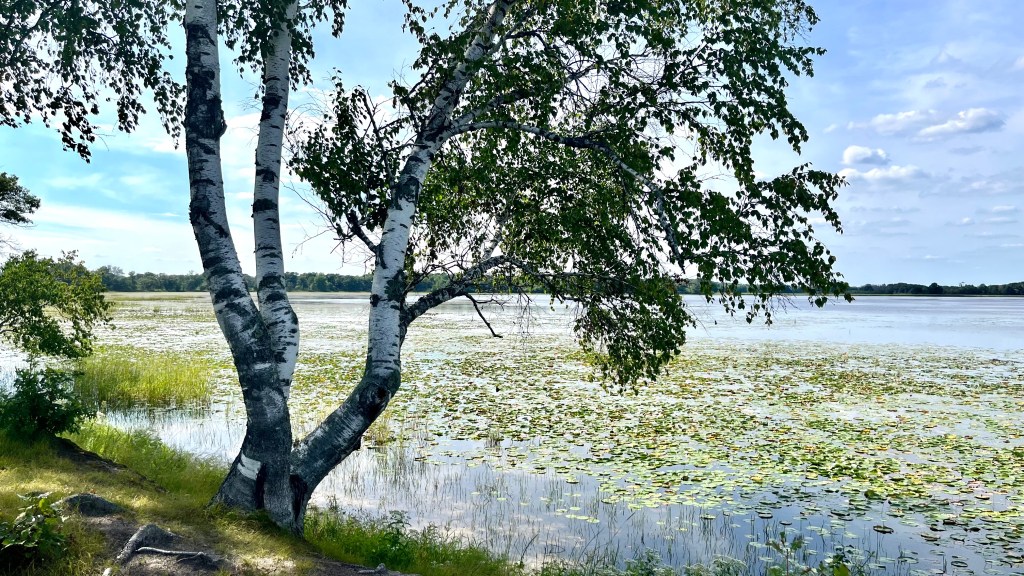

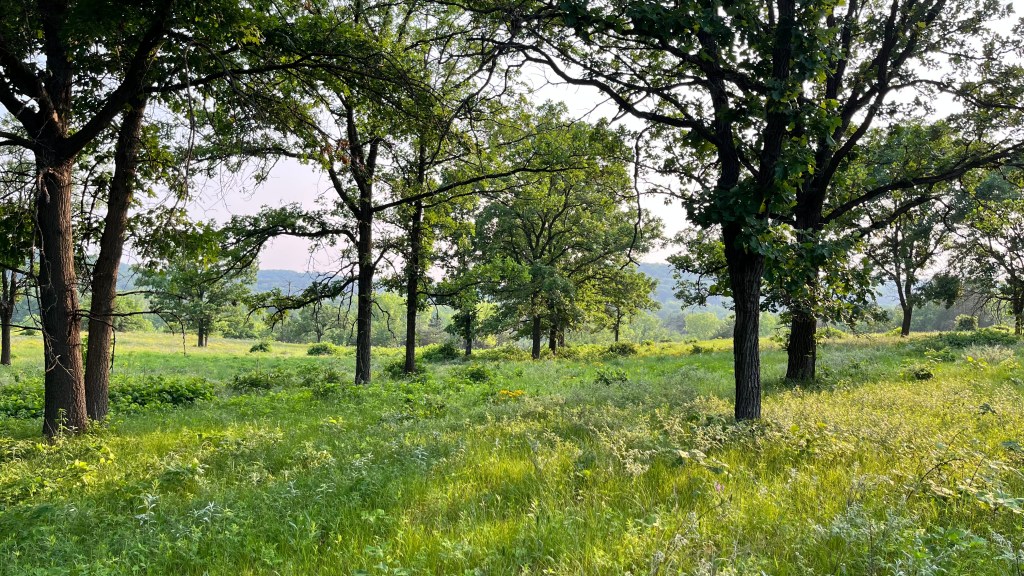

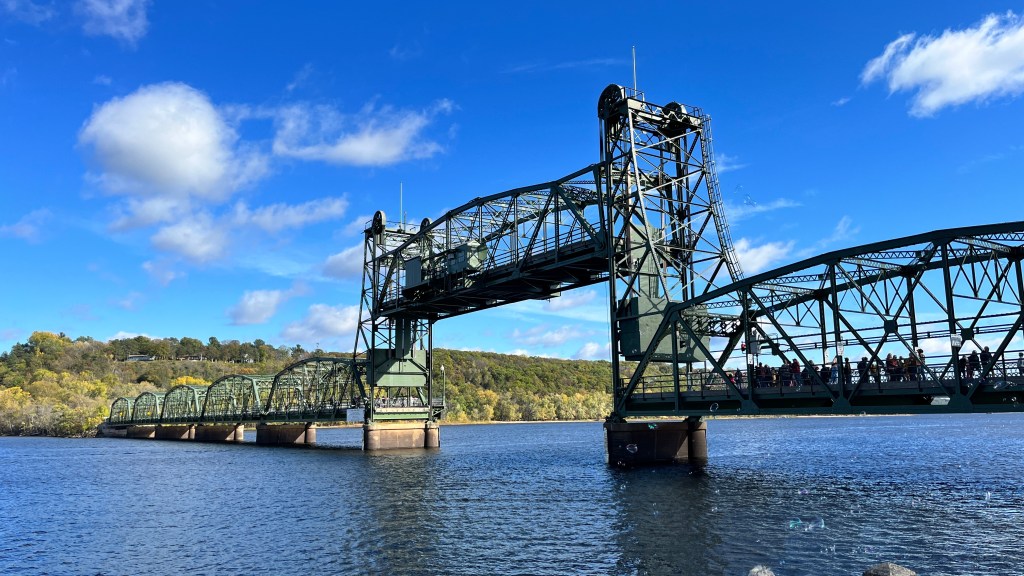
Though the St. Croix is a National Wild and Scenic River and a major tributary to the Mississippi River, runoff pollution from farms and developed communities causes frequent algae blooms south of Stillwater. Excess nutrients and biotic impairments also impact numerous lakes and streams within the watershed. The Lower St. Croix Watershed Partnership receives approximately $1.4M in state funding, once every two years, to help support watershed restoration efforts. Here’s a snapshot of how the funds are being used:
- Providing direct assistance to local farmers to reduce runoff pollution to the St. Croix and Sunrise Rivers, protect groundwater in sensitive regions, and improve soil health. The partnership employs a full-time agronomy outreach specialist – Ellen Badger Hanson – and offers cost-share incentives to help off-set the cost to farmers who implement new practices. In the first three years of the program, local farmers established 2000 acres of new conservation practices, including using cover crops and conservation tillage, and converting row crops to pasture and native prairie. Grant funds have also supported several large-scale gully restorations.
- Expanding watershed education programming to serve the entire Lower St. Croix Region. The partnership uses state funding to employ Barbara Heitkamp as a water education specialist and has also directed additional local funds to the East Metro Water Education Program to expand volunteer programming and community engagement.
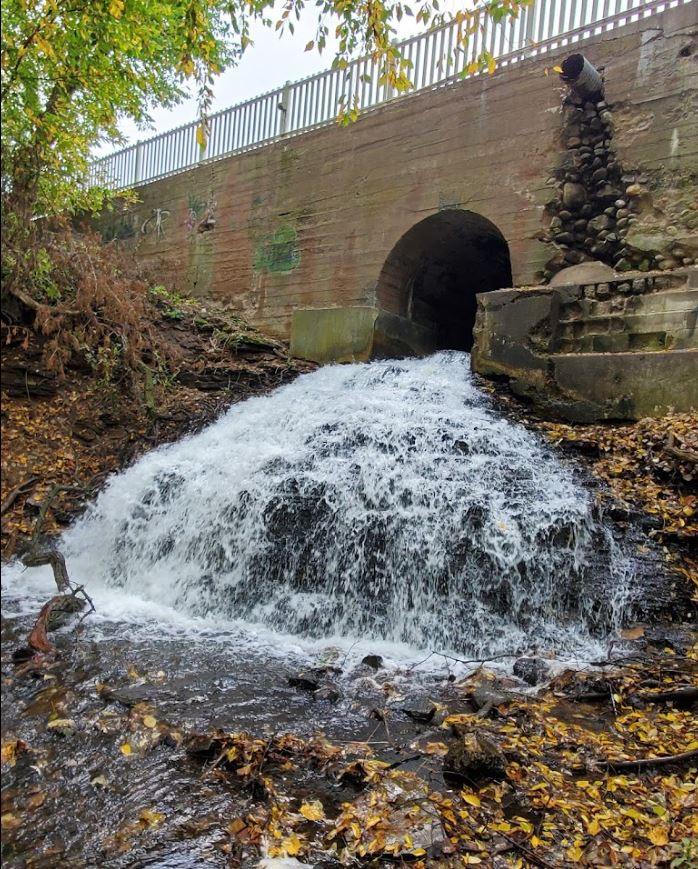
- Supporting water quality improvement projects in priority locations, including a recent stream restoration project at Trout Brook in Afton State Park and four smaller projects in northern Washington County.
- Restoring wetlands in high priority locations, including a large-scale project near the Sunrise River in southern Chisago County and four smaller wetland restoration projects in Chisago, Pine and Washington Counties.
- Using diagnostic monitoring, computer modeling, field investigations, and cost benefit analyses to identify the best value projects to pursue in future years. So far, the partnership has completed seven subwatershed studies and also developed targeted enhanced street sweeping plans for 16 local communities.





Perhaps most impressive has been the Lower St. Croix Watershed Partnership’s ability to leverage funding from local government, private landowners, and other grant programs to maximize the impact of state funds. In 2024, the Partnership matched $711,352 in state funding with a whopping $27 million in additional funds! The Lower St. Croix Partnership has also been incredibly efficient at reducing phosphorus pollution. In its first four years, partner-led projects reduced phosphorus to local waterways by 10,959 pounds per year, which is nearly double what the group hoped to achieve over the course of its 10-year plan.
One reason the Lower St. Croix Watershed Partnership has been so successful is that it encourages collaboration across different levels of government and with the public. Having consistent funding from the Minnesota Board of Water and Soil Resources also helps to keep projects and programs moving smoothly. The partnership is also unique in the fact that it brings together urban and rural communities, allowing for a wide variety of project approaches and a blending of ideas, expertise, and available funding.
To learn more about the Lower St. Croix Watershed Partnership, visit www.lsc1w1p.org.

 East Metro Water