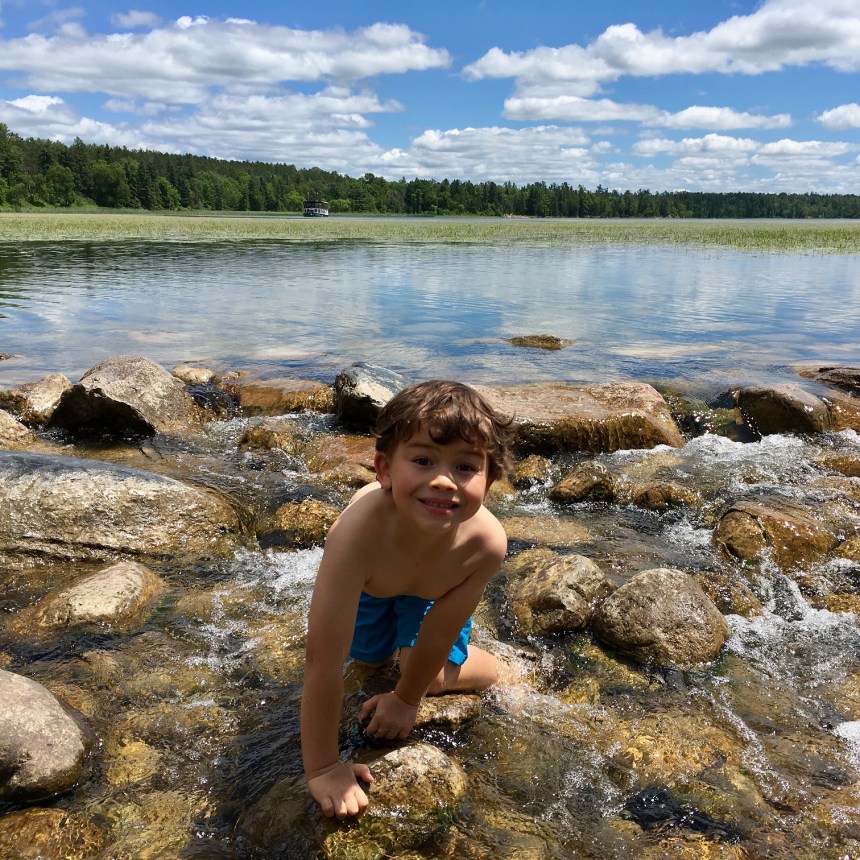
From freshwater springs in the forests of northern Minnesota, water bubbles out of the ground, forms a lake, and then a river. At its start in Lake Itasca, the water is clear and clean. When it flows over stepping stones and becomes the Mississippi River, it is so narrow that you can walk across from one side to the other with only a few steps.
In classrooms across America, school children learn to spell the river by song – Mi-ss-iss-ipp-i. For thousands of years before Minnesota became a state, however, it was known to the Dakota people as Wakpá Tháŋka – the Great River.
South and west along the Minnesota and South Dakota border, another river begins as a gathering of small streams that flow through the heart of the prairie. Known in Dakota as Mnísota Wakpá (the Minnesota River), it is the place where the waters reflect the sky.
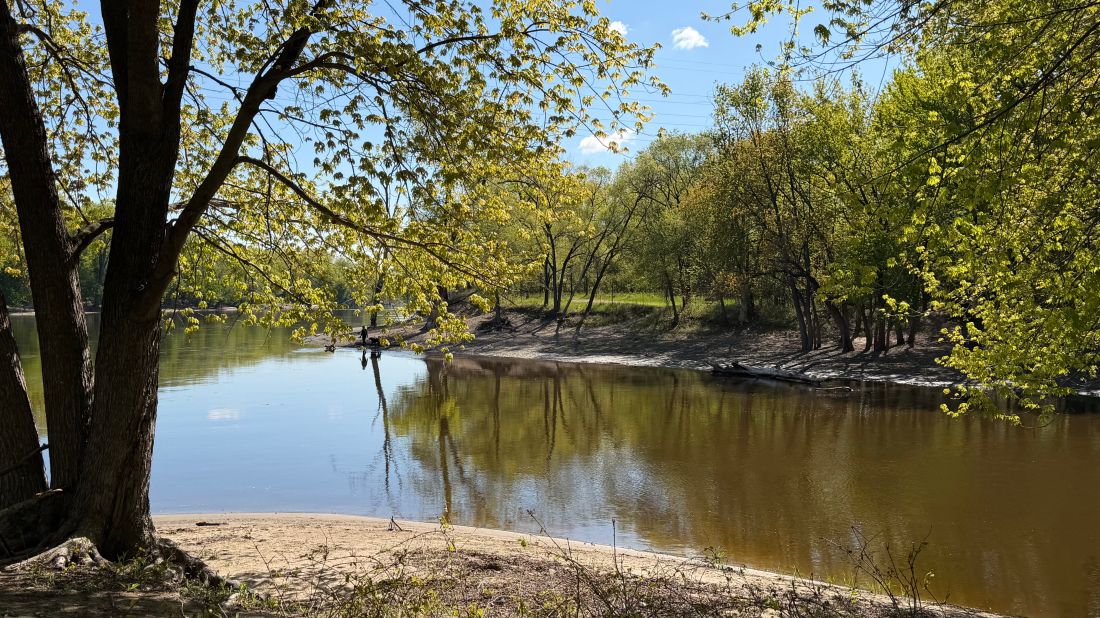
After 332 or 496 miles (depending on which river you follow), the Minnesota and Mississippi Rivers meet at a place known to some as Bdote and to others as Fort Snelling. It is a place where waters join and worlds collide.
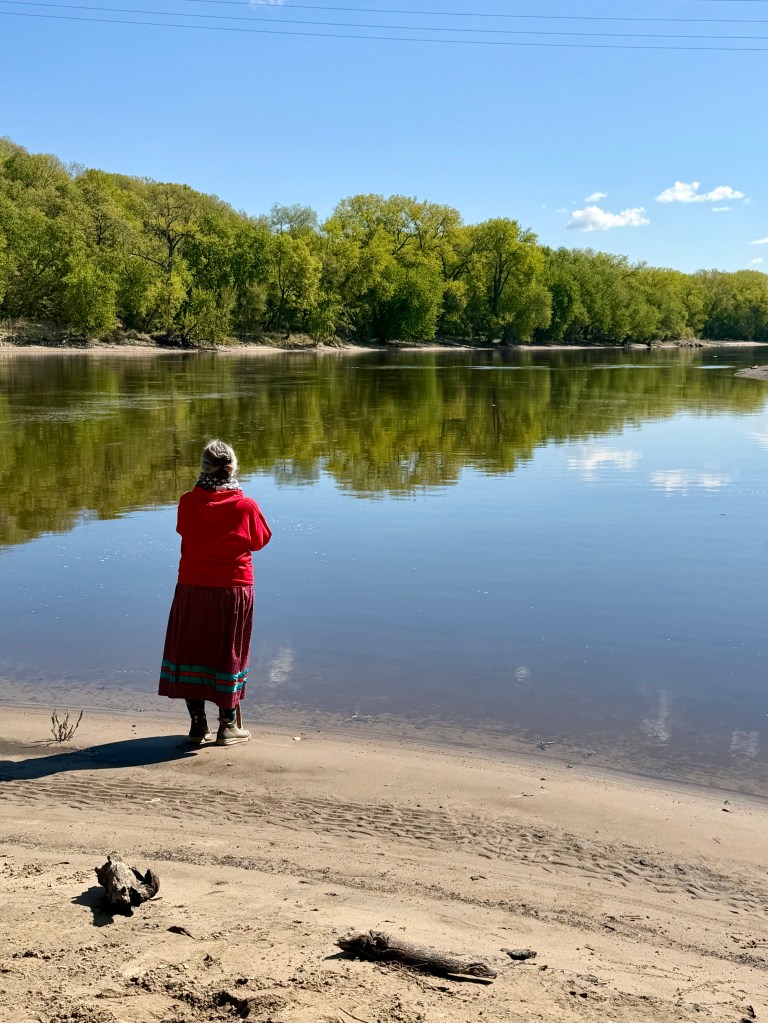
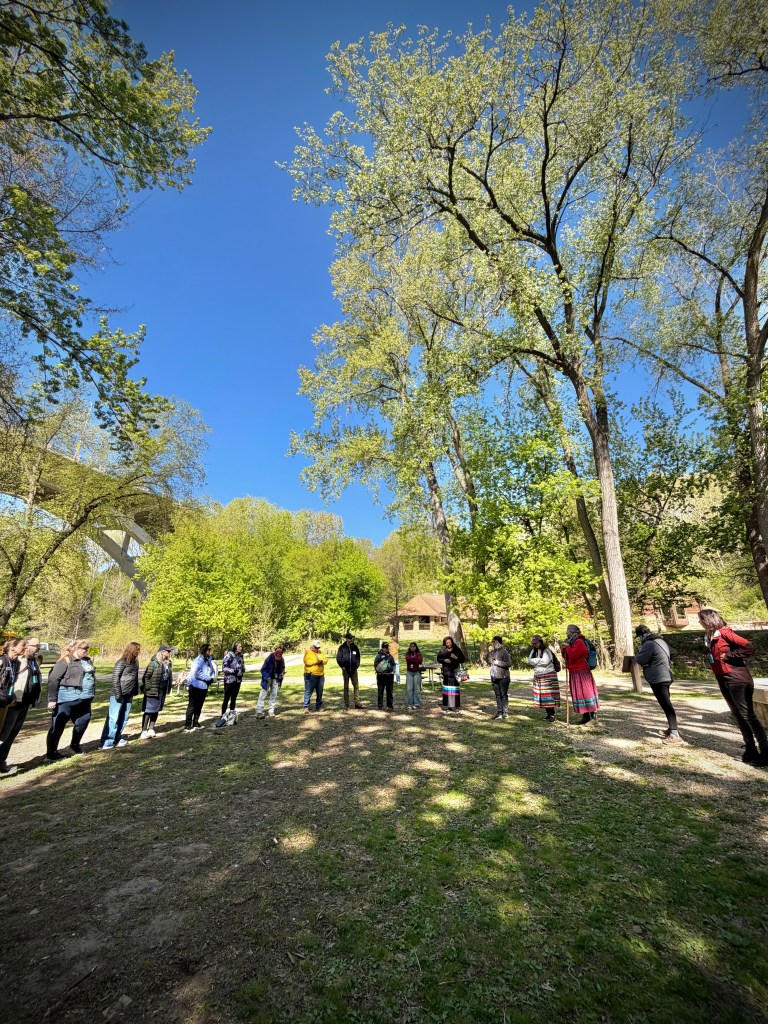
“The Mississippi River is my heart. She is everything to me,” says Tara Perron Tanaǧidaŋ To Wiŋ, as she greets our group along the edge of the river at Fort Snelling State Park. It’s a beautiful spring day and there are twenty of us gathered for “Learning from place: Bdote,” a tour organized by the Minnesota Humanities Center, Minnesota Pollution Control Agency, and We Are Water Minnesota. Tara sings a song that honors the earth, the water, and the moon and tells us solemnly, “These grounds are sacred. They hold our tears our blood and our memories.”
Bdote – that special place where the Minnesota and Mississippi Rivers meet – is also the birthplace of the Dakota people. For thousands of years, they hunted turtles, fish, and ducks here, tended oak savanna and food forests on top of the bluffs, and grew corn, beans, pumpkin, and squash in the river valleys down below. If a loved one died, they would bury them in mounds along the river, which were carefully placed to reflect the stars and constellations up above. Afterwards, friends and family would care for one another as they cried, grieved, and healed.
Everything changed in 1862.
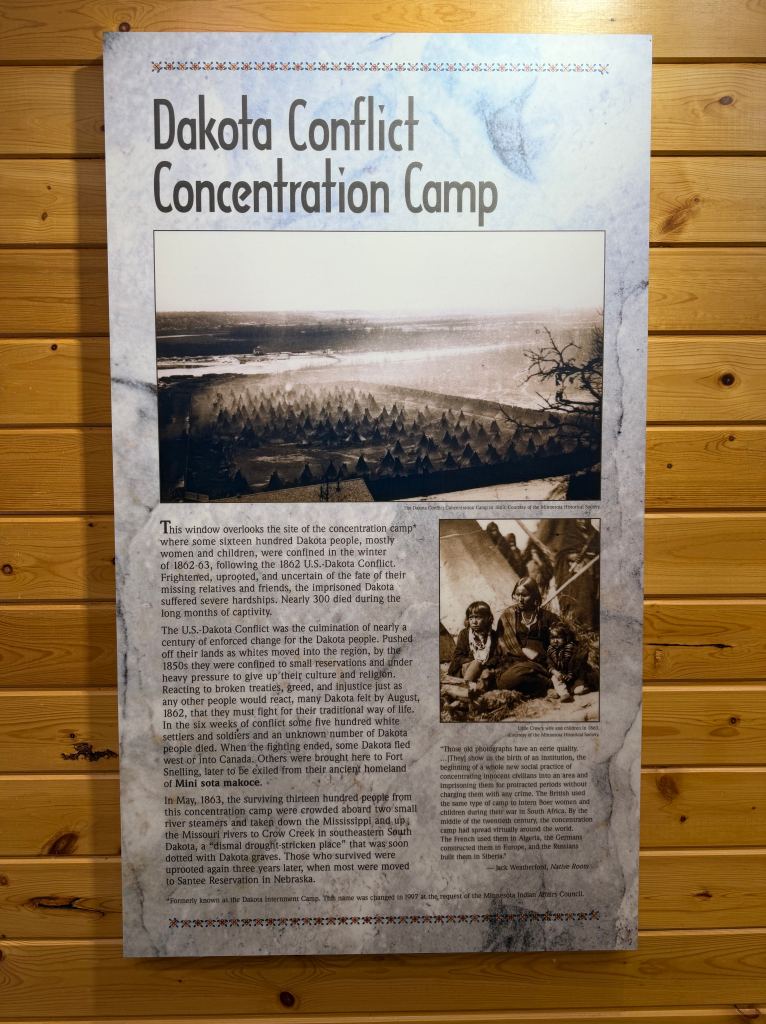
Six weeks of war between the United States and Dakota people left hundreds of white settlers, U.S. soldiers, and Dakota warriors dead. When the fighting ended, a military commission sentenced 303 Dakota men to death and 38 were hanged in Mankato, Minnesota. On Nov. 7, 1862, Minnesota Governor Alexander Ramsey ordered troops to round up more than 1700 Dakota women, children, and elderly people. They were marched through the towns along the Minnesota River and kept in a concentration camp at Fort Snelling over the winter. An average of four people died every day.
In May 1863, the surviving Dakota people were loaded onto steamboats along with 2,000 Ho Chunk people who had had no part in the war and were moved to a camp at Crow Creek, South Dakota. Minnesota became a state, and the rivers changed forever.
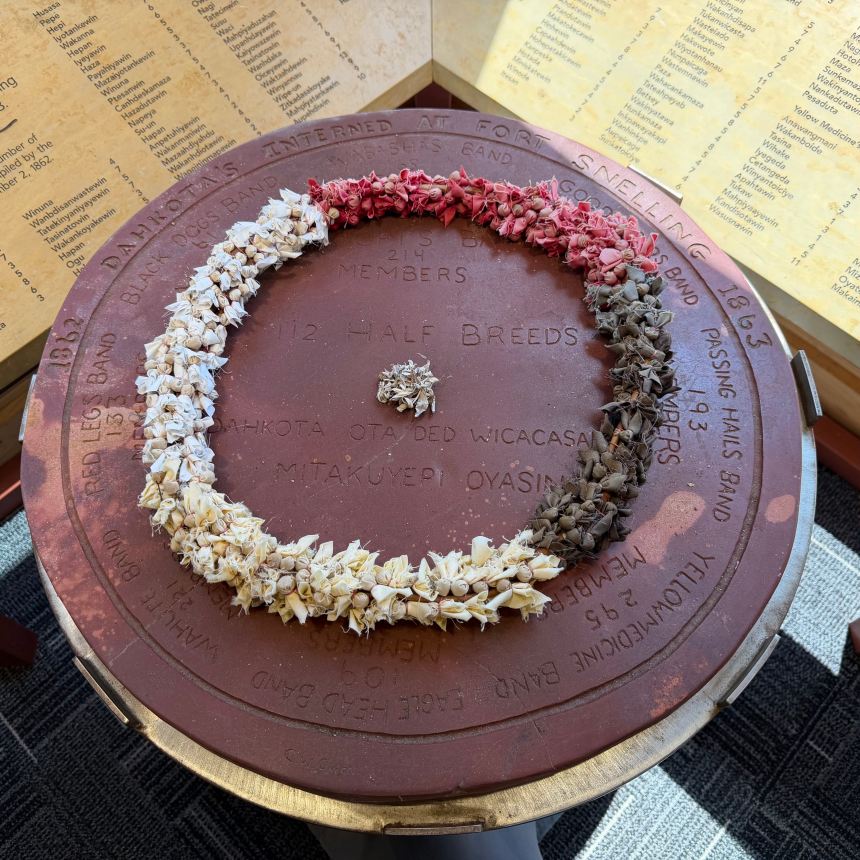
Today, some of the great great grandchildren of displaced Dakota families are finding their way home to the place where the rivers meet. Across the state, people from many cultures are working together to heal the rivers and the people.
“Memory, story, place and water are all connected,” says Rachel Busse-Aswar, a Program Manager for We Are Water who helped to organize our Learning from Place: Bdote event. “When we gather and share stories, we get to explore our relationships with one another and with water.”
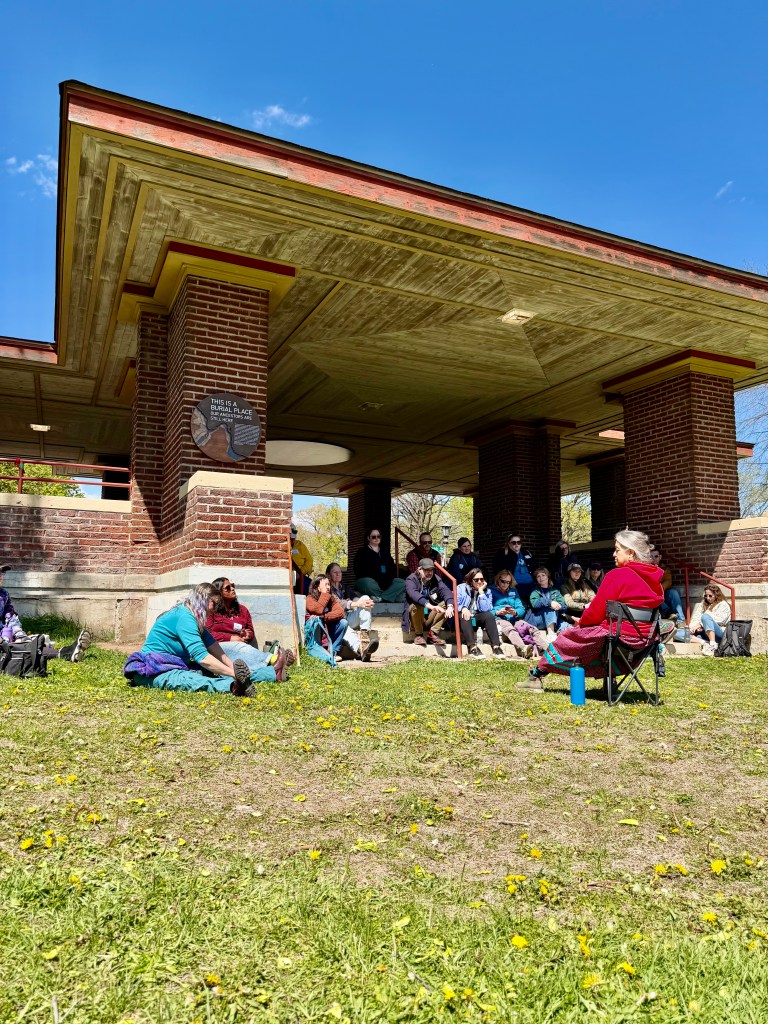
During our daylong Bdote experience, we also meet with Ramona Kitto Stately, an enrolled member of the Santee Sioux Dakhóta Nation who serves as chairperson of the Minnesota Indian Education Association, and Fern Naomi Renville, an artist, storyteller, and enrolled citizen of the Sisseton Wahpeton Oyate, who is also a seventh-generation descendant of Chief Gabriel Renville. Though the history is painful, the women share their culture and stories with warmth. We learn about the significance of different locations along the river and clasp hands as we thank one another for spending time together during the day.
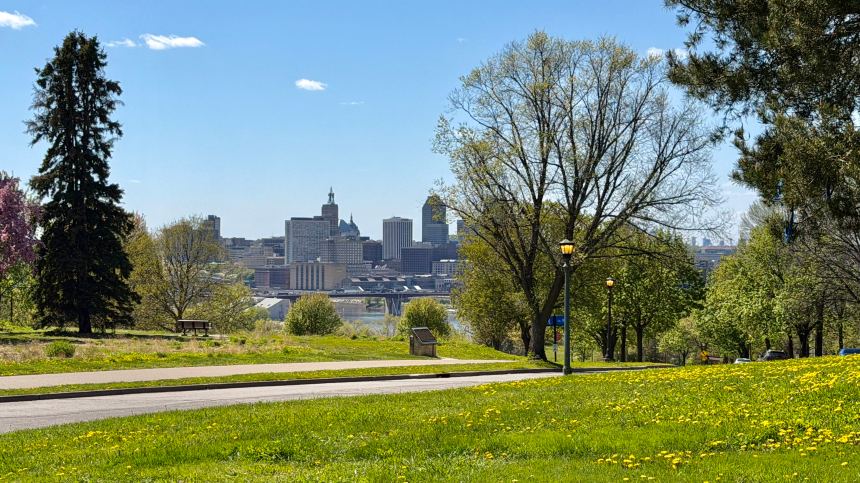
We end our Bdote experience at Wicaḣapi (formerly Indian Mounds Regional Park), overlooking downtown St. Paul. The sun is bright and the dandelions are a carpet of yellow cheer. Trains creak as they roll along the river below. Children are playing and the air is filled with maple seed helicopters. I reflect on the words that Perron shared along the water earlier that morning.
“Take care of the river. Your children and grandchildren will inherit her.”
—
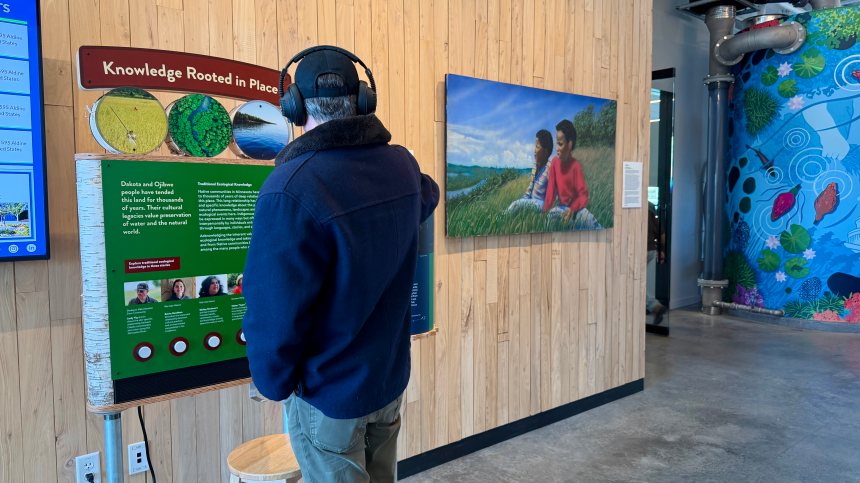
This summer, you can visit the We Are Water exhibit at the Capitol Region Watershed District in St. Paul (595 Aldine St.) from now through June 14 or at Itasca State Park from June 18 to August 10. There will also be another Learning from Place: Bdote event on June 23, 8:30am-2:30pm. Learn more at www.mnhum.org/events.


Beautifully written dear Angie!Just fwd to Woodbury Community Fdn folks as a reinforcer for my recent Ask for th
LikeLike