A movement is underway to transform our residential landscapes into something that is a little softer, a little wilder, and much better able to support wildlife and clean water.
Read More
Tips and tales about keeping water clean
A movement is underway to transform our residential landscapes into something that is a little softer, a little wilder, and much better able to support wildlife and clean water.
Read More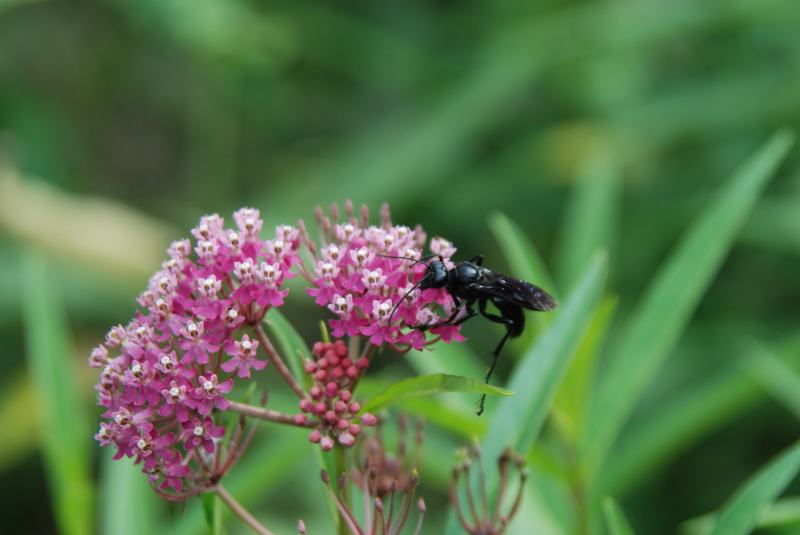
It is said that one out of every three bites of food we eat is created with the help of pollinators. Unfortunately, many species of pollinators are declining due to loss of habitat and the use of insecticides, including neonicotinoids. Happily, regular people like you and I can help to create pockets of biodiversity and protect pollinators, simply by incorporating flowering native plants into our yards to provide blooms throughout the growing season.
Read More
It is hard to say whether bee lawns are a hot new trend or a throw-back to the early 1900s.
Read More
USFWS estimates that there is a 96-100% probability that western monarch populations will collapse within 50 years and an 80% probability that eastern monarchs will as well. But, people can prevent that from happening by planting more milkweed.
Read More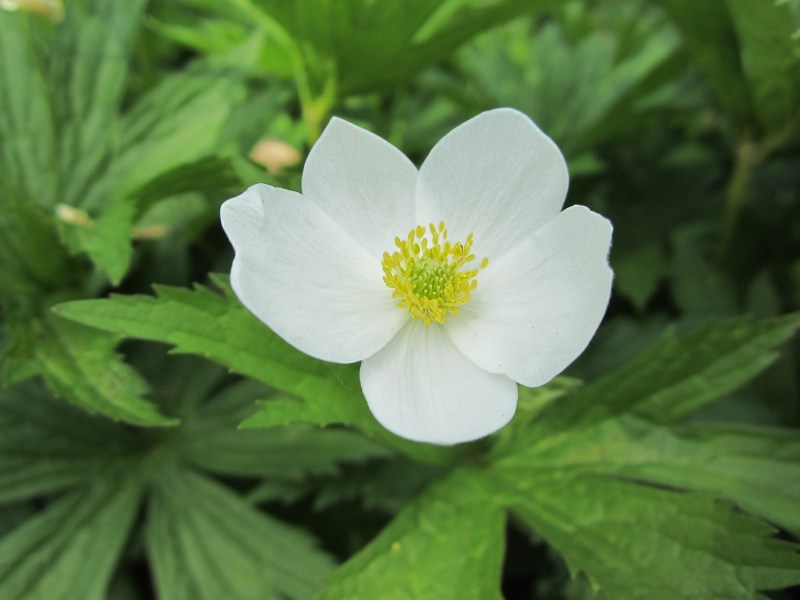
Beginning next week, local conservation partners are offering a variety of online and in-person workshops to help you transition from winter into spring, and, hopefully, create a more environmentally sustainable landscape in the process.
Read More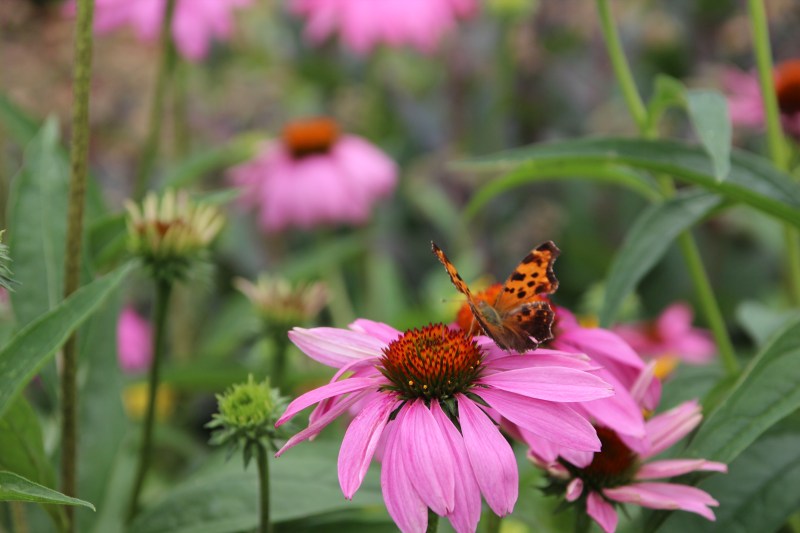
The Minnesota Board of Water and Soil Resources (BWSR) is currently accepting applications for its Lawns to Legumes program. Apply online by February 15 for the opportunity to receive $300 in grant support to install native pocket plantings, native trees and shrubs, pollinator lawns, and pollinator meadows in order to restore and enhance habitat for birds and pollinators.
Read More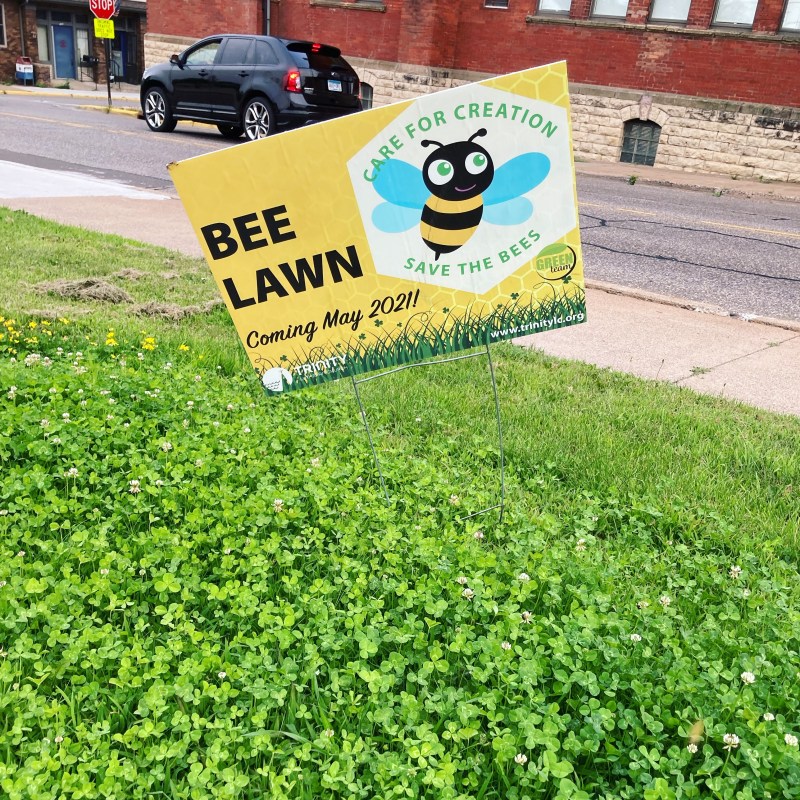
Unlike typical lawns, bee-friendly lawns feature a mix of drought-tolerant fine fescue grasses and low-growing flowers such as Dutch white clover, creeping thyme, and self heal.
Read More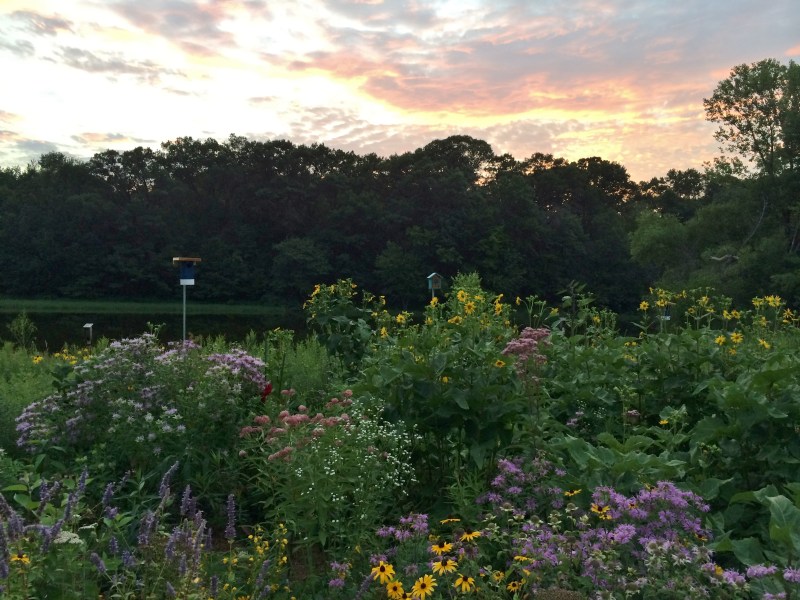
Minnesotans can help to restore habitat for wildlife by planting native flowers, shrubs and trees in our yards to create pocket oases and connected corridors near larger parks and natural areas.
Read More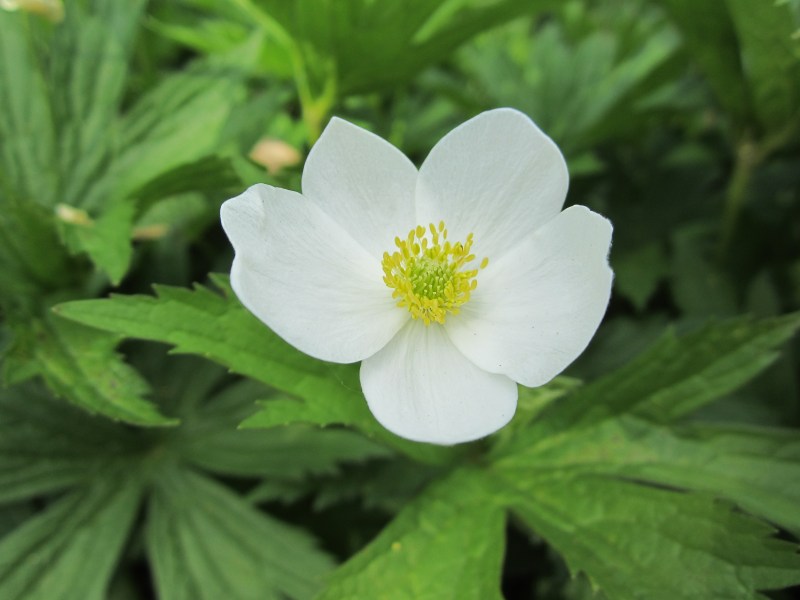
Explore new interests, build skills, begin planning for a summer landscaping project at your home, or simply enjoy a few hours of escape from the doldrums of winter.
Read More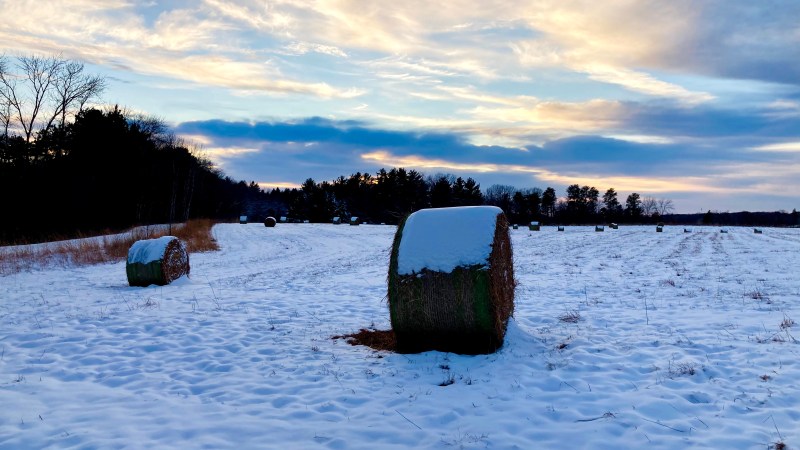
Washington County Parks is haying the prairie at Pine Point Regional Park to imitate natural processes that would occur if the land were being grazed by bison.
Read More East Metro Water