
When we bought our home in Stillwater twelve years ago, one of my first additions to the yard was a raingarden in the backyard to replace a wet spot of grass at the bottom of a downspout. After that, I continued steadily onward, swapping turfgrass for native gardens, shrubs, and pockets of herbs. I filled the boulevard strip with sun-loving prairie plants like pussytoes, aster, and butterfly milkweed. In the shady backyard, I tucked in wild ginger, ostrich and lady fern, Jacob’s ladder, and may apple amongst the moss and Jack-in-the pulpit already growing beneath the trees. I took photos of my new gardens and anxiously waited for them to grow and fill-in.
Today, when I look back at those early garden photos, it’s almost like I’m flipping through a high school yearbook and trying to recognize the people that I once knew. There are a few plants that I transplanted myself (the wild rose that barely bloomed in the shady backyard has grown to the size of a small elephant in the sunny front) but many other plants have grown, migrated, or faded away on their own. In addition, the gardens are constantly changing from one month to the next as various plants bloom and then set seed, resulting in a completely different cast of characters early June, late July, and mid-September.
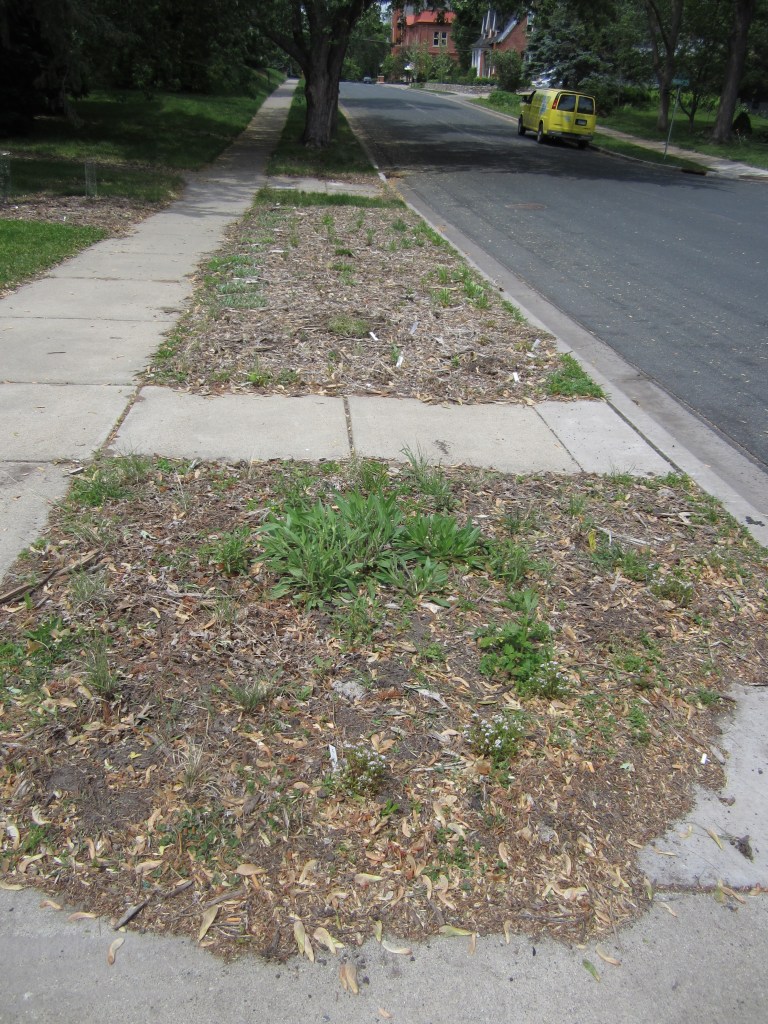
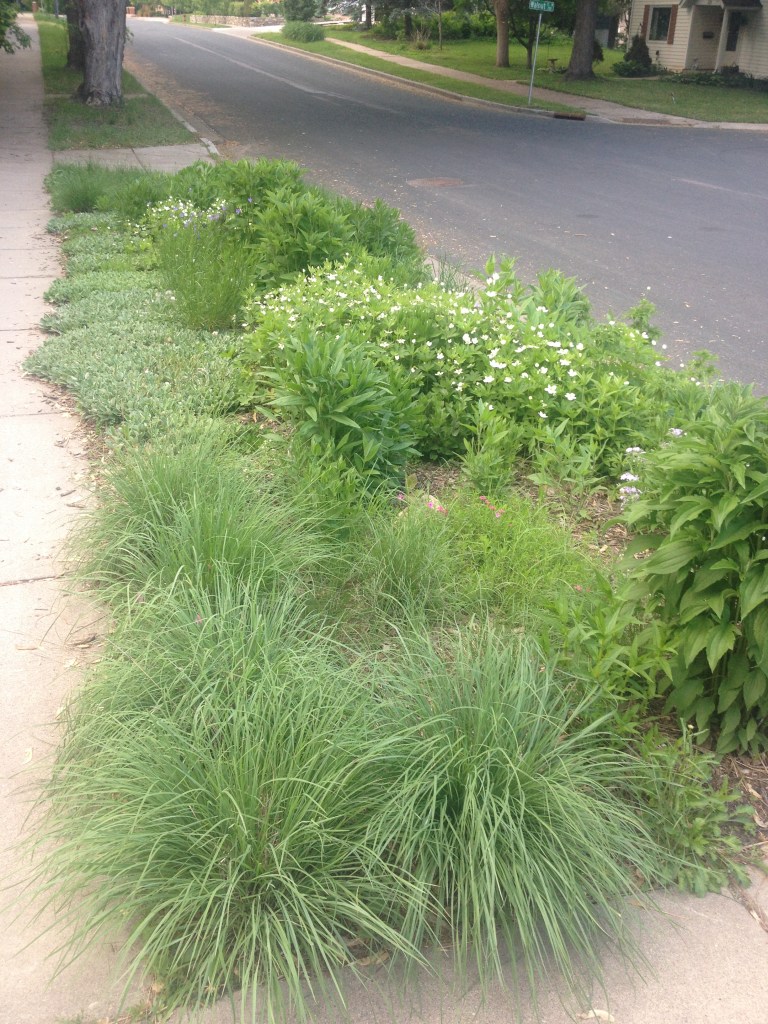

If you’re new to gardening with native plants, this constant fluctuation can take some getting used to. The horticultural varieties of plants sold at most garden centers – things like day lilies, Astilbe, and irises – have been intentionally bred for desirable characteristics such as larger flowers, longer bloom times, and fewer seeds. As a result, most of us are accustomed to planting flowers and having them pretty much stay put and look the same throughout the growing season.
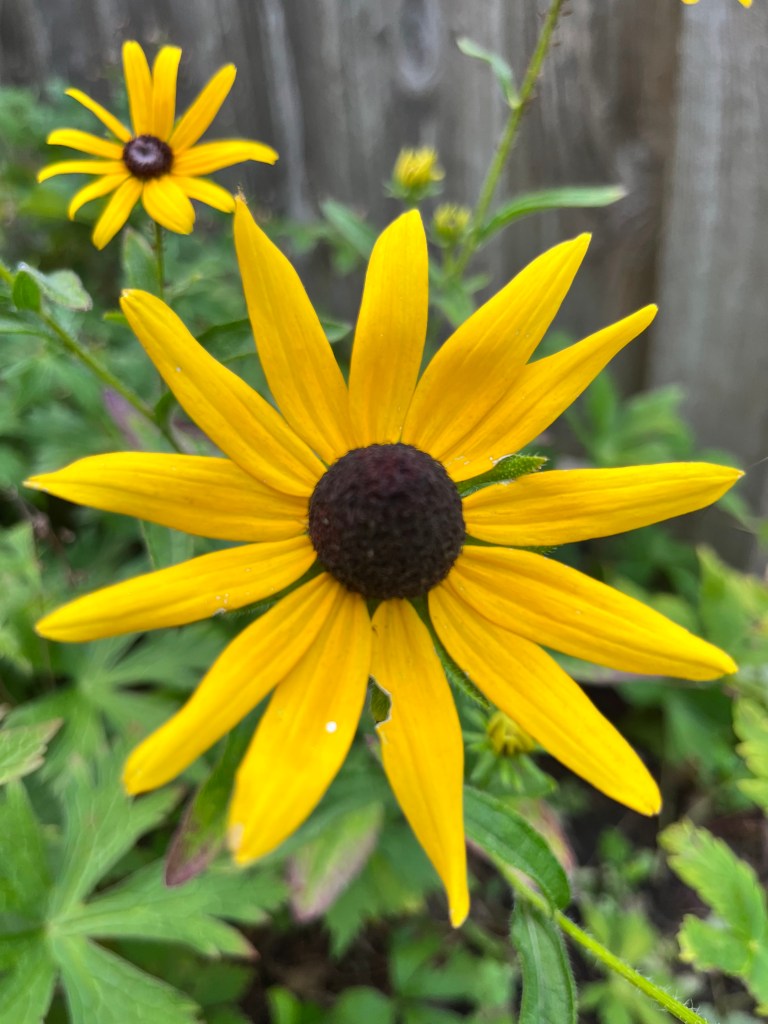

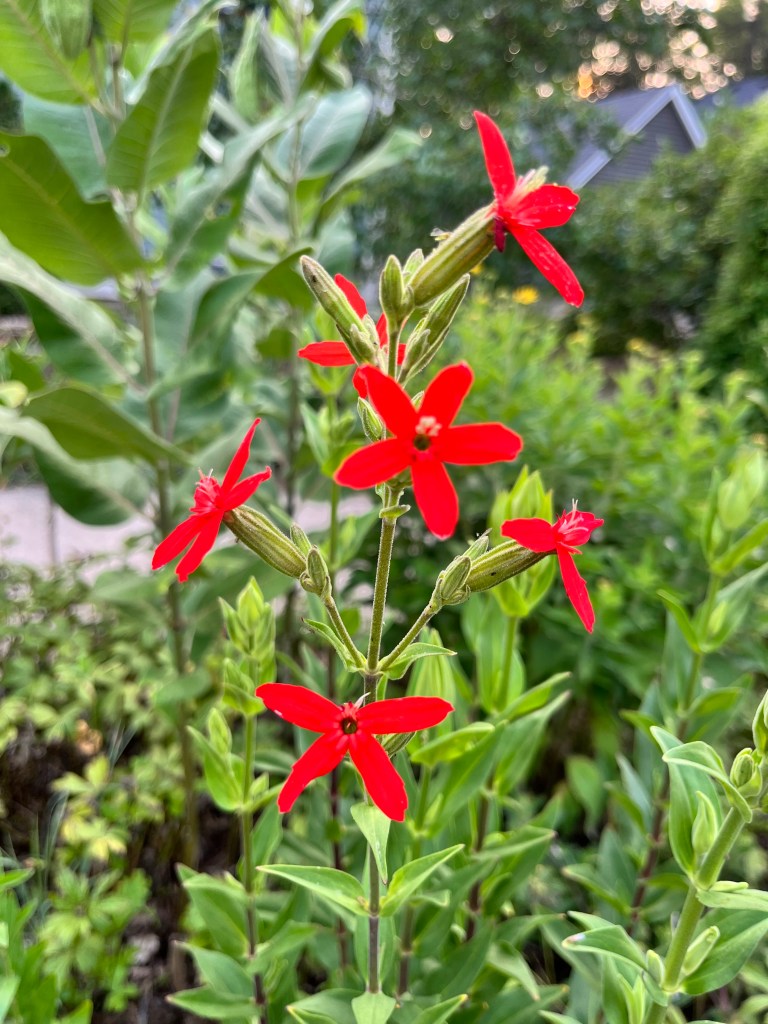
In contrast, the fully native varieties of plants usually have shorter bloom times and are more likely to seed and spread. One popular example is black-eyed Susans, which is actually a biennial plant that only flowers for two years before setting seed, dying, and then popping up later in a new location. Another example is wild petunia. While it is blooming in mid-summer, the plant is continually producing new flowers every day, with older flowers dangling and then falling to the ground almost as soon as they are created. Though these characteristics can be frustrating to people who crave order and consistency, our native pollinators, birds, and wildlife have co-evolved with the plants in our region over the past twelve thousand years and actually need these native plants in order to survive.
If you’re willing to embrace the change inherent in a mostly native garden, you’ll be rewarded with a landscape that is constantly evolving, vibrant, and full of life. It’s almost like getting a new set of gardens every month!


Here are a few tips to make the most of your native gardens. First, you’ll want to plant a wider variety of flowers to ensure that you have blooms from early May until late October. Don’t be afraid to cut-back or pull bossy plants like cup plant, cutleaf coneflower, and virgin’s bower that might try to take over your gardens. Do get used to living with surprise, as plants like wild columbine, black-eyed Susans, and milkweed pop up in new locations – sometimes even on the opposite side of the yard from where you originally planted them.
Finally, feel free to intermix a few horticultural varieties of plants into your gardens as well. A couple of well-placed hostas can add a nice edge to a native shade garden, and nothing beats the joy of seeing tulips pop up bright and full of color at the end of a long, cold winter.
To learn more about gardening with native plants, visit www.mnwcd.org/planting-for-clean-water. Washington County residents can request a free site visit to learn about grants and get advice, and you’ll also find short videos, recordings from workshops, downloadable resources, and contact info for native plant retailers. Additional info can be found at www.BlueThumb.org.

 East Metro Water
Yay yay yay!!!
Another stellar personal yet public service piece of writing ✍️ dear Angie!
Thanks! 👍✅😍😅
Anna 🐝
<
div dir=”ltr”>
<
blockquote type=”cite”>
LikeLike