
Washington County is nearing the end of its current 10-year Groundwater Plan, and according to Stephanie Souter, Senior Program Manager with Washington County Public Health & Environment, “A lot has changed since 2014 – and I don’t just mean COVID.”
There is now a North & East Metro Groundwater Management Area Plan, developed by the Minnesota Department of Natural Resources (DNR) in 2015; an ongoing legal and legislative debate regarding the DNR’s ability to issue new or expanded groundwater pumping permits within five miles of White Bear Lake (initial court order in 2017); an $850 million settlement between 3M and the State of Minnesota related to PFAS contamination (2018); and a Lower St. Croix Watershed Plan, developed by 16 local government partners in Washington, Chisago, Anoka, Isanti and Pine Counties in 2020. In short, groundwater conversations in the region are anything but boring.
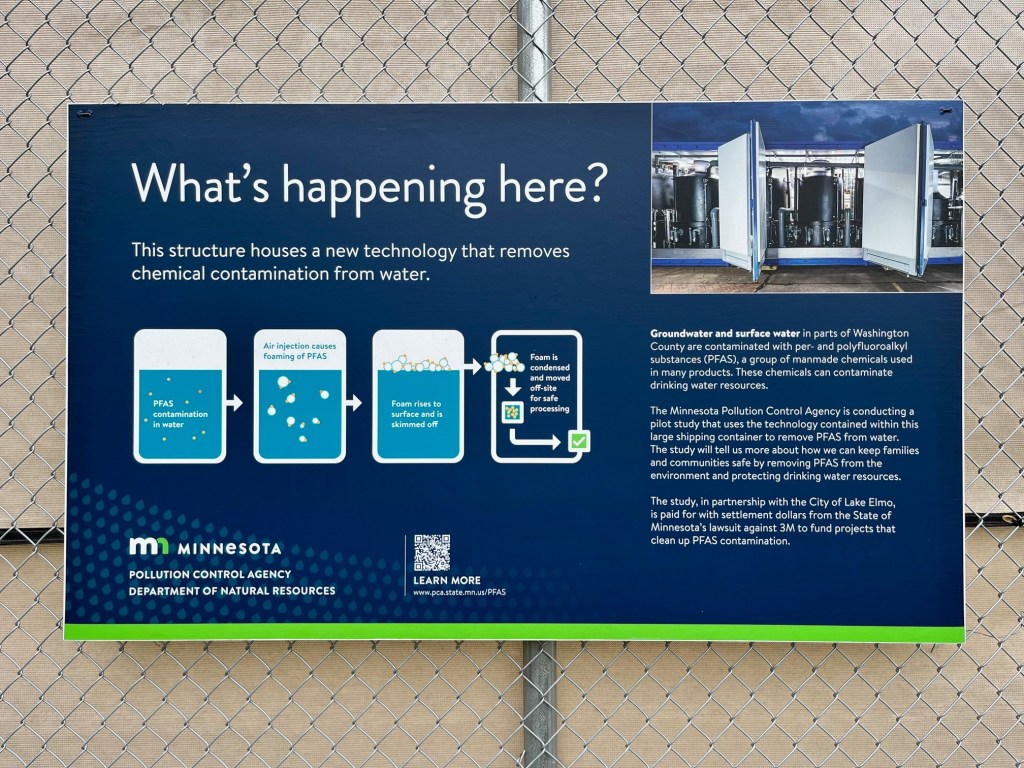

“Currently, 100% of the water used for drinking comes from groundwater. There are also many other uses, including for irrigation and agriculture,” explained Souter during a recent planning meeting on September 28. Groundwater also flows into and through cold-water trout streams, such as Brown’s Creek and Valley Creek; popular lakes, including Lake Elmo, Square and White Bear; and unique natural features such as a tamarack bog in Woodbury and black ash swamps along the St. Croix River. “The County has a strong interest in protecting groundwater,” Souter continued, “and we rely on collaboration with local and state partners since groundwater management is so complicated.”
Over the past ten years, Washington County has focused on inter-agency collaboration for regional issues, as well as implementing local programs to reduce the risk of groundwater contamination and promote water efficiency. It has distributed 128 loans to replace failing septic systems, provided grants to seal abandoned wells, and has also disbursed grant funds to cities and schools to implement water saving programs.

Education has also been a big priority. In addition to supporting the East Metro Water Education Program, Washington County hosts workshops for realtors and homeowners, offers well testing services, and provides rebates for county residents to buy and install rain barrels.
During the September 28 planning meeting, numerous participants wondered about the future impacts of chloride, pesticides, pharmaceuticals, and even microplastics on local groundwater aquifers. They also talked about the complicated interactions between groundwater and surface water resources, such as wetlands, streams, and lakes. Unlike in an undeveloped setting, humans have greatly altered the natural hydrology in Washington County – drilling wells to access groundwater for drinking, paving roads and parking lots for cars to travel, and constructing channels to minimize flooding. These changes make it easier for people to live and work in the region, but also add an extra layer of complexity when it comes to protecting water.
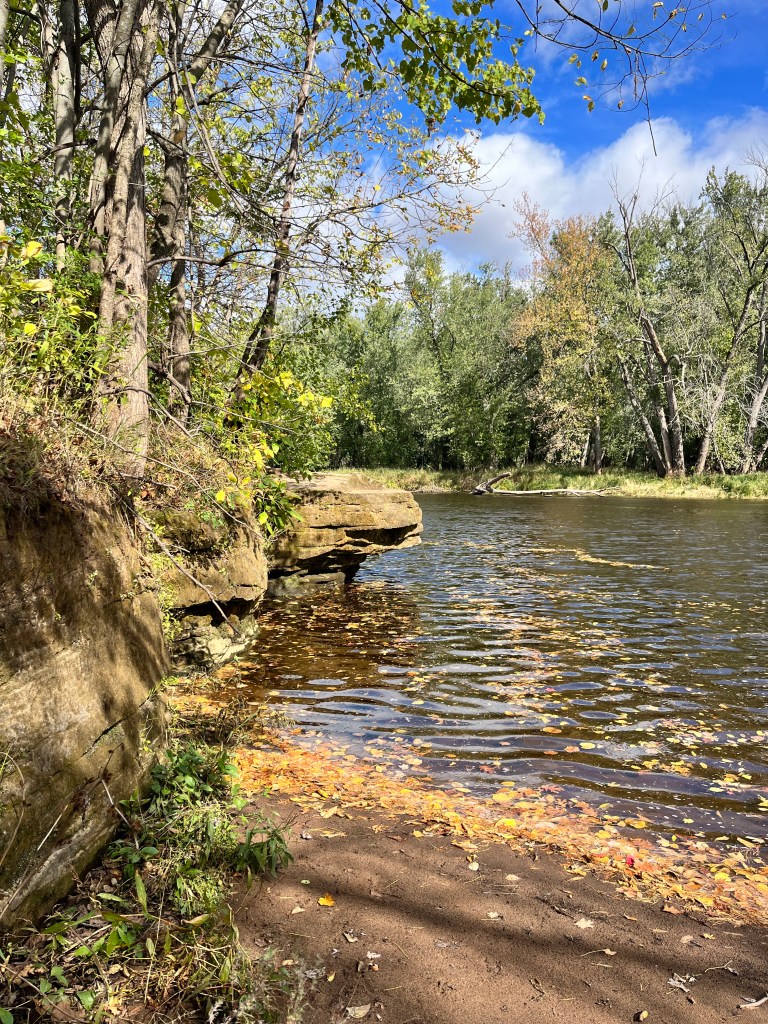
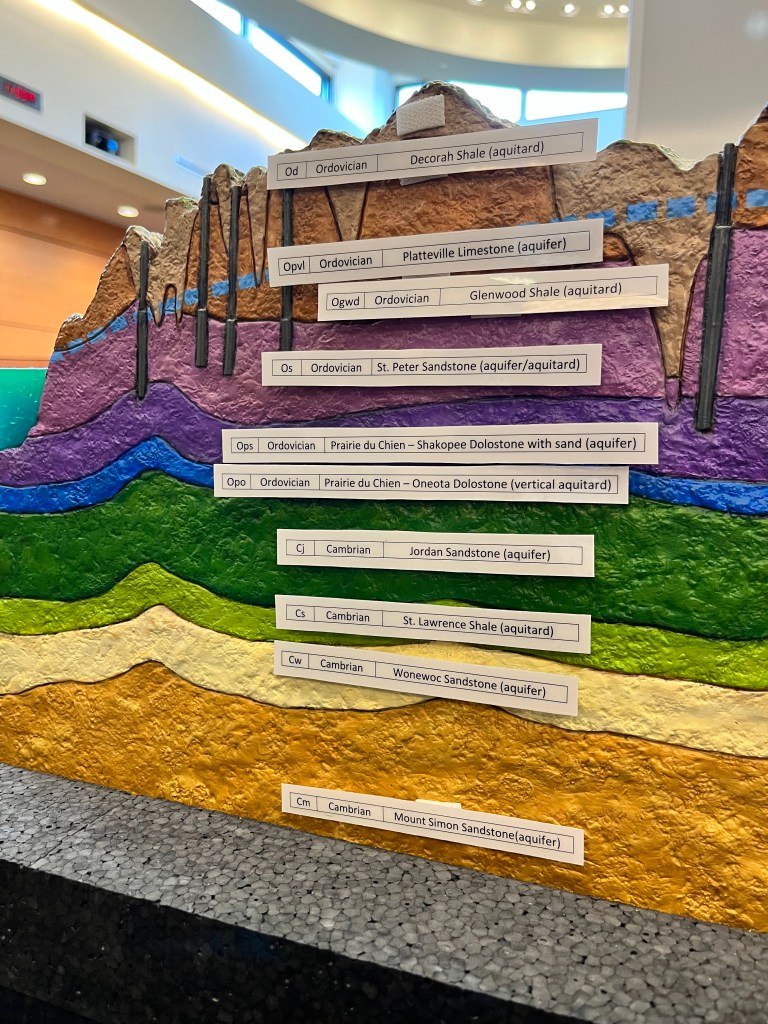
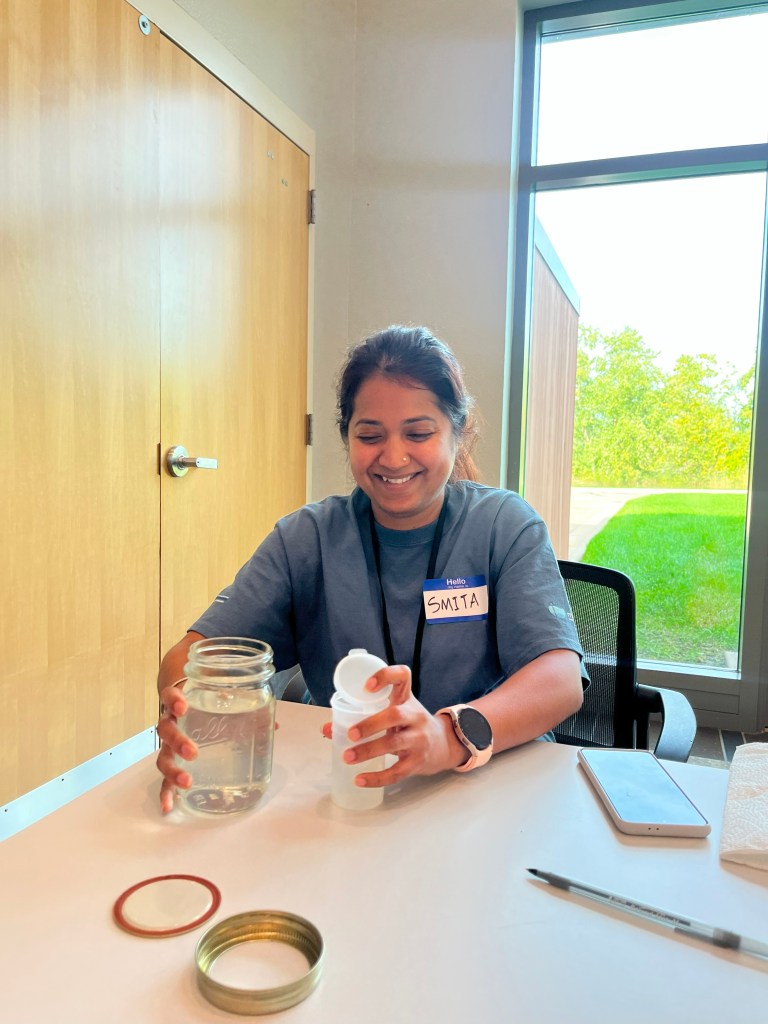
Washington County is currently inviting residents to complete a short survey to provide input on groundwater planning, along with questions related to the county’s solid waste programs. Survey participants also have the opportunity to win a backyard compost bin, a Washington County park pass, or a sustainability prize pack. Find the survey online in English, Spanish, Somali and Hmong at https://www.co.washington.mn.us/3649/Environmental-Planning.

 East Metro Water
Angie,
Great reporting. Please add me to future distribution list: J_stoner@comcast.net
And thanks again for all the great planning and marketing for the South Washington and North Branch screening clinics,
Jeff Stoner
LikeLike