Picture this scenario. You’ve recently joined your community’s planning commission and are asked to review a redevelopment proposal for a lakeshore property in town. The applicant has purchased a small home located close to the water and would like to tear it down and replace it with a new, much larger house. The current proposal does not meet your local shoreland ordinance, but could move forward if your committee votes to approve the variances requested. Pat, the applicant, has always dreamed of living on a lake and has already paid an architect several thousand dollars to design their dream home. What should you do?
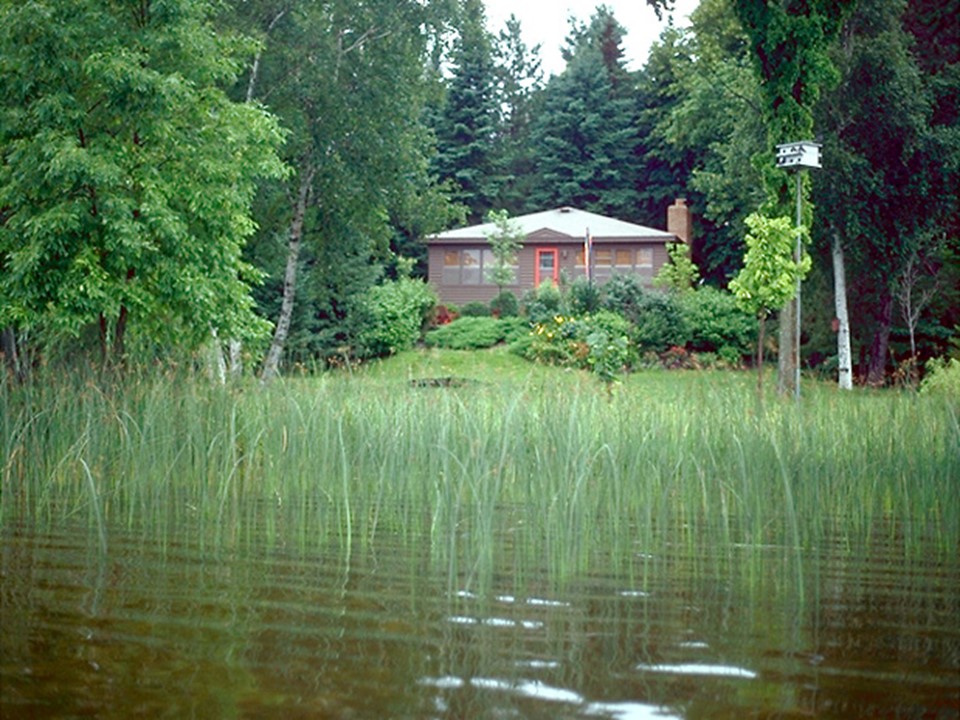
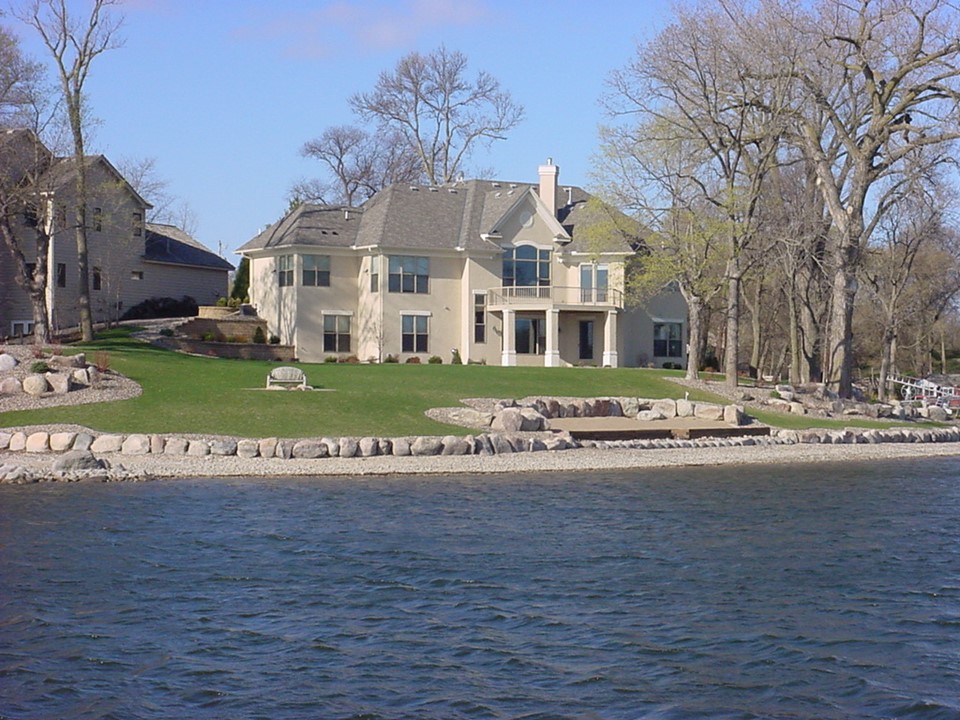
Should the local township approve the proposal?
Local officials, such as city councils, planning commissions, township boards, and county commissioners, set the vision for what a community looks like now and in the future. Though council packets are usually filled with individual requests for variances and conditional use permits, local leaders also have the power to establish policies and create comprehensive plans that will guide development for decades to come. Should new homes and businesses be concentrated in a central district or spread evenly across the landscape? Is it possible to grow without losing a sense of community? What strategies could be employed to help protect lakes, rivers, forests and wildlife?
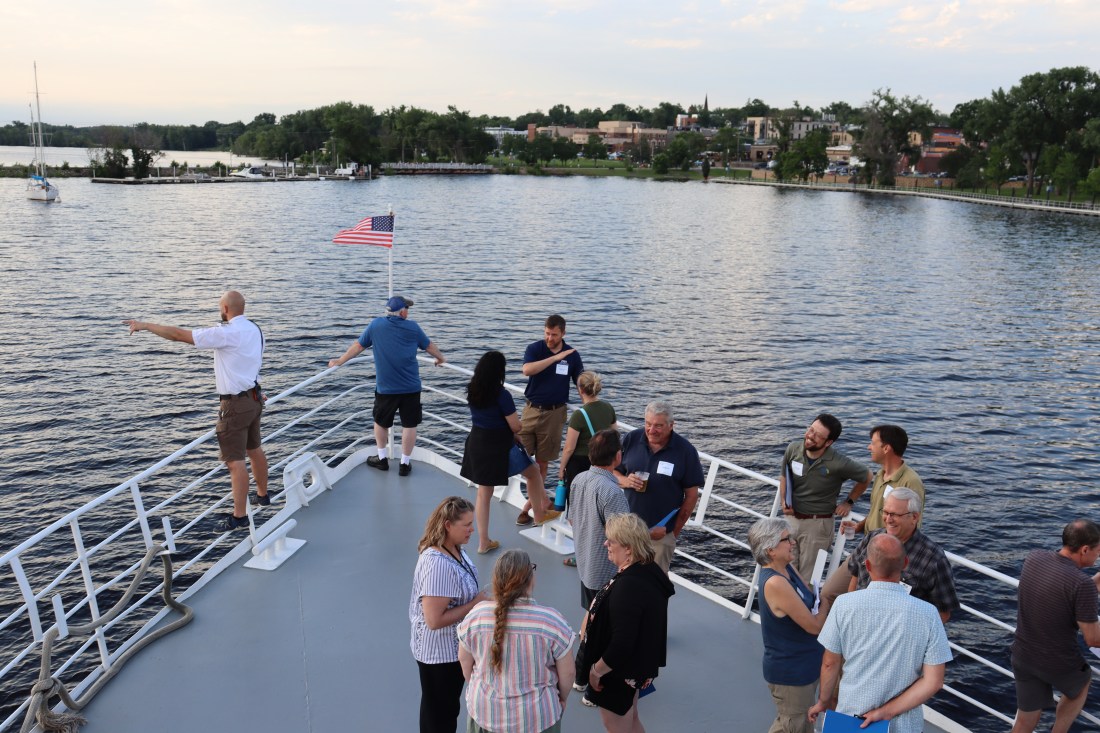
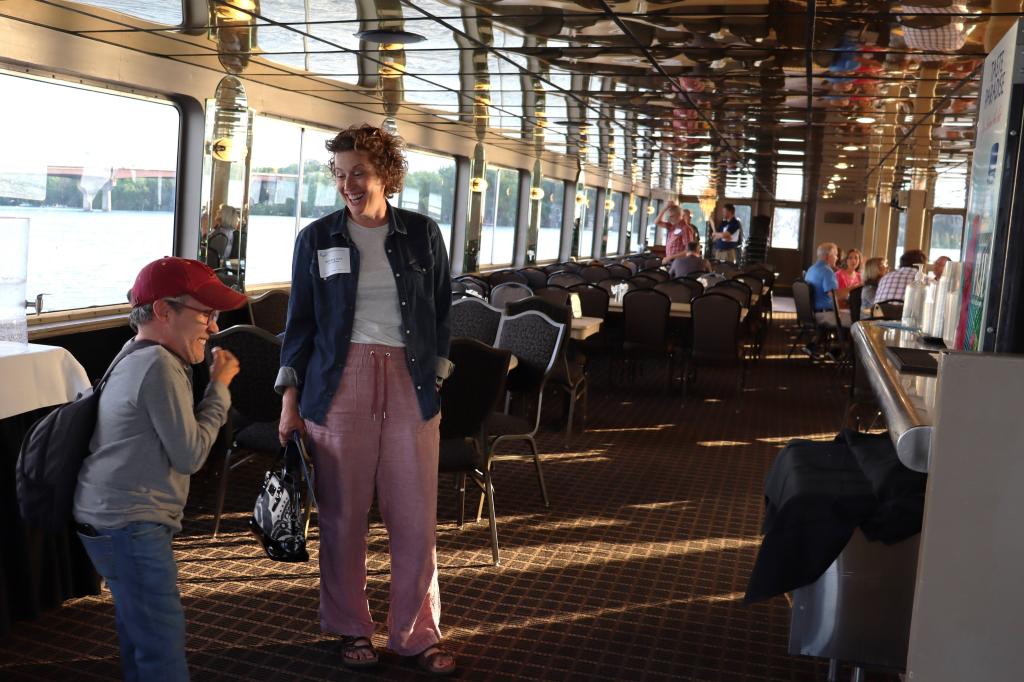
On June 24, local decision-makers from Minnesota and Wisconsin gathered for the 16th Annual St. Croix River Workshop on the Water, a learning event designed to help communities establish policies, practices, and programs to better protect their water resources. This year’s workshop focused specifically on St. Croix Riverway Rules, strategies for dealing with sticky issues and variance requests, and better site design for development and redevelopment projects.
Currently, Washington is one of the top ten fastest growing counties in Minnesota, and the development boom is spilling over into southern Chisago County as well. There was a 28% increase in property values in northern Washington County in 2022, and the cities of Lake Elmo (1), Lindstrom (2), and Stillwater (9) are among the hottest housing markets in the state. Growth helps to support local businesses, fund public services, and keep our communities vibrant, but can also fracture habitat corridors and cause stormwater runoff pollution.
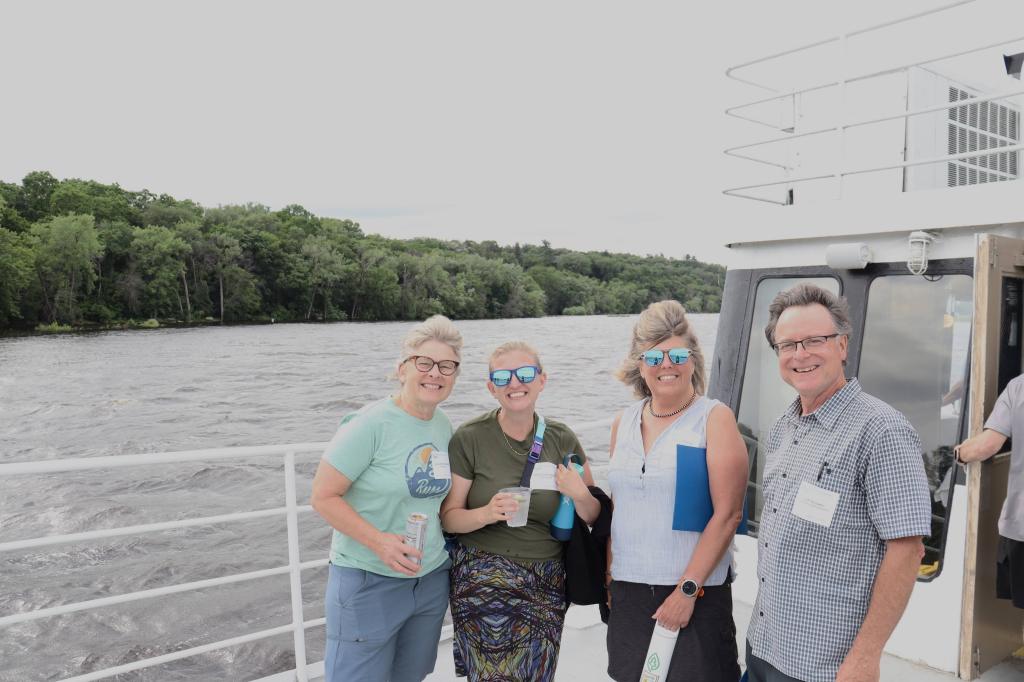


One of the goals of the St. Croix River Workshop on the Water is to help local leaders connect with resources available through organizations such as the National Park Service and the Minnesota Department of Natural Resources (MDNR). For example, cities, townships, and counties can adopt the MDNR’s Model Shoreland Ordinance to guide development and redevelopment near lakes and rivers. In addition, they can also tap into grants and technical assistance from their area Watershed Districts to complete projects such as raingardens, bluff stabilization, and lake or stream restoration.
The St. Croix River workshop also provides an opportunity for communities to celebrate success and learn from one another. In 2023, participants learned what actions helped to remove Lily Lake (Stillwater) and North and South Center Lakes (Chisago County) from the state’s impaired waters list. This year, speakers shared examples of single lot and neighborhood-scale projects designed to preserve natural habitat and minimize stormwater runoff. Participants said they enjoyed networking with one another and participating in interactive, small-group activities, including one in which they reviewed and discussed a shoreline development proposal similar to the one described above.



The St. Croix River Workshop on the Water is offered through a partnership of the East Metro Water Education Program (EMWREP), Lower St. Croix Watershed Partnership, National Park Service, Minnesota DNR, Wisconsin DNR, Polk County, St. Croix County, Washington County, Chisago SWCD, Isanti SWCD, Washington CD, Carnelian-Marine-St. Croix WD, and Middle St. Croix WMO.
Additional education events for local leaders in 2024 include a Conservation Tour in northern Washington County on August 7 and a workshop for rural communities on September 30. Learn more at www.lsc1w1p.org/workshops-for-local-leaders.

 East Metro Water