
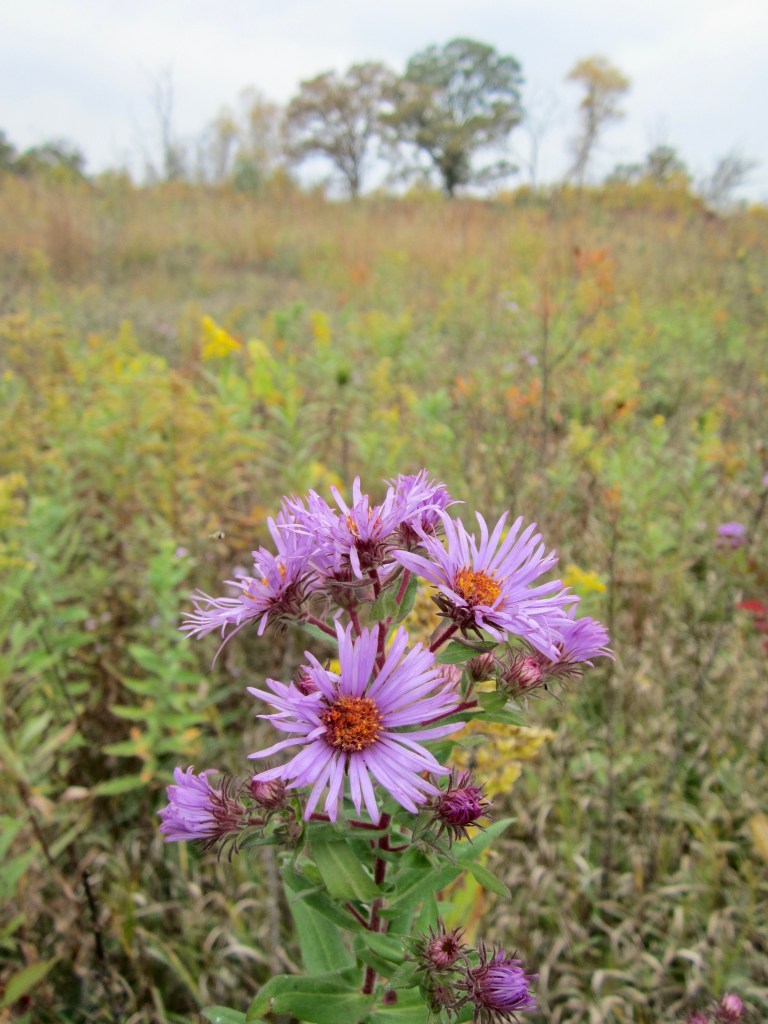
We are now entering the most glorious time of the year, with warm days and cool nights, football, apple orchards, and endless opportunities to wear plaid flannel shirts. Despite the warm weather, you are probably already noticing changes in your yard. Late blooming flowers such as aster, zigzag goldenrod, and blue-bottle gentian are awash in color, while most of the other flowers are losing their petals. Trees and shrubs are beginning to yellow and there are flashes of scarlet from the top-most, sun-kissed branches of maple trees around town. Every squirrel crossing every street has a walnut in its mouth.

In the coming weeks, there are several steps you can take to prep your yard and gardens for winter and continue to support pollinators, birds and other wildlife. But, you might be surprised to learn that fall is also a really great time to plant a native garden!
While planting in the fall might not seem intuitive, it makes a lot of sense if you think about the way nature works. Walk through a prairie at this time of year, and you can see thousands of seed heads from native flowers and grasses blowing in the wind. By late November, most of these seeds will find their way to the ground where they will remain dormant through the winter and then germinate in the spring.

It’s also possible to plant native plants from plugs or 4-inch pots in the early fall. Planting now will give your plants a head start to begin growing roots and more ability to compete against weeds in the spring. Or, if you’d prefer to plan now for a landscaping project in 2026, you can apply for a $400 Lawns to Legumes grant between now and Nov. 30 (www.BlueThumb.org) to purchase native plants, seeds, or flowering trees and shrubs.
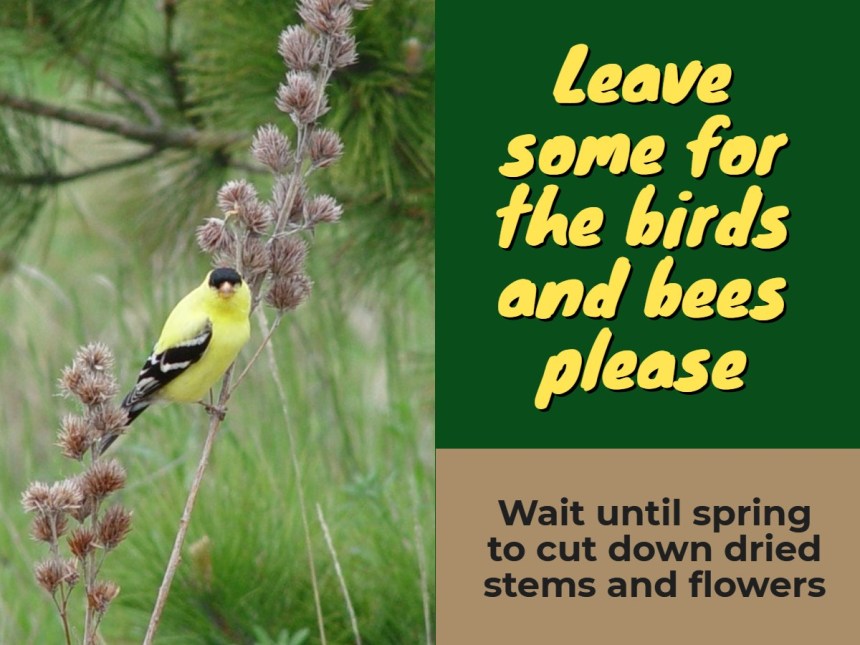
If you already have established native gardens at your home, fall is a great time to relax and enjoy the colors. Instead of cutting down flowers once they are done blooming, leave them standing throughout the winter. You may notice goldfinches and other birds gathering on the seed heads, filling their bellies before a long journey south. In addition, many species of bees and beneficial insects will lay their eggs inside the hollow stems of plants. These eggs will hatch into larva during the spring and then emerge as next year’s bees once temperatures climb above 50° in May.
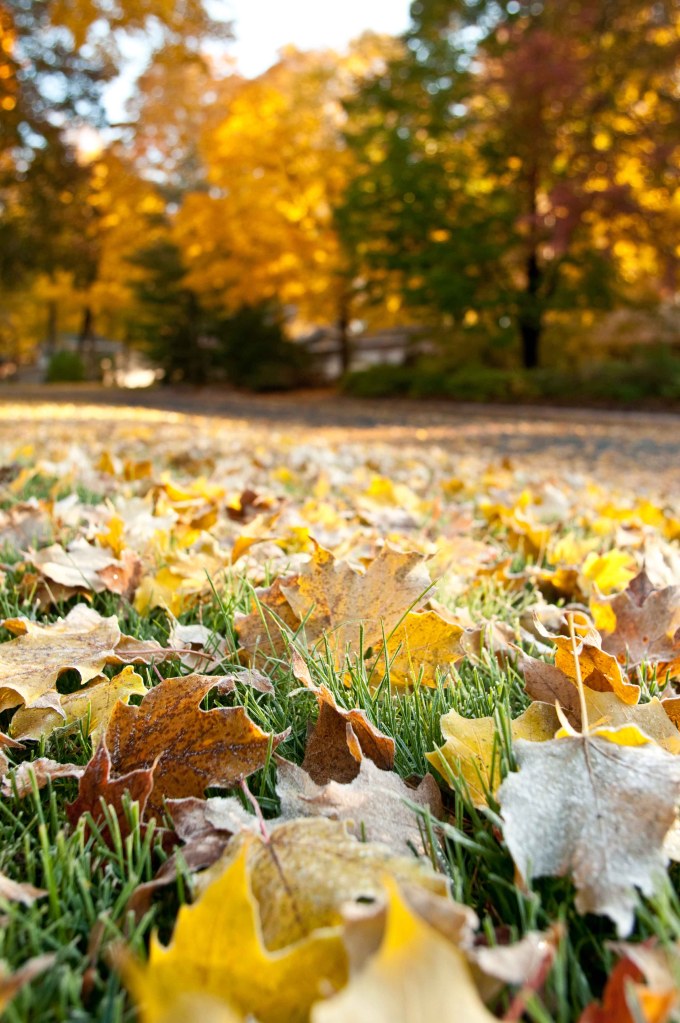
It’s also a-ok to skip raking in the fall, unless you have very heavy leaf cover on your lawn. Instead, mow your yard a few times during the fall to break up leaves so that they can naturally decompose during the winter and provide a natural source of fertilizer for your lawn. In woodland and garden areas, allow leaves to lie where they fall. They will help to maintain soil moisture during the winter and provide a safe place for salamanders, toads, small mammals, and insects to hibernate.

In woodland areas, fall is an ideal time to remove invasive species like buckthorn. This non-native shrub originally hails from Europe and has gradually invaded forests and woodlands across the eastern and central United States. Buckthorn leafs-out earlier in the spring than native shrubs and holds its green longer into the fall, making it easy to identify in October and November. If you cut it down, be sure to treat the stump with an herbicide to prevent it from re-sprouting, or cover the stump with a tin can or black plastic.
For yard trees like maples, crabapples, plums and such, feel free to give them a good dose of water if there are several weeks of dry weather and continue doing so until the ground freezes.


Happy fall y’all!

 East Metro Water