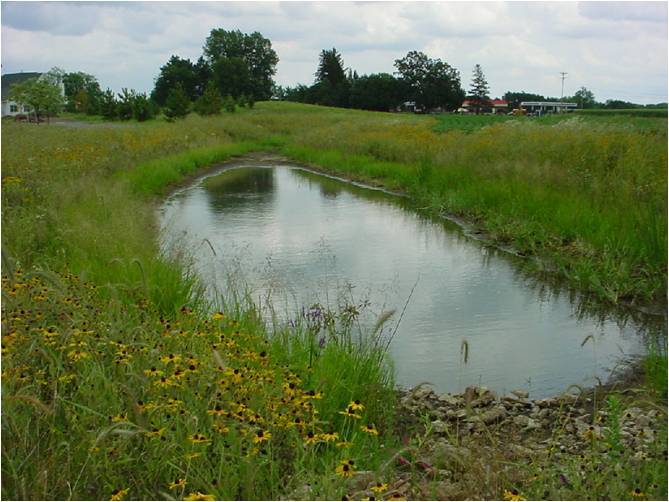
Your local neighborhood pond may have a bit of a secret. Sure, it’s full of water and the ducks love it, and there may even be cattails and reeds growing along the shore. If you’re in a newer housing development and especially if you can see an inlet and outlet somewhere along the edge of the pond, however, there’s a good chance that it is actually a manmade feature designed to treat stormwater runoff.
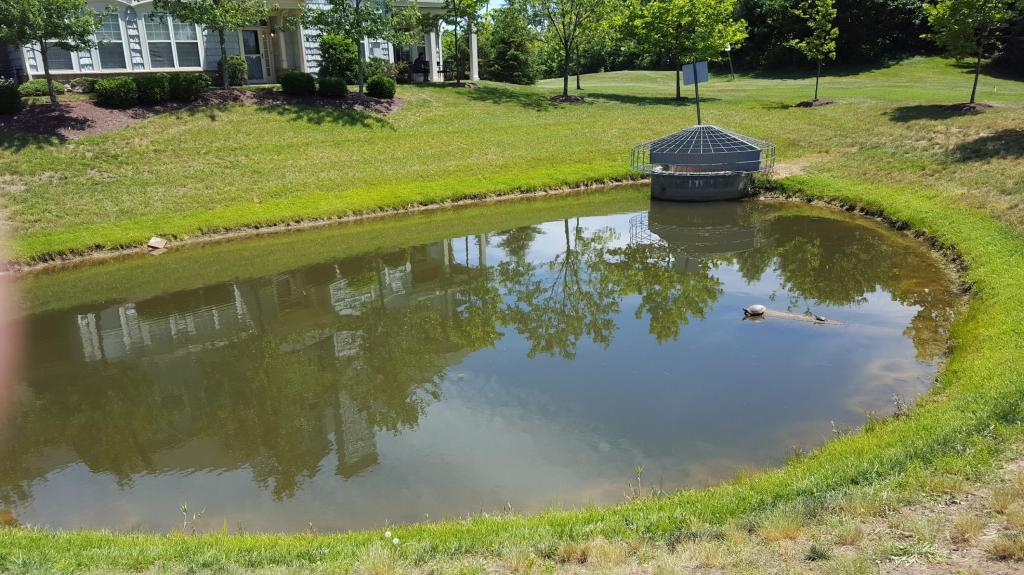
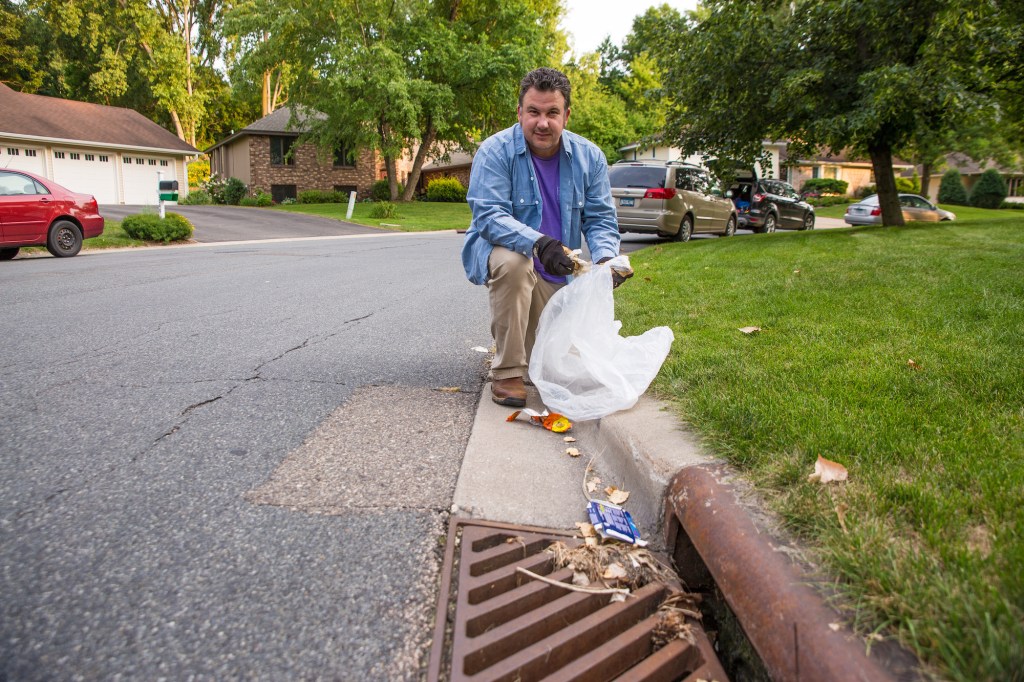
When it rains, water that can’t soak into “impervious” surfaces like rooftops, driveways, and roads runs-off into nearby wetlands, lakes, and streams. To prevent flooding and help the water move more efficiently, most communities use a series of roadside ditches and underground stormwater pipes. In older neighborhoods, these pipes usually lead directly to a nearby lakes and streams without any filtration or treatment. In neighborhoods built after the 1990s, however, pipes more often flow through constructed stormwater ponds first before they head out into the wild.
There are a few clues you can look for to determine if your local neighborhood pond is natural or manmade.
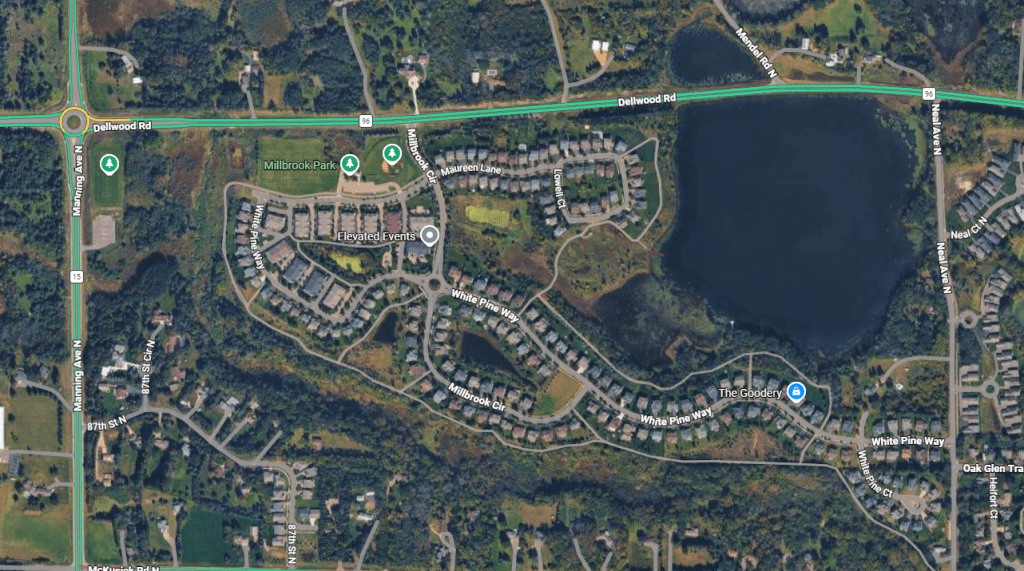
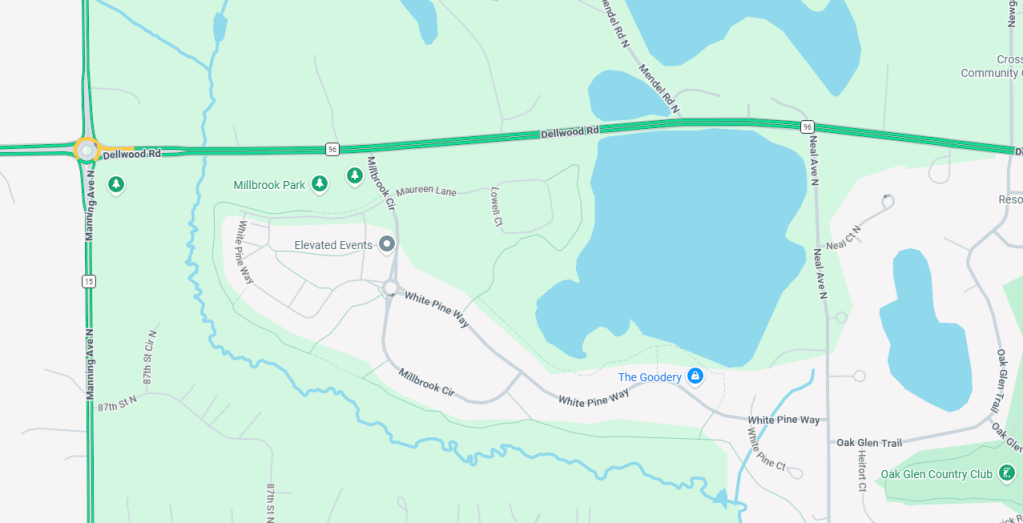
Stormwater ponds always have inlet and outlet pipes, usually made of concrete, and water levels tend to stay relatively constant throughout the year. If the pond is located at the bottom of a depression, surrounded by a ring of houses, it is almost certainly a stormwater pond. Likewise, if you can see the pond in satellite view on google maps but it disappears when you toggle to “terrain” mode, it is probably a stormwater pond. Stormwater ponds usually have steep banks, as well, which makes them unsafe for wading and exploring.
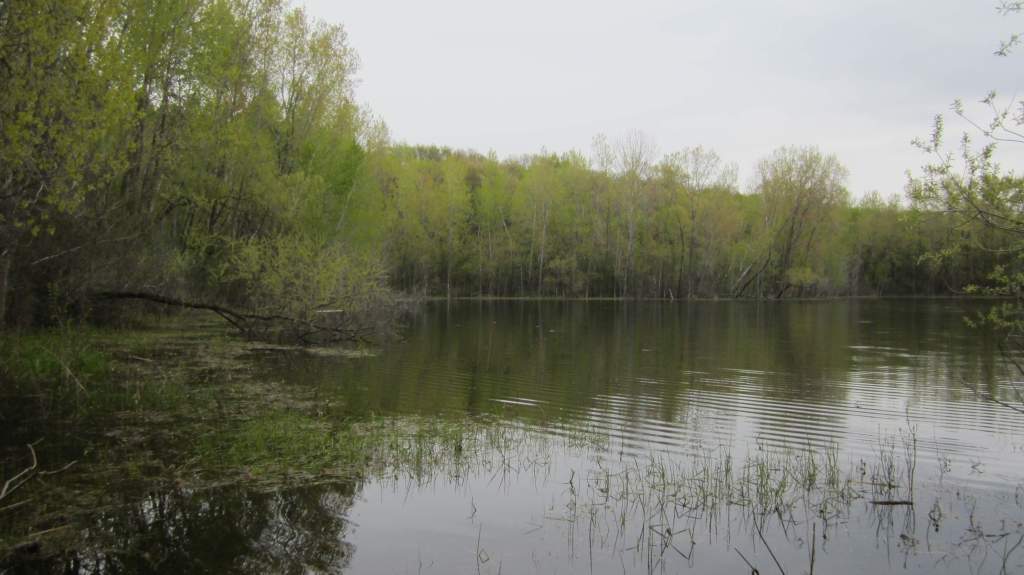
Natural ponds and wetlands may still have pipes added if they are collecting stormwater from the neighborhood. If there are no pipes in sight, however, yours is almost certainly natural. Water levels tend to fluctuate in natural ponds and wetlands, and some even dry up during the summer. Large trees along the shoreline are another sign that your pond is natural. Lastly, the water will usually be shallow around the edges (even if it’s very mucky!).
When we talk with local residents, we encourage people to limit their use of pesticides and fertilizers, and to plant native trees, shrubs, and flower gardens in order to reduce stormwater runoff pollution to nearby lakes and streams. Having a more “natural” yard will help to protect your local neighborhood ponds as well.
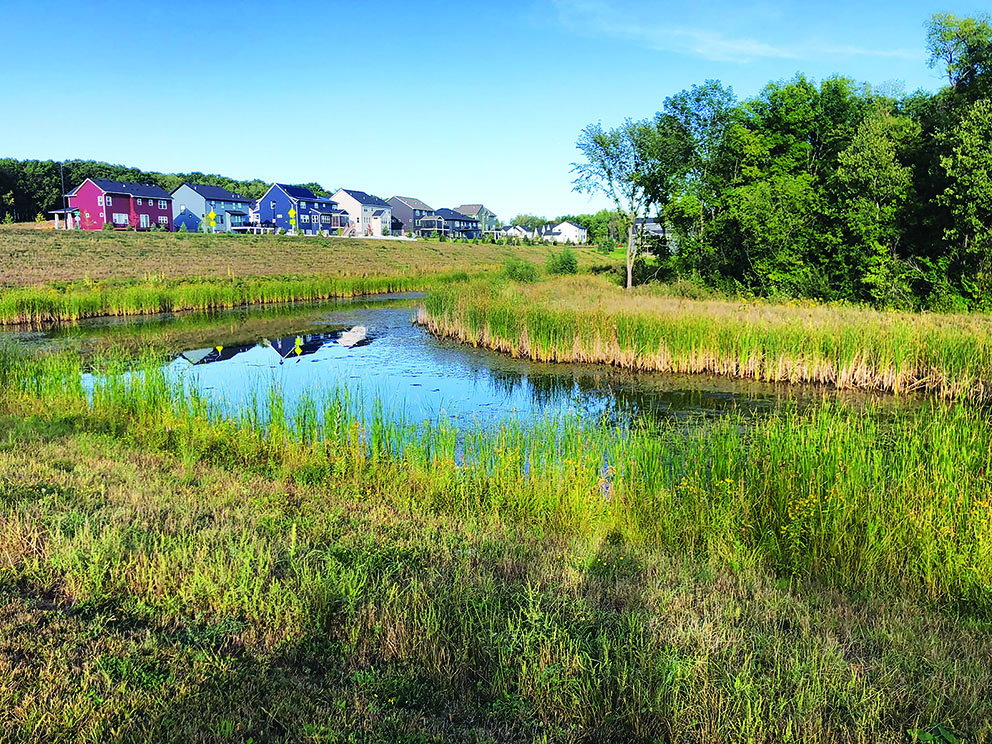
If your pond is actually a stormwater pond, however, it’s important to have realistic expectations for what it will look like throughout the year. Stormwater ponds are designed to capture as much nutrients, sediment, and pollution as possible in order to protect downstream waterways. As a result, they often turn green with algae during the summer. In addition, your local city or HOA will need to access the ponds periodically to do maintenance, cut back trees and shrubs, and remove accumulated sediment.
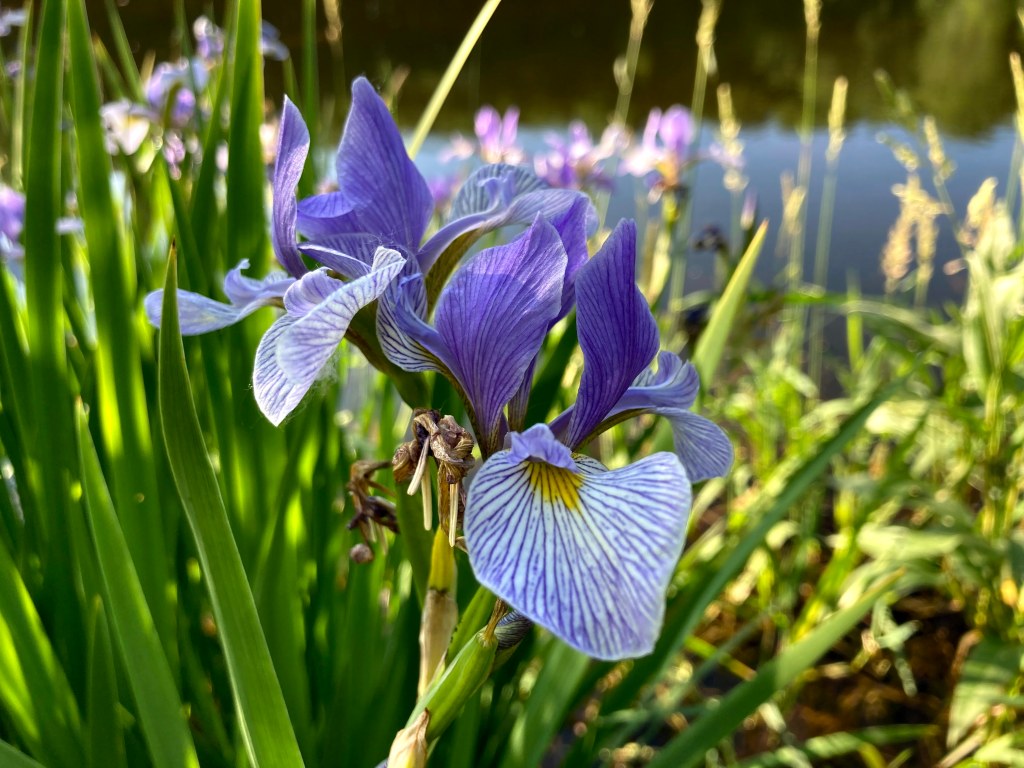
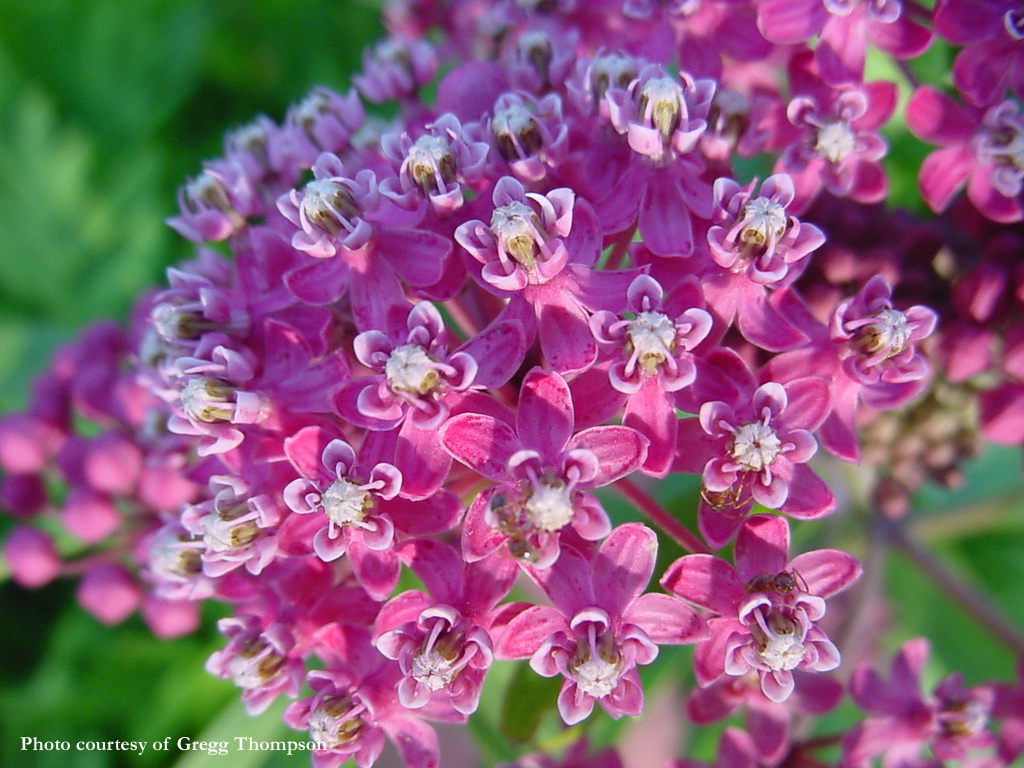
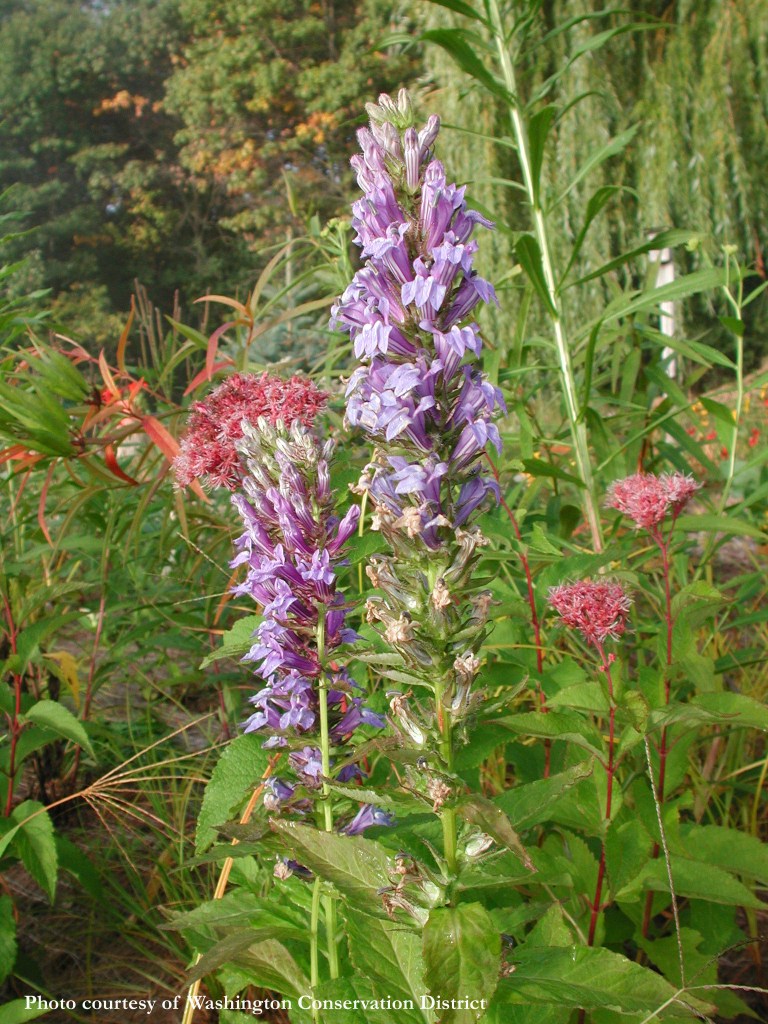
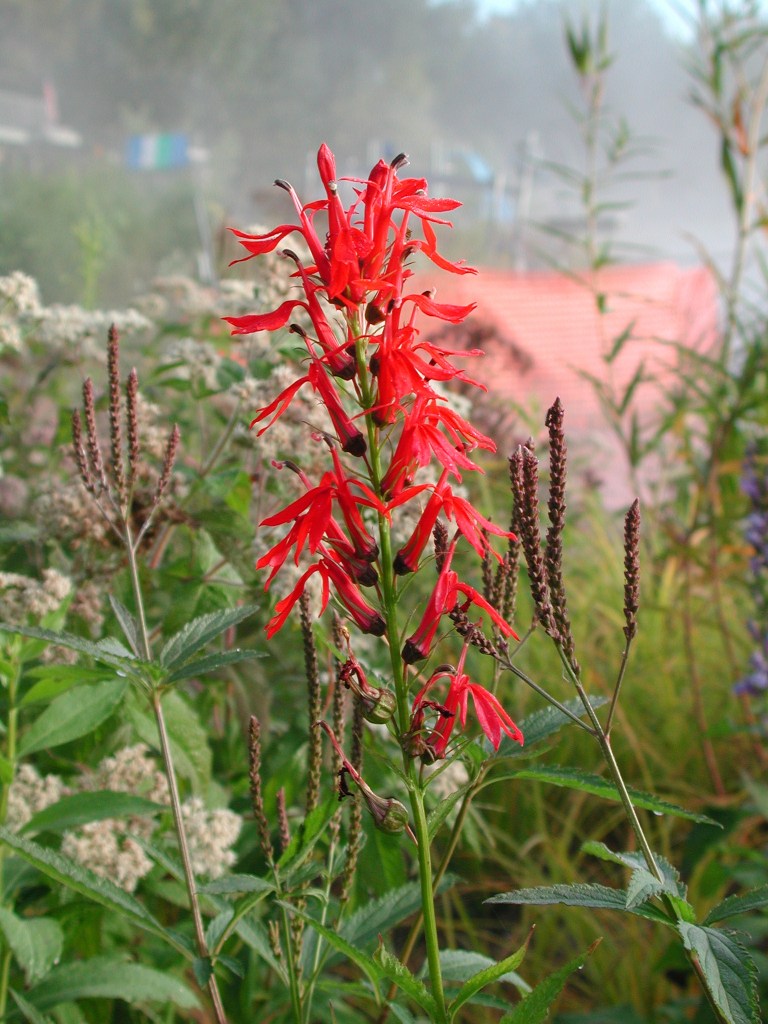
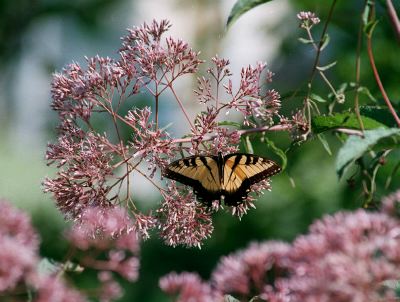
Looking for suggestions on what to plant along the edge a pond or wetland in your yard? Native plants with wet toes include marsh milkweed (pink blooms), joe pye (pink), greenheaded coneflower (yellow), bottle gentian (late bloomer – blue), golden alexanders (yellow), boneset (white), cardinal flower (red), blue flag iris (purple), blue lobelia (purple), or red-osier dogwood (a shrub with red branches). Find more plant recommendations at www.BlueThumb.org.

 East Metro Water