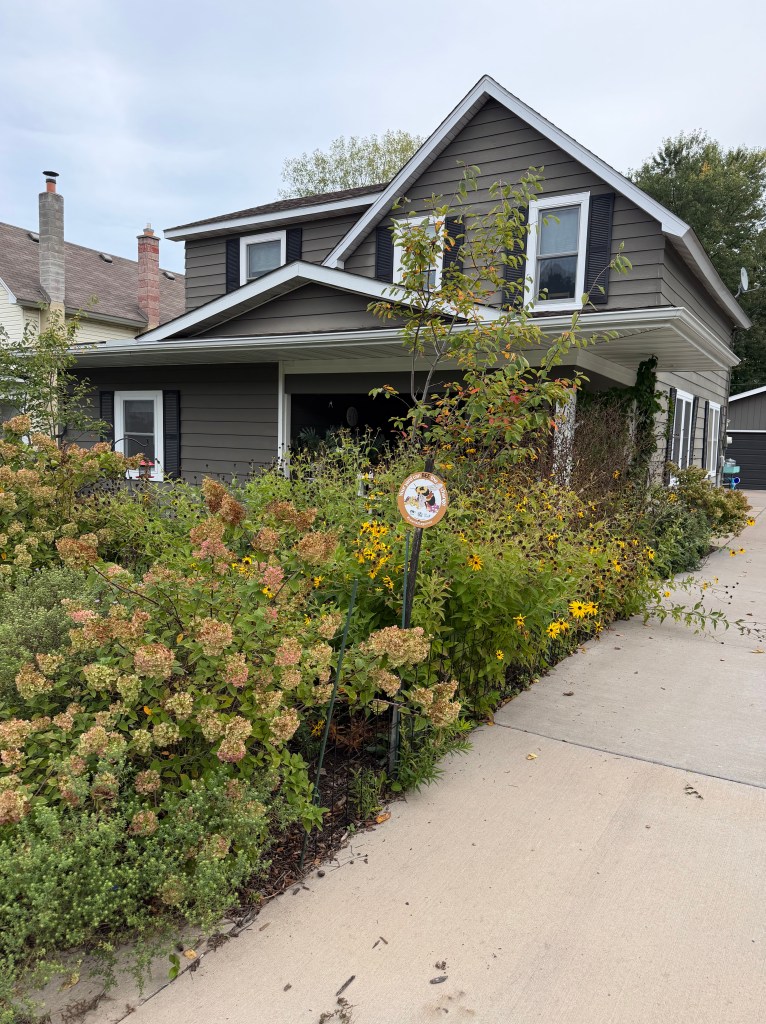
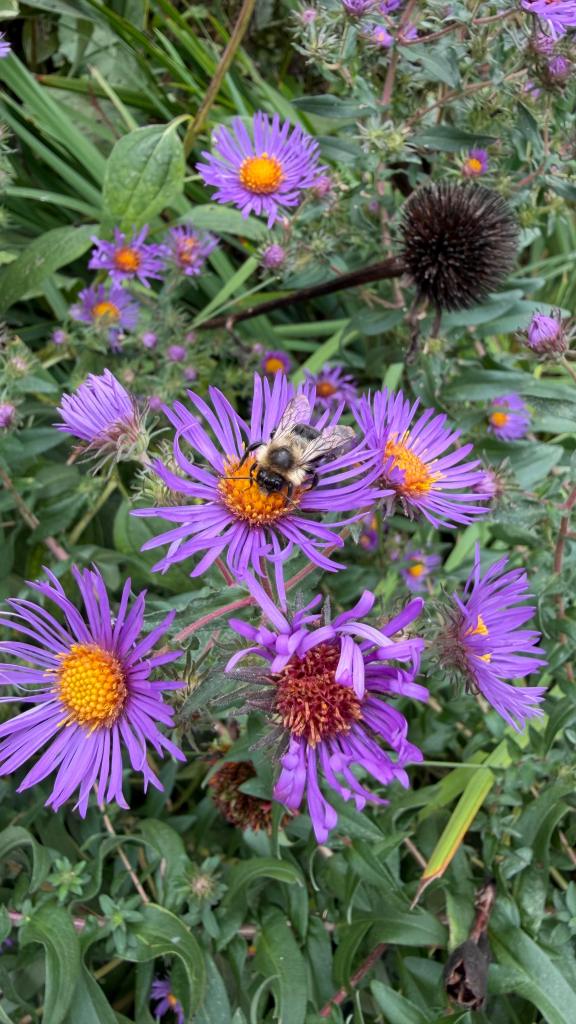
When you arrive at Wendy Gorski’s home, it’s obvious she’s a nature-lover. Bright yellow black-eyed Susans spill out onto the driveway and the front yard literally buzzes with life as fat, fuzzy bumblebees hum among the asters, collecting their last bits of pollen and nectar before the winter arrives. Walk around back to a newly built outdoor classroom, and the natural wonder continues.
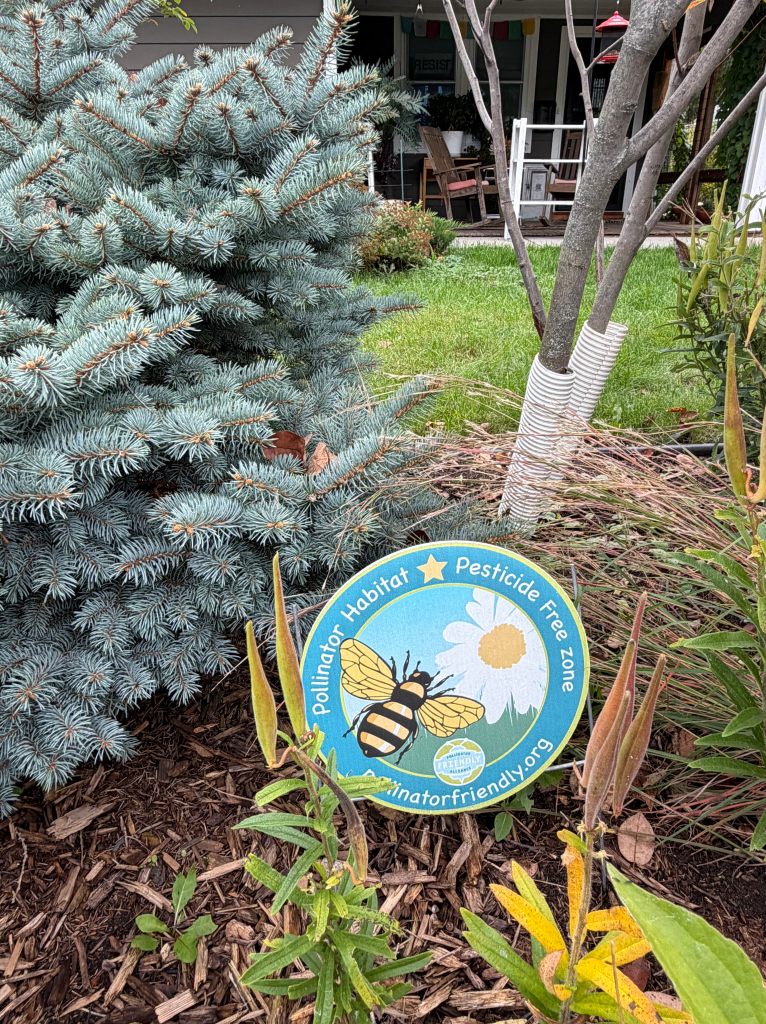
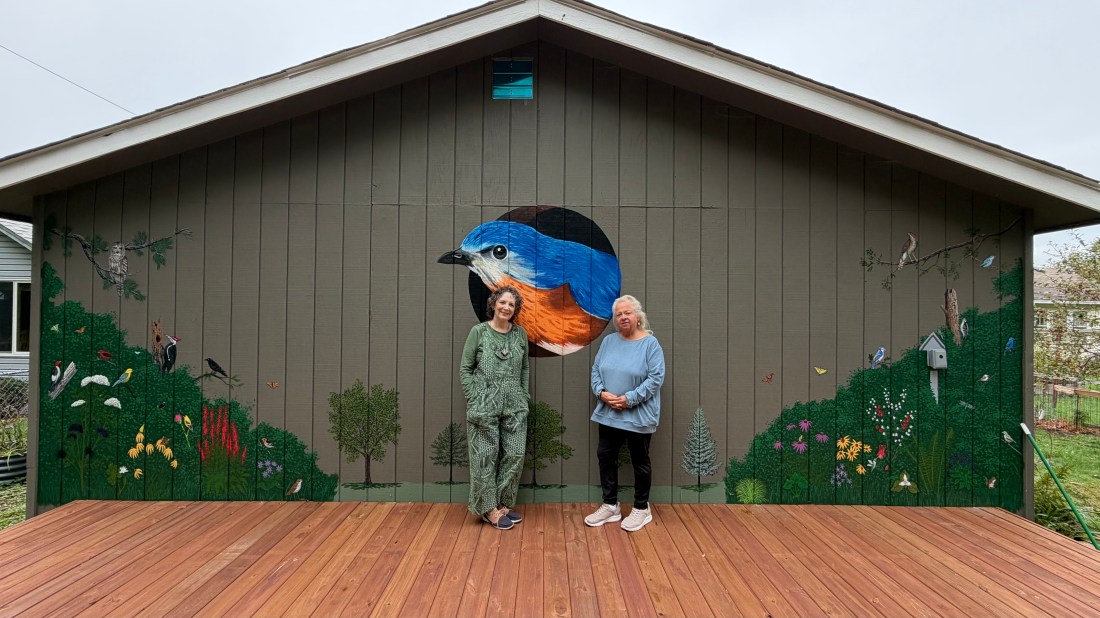
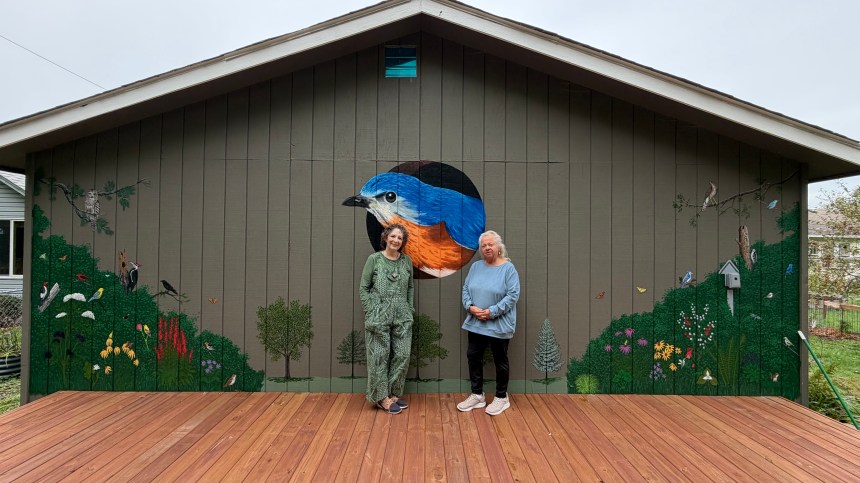
“So many people love the idea of supporting bird habitat but don’t know how to get started,” Wendy explains as she leads us through a native woodland garden that is filled with bird baths and interpretive signs. A trio of blue jays lands in a chokecherry tree, as if to illustrate her statement. There are walking paths, an info kiosk built by local Scout Lila Janet, and a giant colorful mural painted across the back of her garage. “We’re envisioning this as a space where small groups of teachers and students can come to learn about native plants, food webs, and the needs of birds and pollinators,” Wendy continues.
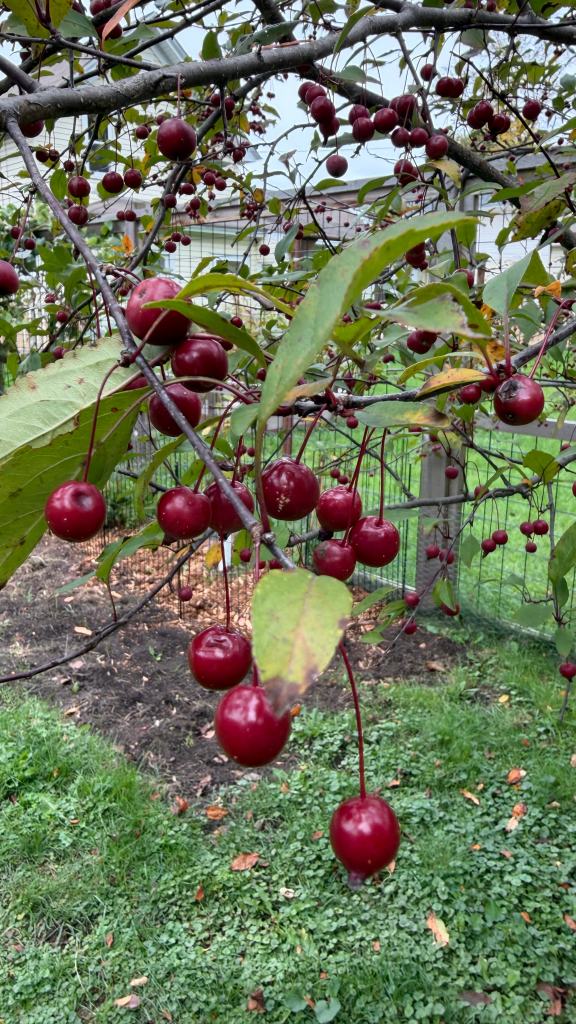
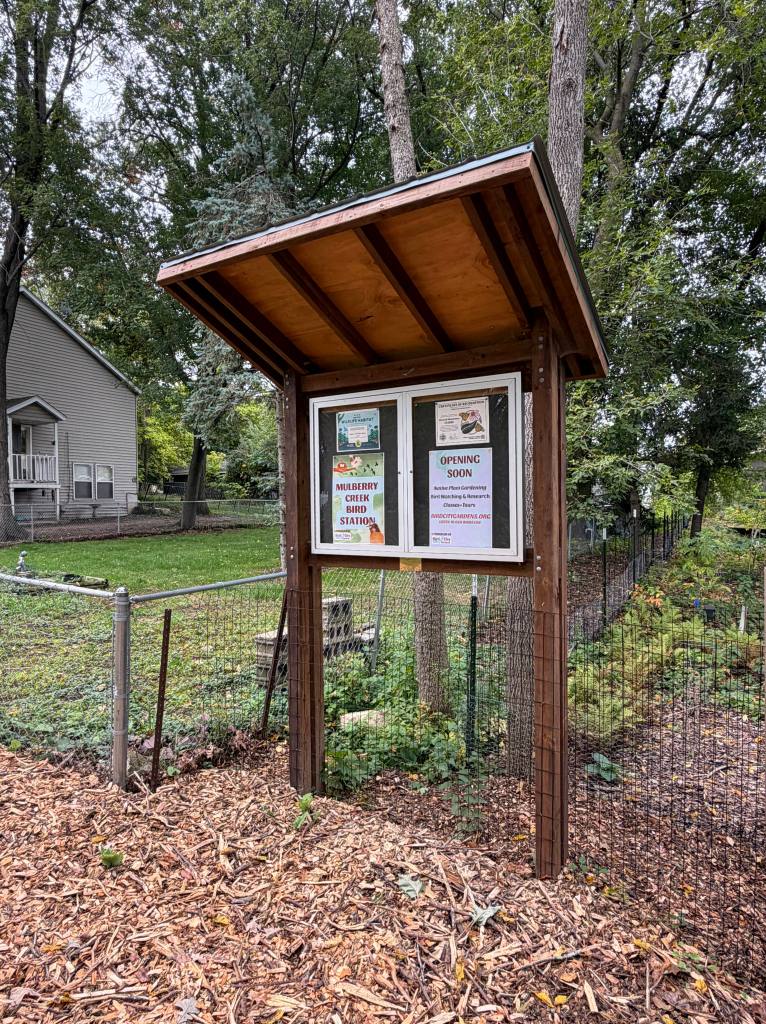
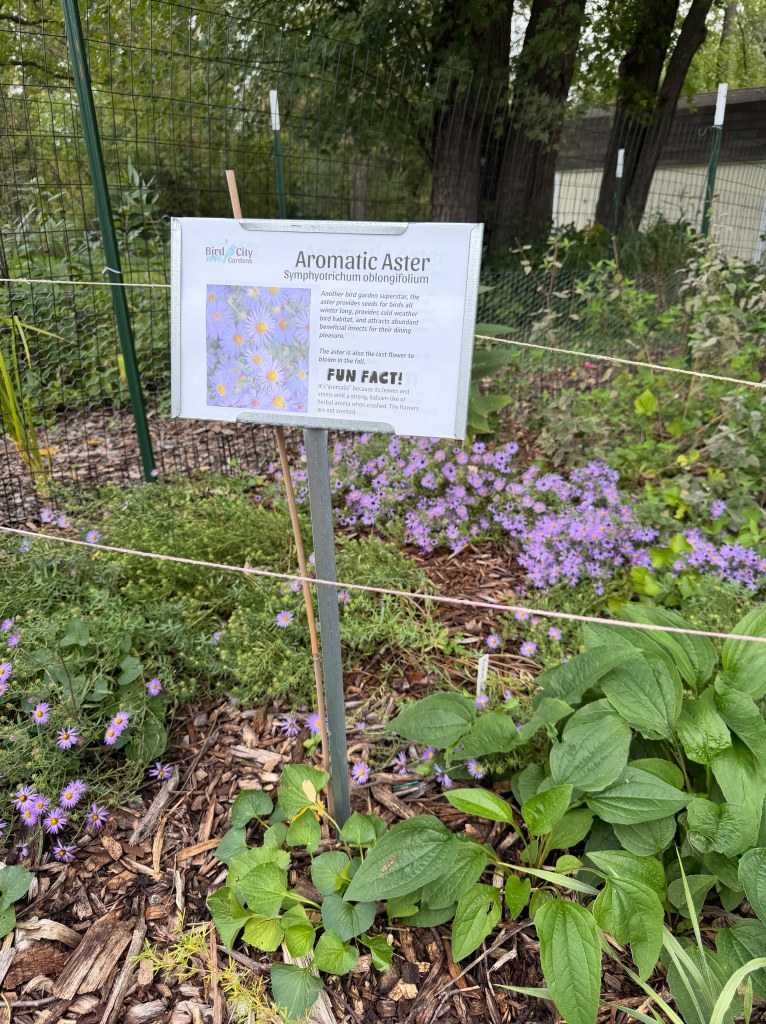
Two years ago, Wendy’s love of birds inspired her to begin thinking about her Stillwater yard and how it could help to provide habitat connectivity between Lake McKusick, a nearby wooded ravine, and the St. Croix River. She scheduled a free site visit and met with Brett Stolpestad, a Landscape Restoration Specialist with the Washington Conservation District (WCD). “Brett helped us to develop a planting plan and came out several times over the past year to provide advice once we got started,” she says. With Brett’s help, Wendy also applied for and received plant grants from the Middle St. Croix Watershed Management Organization and Minnesota’s Lawns to Legumes program to help turn her vision into a reality.
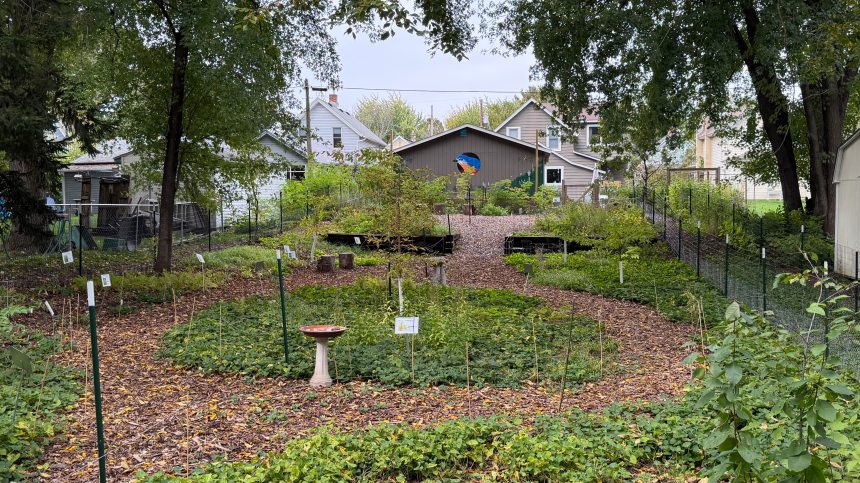
Now, Wendy hopes her yard can serve as inspiration for other people in Stillwater to go a little bit bird crazy. She’s founded a small nonprofit called Friends of Bird City Gardens and recently secured a $10,000 Great Idea Grant from the Stillwater Area Community Foundation to help neighbors establish bird-friendly gardens of their own. She’s also assembled a team of volunteers and board members to help with door to door outreach and other educational activities. Allison McGinnis, who leads the Bird City Stillwater team for Sustainable Stillwater, is serving as board chair and brings decades of experience with the Trumpeter Swan Reintroduction Program, conducting bald eagle telemetry studies, and leading raptor education and training initiatives.
“We’re calling it the Stillwater Wildway project,” Wendy explains, “and our vision is to create a corridor of native gardens in central Stillwater between Lake McKusick and the St. Croix River.” At the center of the Wildway is Wendy’s home, now known as the Mulberry Creek Bird Station, which will serve as a demonstration site and an outdoor classroom.

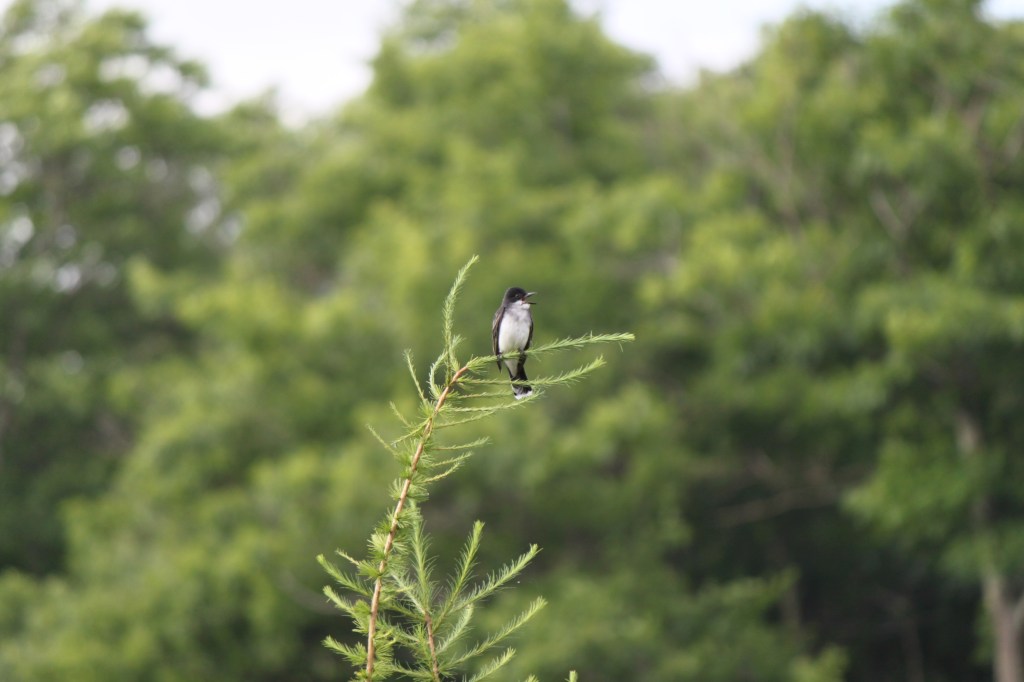
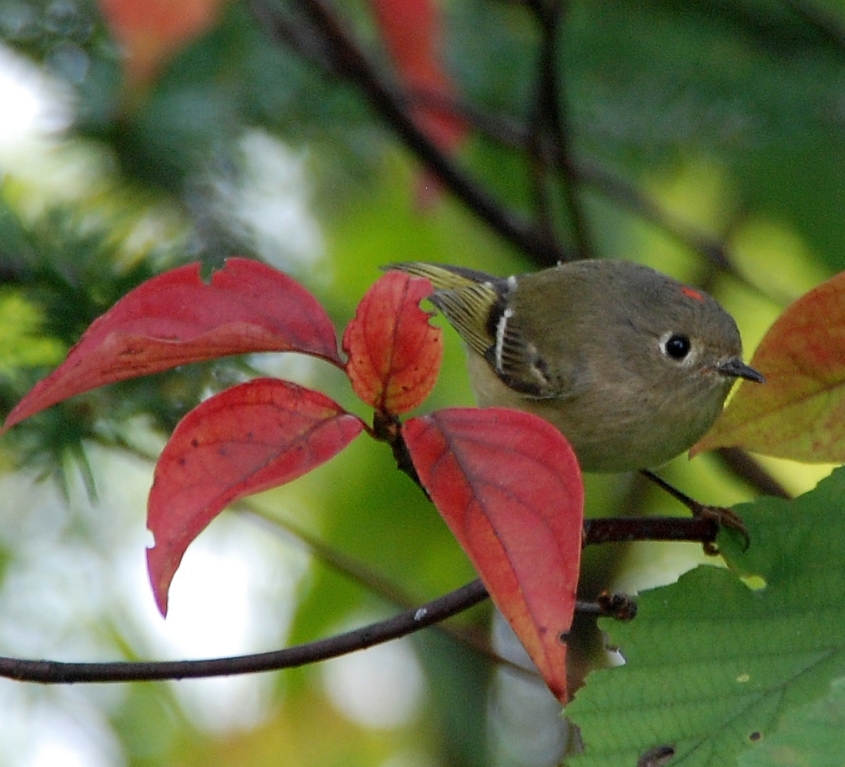
The St. Croix River forms an ecological corridor for more than 300 species of birds, from golden-winged warblers to Henslow’s sparrows, red-shouldered hawks, and bobolinks. In addition to needing intact habitat – prairie, forests, and wetlands – many of these birds also require a robust population of native insects to eat. Unfortunately, however, insect populations worldwide are declining due to habitat loss and the increasing use of neonicotinoids and other pesticides.
Research by Doug Tallamy and Gregory Shriver finds that we have lost 29% of our total bird population the U.S. and Canada over the past 50 years (3 billion individual birds). Ninety percent of these have been insect-eating species. Planting native trees and shrubs such as hackberry, nannyberry, pagoda and redosier dogwood, hazelnut, hawthorne, wild plum, black cherry, white pine, red maple, and white oak is one of the most impactful actions people can take to support beneficial native insects and help prevent further declines in bird populations.
Through Friends of Bird City Gardens, Wendy, Allison, and other volunteers hope to recruit at least 25 homeowners in central Stillwater to plant native trees, shrubs, and gardens to support birds. During outreach, they’ll be sharing resources from the WCD and Lawns to Legumes, as well as helping people to select the best species for their yards and identify good locations for planting. Tours and classes on subjects including art and nature, ecosystem science, and native plant gardening, will start in spring of 2027. Learn more about the project at www.birdcitygardens.org.
Want to create a bird-friendly landscape at your home? Check out these tips and planting suggestions from Audubon Minnesota and the Lawns to Legumes program.


