I pretended to eat a maggot in the name of science. Once you learn why, you’ll you’ll want to do it too.
Read More
Tips and tales about keeping water clean
I pretended to eat a maggot in the name of science. Once you learn why, you’ll you’ll want to do it too.
Read More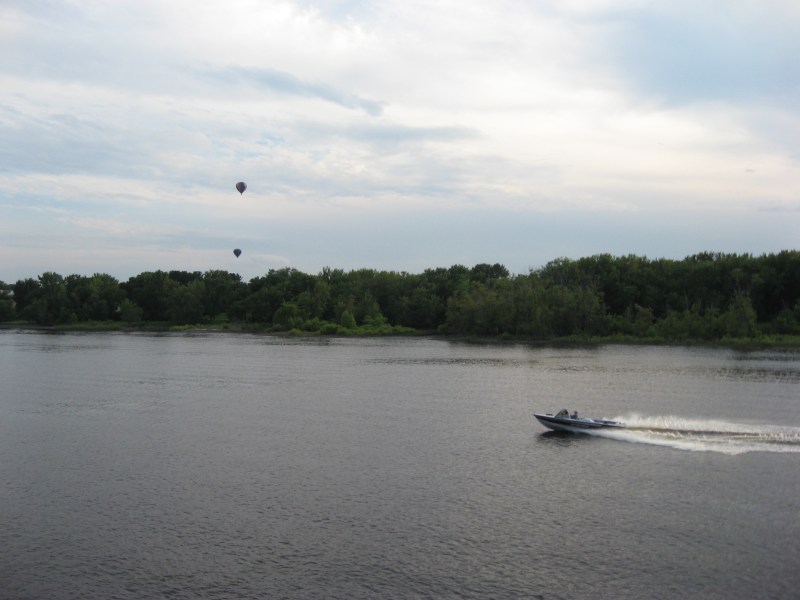
From 2016 to 2023, the number of inspected watercraft In Washington County with drain plug violations dropped from 7% to 1%. This is an indication that watercraft inspections and AIS education programs are working.
Read More
There is a growing (pun intended?) movement across Minnesota as more and more people begin to think of their yards, not just as a place to relax and recreate, but also as a living landscape that can help to support wildlife and keep water clean. One group of people helping to fuel this movement is the Blue Thumb – Planting for Clean Water partnership, which was formed in 2007.
Learn about upcoming workshop, native plant retailers, garden templates, and other resources to help you go blue & green!
Read More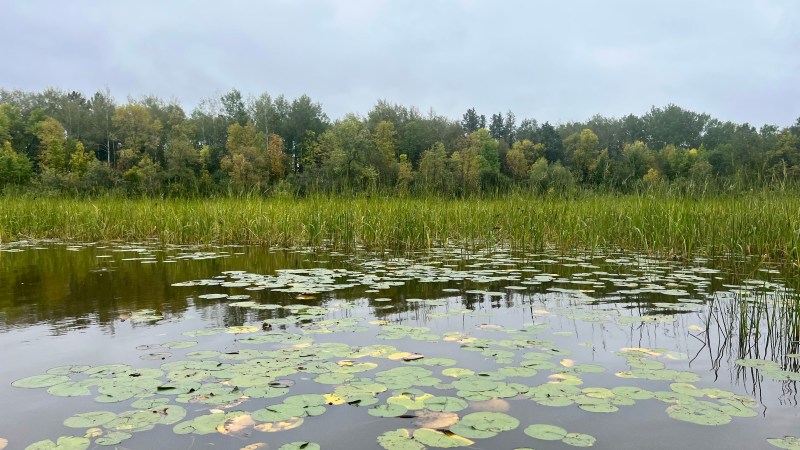
Minnesota gained roughly 43,000 acres of wetlands statewide between 2006 and 2020. Wetland health varies greatly across the state, however, and some types of wetlands are more at risk.
Read More
Though it may not seem intuitive, winter is actually a great time to begin sowing seeds for native perennial grasses and flowers. Learn how and get inspired to incorporate a new native plant into your gardens this spring!
Read More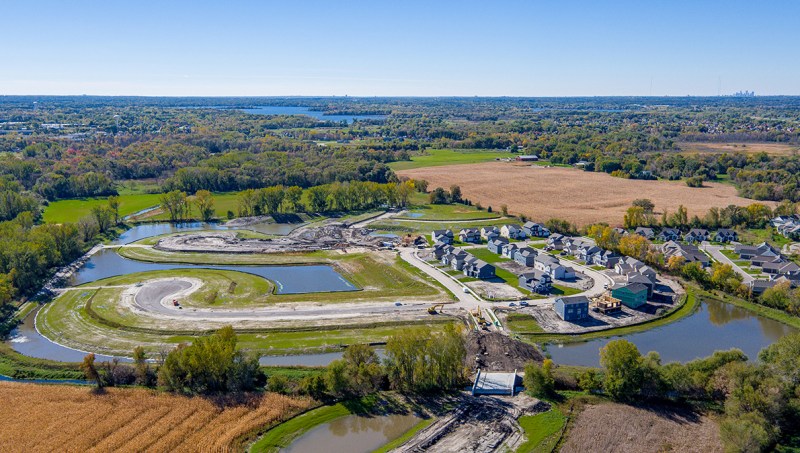
Washington and Anoka Counties are two of the top ten fastest growing counties in Minnesota, and Isanti is close behind at number eleven. There was a 28% increase in property values in northern Washington County in 2022, and, according to the Star Tribune, the cities of Lake Elmo (1), Lindstrom (2), Cambridge (5), and Stillwater (9) are among the hottest housing markets in the state. What tools exist to help small towns grow in a way that protects natural resources and maintains a sense of community?
Read More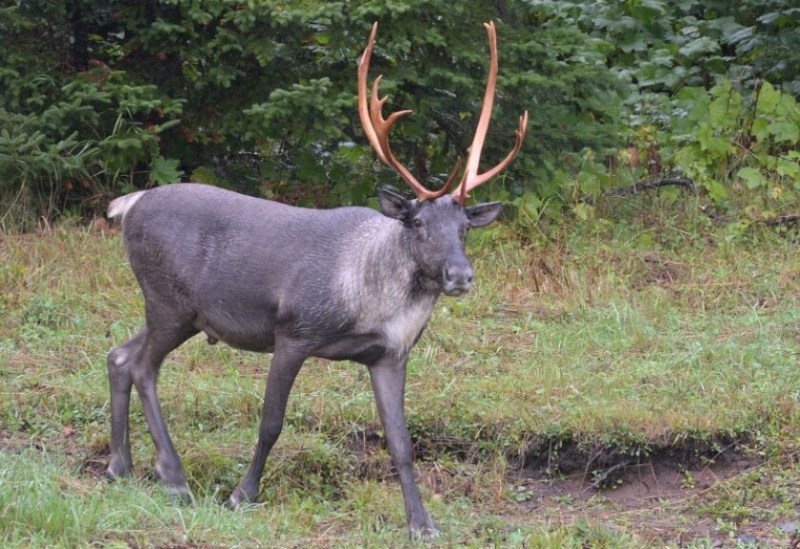
In the early 1800s, caribou were the most widespread species of the deer family in the northern forests of what is now Minnesota, Wisconsin, Michigan, and Canada. Since then, wildlife species in Minnesota have changes dramatically as a result of logging, loss of prairie and wetlands, invasive species, and climate changes.
Read More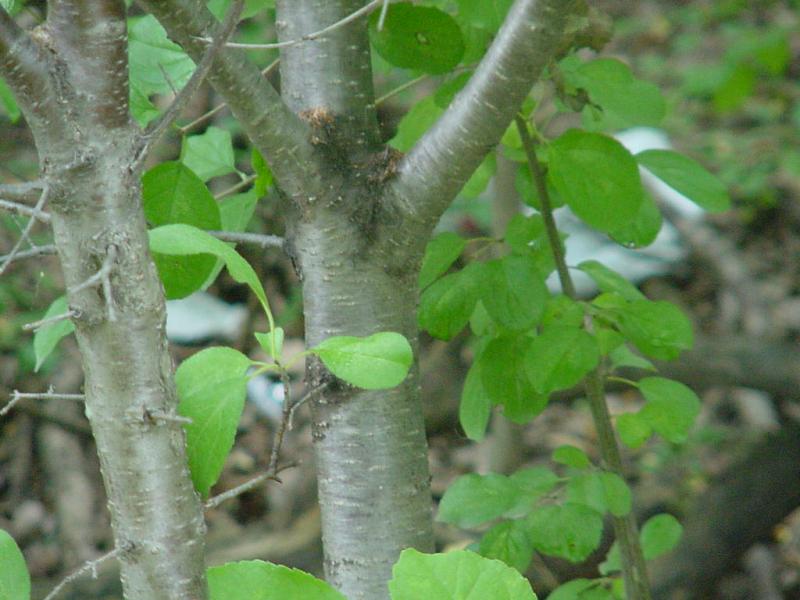
Critical period cutting shows promise as an herbicide-free control strategy. Research shows it is also important to replant woodlands with native trees, shrubs, flowers and grasses after removing buckthorn.
Read More
In 2023, CMSCWD launched a comprehensive lakeshore protection and restoration program for the ten most popular lakes in the watershed district, developed stormwater treatment projects for Big Carnelian and Big Marine Lakes, and began planning for a future restoration project on Mill Stream in Marine on St. Croix.
Read More
At this year’s Minnesota Watersheds annual conference, Matt Moore was recognized with an Outstanding Watershed Administrator award and the Trout Brook Restoration was selected as Minnesota Watershed Project of the Year. South Washington Watershed District also received recognition for 30 years of programming. When receiving the awards, Moore didn’t give a flowery speech and he definitely didn’t wear a tie.
Read on to learn more about the man who’s led South Washington Watershed District through 25 years of flood resiliency and water quality achievements.
Read More East Metro Water