Want to learn about caring for your trees and woodlands? Join us for a walk in the woods next Tuesday, May 28, 5:30-8:30pm at Belwin Conservancy. Register at tinyurl.com/2024woodlands.
Read More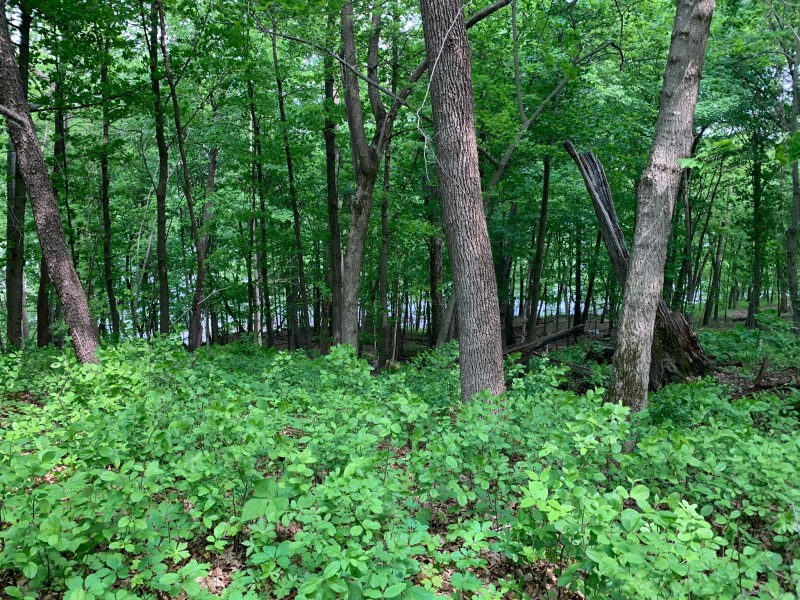
Tips and tales about keeping water clean
Want to learn about caring for your trees and woodlands? Join us for a walk in the woods next Tuesday, May 28, 5:30-8:30pm at Belwin Conservancy. Register at tinyurl.com/2024woodlands.
Read More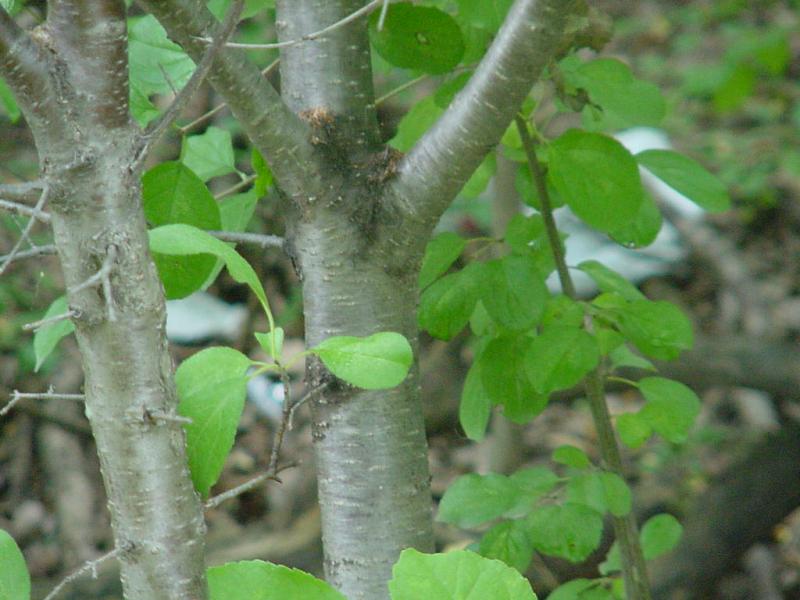
Critical period cutting shows promise as an herbicide-free control strategy. Research shows it is also important to replant woodlands with native trees, shrubs, flowers and grasses after removing buckthorn.
Read More
On this evening in June, our group is gathered at Belwin to learn about managing woodlands for resiliency, and one of the key take-aways is that a love of forests requires landowners to actively engage with and care for their forests and woodlands.
Read More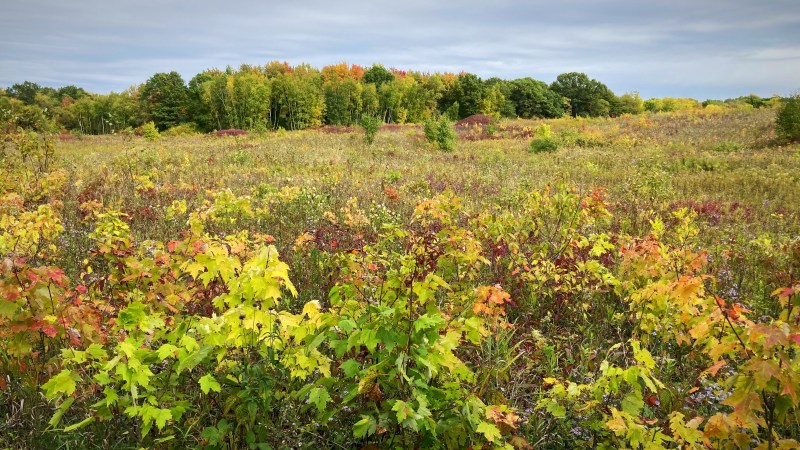
Take a break from raking leaves and get involved in efforts to create more resilient woodlands this fall.
Read More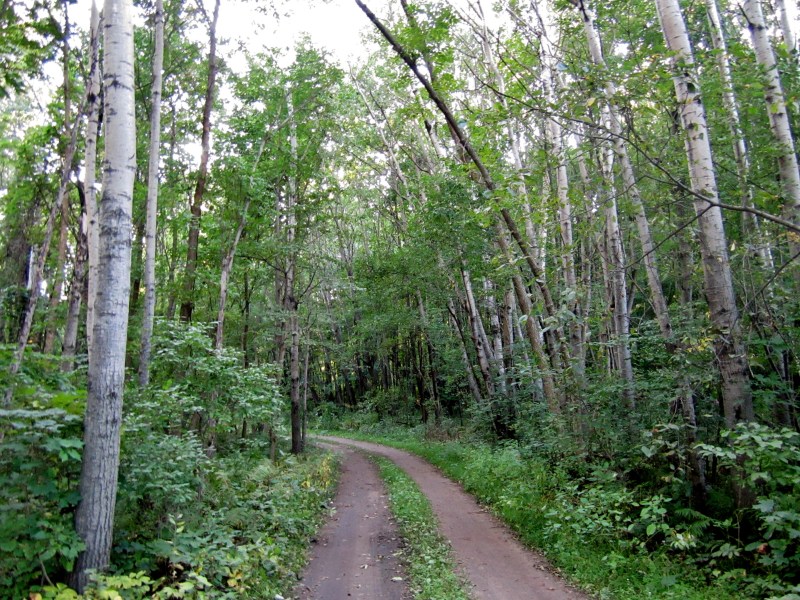
If you are working to remove large areas of buckthorn, MyMinnesotaWoods staff advise that late summer and fall are the best times to cut and treat buckthorn stumps with herbicide in order to prevent regrowth.
Read More
Sunfish Lake Park visitors will immediately notice the changes on site, where contractors and volunteers have been clearing buckthorn since late winter.
Read More
The school is converting 2.5 acres of turf to prairie and rehabbing 7.5 acres of low-quality woodlands.
Read More
This summer, Friends of Sunfish Lake Park secured a $139,000 grant from the Minnesota Lessard-Sams Outdoor Heritage Council Conservation Partners Legacy Grant Program to remove buckthorn and restore native plants in 40 acres of the park. The City of Lake Elmo will contribute $10,000 to the project and volunteers will provide at least 300 hours of in-kind support as well.
Read More
In addition to its annual tree sale, the Washington Conservation District offers advice and assistance to landowners hoping to create and improve woodland habitat on their properties.
Read MoreAlthough they may look innocent at this stage, the gypsy moth caterpillars are extremely dangerous for trees. They feed for five to six weeks during late spring to mid-summer, during which time each caterpillar can eat up to nine square feet of leaves.
Read More East Metro Water