
It was 1989, and though Gen X didn’t start the fire, we sure did watch it burn. In the spring, Chinese citizens in Tiananmen Square tried and failed to start a democratic revolution; later that same year, the people of Germany tore down the Berlin Wall, marking a figurative and literal end to the Soviet Union’s Iron Curtain. Construction began on Moscow’s first ever McDonald’s, the first commercial dial-up internet connection was made in North America, and, in a little town in Alaska, an oil tanker ran aground, spilling 11 million gallons of oil into the Prince William Sound. It was one of the largest environmental disasters in U.S. history.
Fast forward to this July and my family decided to head up north – way up north – for a two-week vacation in Alaska. While there, we visited Denali National Park, the Kenai Peninsula, and the beautiful and charismatic town of Valdez, population 3985.
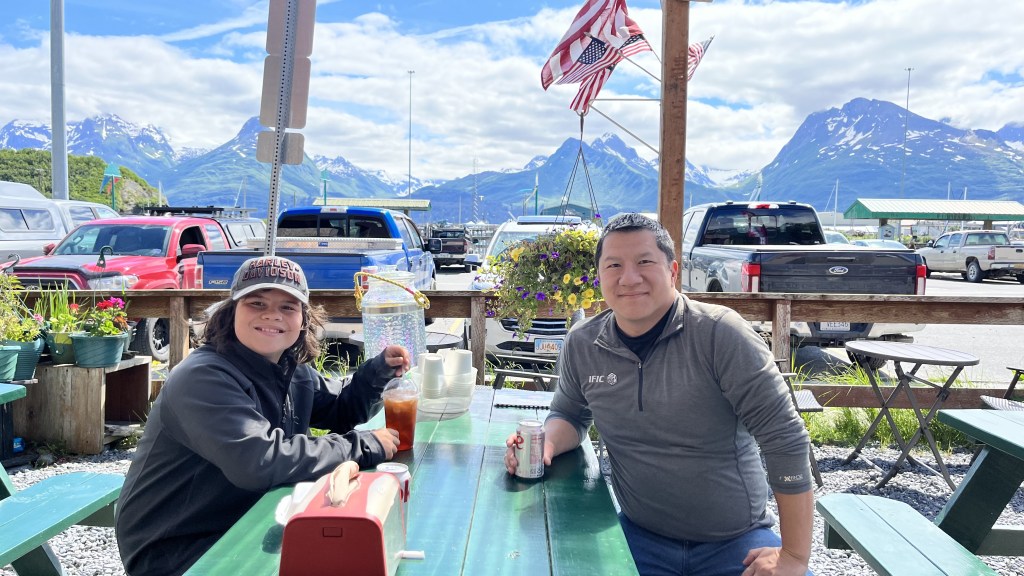
Thirty-five years after the Exxon Valdez oil spill, the estuaries and bays surrounding Valdez are clear and clean again and the area has become a popular destination for fishing excursions, kayak trips, and other outdoor adventures. Even so, long-term effects from the oil spill can still be seen in the otter, herring, and orca populations today.
We arrived in Valdez just in time to catch the beginning of the annual salmon run in the Prince William Sound. This natural phenomenon occurs each year when adult salmon migrate back to the streams where they were born to lay eggs and then die, completing the circle of life. On the first day of this year’s run, we drove to a fish hatchery across the bay from Valdez and watched a trio of sea lions patrolling the entrance, casually snacking on salmon that were heading upriver with the rising tide.
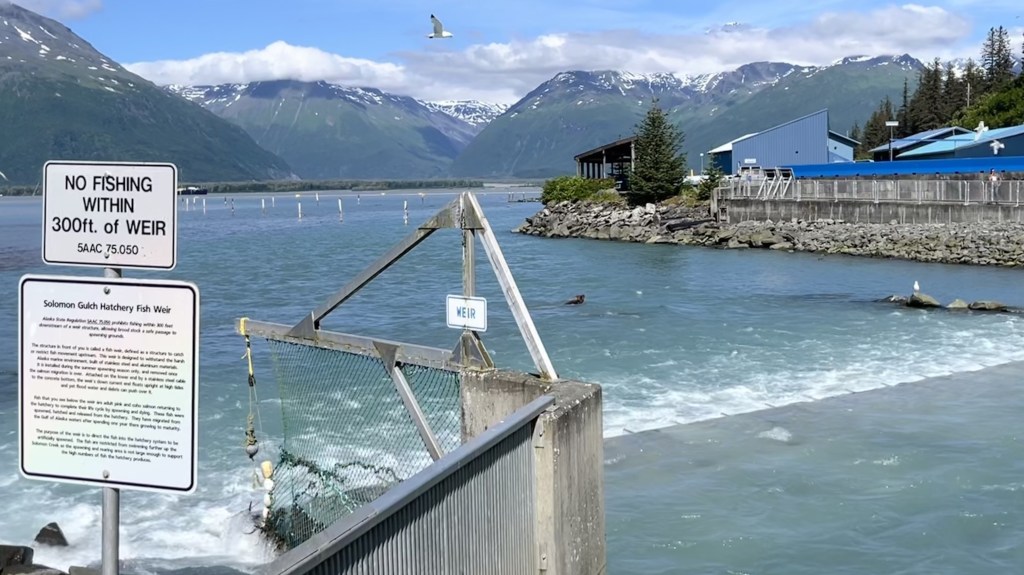
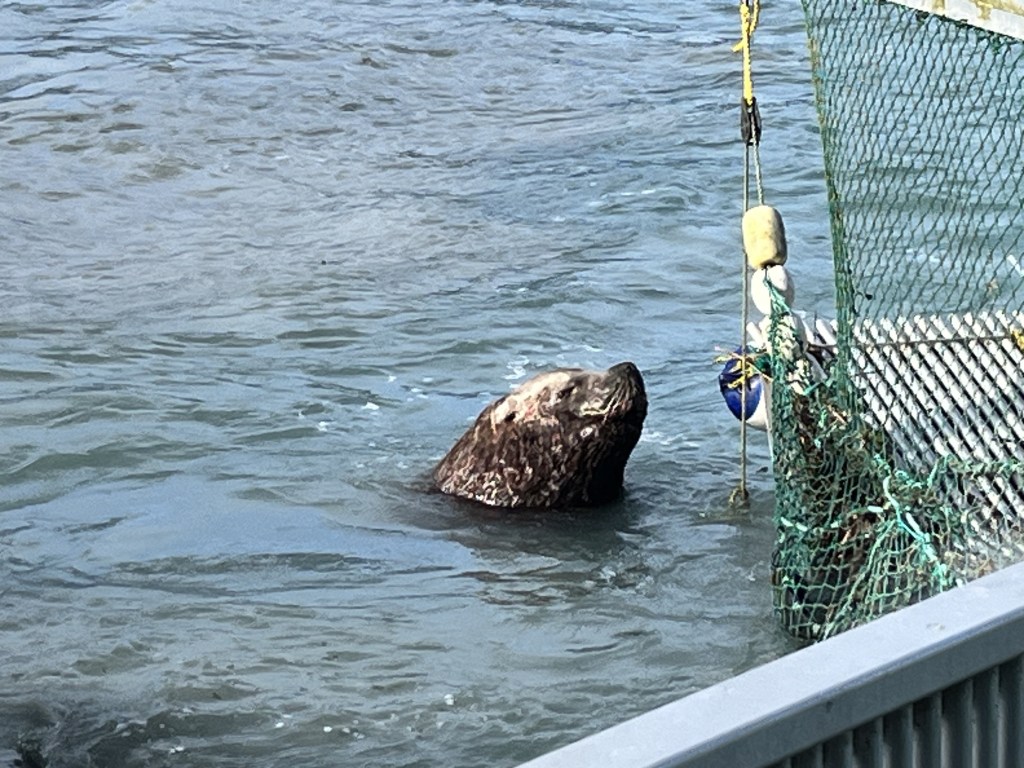
Later that week, we spent three days kayaking and camping on the sound, where we explored Shoup Bay and Sawmill Bay State Marine Parks. We were thrilled to see salmon swimming in giant schools beneath our boats and saw so many leap out of the water that we felt certain we could have caught an easy dinner if we’d been in open canoes instead of kayaks. By the end of the week, the salmon run was in full swing, and we awoke one morning to find our formerly quiet campsite surrounded by several dozen commercial fishing boats, as if we’d been invaded by an armada overnight.

In addition to sea lions and fishermen, numerous other wildlife converge in the Prince William Sound each summer to take advantage of the bountiful fish feast. Beluga whales follow the silver salmon migration and also learn to time their comings and goings with the rising and falling tides. There can be more than 10ft difference in water depth between high and low tides, so most of the ocean’s “arms” vacillate between being impassible mudflats and wild choppy waters, depending on the time of day. We didn’t see any whales on our trip, but saw numerous harbor seals and sea otters, both of which followed our boats from a distance and then floated off shore, watching us as we camped.


“The otters were nearly decimated by the oil spill,” said Sarah Kearns, our guide for the kayak-camping adventure. “They’ve mostly recovered now, but there is one pod of orcas in the sound that was left permanently sterile. So, as they’re getting older and dying, there are no new babies to replace them.” According to official figures from the National Oceanic and Atmospheric Administration (NOAA), the Exxon oil spill killed an estimated 2800 otters, 300 harbor seals, 250 bald eagles, 250,000 seabirds, and billions of salmon and herring eggs.
“We used to have an annual herring run in Valdez as well,” Kearns told us, “but the herring population crashed a few years after the oil spill.” This crash not only ended an $8 million per year fishery, but has also caused ripple effects within the aquatic ecosystem of Prince William Sound.

As someone who grew up with television images of oil-soaked birds indelibly printed in my memory, I was surprised by the wild, beautiful, and seemingly untouched landscape surrounding Valdez, Alaska. Yes, there is still an oil terminal on the south side of the bay, which collects and distributes oil from the Prudhoe Bay oil fields in northern Alaska, onward to the rest of the world. Beyond that, however, the sound is mostly forests, mountains, glaciers, and streams.
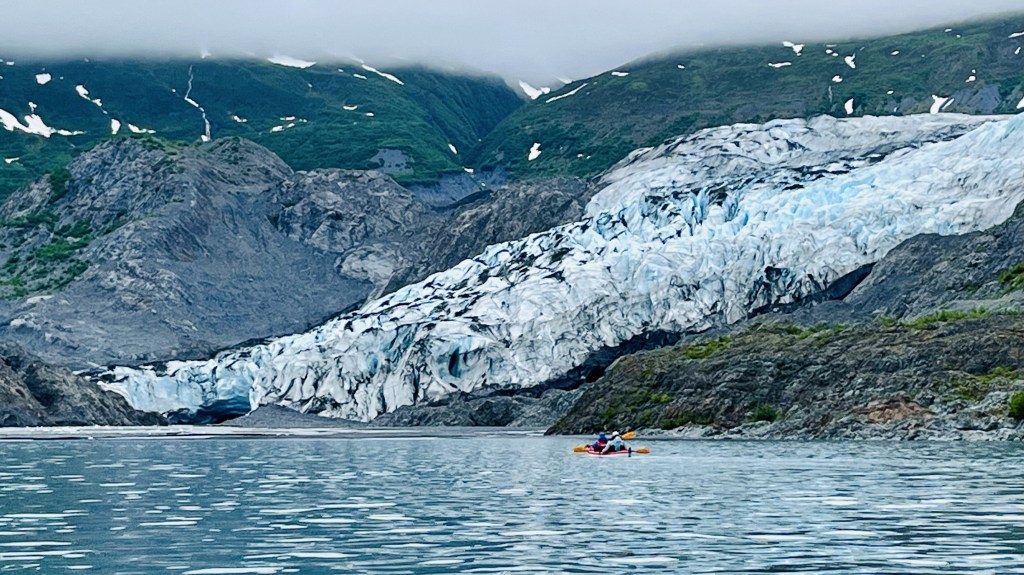
Our visit to Alaska was a reminder of how truly global our world is today and how often we inadvertently harm wildlife and water – even in far-away locations. As the popular saying goes, “think globally, act locally.” It’s a wide world out there, and even seemingly small changes in our day-to-day lives – converting a lawn to native plants, riding our bikes more and driving less – can add up to big collective impacts for beautiful places, both close to home and far away.

 East Metro Water
well said; if we had just had the courage to stop using fossil fuels as President Carter suggested in the 1970’s…
LikeLiked by 1 person
Imagine how far we could have advanced in the past 40 years!
LikeLiked by 1 person
it makes me so angry when people laud Reagan’s accomplishments when he took us so far off the prosperity we could/should be enjoying. You can still get a dramatic contrast by noticing MN is ranked #5 for best state for businesses vs. 37 over here in WI. Not to mention the arms for hostage deals that stole the 1980 election from Carter.
LikeLike
I have travelled a fair but small percentage of the word, but I think Prince William Sound must too the list for extreme rugged beauty and serenity. If the gods had a playground on earth, this would be it. To think we allowed it to be ruined with a massive spill of sludgy crude oil is a crime of our collective souls. We must stop this from ever happening again.
LikeLike