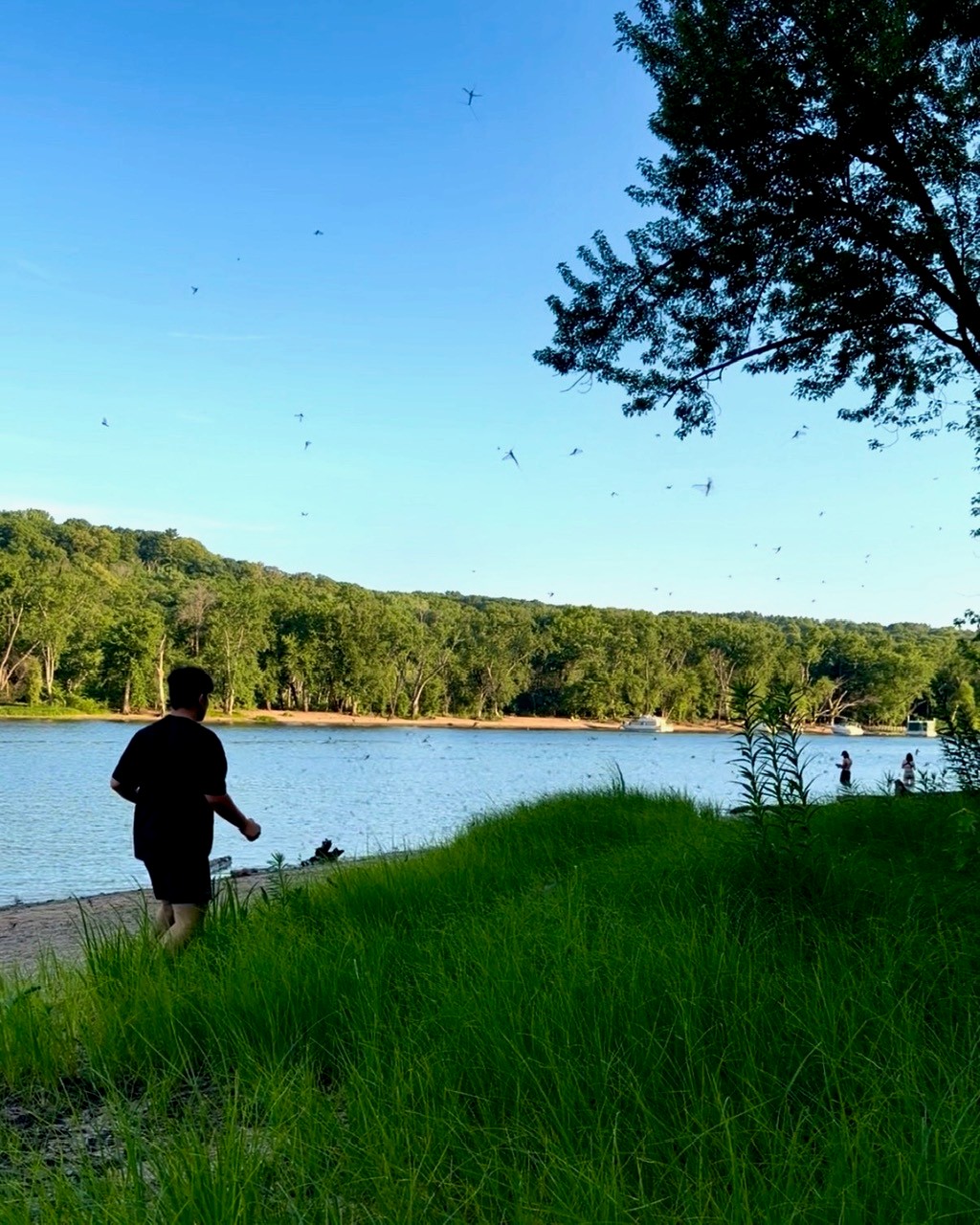
On Monday evening, we loaded up the dog and drove to the St. Croix Boom Site to spend some time by the river. There, I noticed a mayfly. And then another. Then ten more. Now, one hundred. Soon, the air around us was thick with mayflies swooping, flying, hovering, and gliding. There were so many that we could literally reach out and grab them in our hands – millions and millions of mayflies.
If you like fish, then you must love mayflies. They are a critical ingredient of freshwater food webs and a favorite food of walleye, smallmouth and largemouth bass, trout, catfish, and panfish.
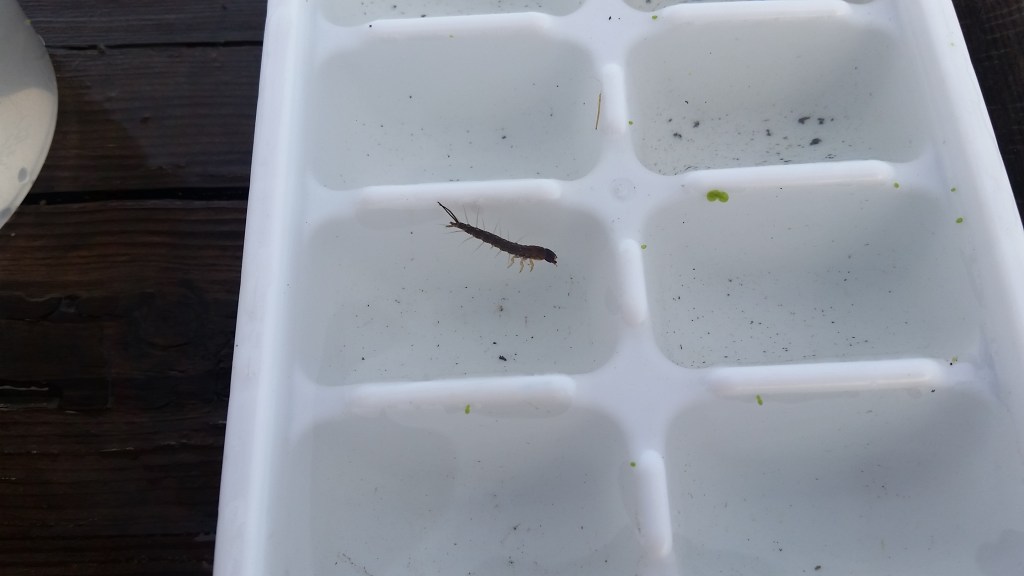
Mayflies spend 99% of their lives underwater, where they exist as nymphs. You can find them on rocks and among aquatic plants on the edges of lakes and rivers, and their larval form looks similar to a damselfly. They have six legs, an alien-like appearance, and a three-piece “tail” that is actually a modified set of gills. After spending almost a full-year underwater, mayflies go through incomplete metamorphosis and emerge as fully-developed adults with wings.
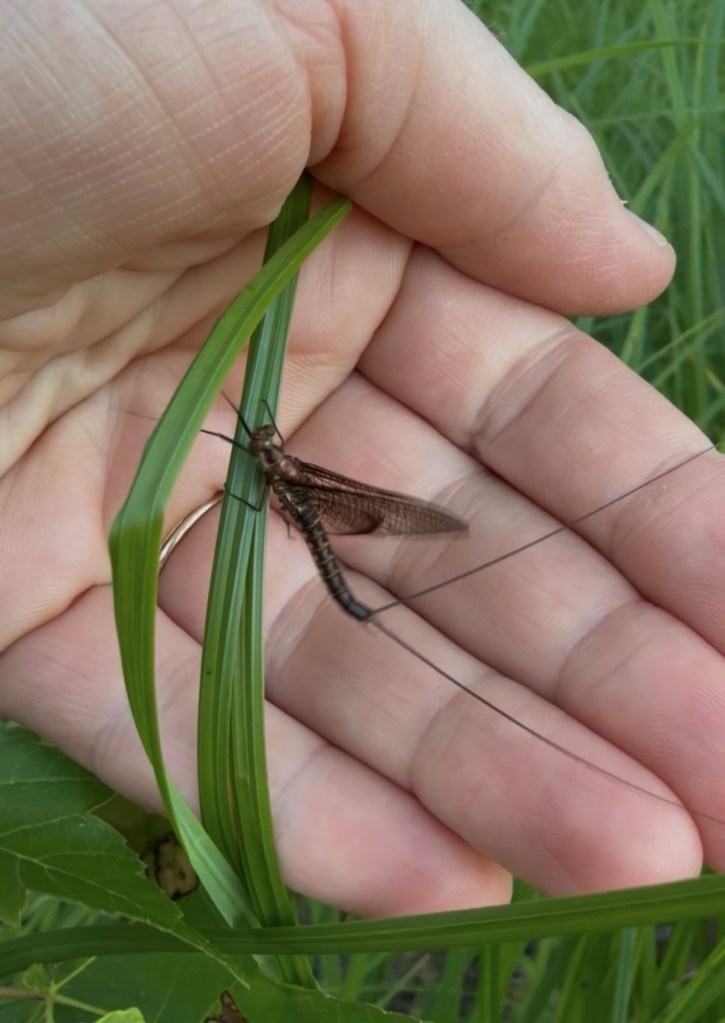
Once mayflies get their wings, their sole purpose is to mate (in mid-air!) and lay eggs. Most adults live only a few days before dying and, in fact, they don’t even develop mouthparts or digestive tracts.
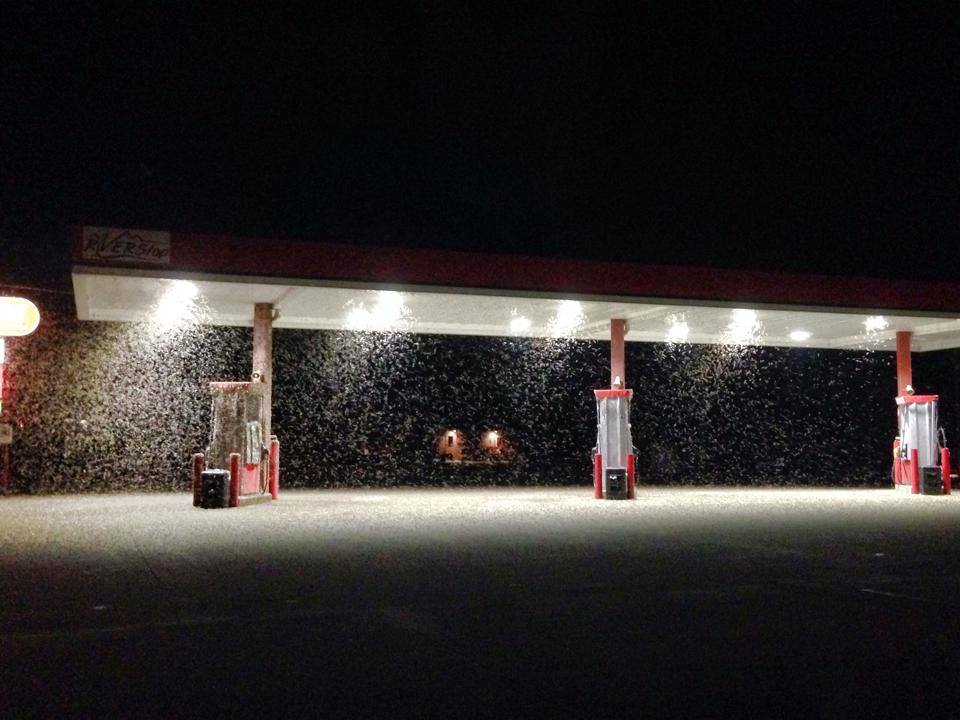
There are more than 3000 species of mayflies worldwide and Minnesota is home to 105. Two – the Hexagenia bilineata and Hexagenia limbata – have synchronized hatches and can form swarms so large they actually show up on local weather radars. Along the Mississippi River in Red Wing, Wabasha and Winona, the Minnesota Department of Transportation turned off bridge lights for several days in mid-June to limit the number of mayflies on the road. Meanwhile, up on Mille Lacs, the mayfly hatch usually occurs around the 4th of July.
As abundant and strange as mayflies may be, they are harmless and actually a sign of good water quality. Mayfly nymphs graze on algae, fungi, and decaying organic material, which helps to keep the water clean. They are also very sensitive to chemical pollutants, suspended solids from erosion, and decreased oxygen levels, and are one of the first creatures to disappear when a lake or river is in trouble.
During the 1950s-80s, the Mississippi River in Minnesota was too polluted to support an annual mayfly hatch. After the Federal Clean Water Act was passed in 1972, however, municipalities began working to improve their wastewater treatment systems and factories stopped dumping untreated chemicals into the water. Since then, water quality has gradually improved in many urban waterways. In 1987, the Mississippi River saw its first mayfly swarm in more than 30 years, and the hatches have continued every year since then.

Along with mayflies, there are several other aquatic insects that are considered bioindicators for water quality. Caddisfly larvae can be found in high quality rivers and streams where they attach to the undersides of rocks. The larvae build intricate, protective cases out of tiny pebbles, sand, and twigs, which are truly works of art. Stoneflies, dobsonflies, alderflies, and predacious diving beetles are also highly sensitive to pollution and will only be found in high quality rivers, lakes, and streams.
You’re most likely to see mayflies swarming in the late evening, just before and after sunset. If you live near the water, turning off exterior lights will help to keep them away from your driveway, house, and yard. And if mayflies really bother you, have no fear. They only live for a few shorts days before flying off to the river in the sky.


