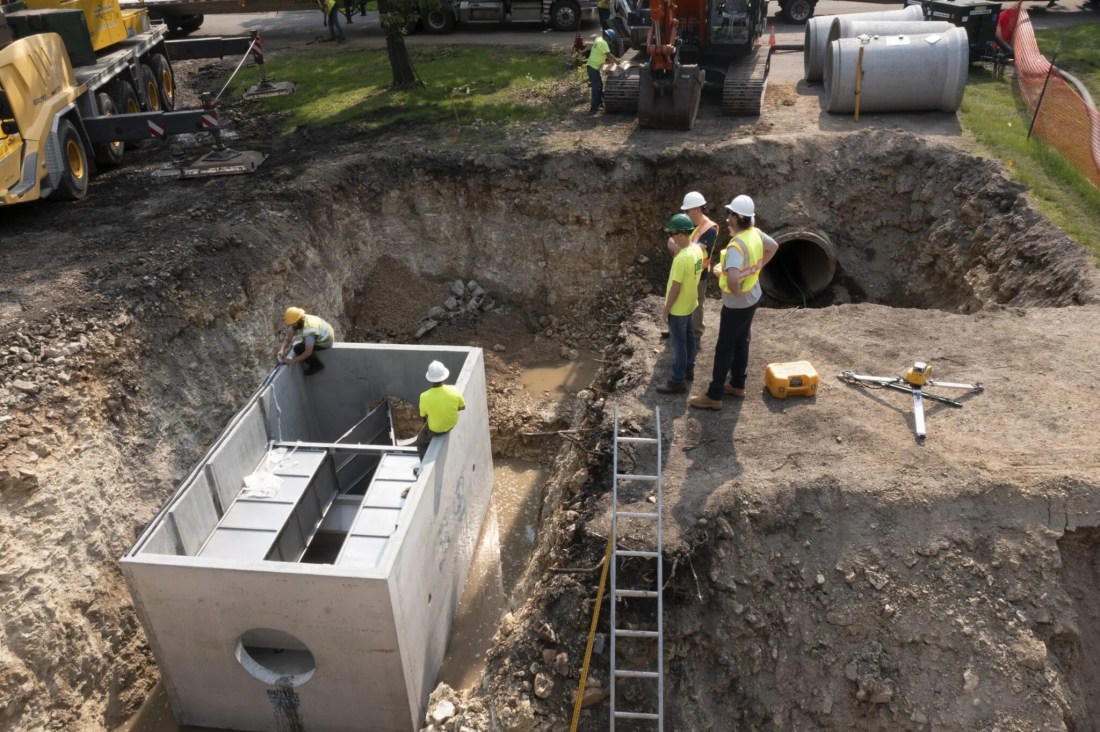
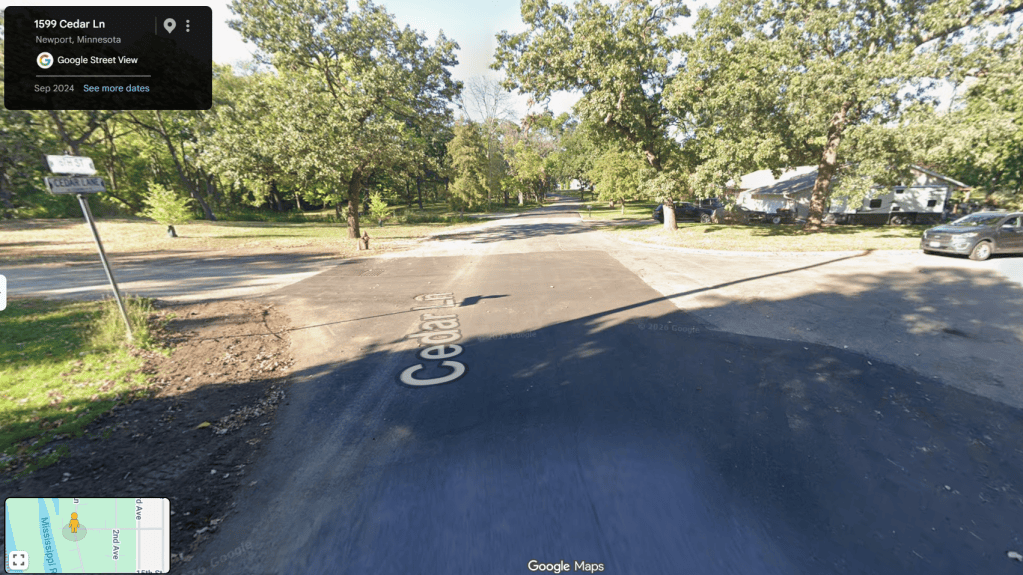
If you stand at the corner of 16th Street and Cedar Lane in Newport, MN you’ll see…well, not much. Two neighborhood roads intersect and on either side there are houses, driveways, trees, and bushes. The view is suburban and rather unremarkable. Hidden from sight beneath the road, however, a $400,000 system is hard at work, keeping pollution out of the Mississippi River.
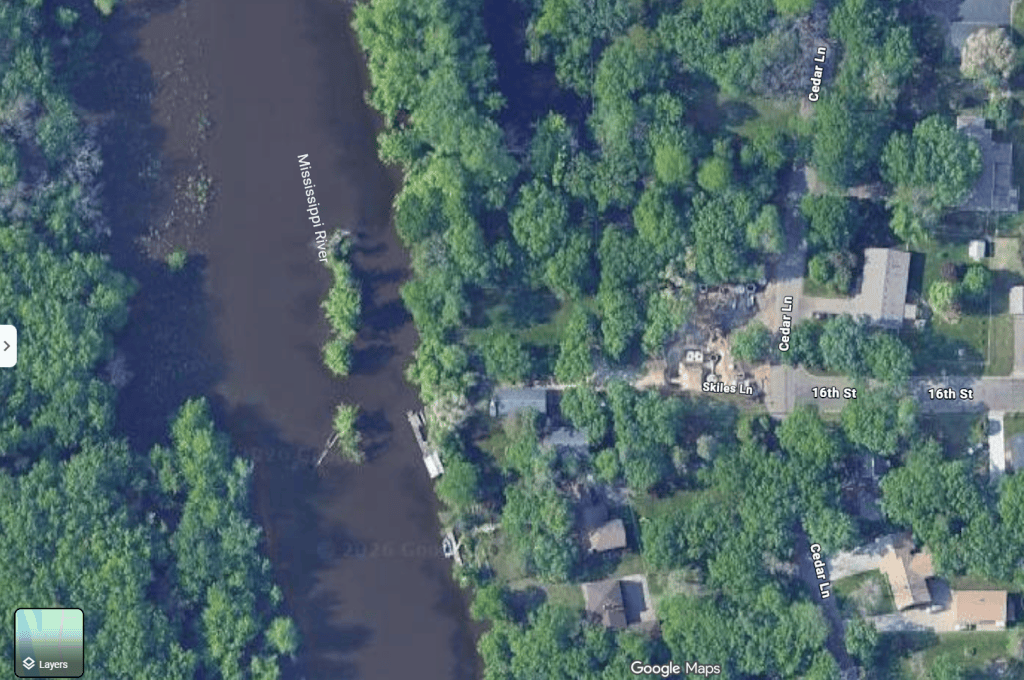
The communities of Newport and St. Paul Park were established in the 1800s and quickly became industrial hubs as the Twin Cities region developed, thanks to their location along the Mississippi River and close to the Chicago, Burlington & Northern railway in southern Washington County. Today, the combined population of Newport and St. Paul Park is a little over 10,000 and both cities are comprised of large businesses and tidy neighborhoods laid out along a grid system that is sandwiched between the river and Hwy 61.

In the early 2000s, the South Washington Watershed District (SWWD) began searching for opportunities to reduce stormwater pollution and improve habitat along the Mississippi River. “It is notoriously difficult to implement water quality practices in the East Mississippi drainage area due to its very shallow bedrock,” explains Kyle Axtell, Planning & Projects Program Manager for the SWWD. Though the watershed district was able to install raingardens at Lions Levee Park and a few other locations, it was clear that these kinds of practices would not be feasible in most locations.

In 2023, SWWD decided to take its stormwater reduction efforts underground. The watershed district worked with City of Newport to construct a stormwater treatment system at the corner of 16th Street and Cedar Lane that carries polluted runoff through a series of underground concrete boxes with screens, holding chambers, and hydrodynamic separators that remove heavy metals, trash, nutrients, and sediment before the water flows out to the river. The system removes 89% of the sediment and 59% of the phosphorus that is carried in by the stormwater.
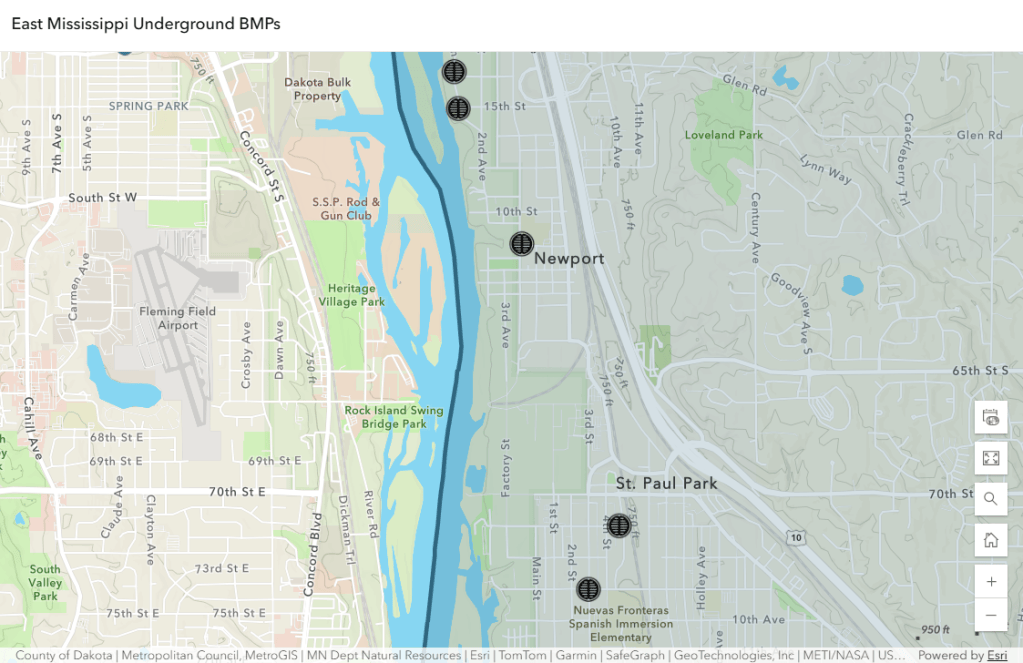
Since then, SWWD has built three additional underground stormwater systems in Newport and St. Paul Park – one at 15th Street and Cedar Lane, one near Newport Elementary, and one at Nuevas Fronteras School in St. Paul Park. A fifth system is in-design and scheduled for construction at Newport Elementary next summer. According to Axtell, “This represents an investment of over $1.5M of Clean Water Fund grants and local funds to protect the Mississippi River.” It also demonstrates a commitment from the two cities, which have allocated funding and Public Works staff time to visit the stormwater boxes several times a year to vacuum out accumulated waste and transport it to a disposal site.
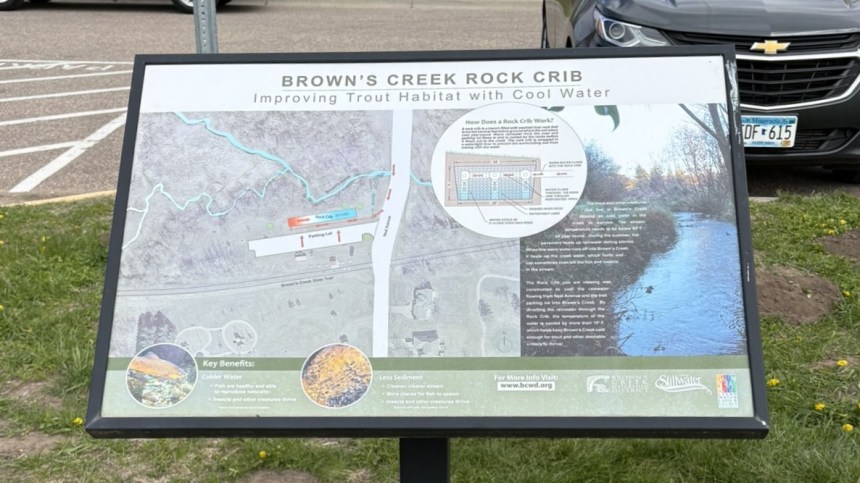
Elsewhere in Minnesota, underground stormwater treatment systems can be found in many other cities and are especially well-suited to urban locations where space is limited. In Stillwater, underground systems were installed along the Brown’s Creek State Trail near Countryside Auto (2013) and under McKusick Road (2017) to collect runoff and trap pollutants and nutrients that would otherwise flow to Brown’s Creek. There is also an underground thermal reduction project at Brown’s Creek Park (2015) that cools stormwater from Neal Avenue and a parking lot before it flows into Brown’s Creek. Meanwhile, in Woodbury and other nearby suburban communities, underground treatment systems are commonly used by businesses to manage stormwater in commercial corridors.

Additionally, some below-ground systems are designed to soak stormwater into the ground instead of sending it onward to a river or stream. At Oak-Land Middle School in West Lakeland, for example, contractors installed a large below-ground grid during a recent campus expansion that runs stormwater through 4,661 feet of 42-inch perforated pipe. The system helps to recharge groundwater and protect against flooding, without reducing parking or green space for athletics.
Though underground stormwater treatment systems are highly effective, they do come with one major drawback; they are mostly invisible once they’re installed. “It’s one of the tragedies of this kind of work,” says Axtell. “The technology is highly effective, but hidden from sight, so most people don’t even realize it exists.”

Whether seen or not, the new underground stormwater systems in Newport and St. Paul Park are, without a question, functioning as designed. SWWD estimates that each system collects 22 tons of debris a year that would otherwise flow directly into the Mississippi River. Says Axtell, “While these projects aren’t flashy or particularly visible to the public, we definitely know they are doing their jobs.”


Always enjoy your updates. Love how you bring public awareness to less visible or less flashy projects. – Stephanie Wang
>
LikeLike