There are many places where groundwater is already contaminated due to industry and agriculture, leaving even less of an already precious resource available to us.
Read More
Tips and tales about keeping water clean
There are many places where groundwater is already contaminated due to industry and agriculture, leaving even less of an already precious resource available to us.
Read More
The Suwannee River Mine, which opened in northern Florida in 1965, was once one of our nation’s most productive sources for rock phosphate, the raw material used to manufacture phosphoric acid (phosphorus).
Read More
Though the grassy-pave looks like a lawn from a distance, it is actually a structural system, designed to withstand the weight of cars and trucks without compacting the soil beneath.
Read More
More water running off the land means less infiltrating down into aquifers; that combined with more people washing clothes, watering lawns and flushing toilets has resulted in declining groundwater levels in some parts of the watershed.
Read More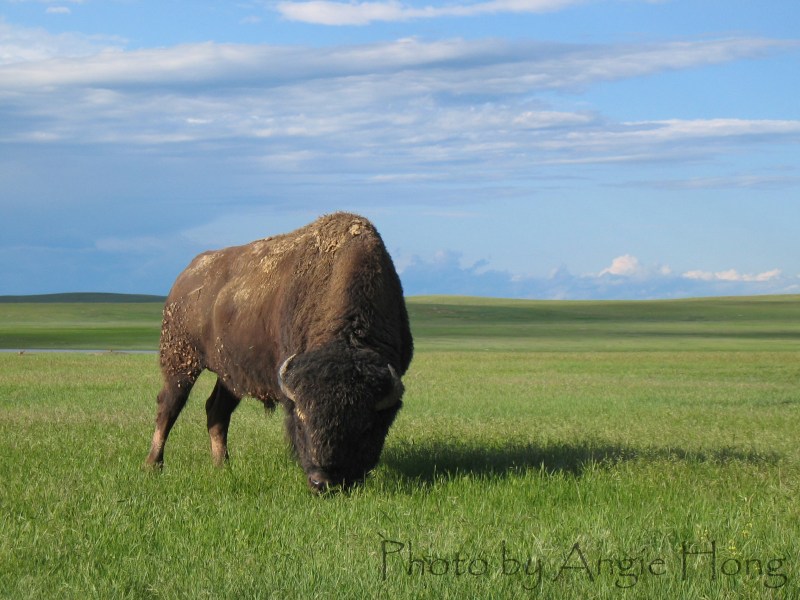
On Saturday, June 11, the ground in the Belwin prairie will again shake as a truck pulls up, opens its doors and releases a herd of bison with thundering hooves.
Read More
In your yard, you can create a healthy home for frogs and toads by leaving some of the grass unmowed near wetlands, lakes and woods; planting gardens with native plants; and using little or no chemicals on your lawn and gardens.
Read More
Power lawn mowers make quicker work than scythes, but the fact remains that today’s lawns have made many of many of us servants of our own dominions.
Read More
Across Minnesota, 533 streams and river reaches have unsafe levels of E. coli or fecal coliform, which are bacteria found in human and animal feces.
Read MoreYou might be surprised to learn that mercury from the air is, by far, the leading cause of pollution in our Minnesota lakes and rivers.
Read More
In Washington County, Eurasian watermilfoil has taken hold in 21 lakes, zebra mussels are in Forest Lake, White Bear Lake, and the St. Croix south of Stillwater, and flowering rush has become a problem along the shoreline of Forest Lake.
Read More East Metro Water