There are 250 native bee species in Minnesota and 140 species of butterflies.
Read More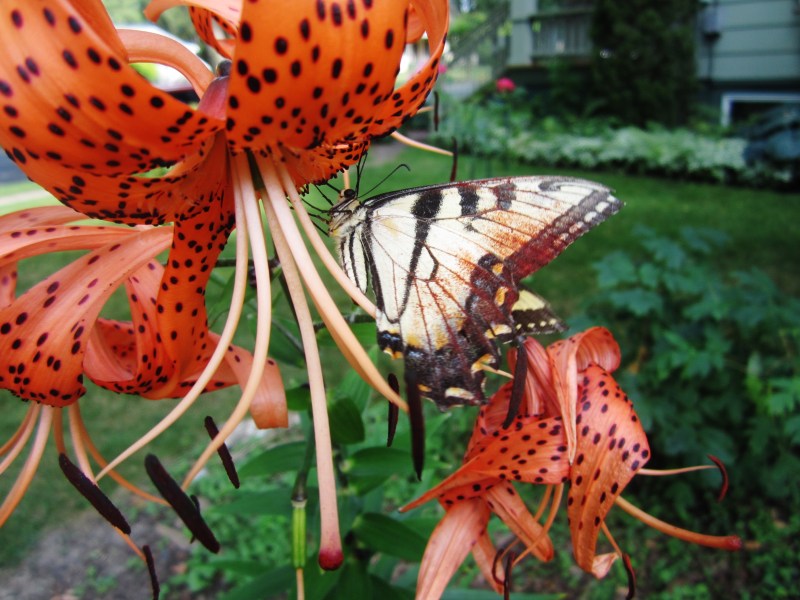
Tips and tales about keeping water clean
There are 250 native bee species in Minnesota and 140 species of butterflies.
Read More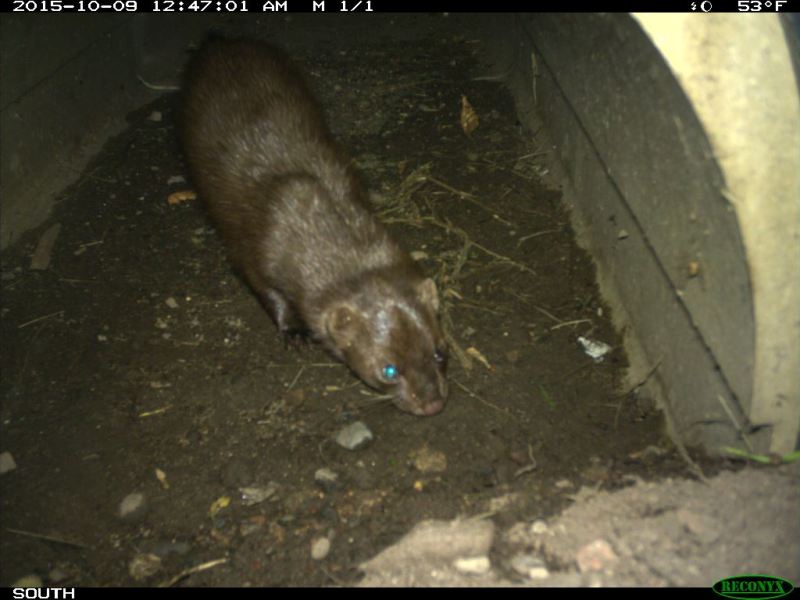
Northern Washington County, including Big Marine Park Reserve, contains this special mix of habitat types and, therefore, is one of the few places in the state where Blanding’s turtles still roam.
Read More
Forty species of mussels live in the St. Croix, including five that are listed under the Federal Endangered Species Act: the Higgin’s eye, sheepnose, snuffbox, spectaclecase and winged mapleleaf.
Read More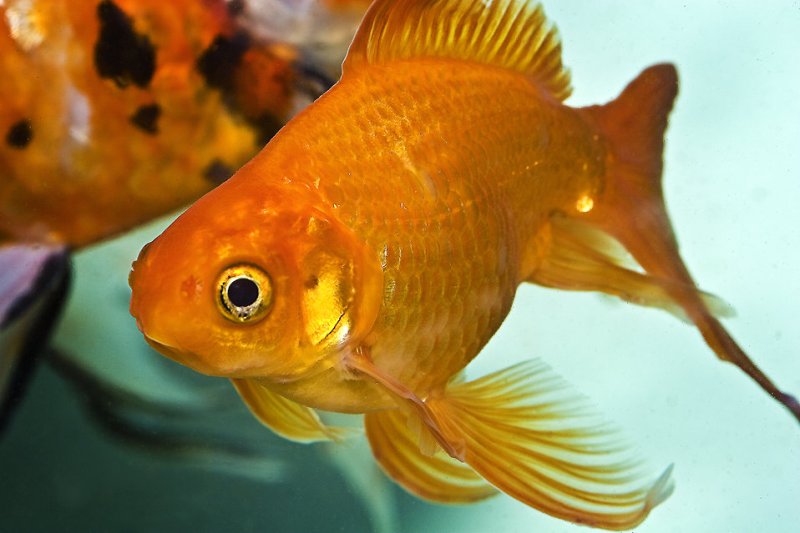
By the time we moved from California to Wisconsin at the end of my 6th grade year, Jumpy #4 had grown so large that she(he?) no longer fit in our fish tank.
Read More
The Mississippi River is a flyway for 60% of all the birds in North America and 320 species of birds migrate through the St. Croix River Valley.
Read More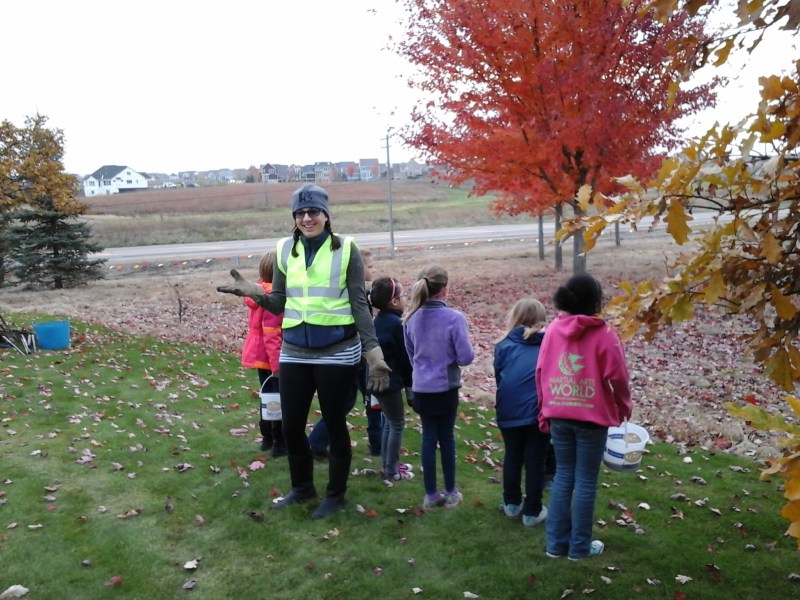
Already, the teachers are coming up with creating ways to teach about biology, ecology, math, technology and art in the prairie.
Read More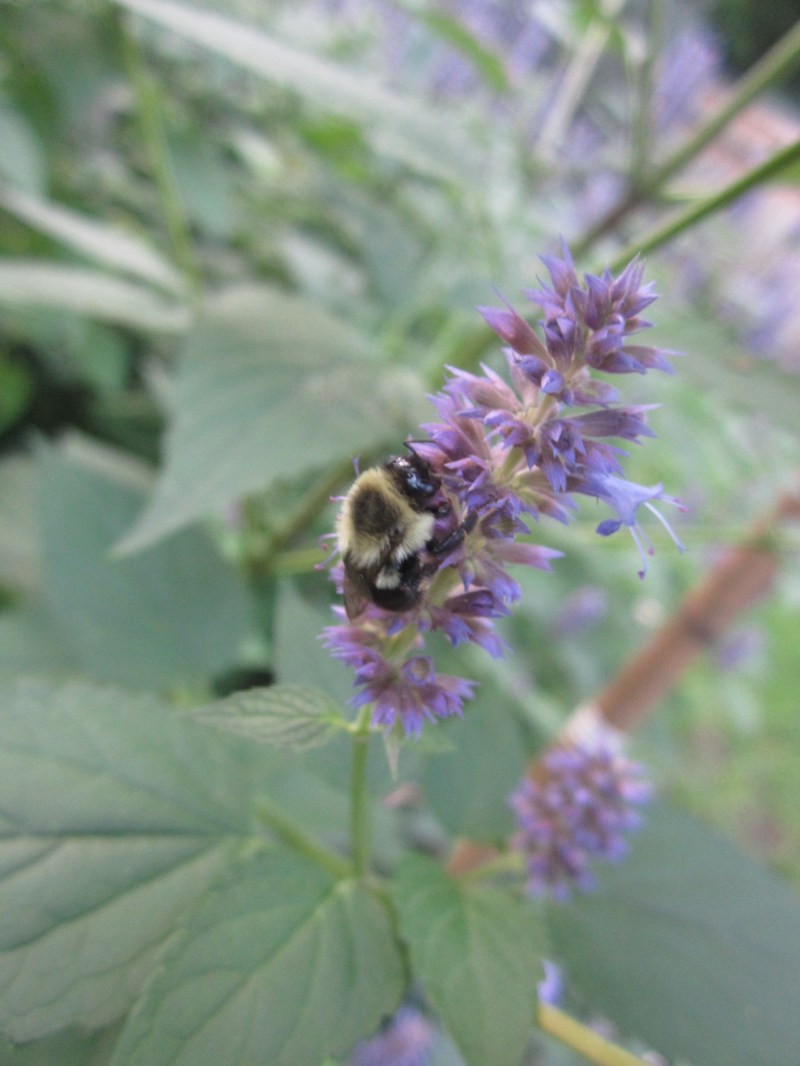
Since your own lawn is small, you might be surprised to learn that turf grass covers more acres of land in the U.S. than the eight largest agricultural crops combined. Imagine what a difference it would make if all of us converted ¼ of our lawn to native plantings that provide habitat for pollinators, birds and wildlife.
Read More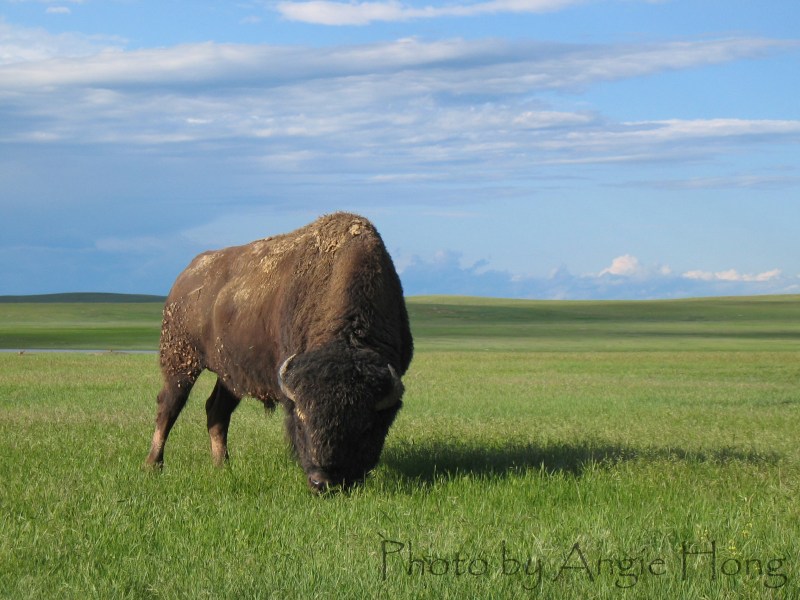
On Saturday, June 11, the ground in the Belwin prairie will again shake as a truck pulls up, opens its doors and releases a herd of bison with thundering hooves.
Read More
In your yard, you can create a healthy home for frogs and toads by leaving some of the grass unmowed near wetlands, lakes and woods; planting gardens with native plants; and using little or no chemicals on your lawn and gardens.
Read More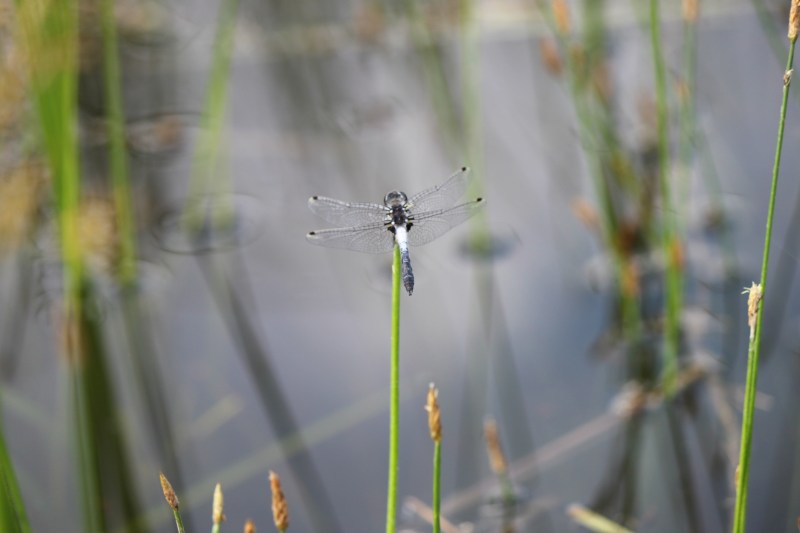
Most people consider dragonflies and damselflies to be terrestrial flying insects, but in fact, they often spend more than half of their lives in the water.
Read More East Metro Water