“Unfortunately, we’re seeing more and more people removing the vegetation along their shorelines and it’s causing a chain reaction in the aquatic food web that’s affecting fish, as well as insects and other wildlife.”
Read More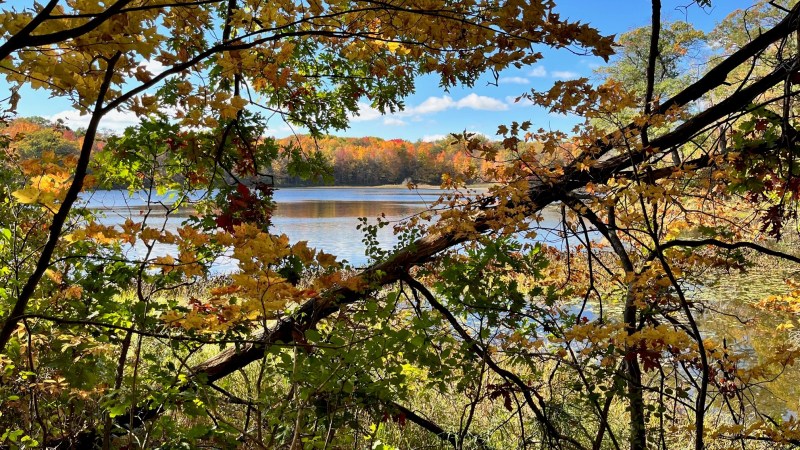
Tips and tales about keeping water clean
“Unfortunately, we’re seeing more and more people removing the vegetation along their shorelines and it’s causing a chain reaction in the aquatic food web that’s affecting fish, as well as insects and other wildlife.”
Read More
I pretended to eat a maggot in the name of science. Once you learn why, you’ll you’ll want to do it too.
Read More
There is a growing (pun intended?) movement across Minnesota as more and more people begin to think of their yards, not just as a place to relax and recreate, but also as a living landscape that can help to support wildlife and keep water clean. One group of people helping to fuel this movement is the Blue Thumb – Planting for Clean Water partnership, which was formed in 2007.
Learn about upcoming workshop, native plant retailers, garden templates, and other resources to help you go blue & green!
Read More
Though it may not seem intuitive, winter is actually a great time to begin sowing seeds for native perennial grasses and flowers. Learn how and get inspired to incorporate a new native plant into your gardens this spring!
Read More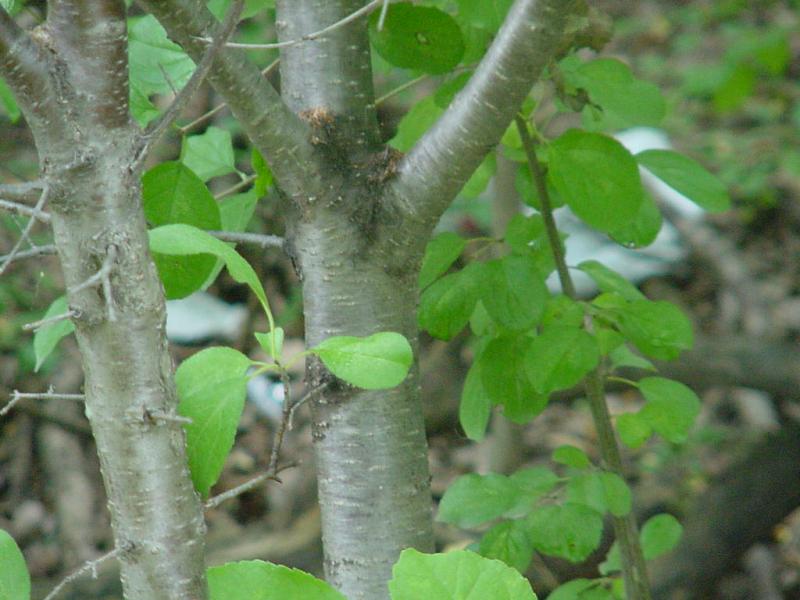
Critical period cutting shows promise as an herbicide-free control strategy. Research shows it is also important to replant woodlands with native trees, shrubs, flowers and grasses after removing buckthorn.
Read More
There are 7,725 HOAs in Minnesota and nearly 27% of the state’s population lives in an HOA. These communities often struggle to budget for and properly maintain stormwater and green infrastructure practices such as ponds, raingardens, conservation easements, and native plantings.
Read More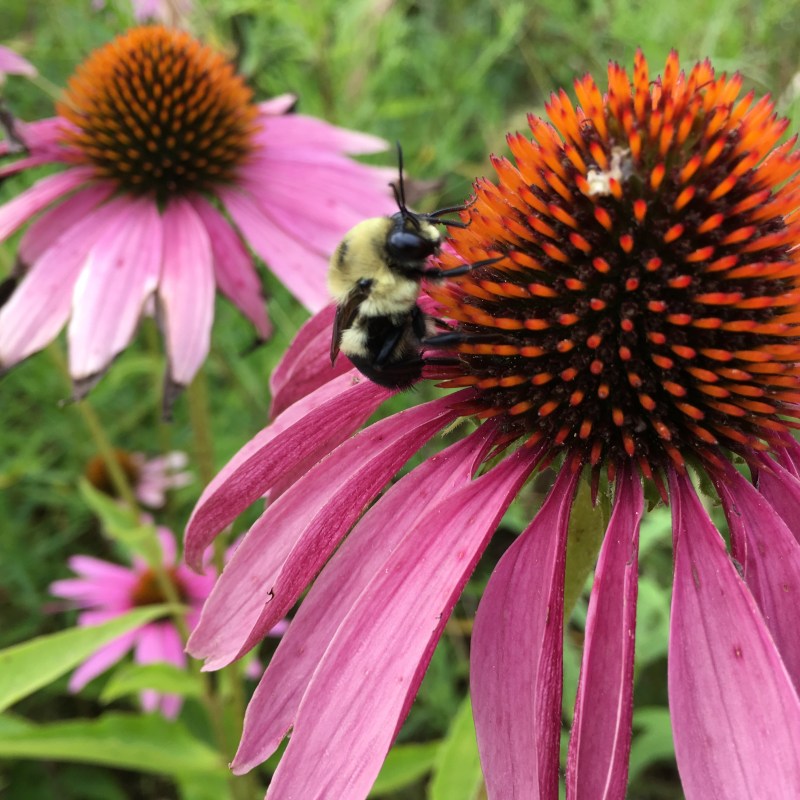
Minnesotans can apply for Lawns to Legumes cost-share funding between now and November 30
at http://www.Bluethumb.org. The grants are up to $400 and can be put toward pollinator planting projects such as pocket gardens, bee lawns, and flowering native trees.

Landfall’s pollinator demonstration project features new native plantings on Tanner’s Lake, as well as at the Tot Lot playground, the community center, and a neighborhood cul de sac, and will also create a demonstration bee lawn behind the community center.
Read More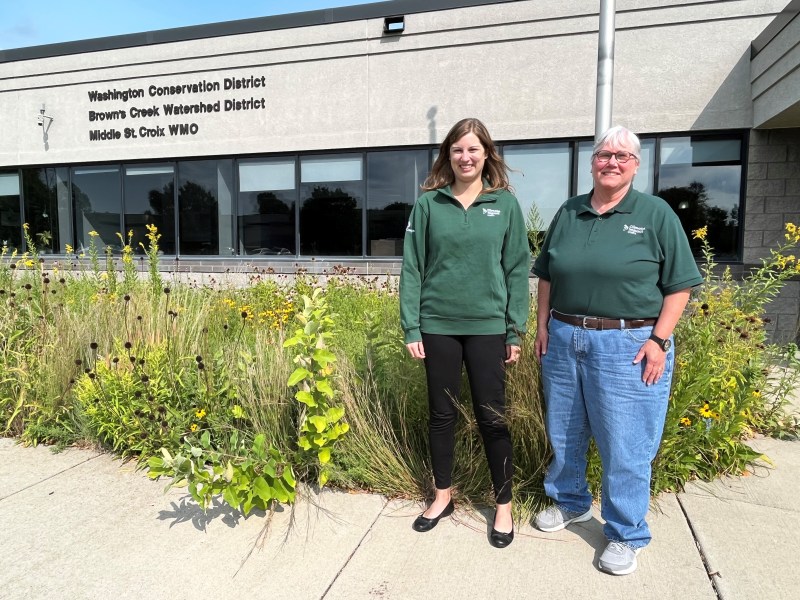
As community stewardship facilitators, Peterson and Maxfield will be working with homeowners’ associations, community groups, and local schools in Washington County.
Read More
If you’re willing to embrace the change inherent in a mostly native garden, you’ll be rewarded with a landscape that is constantly evolving, vibrant, and full of life. It’s almost like getting a new set of gardens every month!
Read More East Metro Water