One growing concern for urban lakes and streams is pollution from winter road salt. Currently, there are 50 lakes and streams in Minnesota that are listed as impaired due to elevated chlorides and another 75 that are “nearly” impaired.
Read More
Tips and tales about keeping water clean
One growing concern for urban lakes and streams is pollution from winter road salt. Currently, there are 50 lakes and streams in Minnesota that are listed as impaired due to elevated chlorides and another 75 that are “nearly” impaired.
Read More
Tanners Lake is part of the Ramsey-Washington Metro Watershed District (RWMWD), and the district has worked hard to improve and protect water quality in the lake over the past 20 years. In fact, Tanners was one of the first lakes in Minnesota to be removed from the state’s impaired waters list (in 2004) after phosphorus levels went down and algae stopped being a problem.
Read More
Last weekend, Minnesota’s 2020 fishing season opened with a bang. There was snow up north, only a few fish caught in the St. Croix River, and no cameo appearances from Minnesota Governor Tim Walz. None-the-less, record numbers of Minnesotans purchased fishing licenses last week and set sail in search of walleye, pike, and lake trout…
Read More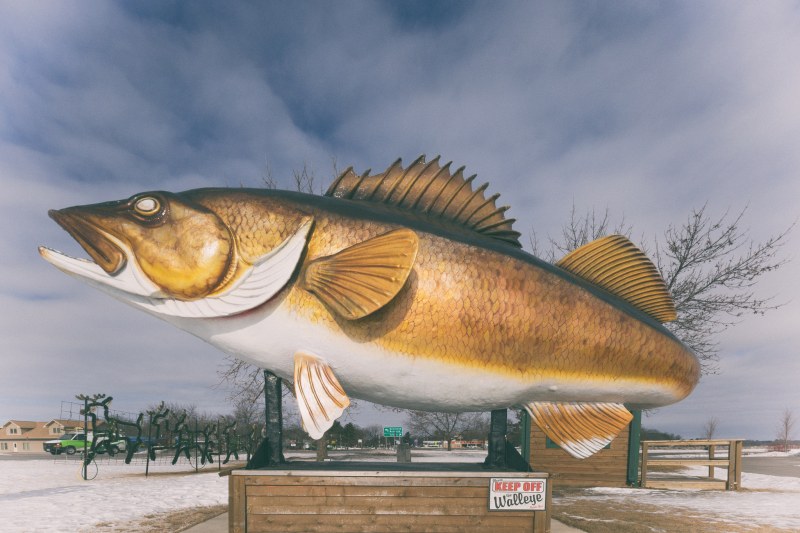
“What percentage of walleyes caught in Minnesota are born wild?” asks DNR Fisheries Chief Don Pereira, as he looks around a room filled with lake association members from Chisago and Washington Counties. A few folks call out numbers – 10%? Maybe 20%? “People talk a lot about fish stocking,” Pereira continues, “but 85% of the…
Read More
Should anglers be allowed to keep walleye from Mille Lacs? Should trout be stocked in Square Lake? Are there enough local places to fish for muskies? Fishing in Minnesota is a time-honored tradition and a money-maker that generates roughly $2.4 billion in spending each year. Even so, Minnesotans don’t always agree on how to manage…
Read More
As of August 2016, the Minnesota DNR has identified 121 lakes, rivers and wetlands infested with zebra mussels, including Forest Lake, White Bear Lake, and the St. Croix River south of Stillwater.
Read MoreYou may also be surprised to learn that lakes in southwestern Minnesota produce five times as many fish per acre as the cool, deep, clear, clean lakes in northern Minnesota.
Read MoreIf you don’t like the idea of bass a la glyphosate, then sweep up any spilled herbicide, pesticide, or fertilizer, repair engine leaks on your car, and dispose of used engine oil properly.
Read MoreIt turns out that atmospheric deposition (mercury in the air that falls down onto the land and water) supplies more than 99.5% of the mercury getting into fish.
Read MoreBecause trout and the insects that they rely on for food – stoneflies, mayflies, and caddisflies – are so sensitive to pollution and increases in water temperature, trout by necessity require pretty places to live.
Read More East Metro Water