2026 = Lead out, natural shorelines in!
Learn about Minnesota’s strange but beloved loon.
Read MoreTips and tales about keeping water clean

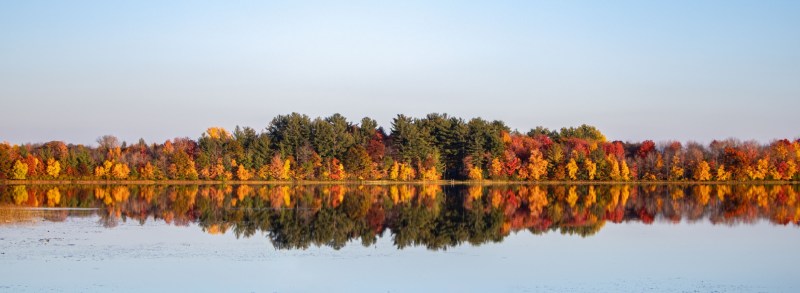
We are excited to announce the winners of our inaugural Natural Shoreline Awards, sponsored by the East Metro Water Resource Education Program and Lower St. Croix Watershed Partnership. These awards recognize Minnesotans who are protecting lake, stream, and wetland habitat in Chisago, Isanti, Ramsey and Washington Counties.
Read More
The Natural Shoreline Award Program recognizes beautiful lakeshore, riverfront and streamside properties that incorporate native flowers, shrubs, trees and plants. Award-winning properties can be located in Chisago, Isanti, Ramsey or Washington Counties.
2025 Program Timeline:
– July 1 – August 7: Call for nominations
– August 7 – 31: Program judges will tour and evaluate shorelines
– September 9: Award recipients are announced
Learn more and submit your nominations.
Read More
Maintaining and restoring lakeshore habitat isn’t just good for wildlife, it also helps to protect valuable real estate from literally washing away.
Read More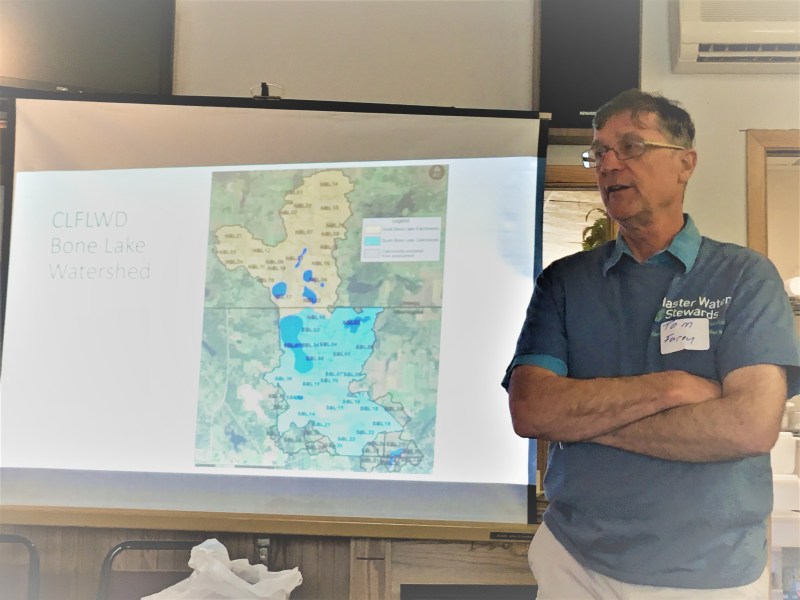
In recognition of his many years of volunteer efforts tending trees and water on the edge of the Northwoods, Tom Furey was selected as the Washington County Conservation Cooperator of the year for 2024. He also received a Watershed Champion award from the CLFLWD at their 25th Anniversary celebration in September.
Read More
A recent report from the Natural Shorelines Partnership noted that Minnesota has lost 50% of its natural shorelines over the past 100 years, and continues to lose shoreline habitat at a rate of 1-2% per decade.
Read More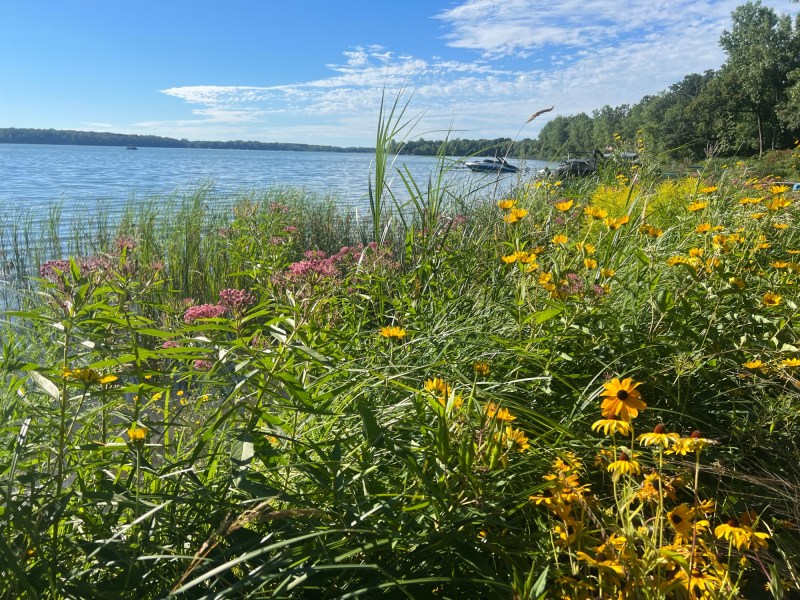
Shoreline landscaping workshops: April 18 and May 8
In the Land of 10,000 lakes, more and more lakeshore landowners are turning toward natural solutions that combine bio-engineering with deep-rooted, native plants to stabilize the land along the water’s edge while also maintaining connected corridors of habitat for beneficial insects, fish, birds, frogs, turtles, and other kinds of wildlife
Read More East Metro Water