This week, I’m sharing two of my favorite “recipes” for gardens that are sure to attract butterflies and bees.
Read More
Tips and tales about keeping water clean
This week, I’m sharing two of my favorite “recipes” for gardens that are sure to attract butterflies and bees.
Read More
There seems to be an “anti” No Mow May movement underway and I fear we are missing a golden opportunity to ride the wave of public enthusiasm and begin breaking the green grass chains that bind.
Read More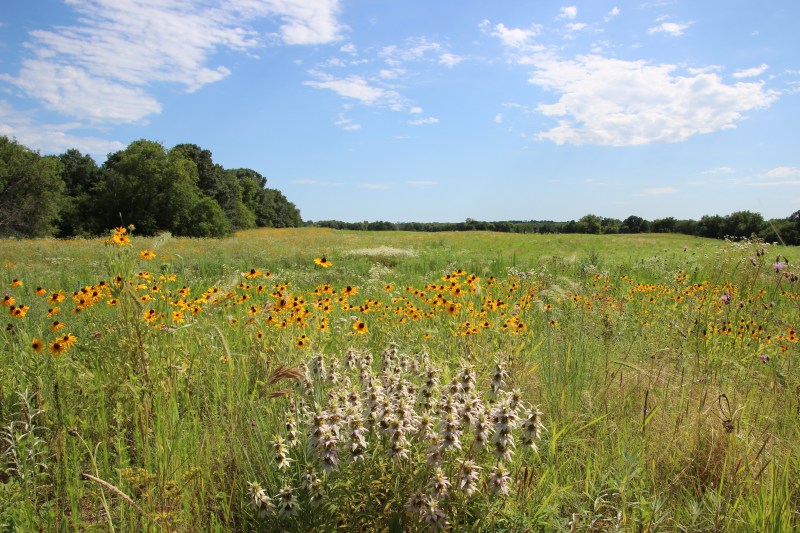
Cheer for bison returning to the prairie at Belwin Conservancy and Spring Lake Park, volunteer for one of three native planting projects in May, or enjoy an “Evening in the Prairie” to learn more about this special ecosystem.
Read More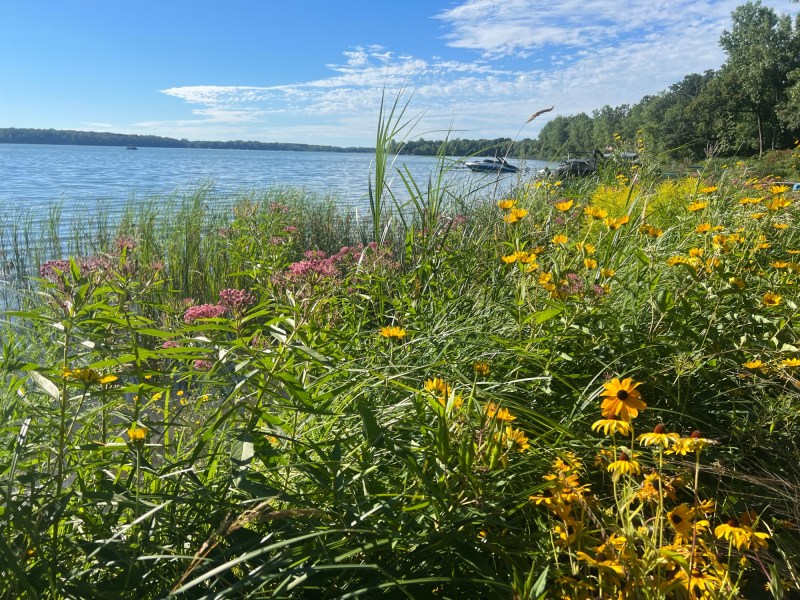
Shoreline landscaping workshops: April 18 and May 8
In the Land of 10,000 lakes, more and more lakeshore landowners are turning toward natural solutions that combine bio-engineering with deep-rooted, native plants to stabilize the land along the water’s edge while also maintaining connected corridors of habitat for beneficial insects, fish, birds, frogs, turtles, and other kinds of wildlife
Read More
Since 2009, Washington County landowners have completed 5325 conservation projects ranging in scale from tiny front-yard pollinator gardens to large-scale conversions of cropland to native prairie.
Read More
Oak savanna is one example of an ecosystem that has co-evolved with humans in several different locations in North America. In this transitional zone between forest and prairie, people used fire to maintain open areas as a way to attract large game animals such as bison and elk.
Read More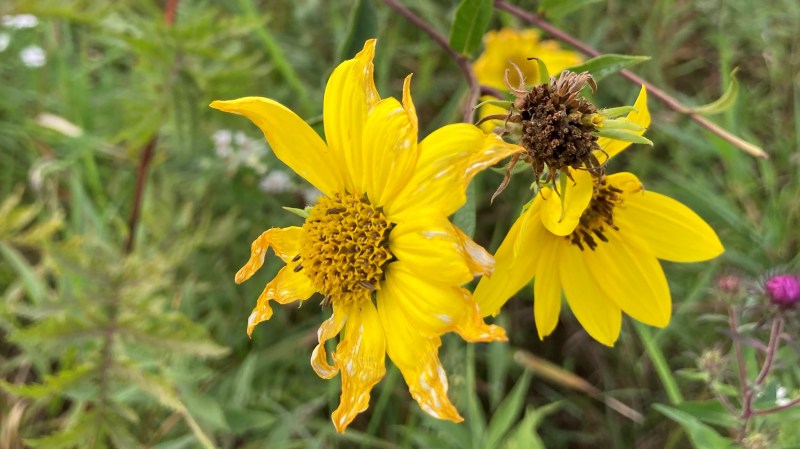
You can plant native plants from small packs or pots between September and mid-October or spread seed for bee-lawn and native plantings in early November to mid-December.
Read More
In our developed areas, however, yards and gardens can help to form critical habitat connections for birds, bees, fox, and even mustachioed rabbits.
Read More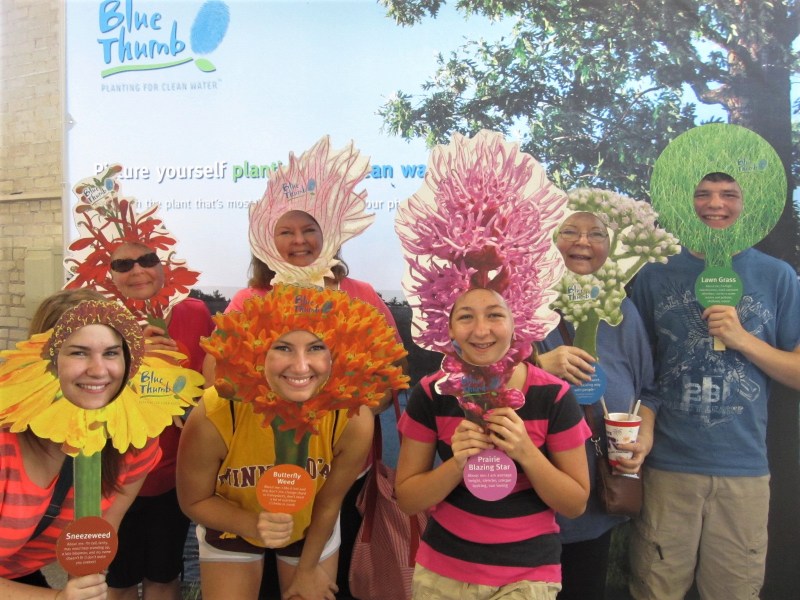
The next few weeks will offer numerous opportunities to enjoy all things plant-related, including two volunteer planting events, a bison release, two native plant sales, and two family nature events.
Read More
USFWS estimates that there is a 96-100% probability that western monarch populations will collapse within 50 years and an 80% probability that eastern monarchs will as well. But, people can prevent that from happening by planting more milkweed.
Read More East Metro Water