Minnesota Pollution Control Agency launches new SMART salt module for rural communities

Road maintenance in rural communities like Grant and Stillwater Township is significantly different than in larger cities like Oakdale and Woodbury. A new rural roads training module aims to help small communities stretch their limited public works budgets while also protecting local lakes and streams from salt and sediment pollution.

Read More
Try chicken grit as an eco-friendly alternative to salt

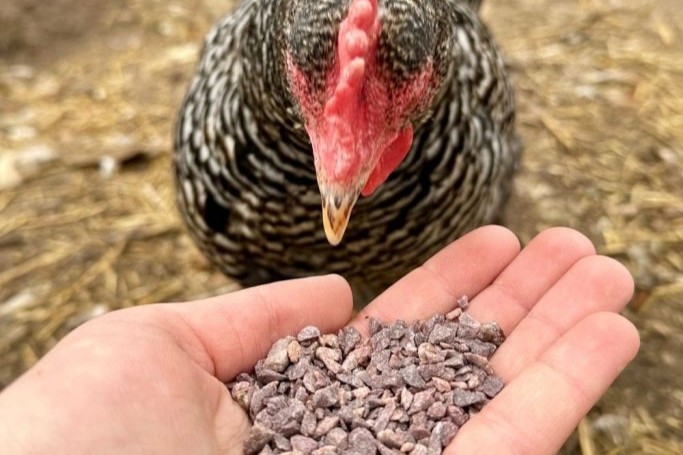
One way that homeowners, businesses, HOAs, and community organizations can help to reduce water pollution from winter salt is by using chicken grit as a no-salt alternative.

Read More

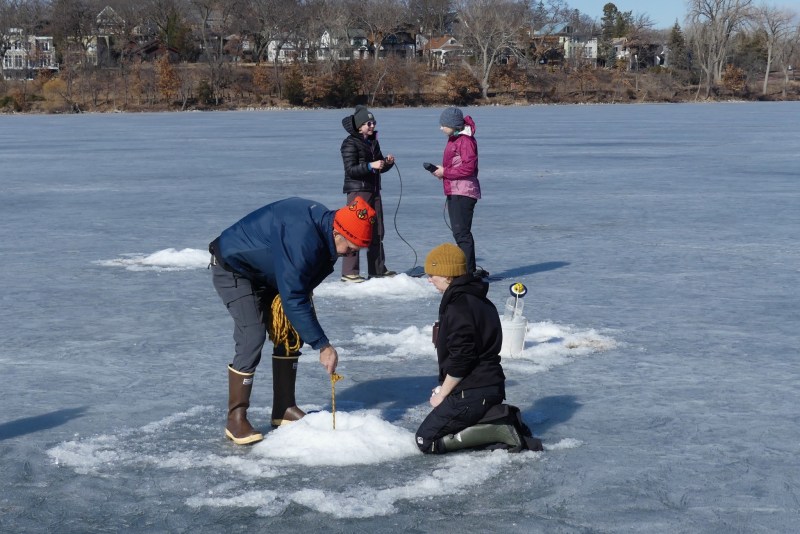
St. Croix Watershed research highlights growing impact of chloride pollution

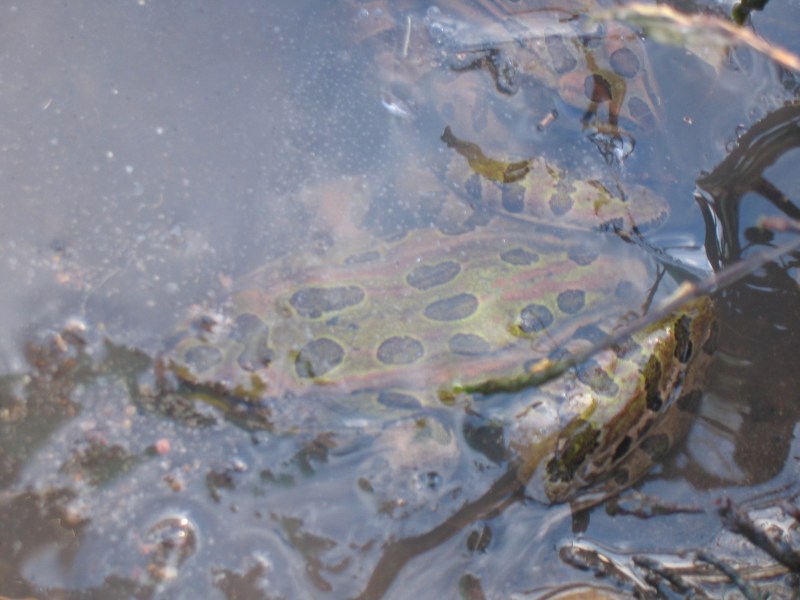
Chloride is toxic to freshwater organisms like fish, frogs, and aquatic invertebrates and also alters lakes’ internal chemistry, causing a cascade of unexpected impacts.

Read More

Local cities find innovative strategies to reduce chloride pollution

From heated sidewalks to GPS-based snow plow systems, local cities are taking big steps to reduce chloride pollution.

Read More

As cities work to reduce their salt use, more action is still needed to protect water resources

Communities across the Twin Cities are currently waging a battle against time, as they work to curb the flow of salt into lakes, rivers, streams and groundwater before it’s too late.

Read More

A very hygge holiday?

Most often, you experience hygge with a small group of friends or family, possibly in front of a fireplace with warm wooly socks and a steaming drink in hand, but definitely not behind the wheel of a car, careening through rush hour traffic in the middle of an ice storm.

Read More

Salt continues to pollute Minnesota lakes and streams

Once concentrations are high enough, the chloride becomes toxic to fish and invertebrates and can even prevent lakes from turning over the in spring and fall.

Read More

Salt a growing problem for Minnesota’s water

Overall, the MPCA has determined that road salt is responsible for 42% of the chloride in groundwater, lakes and streams. Two other major sources of chloride that are less well-known include agricultural fertilizers (23% of the total chloride) and water softeners, which account for up to 65% of the chloride discharged from municipal wastewater treatment plants.

Read More