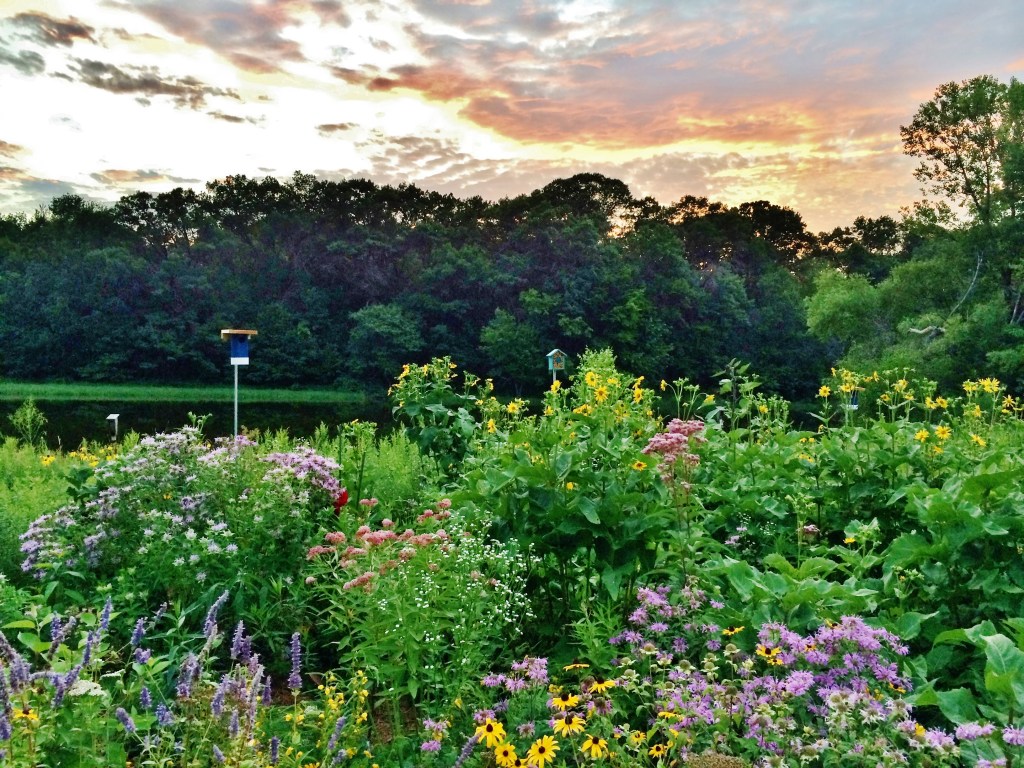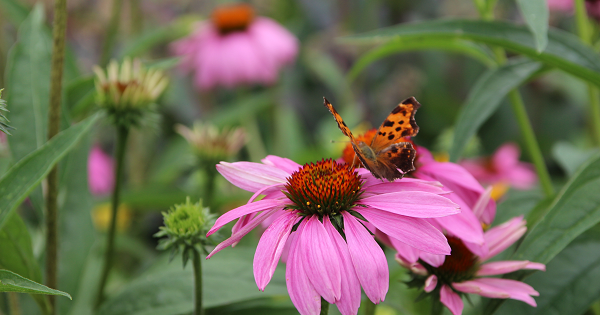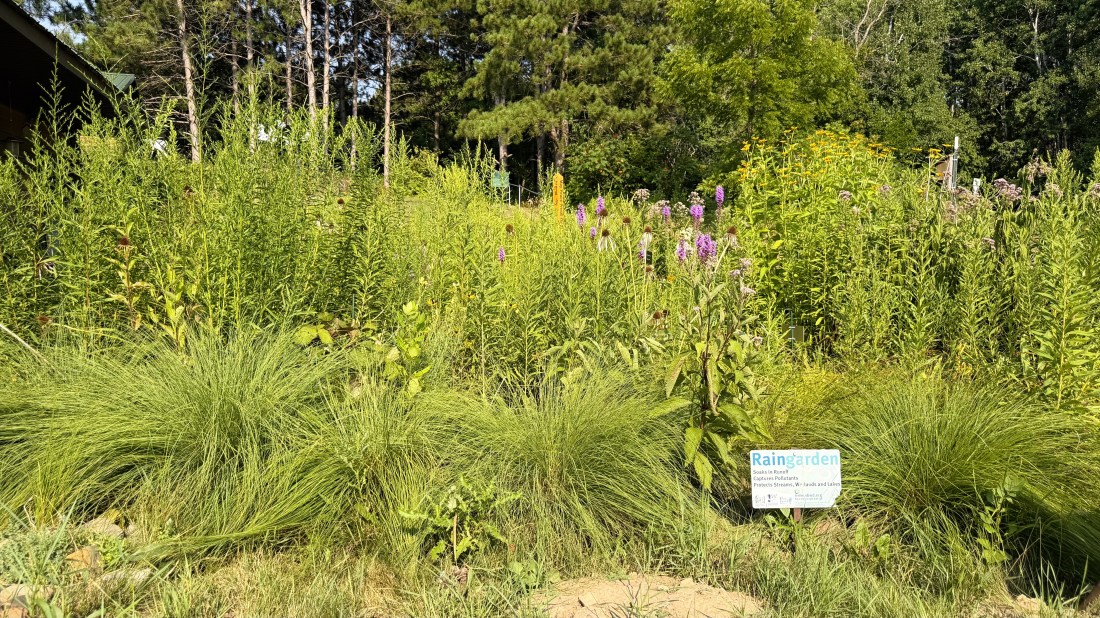
Since 2006, community residents and local government partners have completed nearly 6000 conservation planting projects in Washington County to protect our lakes, rivers, and streams. More than 1600 of these are raingardens, designed to catch nutrient-rich runoff from rooftops, driveways, and streets and soak the water into the ground before it reaches a storm sewer or nearby waterway. Raingardens beautify our local communities and provide habitat for pollinators, but do require specialized knowledge to design, construct, and maintain them for long-term success.
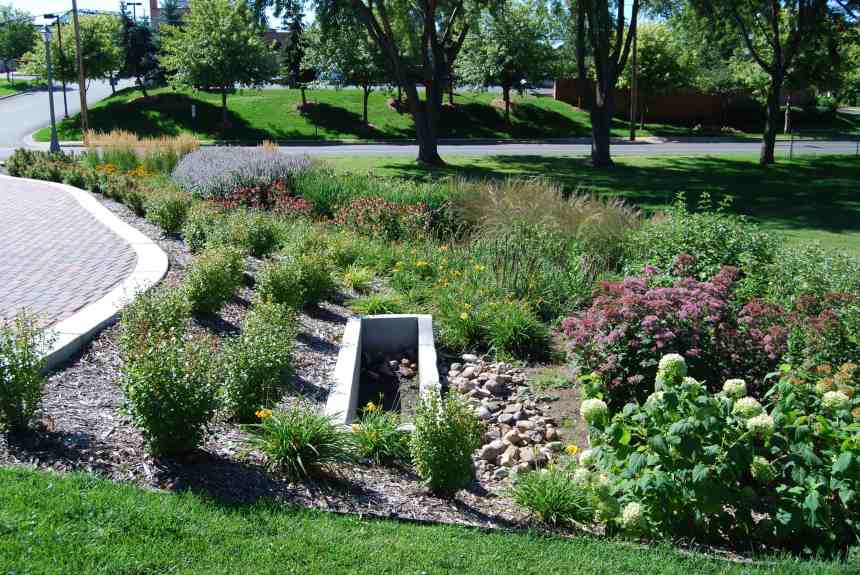

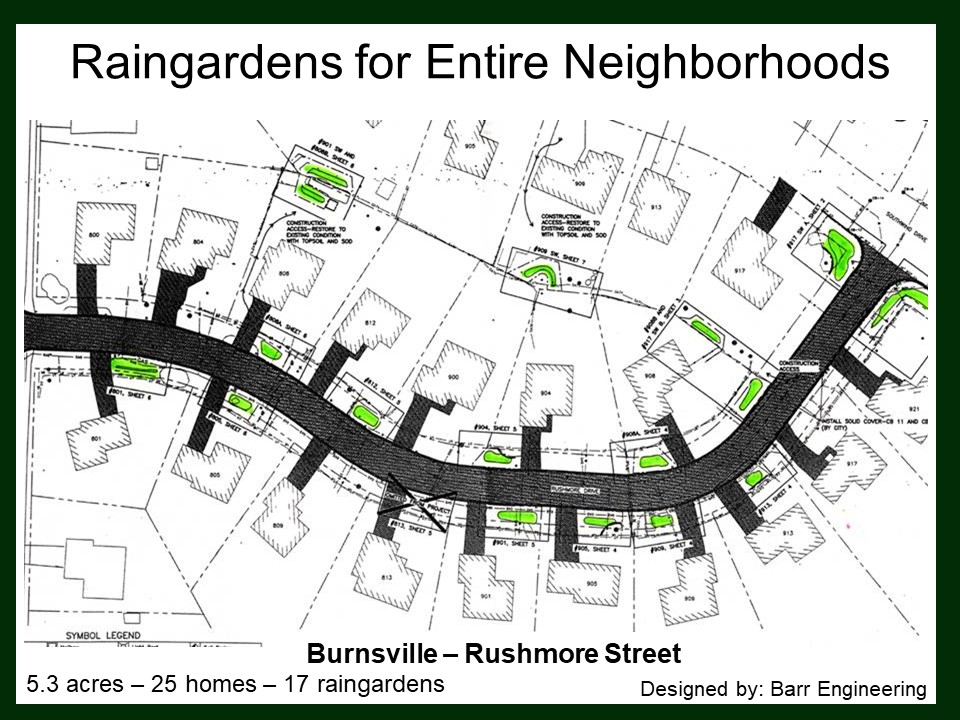
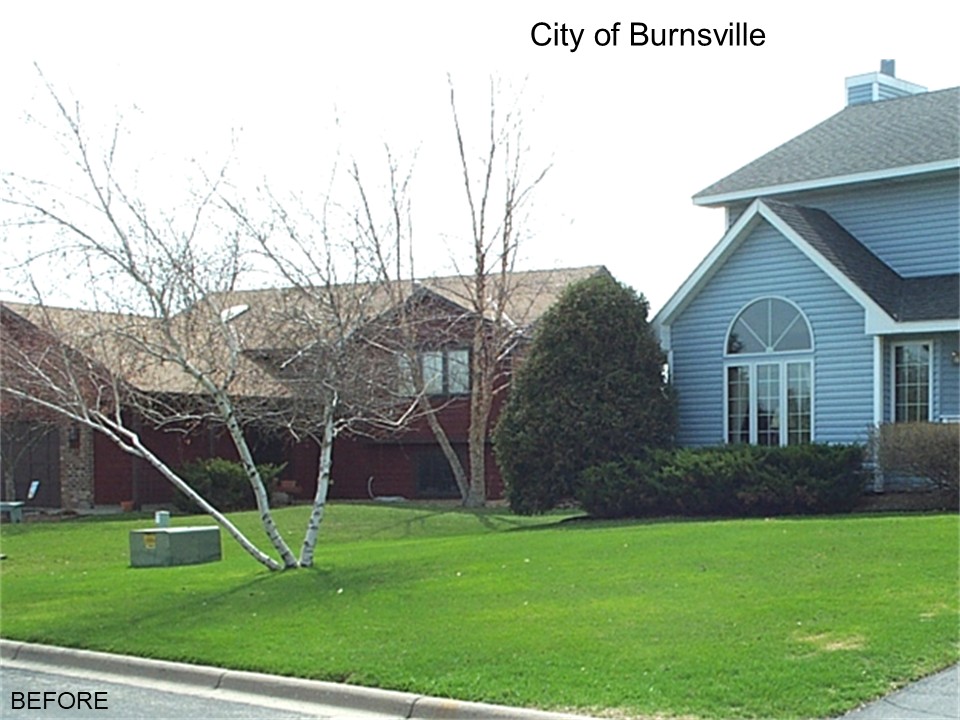
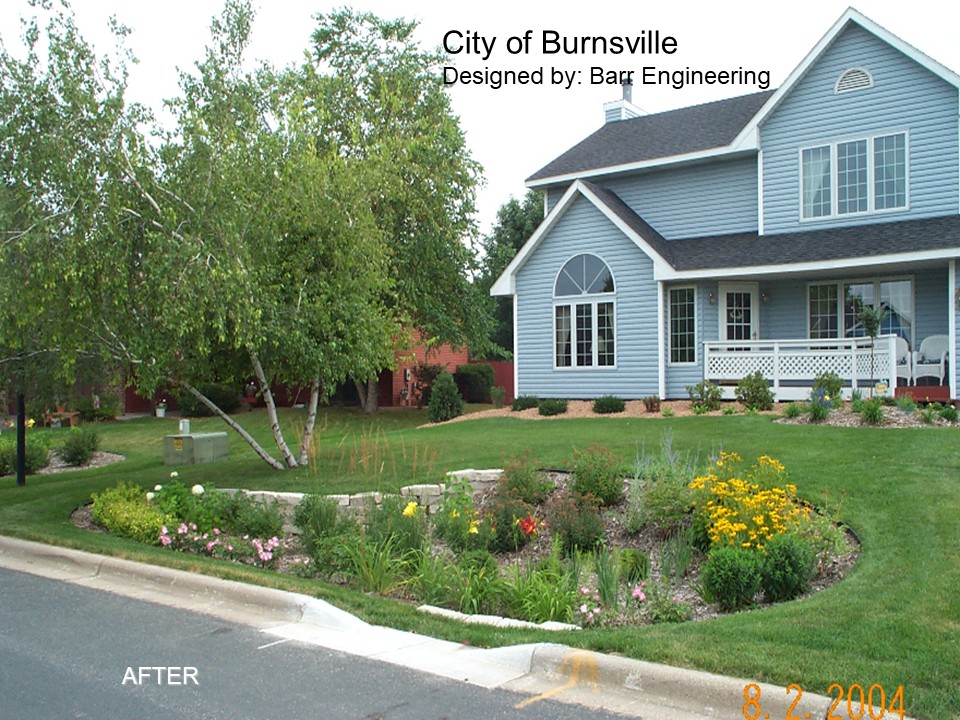
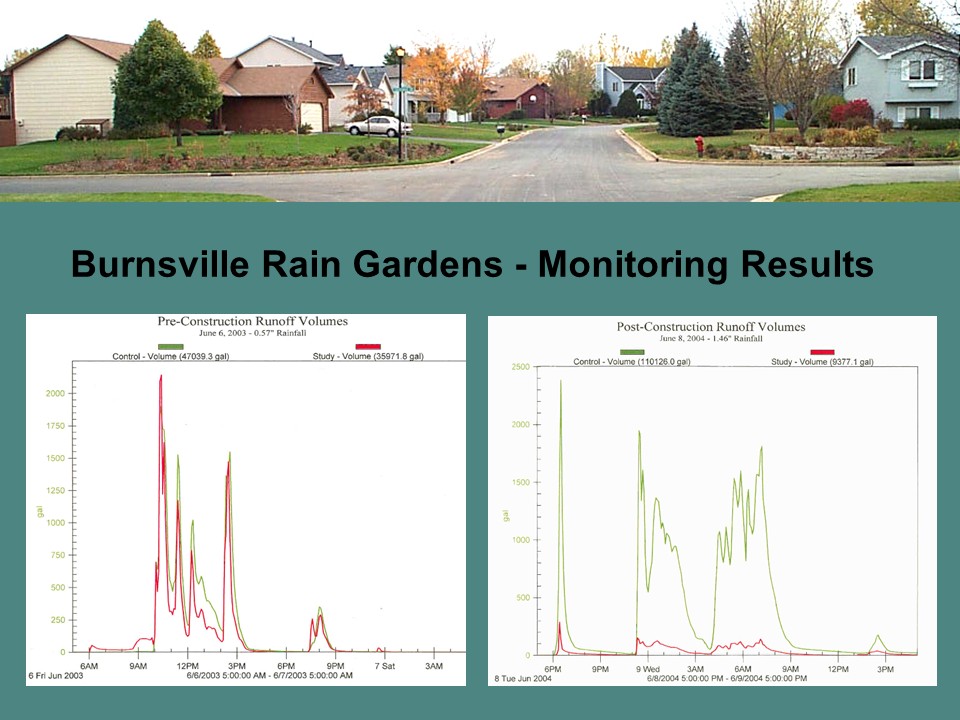
“Raingardens have been a key strategy in helping to restore urban lakes and streams in Minnesota for nearly 25 years,” says Jay Riggs, who is District Manager for the Washington Conservation District (WCD). In the early 2000s, Riggs was one of several people involved in a landmark study that compared two suburban neighborhoods near Crystal Lake in Burnsville. One had 18 curb-cut raingardens added to capture runoff from the streets, while the other was left as is. In the following year, monitoring results showed an 85% decrease in stormwater runoff reaching Crystal Lake from the neighborhood filled with raingardens.
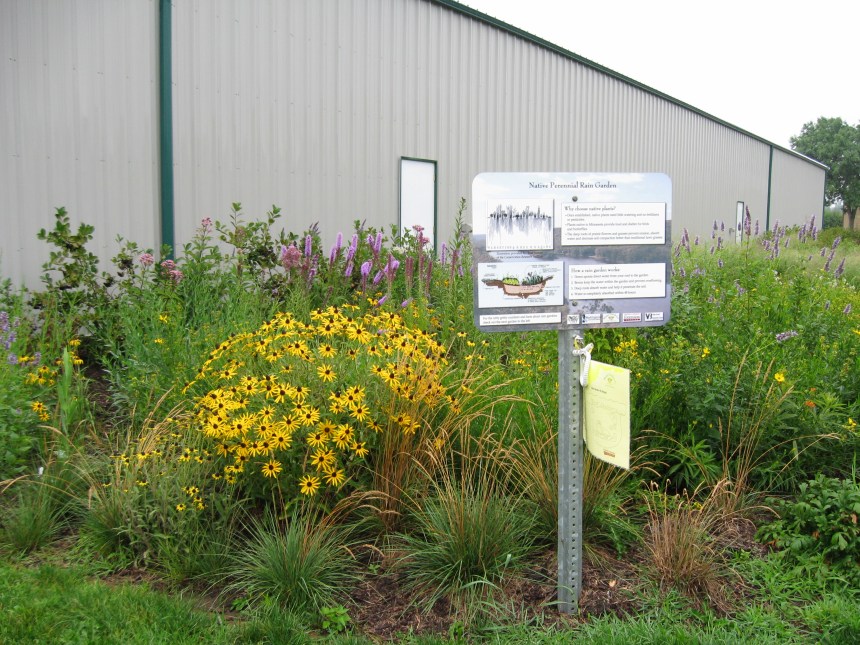
When Riggs came to Washington County in 2005, he collaborated with Master Gardeners and the Valley Branch Watershed District to build four large demonstration raingardens at the Washington County Fairground. The next year, the WCD joined other local government partners to form the East Metro Water Education Program and the program educator (me) set to work planning workshops to teach city staff, landscape designers, developers, and homeowners how to design and maintain raingardens.
Now, twenty years later, there are thousands of raingardens, native shorelines, pollinator gardens, and prairies in our communities and annual water monitoring shows a marked improvement in lakes and streams across Washington County.
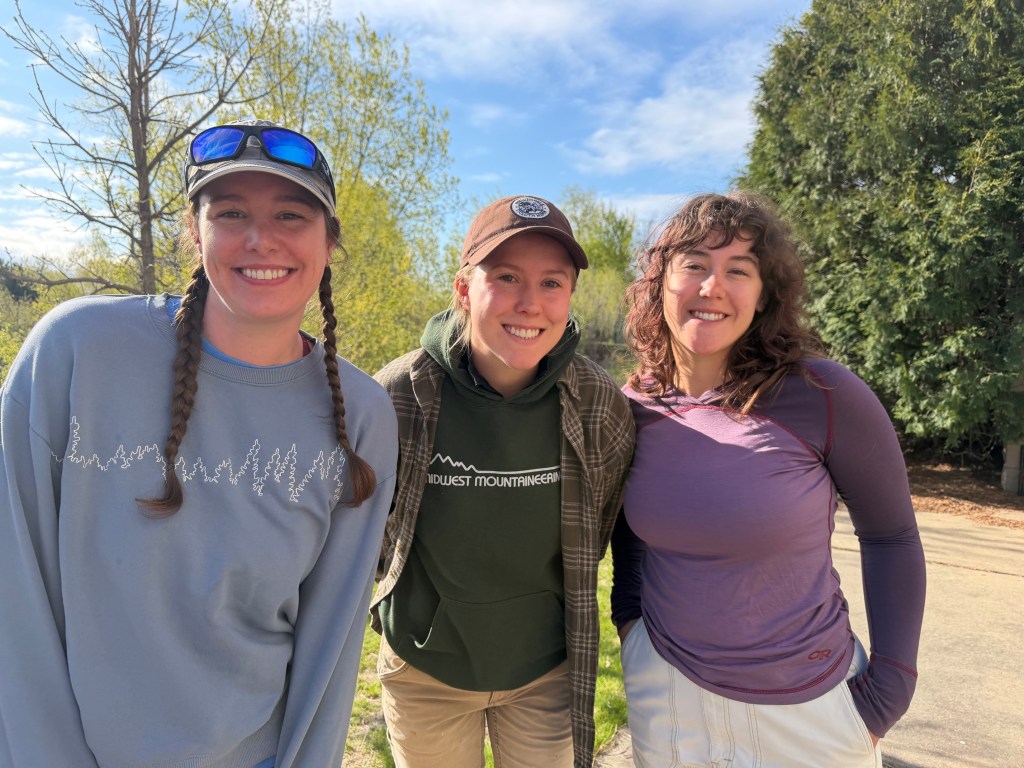
“We definitely stay busy!” laughs Cameron Blake, who manages the WCD’s inspections and maintenance program, developed in 2016. Blake oversees a team of five seasonal staff and has 17 contracts with local cities, watershed organizations, schools, and the county to help maintain raingardens and native plantings. He also notes that raingarden ownership can be complicated. “If you see a raingarden in town, it could be owned by the city, the county, or a private landowner. Sometimes, even, they are built by private businesses or developers to meet permit requirements and that business is responsible for the long-term care and maintenance.”
The WCD’s maintenance contracts vary in scale considerably, depending on the size of a community and number of planting projects they need help maintaining. In Stillwater, for example, the city allocates up to $18,000 per year to care for raingardens and other planting projects on city-owned property. The maintenance team collects sediment that accumulates in raingarden inlets, removes senesced vegetation in the spring, and pulls and treats weeds throughout the summer. The community of St. Mary’s Point, on the other hand, is much smaller and only spends about $500 a year on raingarden maintenance.
Volunteers, including Master Gardeners, Minnesota Water Stewards, Scout Troops, youth groups, and church groups also help to care for raingardens and native plantings in Washington County.
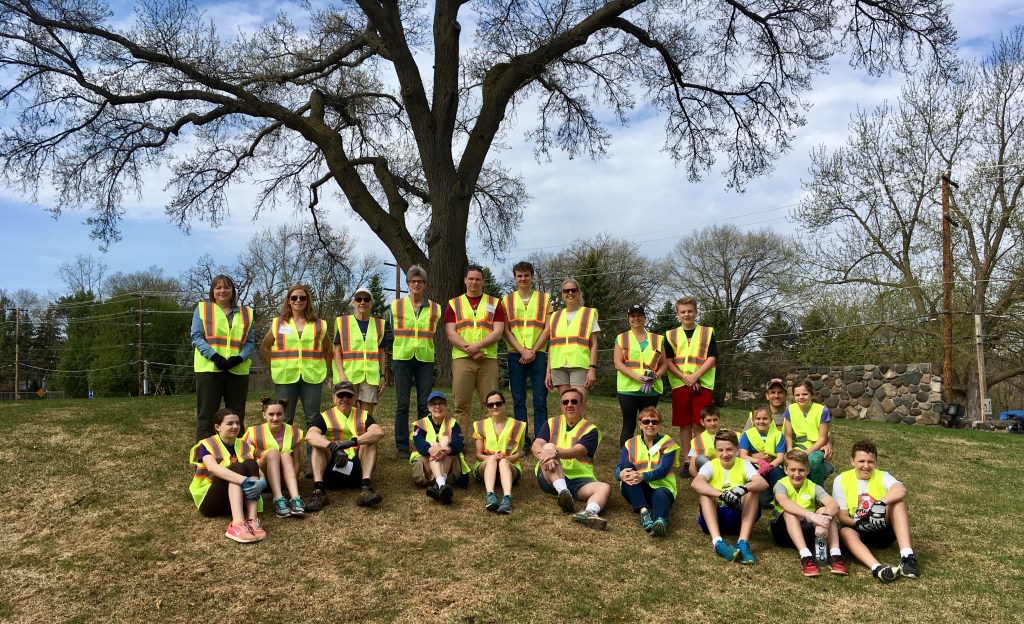
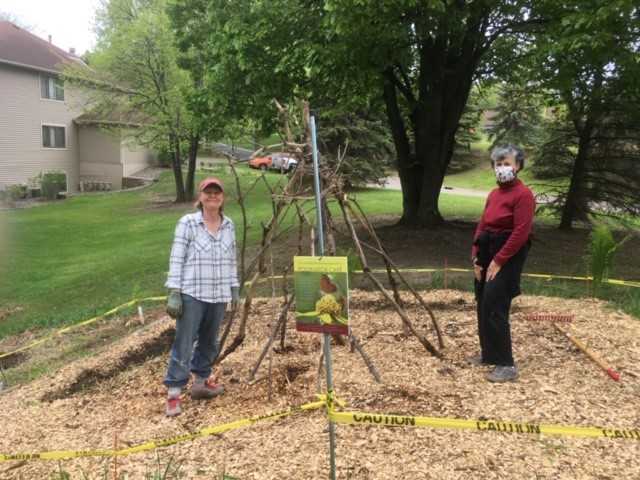

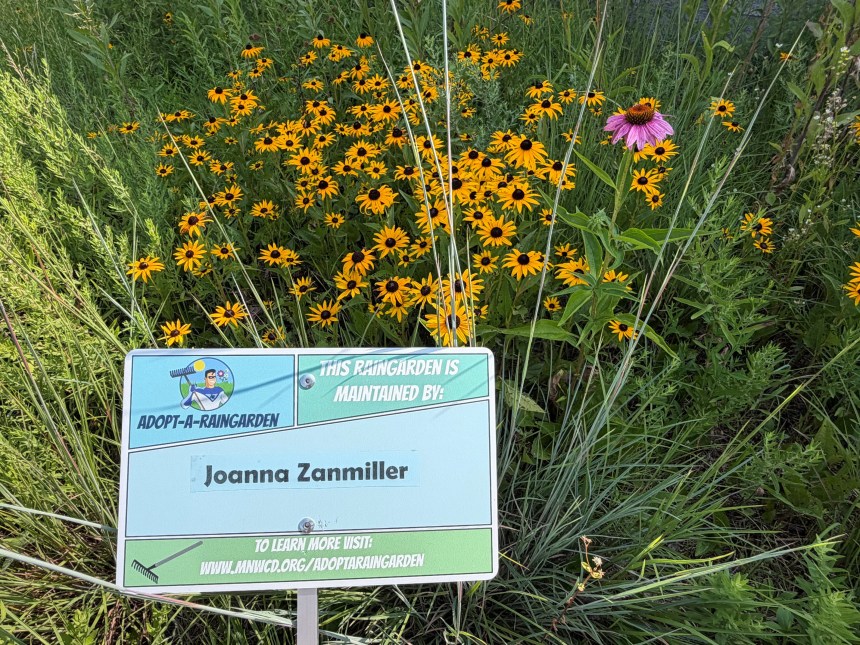
One of the most robust examples is the Adopt-a-Raingarden program in the cities of Stillwater and Oak Park Heights, which was developed by the WCD and Sustainable Stillwater MN in 2018, with funding support from the Stillwater Area Foundation. Volunteer adopters visit their gardens two to three times per year to weed, thin plants, and pick up litter, and also report any major problems, such as water not draining within 48 hours. The WCD oversees the program and supports volunteers by providing safety vests and on-site consultations, in addition to picking up yard waste bags after volunteer events, clearing-out sediment from the raingarden inlets, and providing new mulch when needed.
“By caring for raingardens, volunteers gain hands-on experience with sustainable land and water stewardship and learn how these living systems help to manage stormwater and protect natural resources,” says Andi Arnold, Sustainable Stillwater’s executive director.
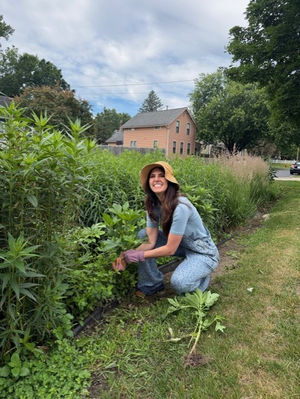
Currently, volunteer adopters are caring for roughly 40 raingardens in Stillwater and a few super-star volunteers, including Kelly Stichter, Louise Stevens, Martha Fox Frank, and Ruth Alliband, actually care for more than one garden. The Miltich family has been tending a large raingarden at Washington Square Park for several years, Scout Troop 9162 is caring for three raingardens on Stillwater’s north hill, and Brittney Bates of From Wags to Wiggles dog walking and pet sitting cares for four raingardens on Stillwater’s south hill.
In other communities, Master Gardeners and Water Stewards often take the lead on raingarden care and maintenance. In Woodbury, Anna Barker led the effort to plant numerous raingardens and native plantings at Trinity Presbyterian Church and Lakeridge Townhomes, and regularly enlists the help of local youth groups to keep the gardens looking good. Stephanie Wang, another superstar volunteer, organizes annual raingarden clean-up events at city parks as well. Nearby in Lake Elmo and Baytown, Master Gardeners tend a large raingarden at Sally Manzara Nature Center, as well as the four demonstration raingardens at the Washington County Fairground.
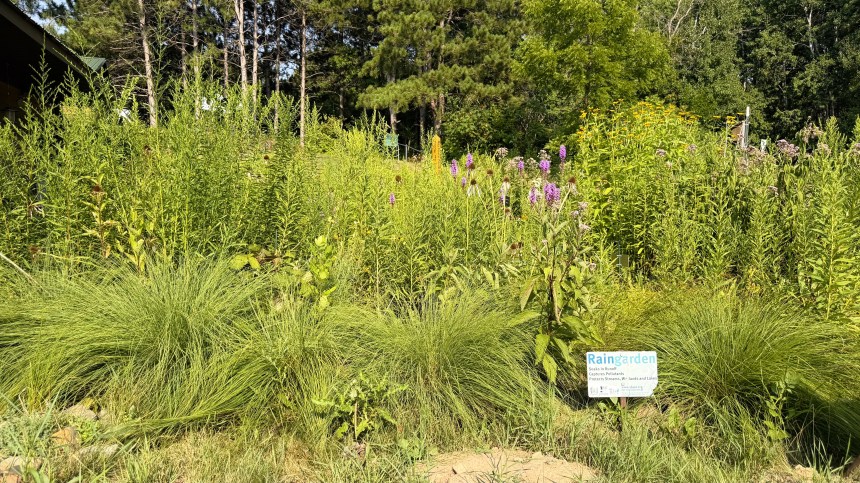
“Volunteers play an important role in caring for our community raingardens,” says Lori Maxfield, WCD’s volunteer coordinator. “They unselfishly commit their time, energy, and talents to create a meaningful impact that supports environmental stewardship and beautifies the community with diverse, native plants.”
If you see a raingarden in your neighborhood that is in need of extra maintenance, a good first step is to reach out to the Washington Conservation District for more information. In some cases, the gardens are privately owned and there is no role for the city or volunteers. If you’re looking for a volunteer project for yourself or a youth group, contact Lori Maxfield at lmaxfield@mnwcd.org and she can help to connect you with opportunities around Washington County, including helping to care for raingardens, trees, and native plantings.
It takes a village to plant and tend raingardens in our communities, but it’s a very pretty village, filled with flowers, birds, and butterflies!