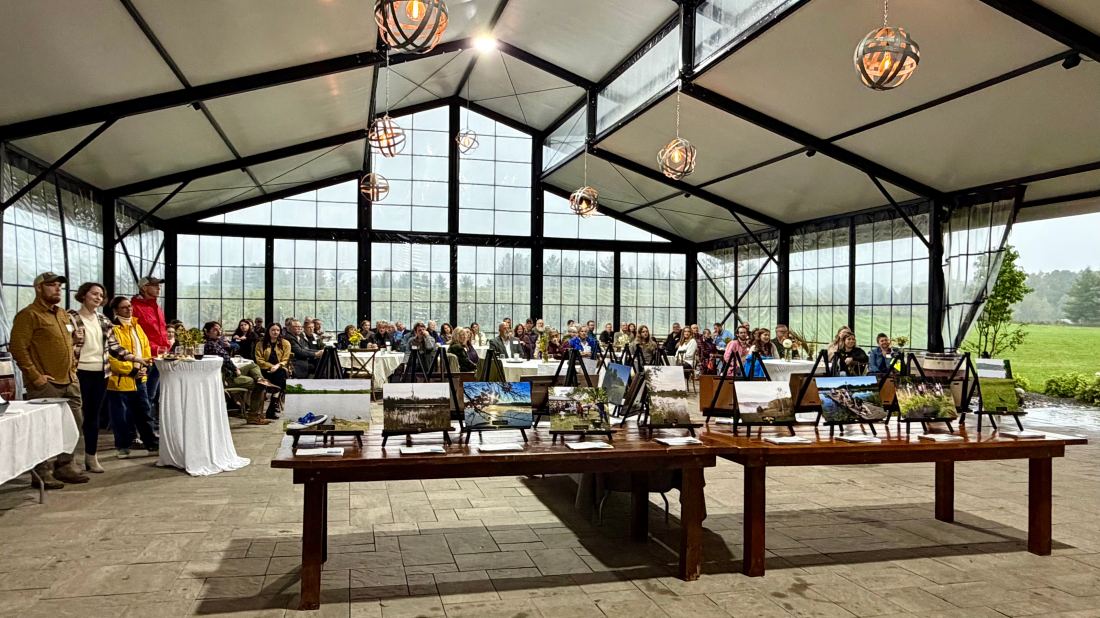
This week, the East Metro Water education program (EMWREP) celebrates its 20th anniversary. The unique partnership brings together cities, counties, watershed organizations, and soil and water conservation districts in Chisago, Isanti, Ramsey, and Washington Counties that are working together on watershed protection and restoration.
Since 2006, EMWREP partners have brought more than 20 lakes back to good health and have also completed major stream and river restorations along the Grey Cloud Channel (Mississippi River), Trout Brook (Afton), Sunrise River (Wyoming), and Brown’s Creek (Stillwater) .
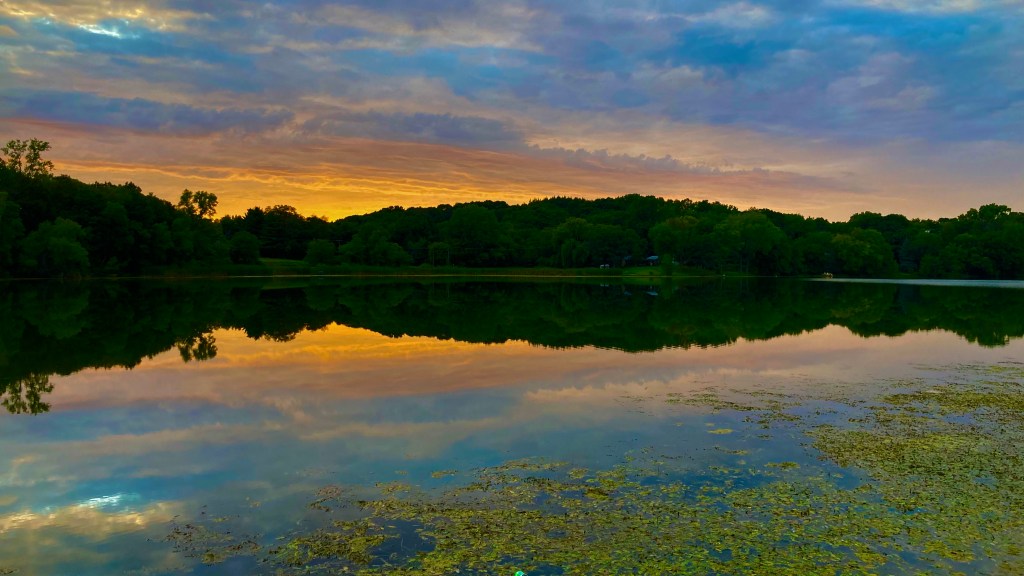
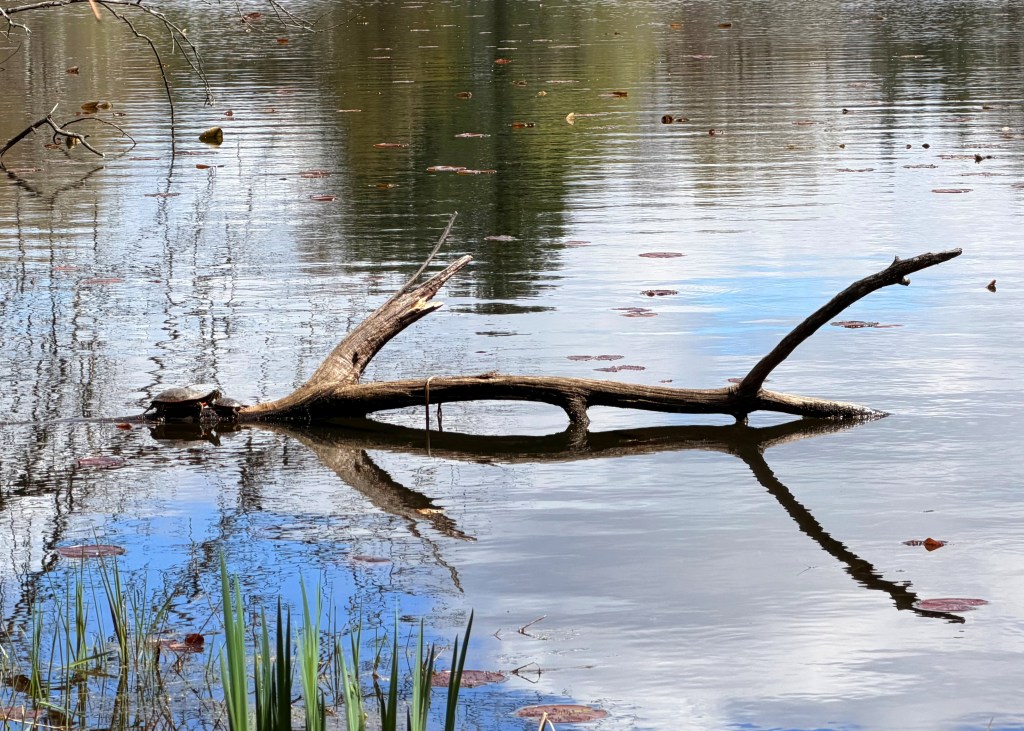
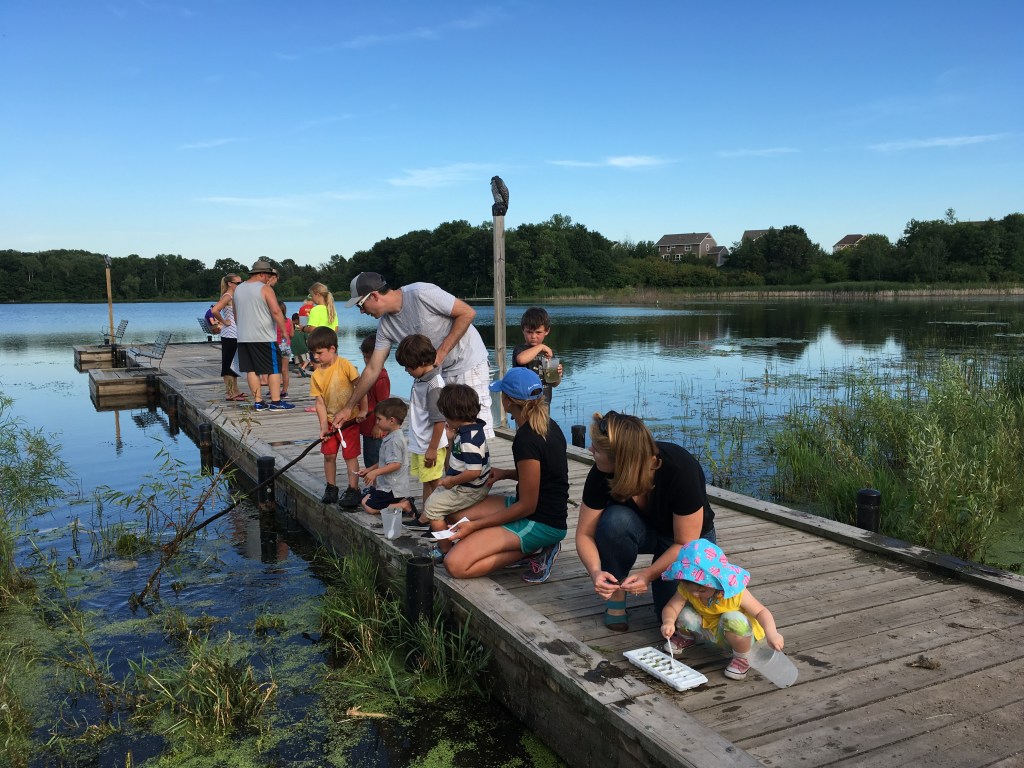
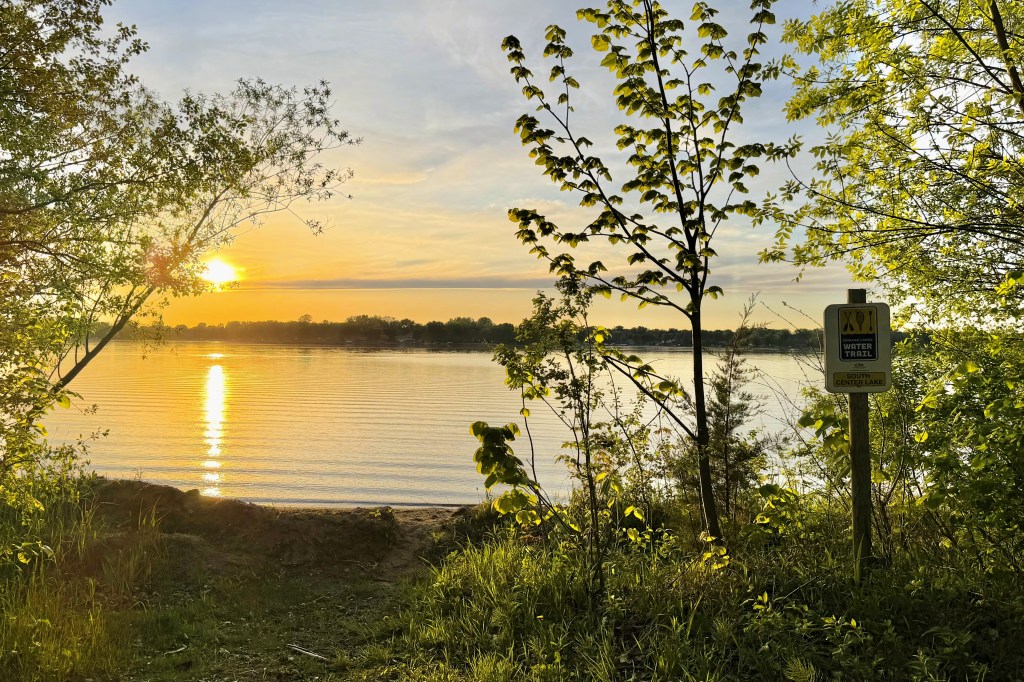
In the recipe for lake and stream restoration success, community engagement is an often overlooked but essential ingredient. Though the projects implemented vary from one location to another, it is almost always true that lakes and streams get better when people in the community care, show up at public meetings, volunteer, participate, and support local government and nonprofits in doing clean water work.
Some of EMWREP’s most visible community engagement programs include Blue Thumb – Planting for Clean Water (BlueThumb.org), Adopt-a-Drain (adopt-a-drain.org), and Minnesota Water Stewards (minnesotawaterstewards.org). EMWREP is also well-known for its robust media presence, including weekly articles published online and in local newspapers and a large following on multiple social media platforms (see also @mnnature_awesomeness).
Looking back in time to 2006 when EMWREP was created, the condition of our local watersheds was quite different than today.
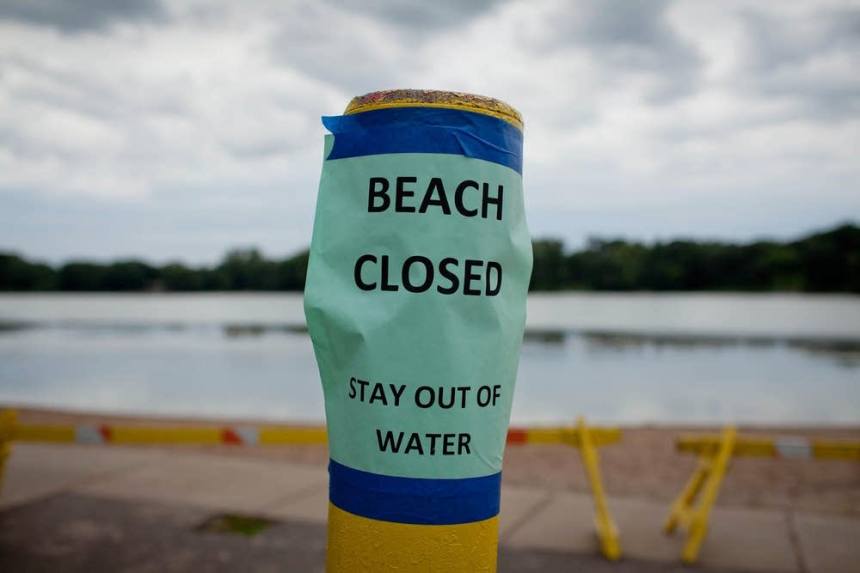
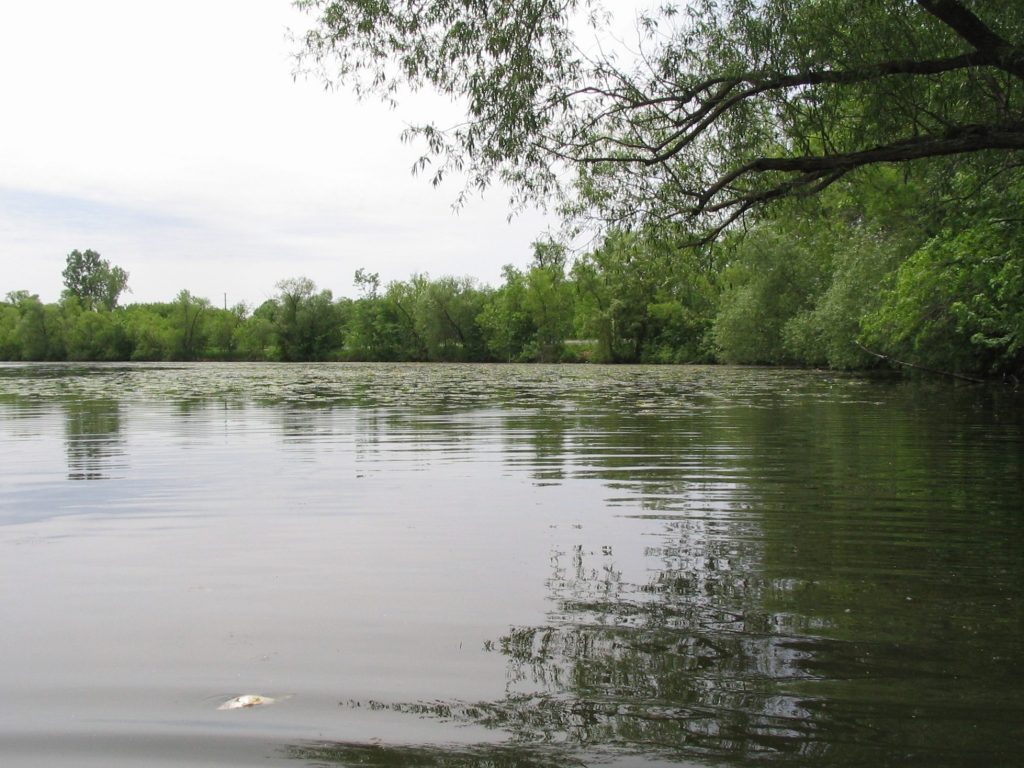
As the east and northeast metro developed, community lakes began to collect nutrient-rich stormwater runoff from city streets, neighborhoods, and golf courses. Water quality declined in the 1980s and 90s and algae blooms became common. From Comfort Lake in Wyoming to Carver Lake in Woodbury, Bald Eagle Lake in Hugo/White Bear Township, and Lily Lake in Stillwater – numerous water bodies were added to the state’s impaired waters list.
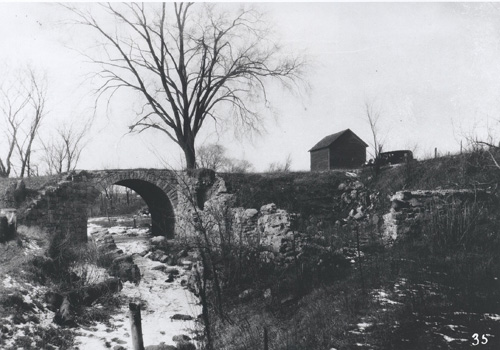
In Afton State Park, there were no trout in Trout Brook. Here in Stillwater, the Minnesota Department of Natural Resources (DNR) was stocking trout in Brown’s Creek every year because the fish rarely survived from one spring to the next. Meanwhile, along the backwaters of the Mississippi River, the Grey Cloud Channel had not had flowing water since 1965.
Local government partners were trying to protect lakes and streams, but funding was limited and progress was slow.
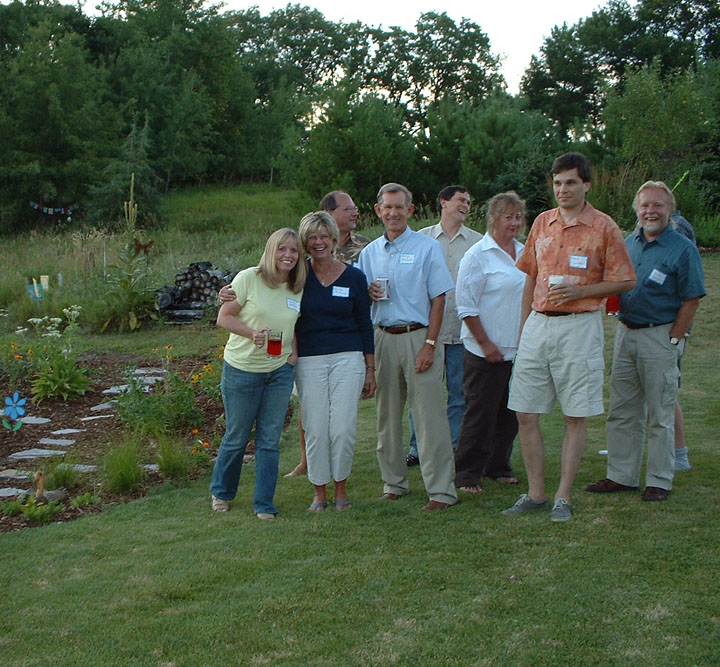
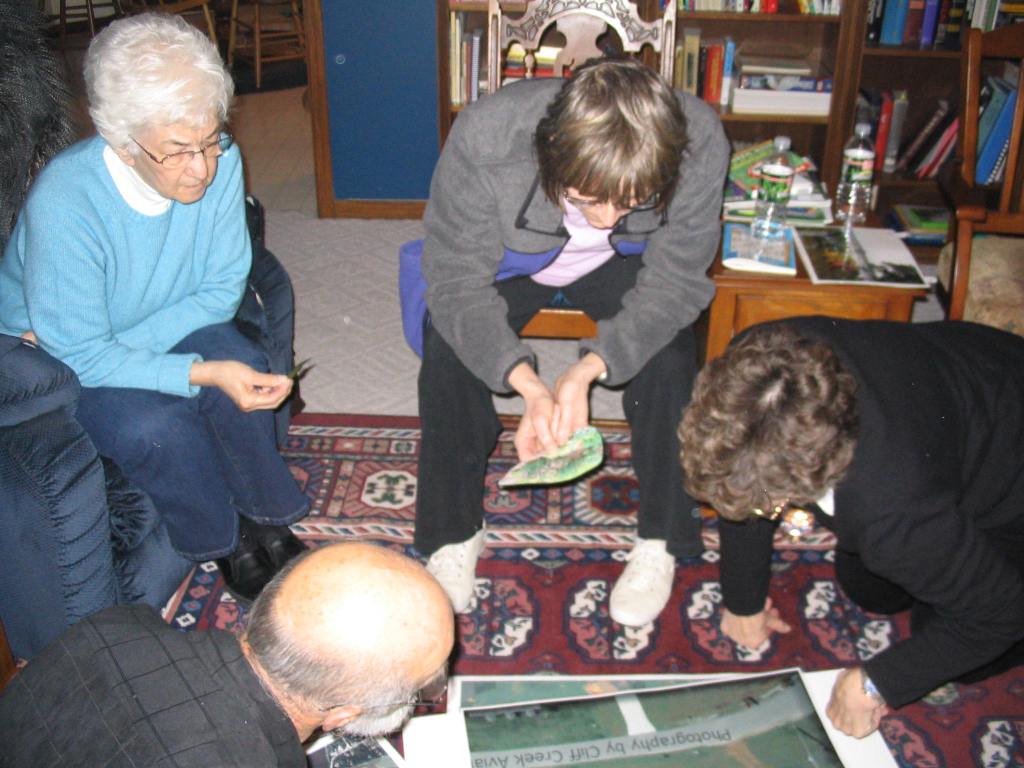
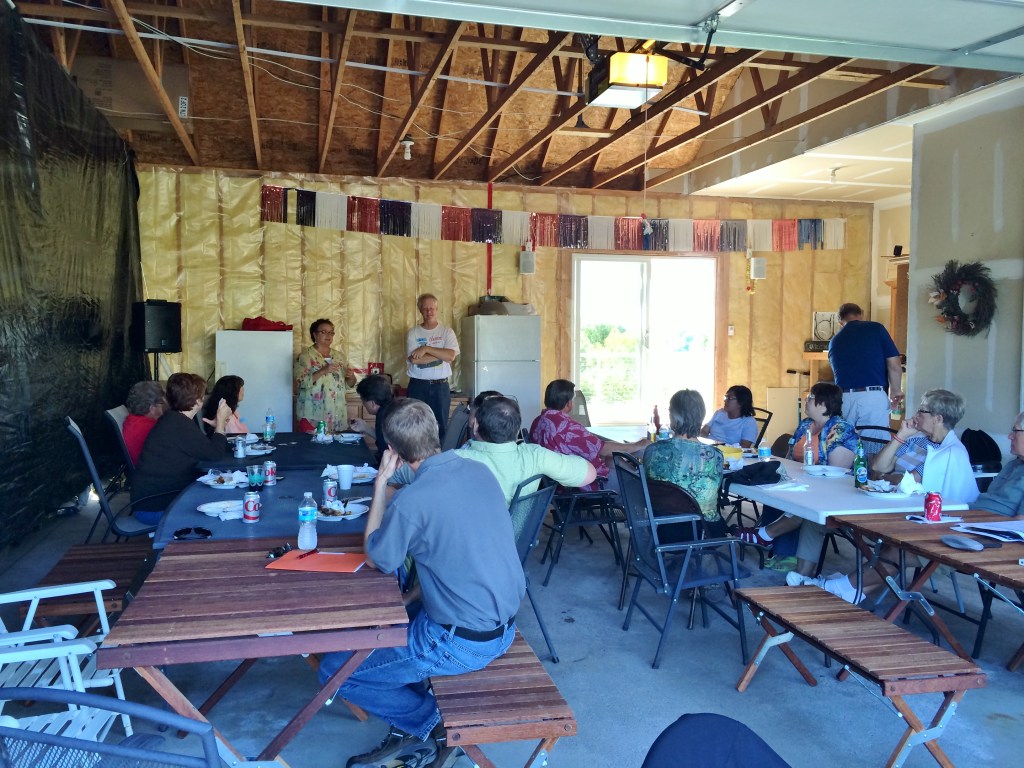
In June of 2006, Brown’s Creek, South Washington, and Valley Branch Watershed Districts; Middle St. Croix WMO; City of Stillwater; Washington Conservation District; and Washington County decided to pool their funding to hire a shared watershed educator. In the beginning, the goals were relatively simple – help people understand that their actions affect water, and teach them what they can do to reduce stormwater runoff pollution.
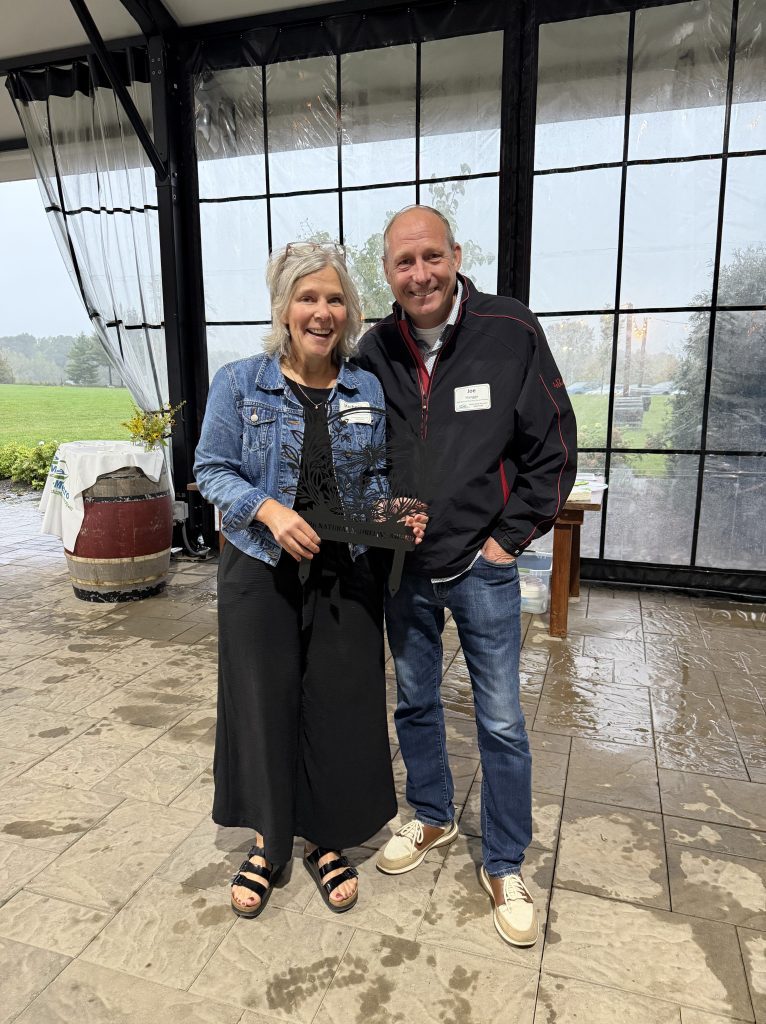
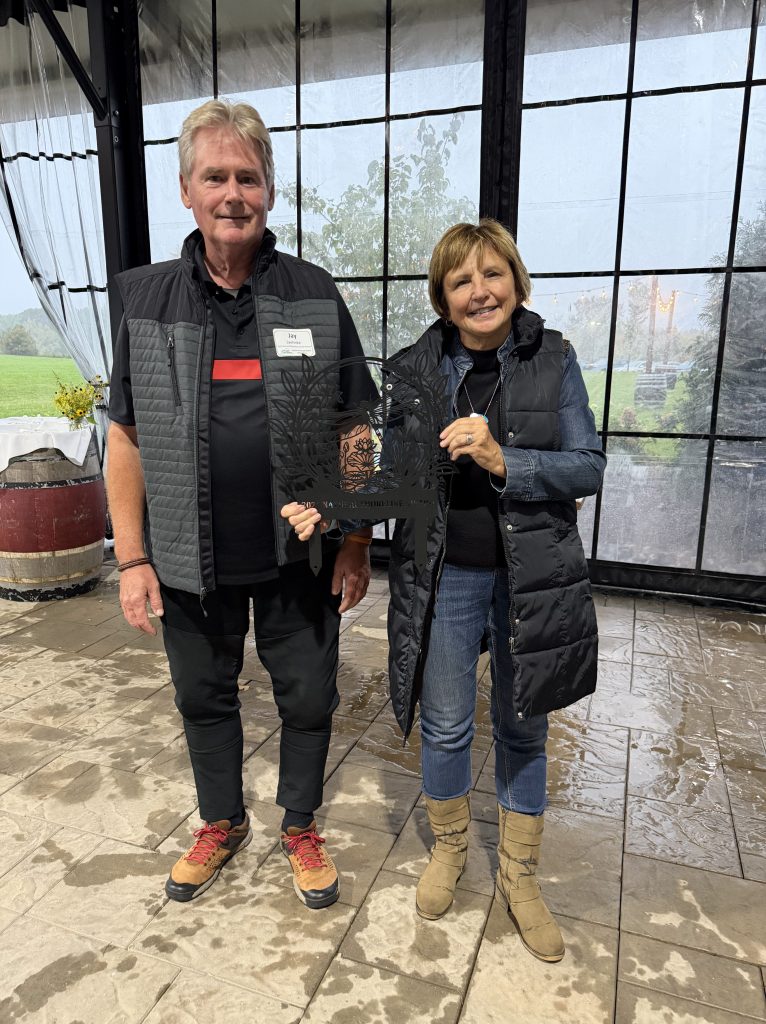
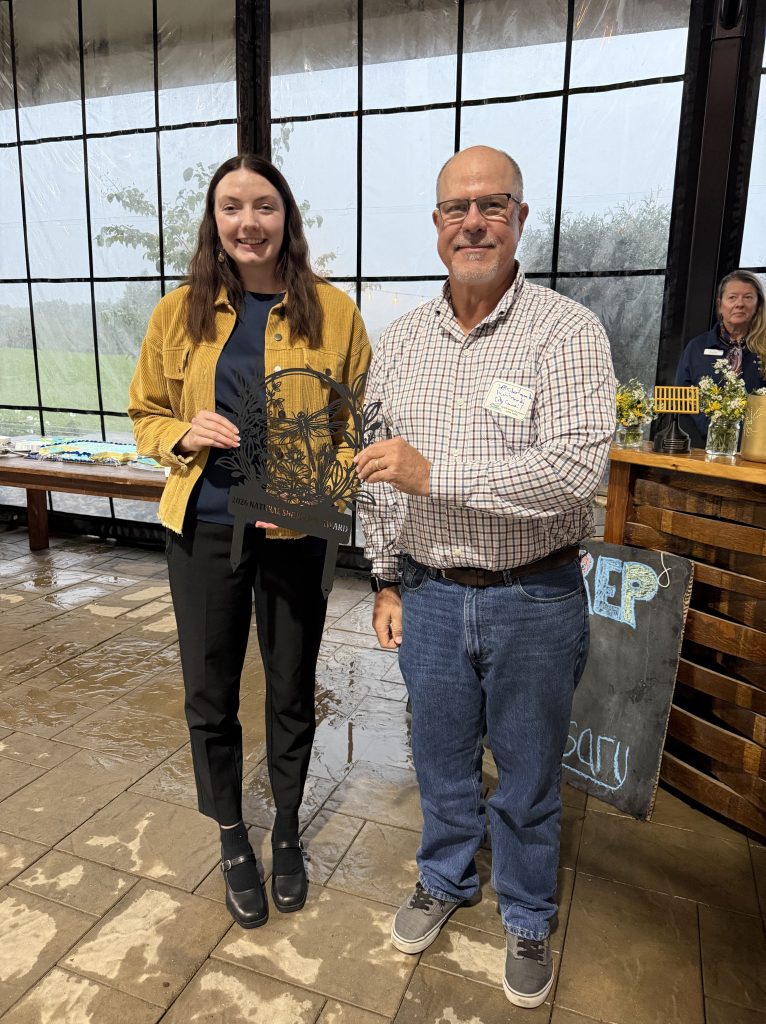
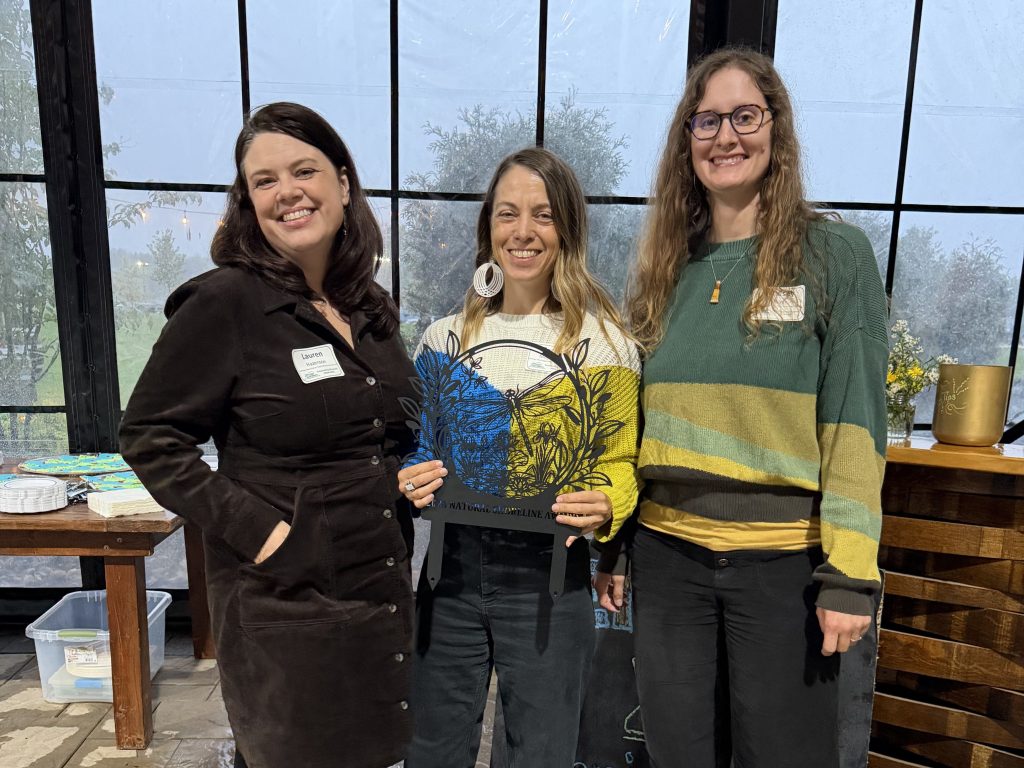
Today, EMWREP has grown to serve 30 member communities and has helped to create numerous education and engagement programs. There are more than 500 certified Water Steward volunteers in Minnesota and 35 working in the east metro region. Minnesotans have adopted more than 30,000 storm drains statewide, and Washington County residents have planted thousands of native gardens, ranging in size from small pollinator pocket plantings to multi-acre prairie restorations.
As education programs have grown, so too has the infrastructure for systemic change. A 2006 Washington County referendum created a pool of funding to purchase and protect high quality habitat from development. In 2008, Minnesota’s Legacy Amendment created the Clean Water Fund and Outdoor Heritage Fund, both of which provide a steady-stream of funding for watershed and habitat restoration work.
Watershed Districts have created cost-share and stewardship grant programs to support cities, townships, and private landowners who are building raingardens, restoring shorelines, and completing other clean water projects. Meanwhile, metro area Conservation Districts are utilizing subwatershed analyses to prioritize the most cost-effective strategies and best locations to capture stormwater and reduce runoff pollution.
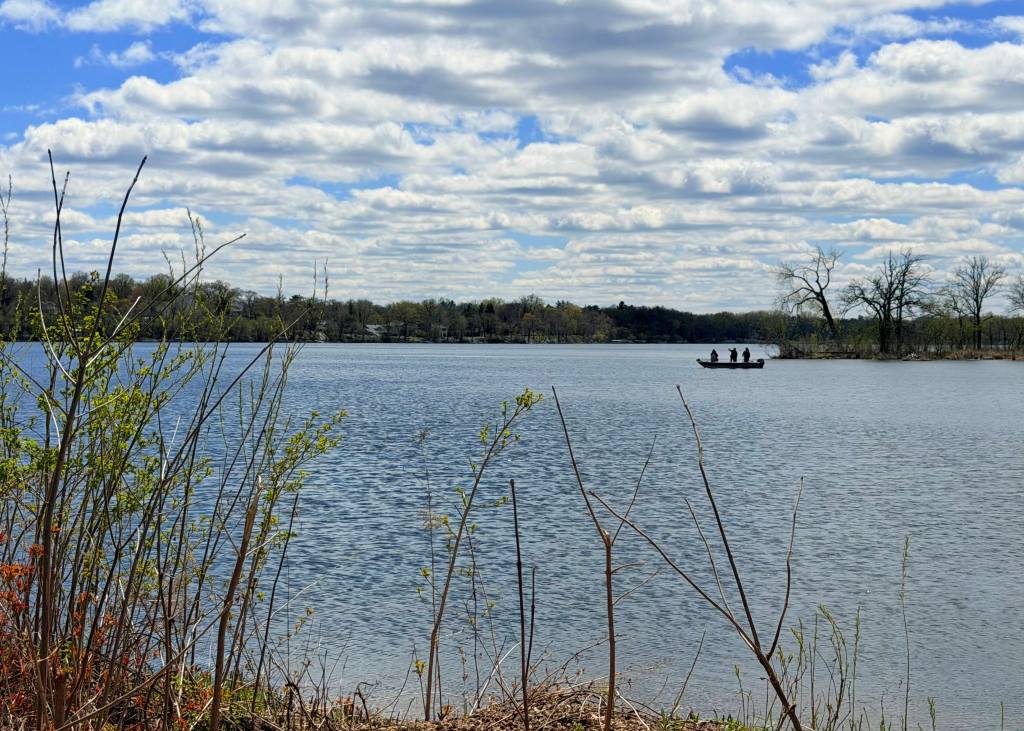
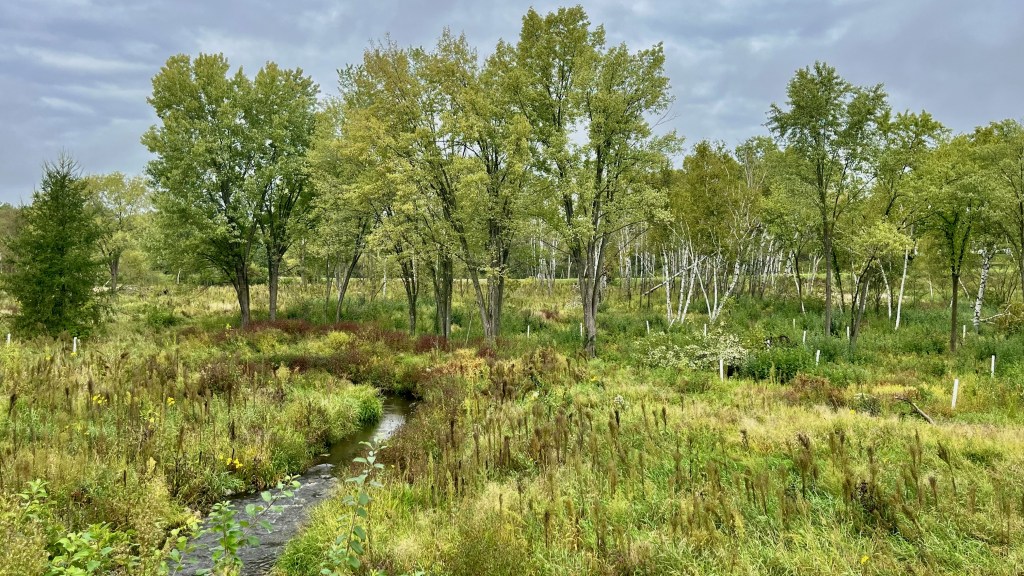
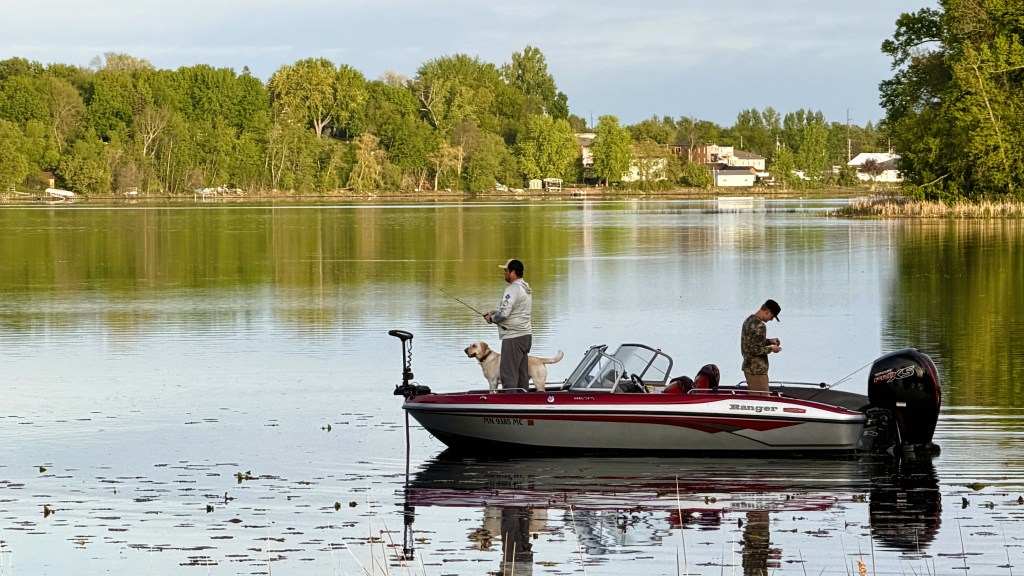
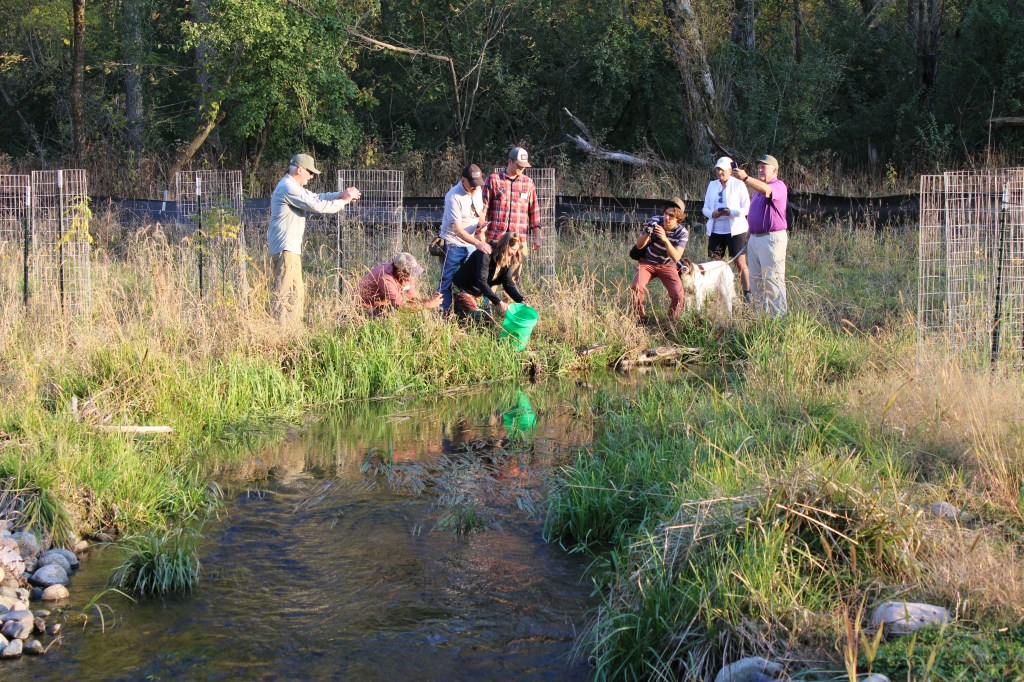
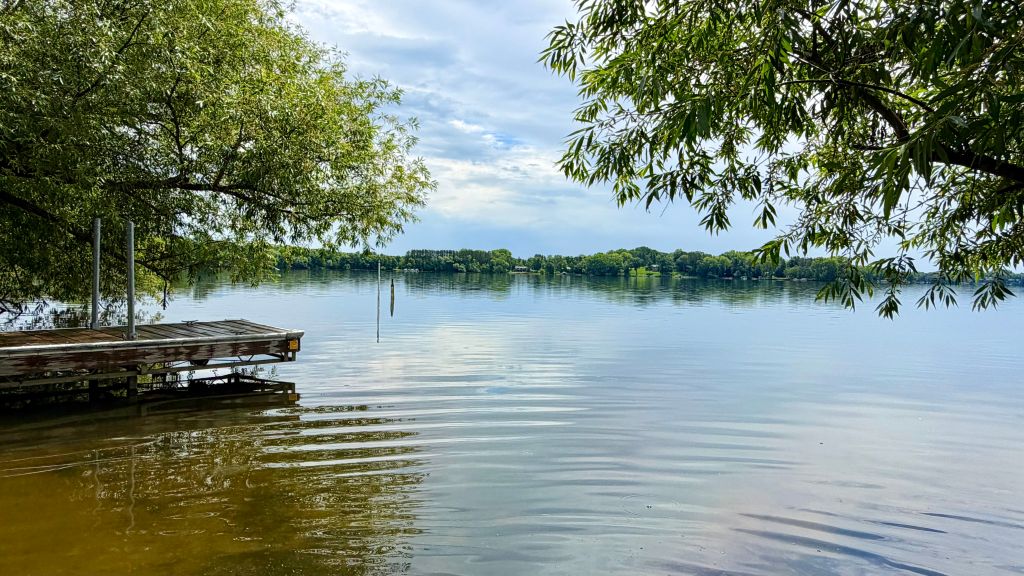
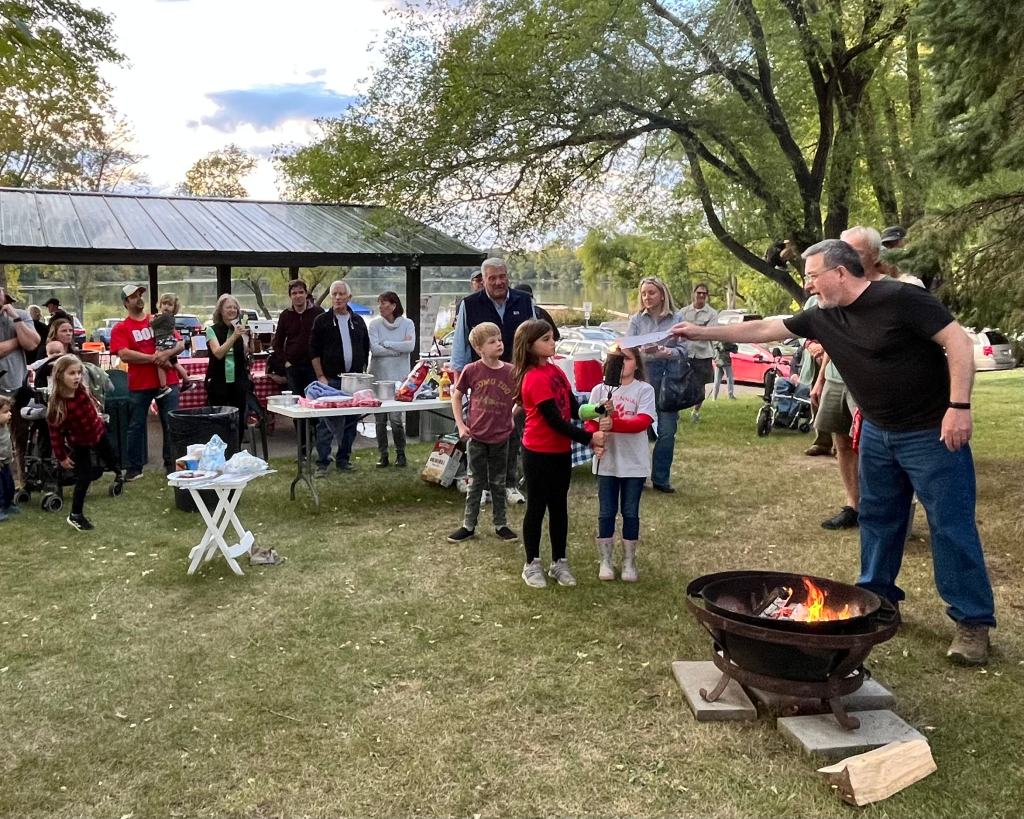
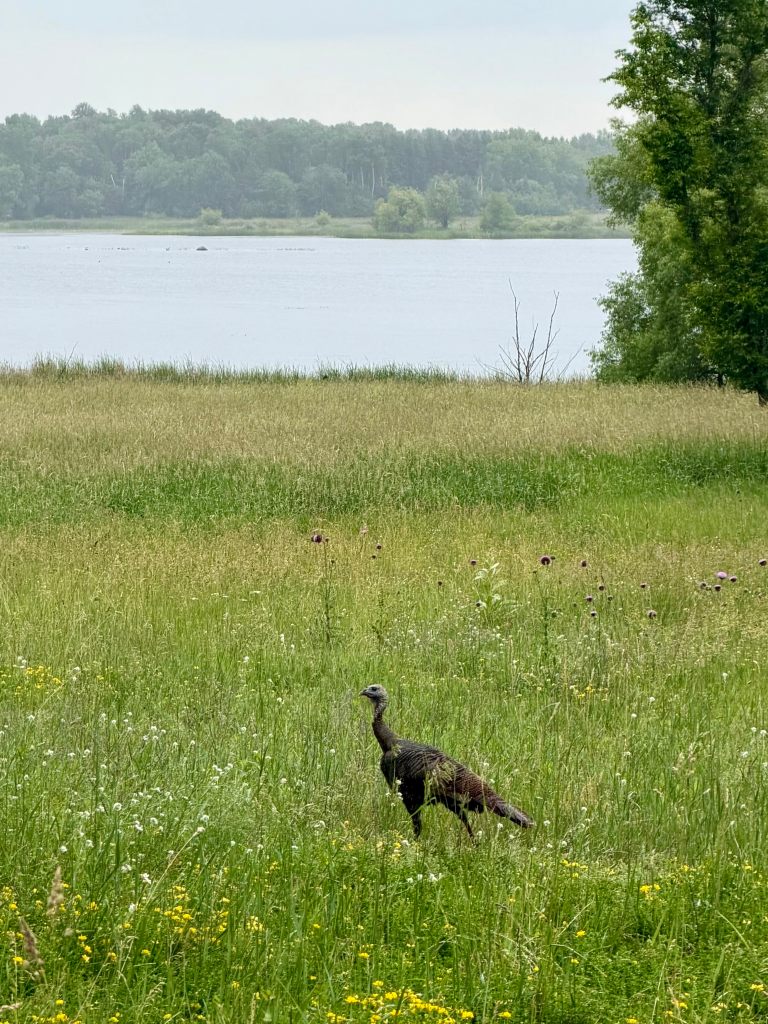
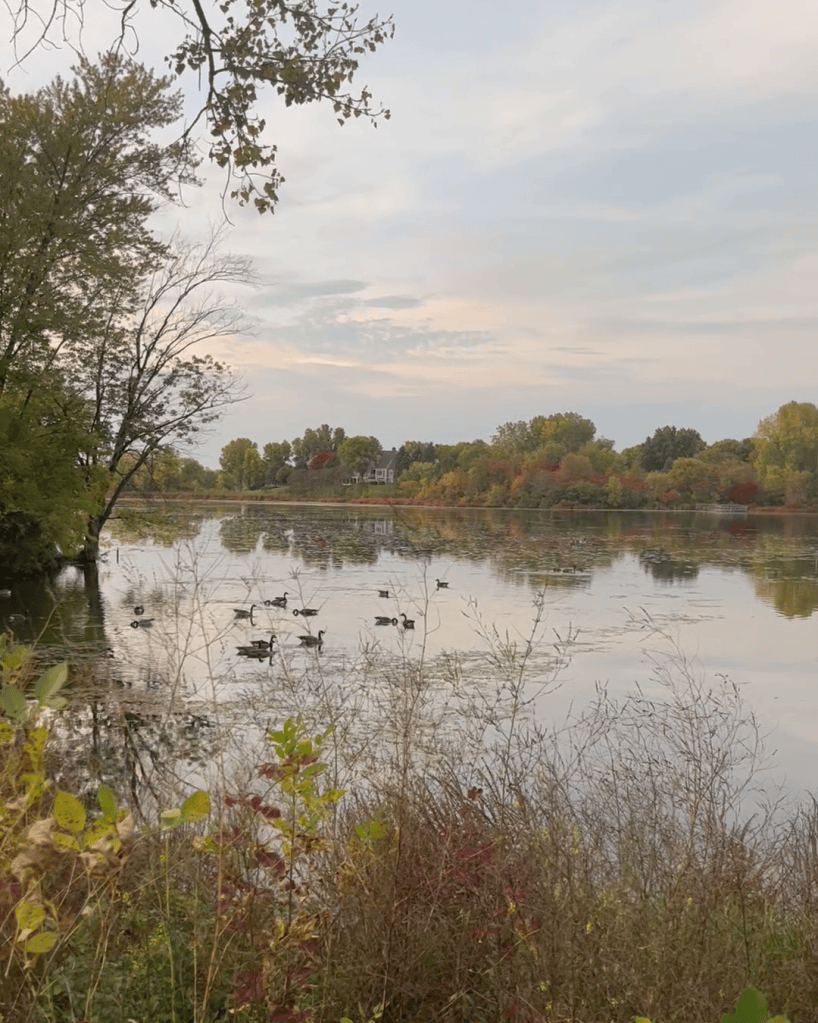
Today, water quality has improved enough that nearly 100 degraded lakes in Minnesota have been successfully removed from the state’s impaired waters list. These include Bald Eagle (Hugo and White Bear Twp.), Battle Creek (Woodbury), Bone (Scandia), Carver (Woodbury), Comfort (Wyoming), East Boot (May Twp), Echo (Mahtomedi), Hay (Scandia), La (Woodbury), McKusick (Stillwater), Lily (Stillwater), North and South Center Lakes (Center City and Lindstrom), Plaisted (Hugo), School (Chisago City), South Twin (Stillwater), and White Rock Lake (Scandia). More lakes are set to be “de-listed” in 2028.
Without exception, every one of these lake and stream restorations has been a team effort. Most have utilized local, state, and federal funding and engaged a wide variety of partners, including nonprofits, lake associations, schools, community groups, and private landowners. Education is never the only thing that makes a difference, but you’ll see education, outreach, and community engagement in every success story. Also, every lake and every community is different, so it actually takes a lot of research, adaptability, and strategic thinking to bring these lakes and streams back to good health.
It takes multiple years, sometimes even decades, to nurse degraded waters back to good health. It can feel like pushing a boulder up a hill, and then one day you realize you’re almost to the top and it’s time to move on to the next hill!


