From 2016 to 2023, the number of inspected watercraft In Washington County with drain plug violations dropped from 7% to 1%. This is an indication that watercraft inspections and AIS education programs are working.
Read More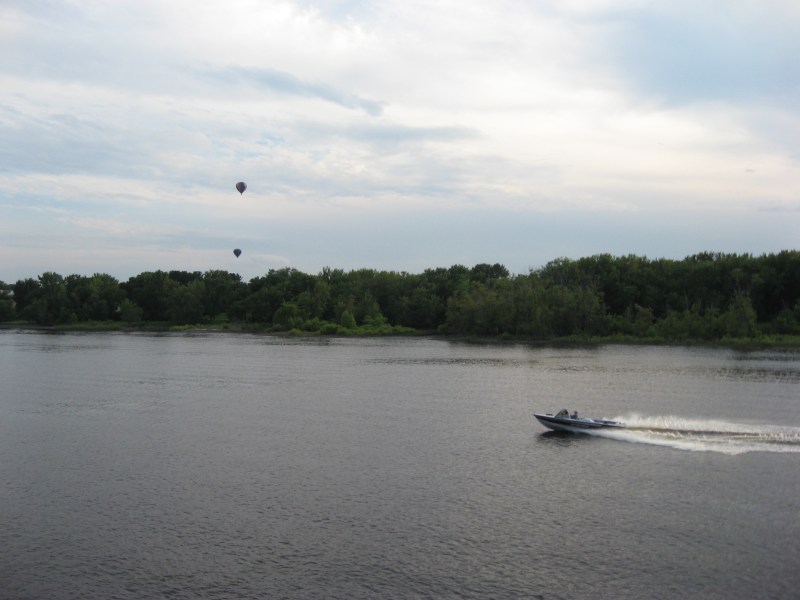
Tips and tales about keeping water clean
From 2016 to 2023, the number of inspected watercraft In Washington County with drain plug violations dropped from 7% to 1%. This is an indication that watercraft inspections and AIS education programs are working.
Read More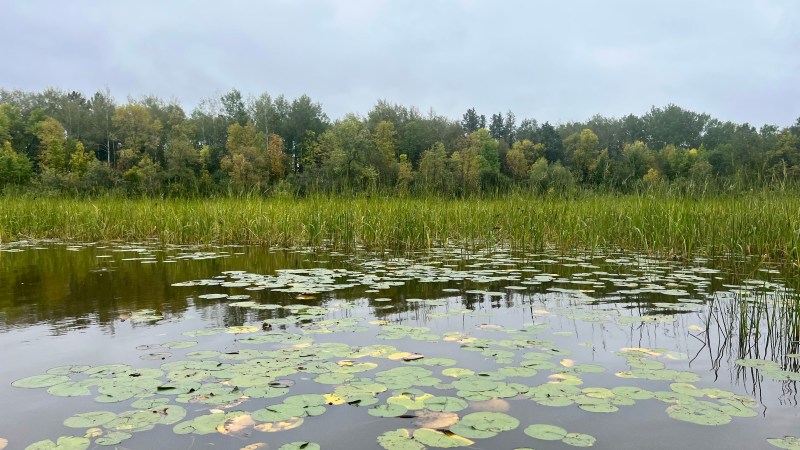
Minnesota gained roughly 43,000 acres of wetlands statewide between 2006 and 2020. Wetland health varies greatly across the state, however, and some types of wetlands are more at risk.
Read More
Communities across the Twin Cities are currently waging a battle against time, as they work to curb the flow of salt into lakes, rivers, streams and groundwater before it’s too late.
Read More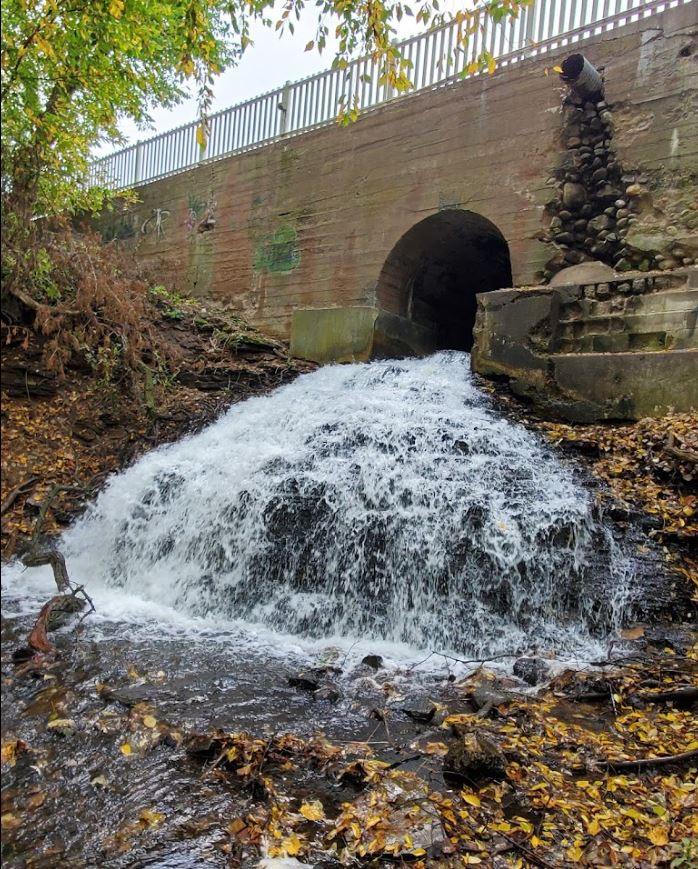
The Mill Stream powered Minnesota’s first commercial saw mill and gave rise to the community of Marine on St. Croix in 1839 –two full decades before Minnesota became a state. Now, nearly 200 years later, the people of Marine are beginning to dream about a new future for this tiny but beloved stream.
Read More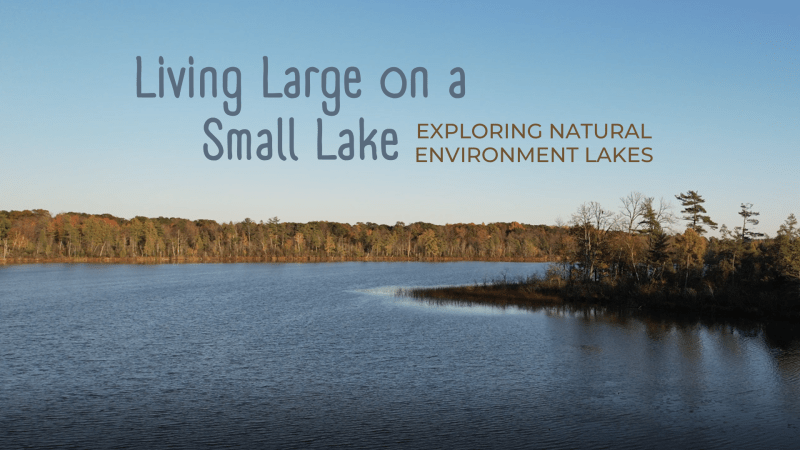
As much as we like to focus on the biggest and the best, however, roughly 70% of Minnesota’s lakes are actually considered natural environment lakes, a shoreland classification that is generally applied to shallow lakes with limited capacity to absorb the impacts of development and recreational use.
Read More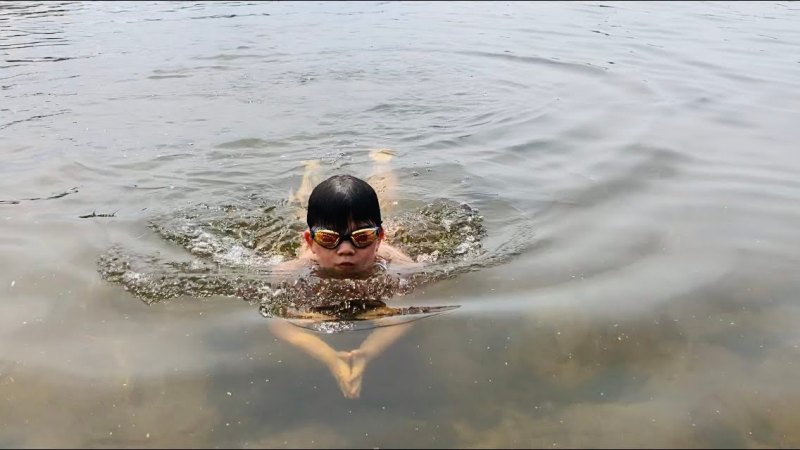
How can you determine if your favorite local lake is safe for fishing and swimming? Though water quality data is collected and updated regularly, finding the information online isn’t terribly intuitive.
Read More
This fall, the Comfort Lake-Forest Lake Watershed District (CLFLWD) will be conducting an alum treatment on Forest Lake to address phosphorus in the lake bottom sediments that contribute to algae growth. Alum (potassium aluminum sulfate) is a nontoxic compound that is also used for drinking water clarification.
Read More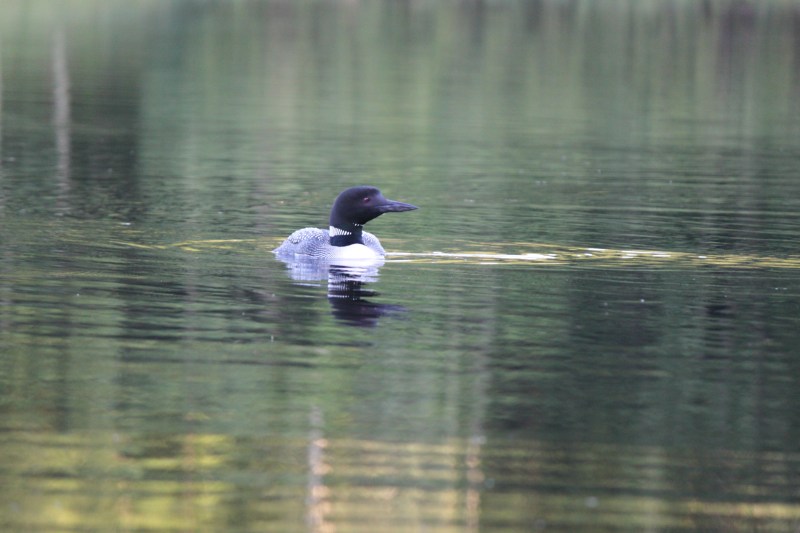
At the Forest Lake Lake Association (FLLA) meeting on Wednesday, May 17, 6:30-8pm, Rob Rabasco, coordinator of Minnesota’s Loon Restoration Project, will talk about efforts underway to protect loon habitat across the state, augment natural loon nesting with artificial nesting platforms in targeted locations, implement loon-friendly lake management plans, and increase survival rates for loon chicks. Robasco is one of three invited speakers for the event.
Read More
Currently, only 8% of the lakes in Minnesota have invasive species present and we need everyone’s help to keep it that way.
If you use waders or hip boots when fishing, be sure to clean off any visible aquatic plants, animals, and mud when you’re done and use a stiff brush to scrub the bottom of your boots where mud gets stuck in the treads. Using non-felt soled boots will further reduce the risk of spreading AIS.
It is also important to dispose of unwanted bait, worms, and fish parts in the trash instead of throwing them in the water or on the shore.
Read More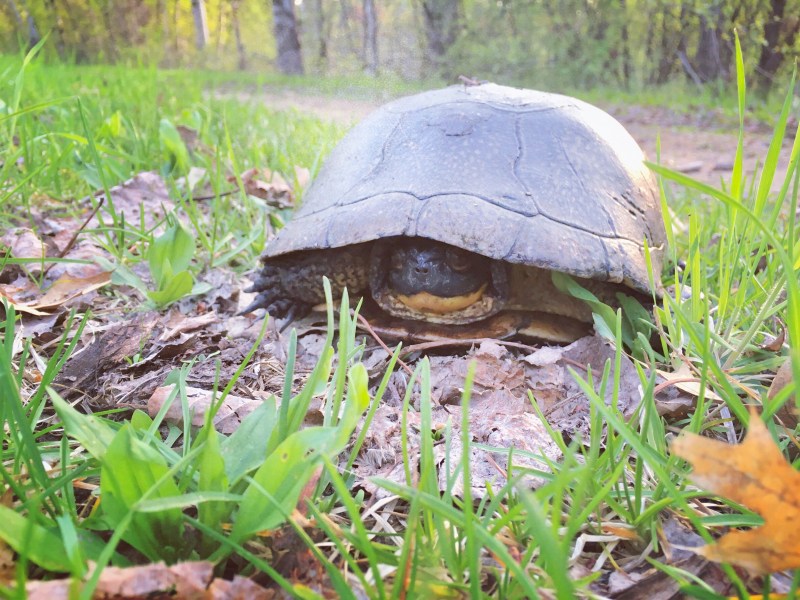
Minnesota is home to 2000 known native wildlife species, 346 of which are identified as Species in Greatest Conservation Need (SGCN).
Read More East Metro Water