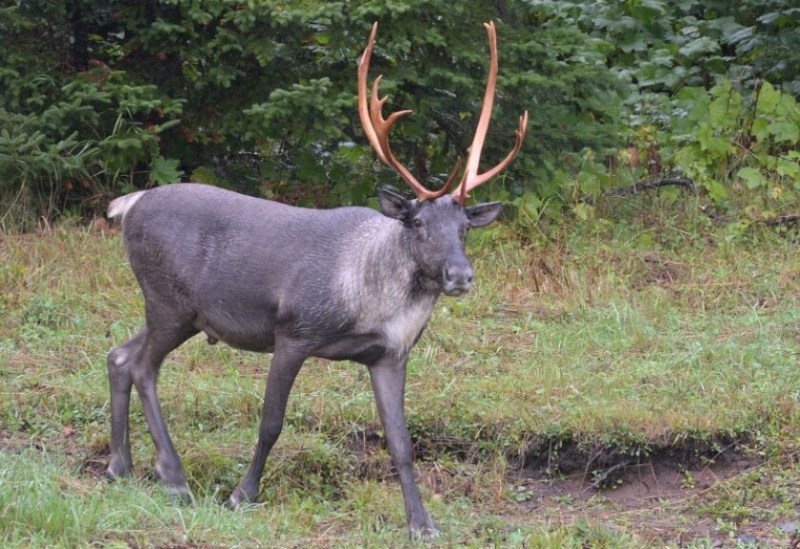
Do you caribou?

In the early 1800s, caribou were the most widespread species of the deer family in the northern forests of what is now Minnesota, Wisconsin, Michigan, and Canada. Since then, wildlife species in Minnesota have changes dramatically as a result of logging, loss of prairie and wetlands, invasive species, and climate changes.

Read More
Share your wildlife stories and photos

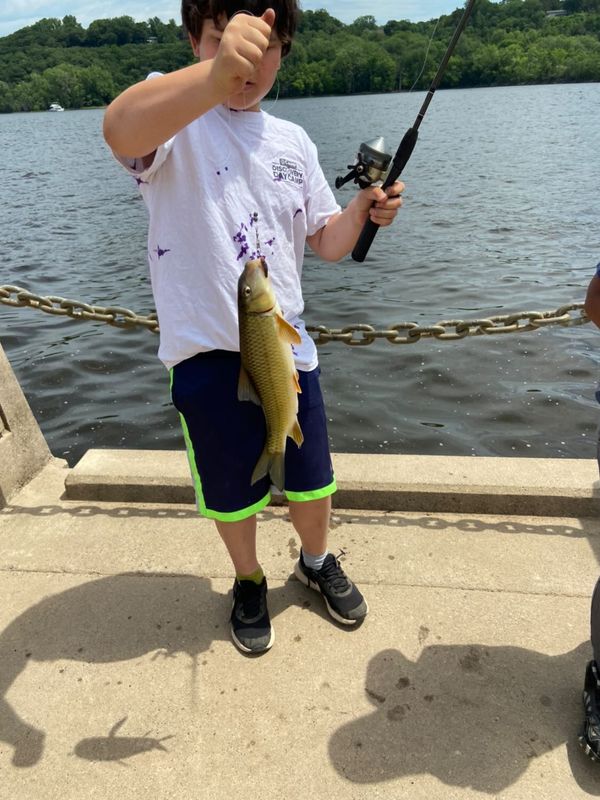
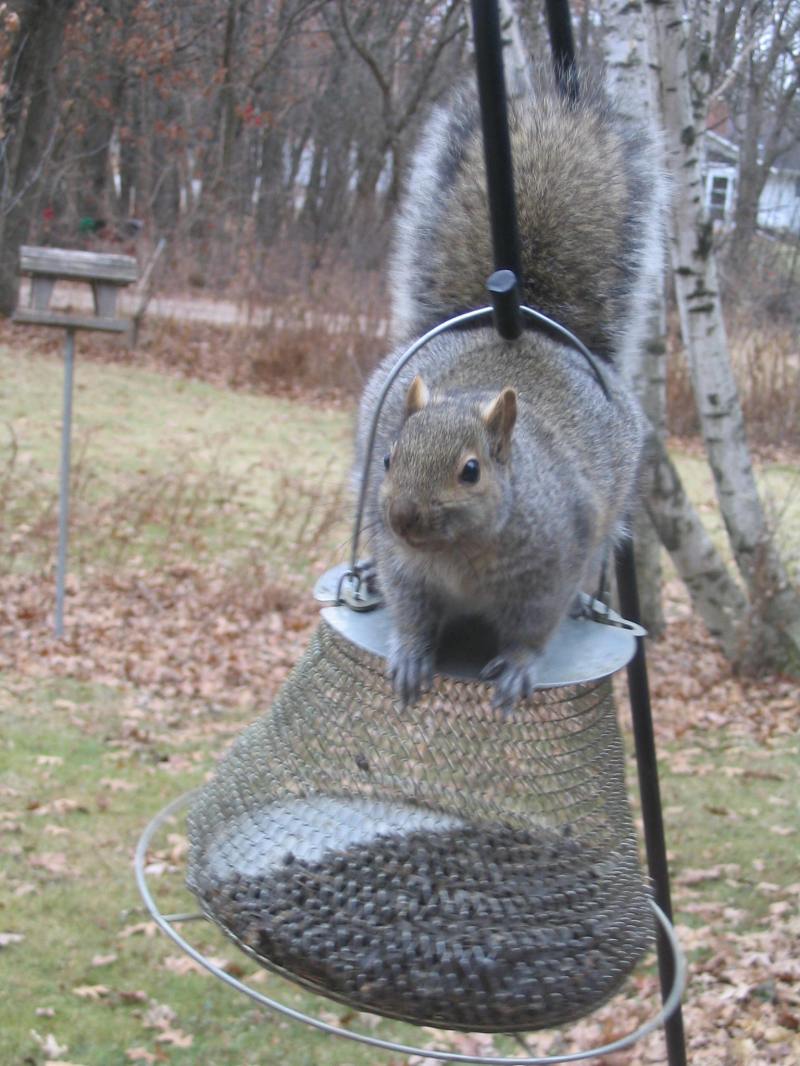
Are you seeing more wildlife in your backyard or neighborhood? Do you have a funny animal story to share? Got a great fish tale? Submit them online at tinyurl.com/wildlifestories to have them included in the WCD’s story map.

Read More

A final push for pollinators before the snow begins to fall

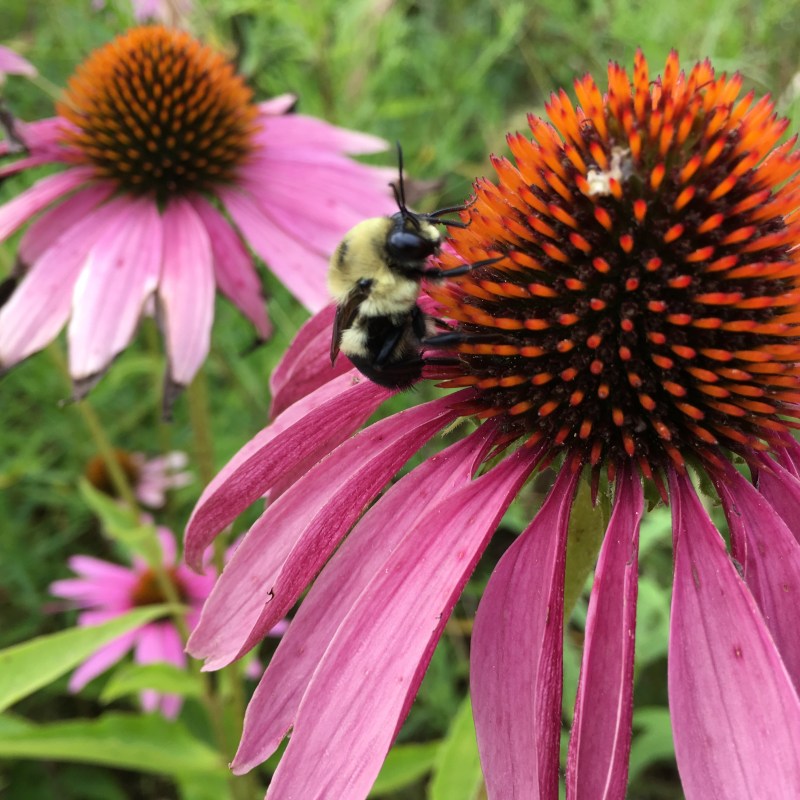
Minnesotans can apply for Lawns to Legumes cost-share funding between now and November 30
at http://www.Bluethumb.org. The grants are up to $400 and can be put toward pollinator planting projects such as pocket gardens, bee lawns, and flowering native trees.

Read More

Trout and bird lovers unite

This Saturday, September 16, 10am-1pm, Brown’s Creek Watershed District and Bird City Stillwater (a workgroup of Sustainable Stillwater MN) will co-host a free, fun, family-friendly nature event designed to celebrate all things fin, feathers, and fur.

Read More

Feeling Loony in Forest Lake

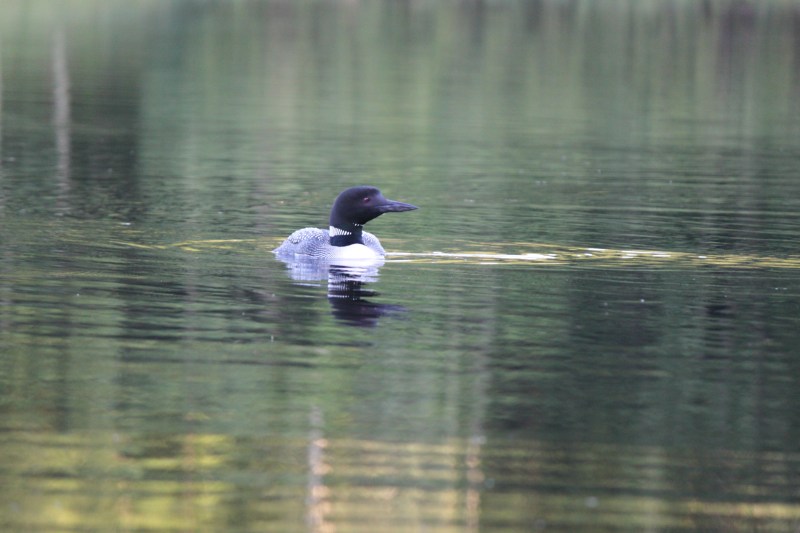
At the Forest Lake Lake Association (FLLA) meeting on Wednesday, May 17, 6:30-8pm, Rob Rabasco, coordinator of Minnesota’s Loon Restoration Project, will talk about efforts underway to protect loon habitat across the state, augment natural loon nesting with artificial nesting platforms in targeted locations, implement loon-friendly lake management plans, and increase survival rates for loon chicks. Robasco is one of three invited speakers for the event.

Read More

Be AIS smart this fishing season

Currently, only 8% of the lakes in Minnesota have invasive species present and we need everyone’s help to keep it that way.

If you use waders or hip boots when fishing, be sure to clean off any visible aquatic plants, animals, and mud when you’re done and use a stiff brush to scrub the bottom of your boots where mud gets stuck in the treads. Using non-felt soled boots will further reduce the risk of spreading AIS.

It is also important to dispose of unwanted bait, worms, and fish parts in the trash instead of throwing them in the water or on the shore.

Read More

Prairie rising

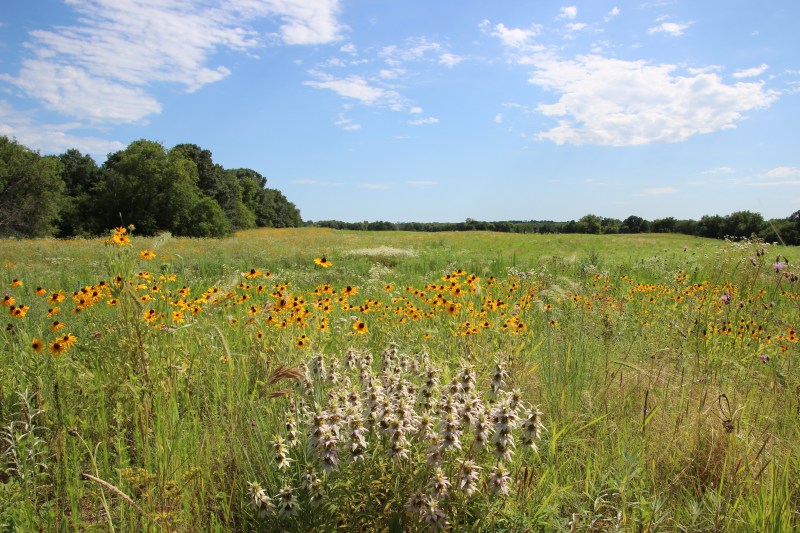
Cheer for bison returning to the prairie at Belwin Conservancy and Spring Lake Park, volunteer for one of three native planting projects in May, or enjoy an “Evening in the Prairie” to learn more about this special ecosystem.

Read More

Meet the rare plants and animals of Washington County

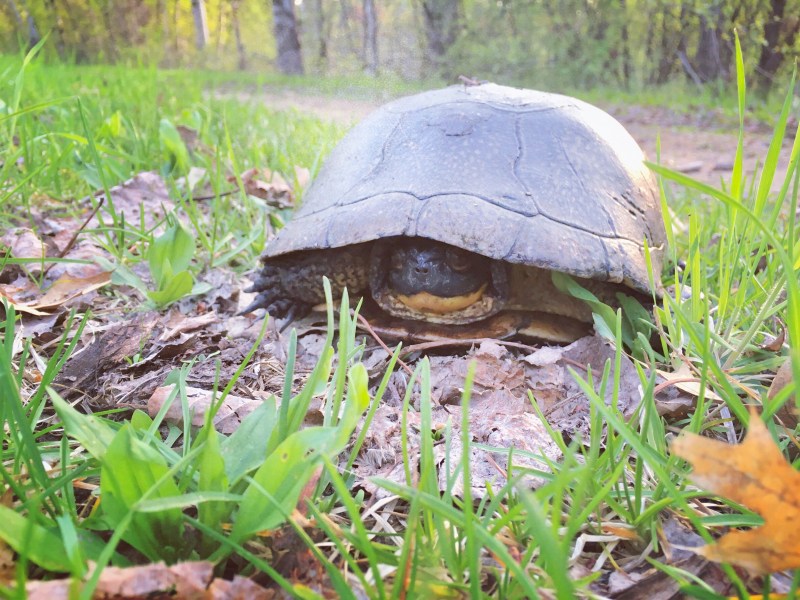
Minnesota is home to 2000 known native wildlife species, 346 of which are identified as Species in Greatest Conservation Need (SGCN).

Read More

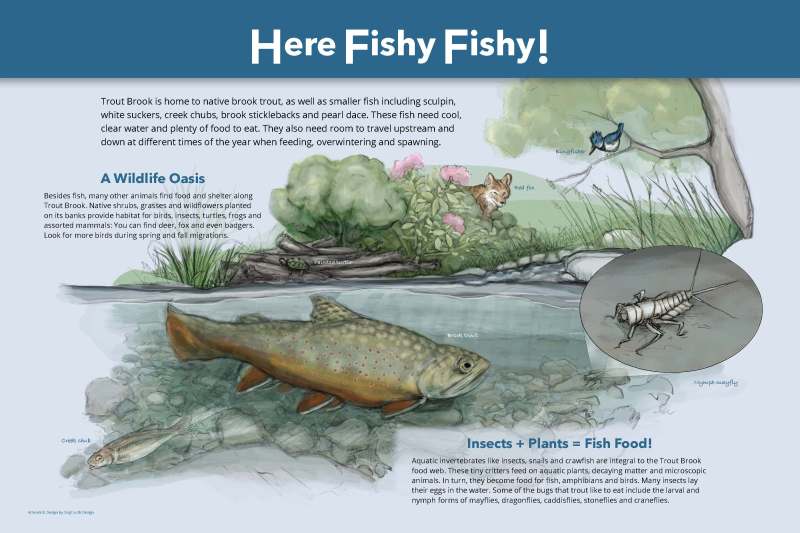
Trout return to Afton’s Trout Brook

The stream restoration project creates different types of habitat that fish need, including deep pools with slow-moving water, shallow riffles with fast, turbulent water running over rocks, and runs with deep, fast water and little to no turbulence.

Read More

An end to fish favoritism?

This spring, Minnesota lawmakers consider new legislation, known as the “No Junk Fish” bill, which would provide funding for the DNR to study native fish species that are currently classified as rough fish and propose updated regulations to better manage and protect their populations.

Read More