Though Minnesota might be known as the “Land of 10,000 lakes,” we could just as easily call ourselves the “Land of 1,000,000 wetlands.”
Read More
Tips and tales about keeping water clean
Though Minnesota might be known as the “Land of 10,000 lakes,” we could just as easily call ourselves the “Land of 1,000,000 wetlands.”
Read More
Currently, an estimated 41,100 birds are crossing Minnesota every night and this number will climb to 18 million by mid-May.
One important and easy action you can take to protect birds during their spring and fall migration is to turn out the lights.
Read More
The Water Where We Live is open for viewing Mondays through Fridays from 10am – 3pm or by appointment at A House Unbuilt’s Art & Water Space (321 Main Street S – second floor). There will also be a reception on Thursday, March 6 from 4-7pm that is free and open to the public. Stop by to meet the artists, have a drink at the “Water Bar,” and learn from environmental professionals at Brown’s Creek Watershed District and EOR.
Read More
Researchers at the Bell Museum study the ways animals adapt to environmental changes, the spread of zoonotic diseases, impacts of pollution, and declining species.
Read More
From dam removals to re-meander projects, many rivers and streams in Minnesota are regaining their wildness and seeing fish and other wildlife return.
Read More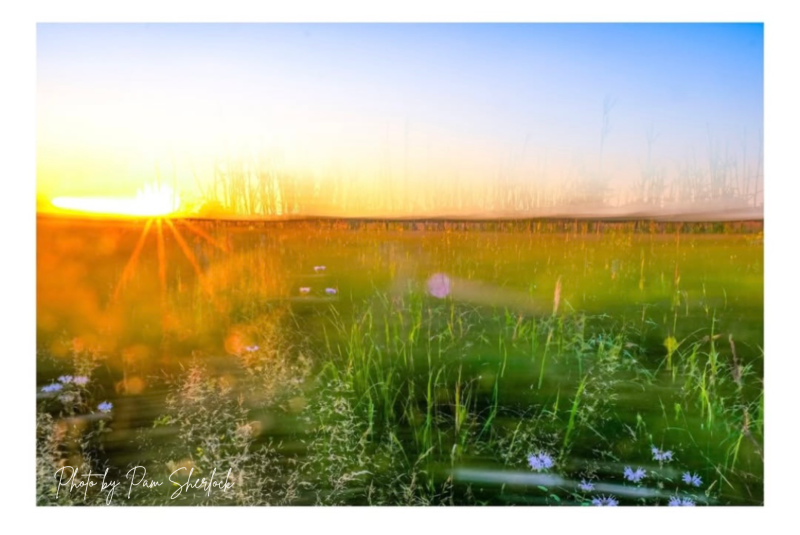
“Likely Stories,” the project that emerged, can best be described as a photographic journey through climate adaptations in the St. Croix Watershed. As part of this project, the artists seek to document the local impacts of climate change, such as black ash swamps, decimated by Emerald ash borer, tamarack “ghost forests,” algae blooms on the river and inland lakes, and future changes at the Allen S. King power plant. Equally important, they also hope to showcase examples of individuals, communities and organizations that are taking action to build climate resiliency.
Read More
Many wildlife species are becoming more abundant in our area, thanks to reforestation and conservation efforts.
Read More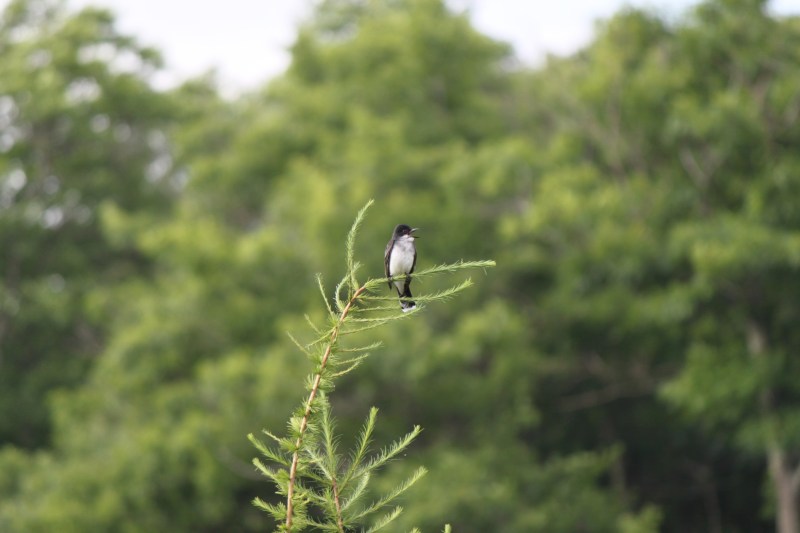
Learn how to create a bird-friendly landscape at your home.
Read More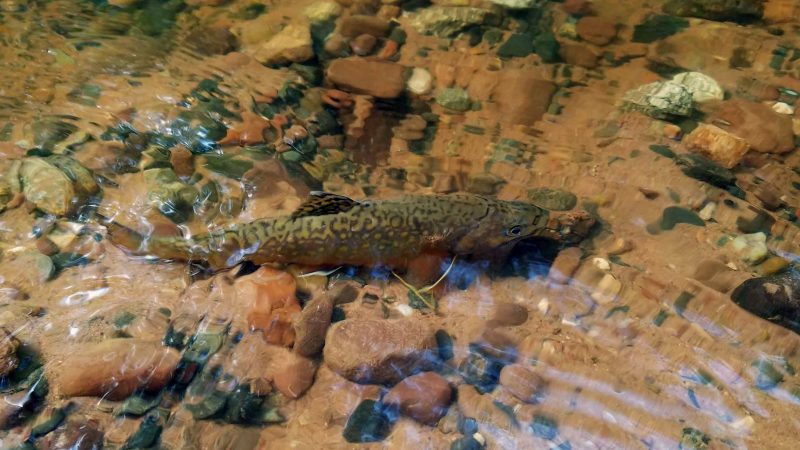
Next week, Trout Brook in Afton will welcome its very own community of heritage brookies, thanks to a multi-year effort to improve water quality and restore aquatic habitat.
Read More
In the coming year, Washington Conservation District (WCD) will receive $185,000 in funding through the Pollinator Pathways program and $246,000 through the Habitat Enhancement Landscape Program (HELP) to restore and improve wildlife and pollinator habitat in more than a dozen priority locations.
Read More East Metro Water