One fish, two fish, plant for more fish?

Seine netting is one technique that the Minnesota Department of Natural Resources (DNR) uses to collect fish when developing an “index of biological integrity” for a lake, known as an IBI score. The number and variety of fish caught helps the DNR to determine whether a lake fully supports aquatic life.

Read More

Submit a nomination for 2025 Natural Shoreline Awards

The Natural Shoreline Award Program recognizes beautiful lakeshore, riverfront and streamside properties that incorporate native flowers, shrubs, trees and plants. Award-winning properties can be located in Chisago, Isanti, Ramsey or Washington Counties.

2025 Program Timeline:
– July 1 – August 7: Call for nominations
– August 7 – 31: Program judges will tour and evaluate shorelines
– September 9: Award recipients are announced

Learn more and submit your nominations.

Read More

Good for the goose and gander

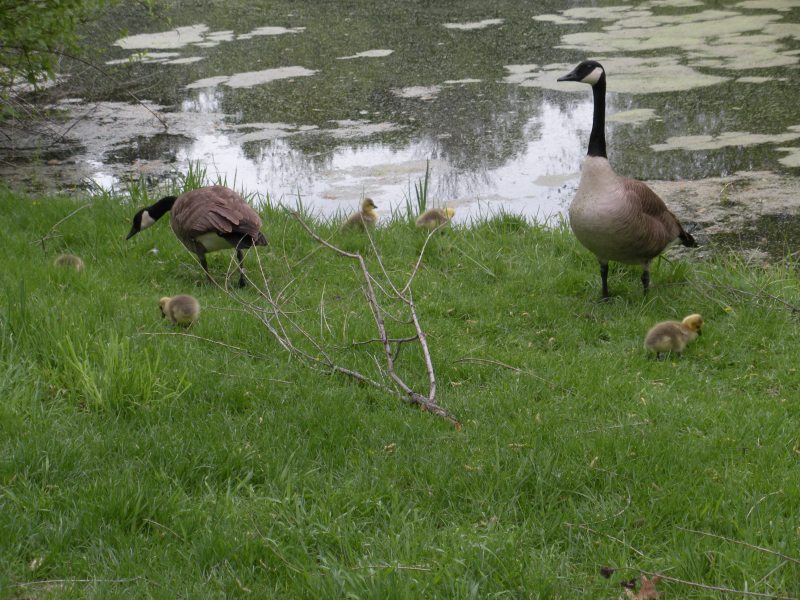
Given their current abundance, you might be surprised to learn that Canada geese were a rare novelty in the 1920s. In fact, state and federal agencies actually worked together to breed and re-introduce them to the wild during the 1950s.

Read More

Score your shore: A tool to measure the health of your lakeshore property

Maintaining and restoring lakeshore habitat isn’t just good for wildlife, it also helps to protect valuable real estate from literally washing away.

Read More

Froggy Figaro

Minnesota is home to 14 species of frogs and toads. During the spring, their chorus rings out as the males search for females and compete to present themselves as the most attractive option with whom to settle down and make a few thousand babies. Because each species has a distinctly different call, you can determine which types of frogs live in your area simply by listening to their symphony.

Read More

Tips for dry feet and healthy wetlands

Though Minnesota might be known as the “Land of 10,000 lakes,” we could just as easily call ourselves the “Land of 1,000,000 wetlands.”

Read More

Darks skies, birds fly

Currently, an estimated 41,100 birds are crossing Minnesota every night and this number will climb to 18 million by mid-May.

One important and easy action you can take to protect birds during their spring and fall migration is to turn out the lights.

Read More

Community art project explores flora and fauna of the Brown’s Creek Watershed

The Water Where We Live is open for viewing Mondays through Fridays from 10am – 3pm or by appointment at A House Unbuilt’s Art & Water Space (321 Main Street S  – second floor). There will also be a reception on Thursday, March 6 from 4-7pm that is free and open to the public. Stop by to meet the artists, have a drink at the “Water Bar,” and learn from environmental professionals at Brown’s Creek Watershed District and EOR.

Read More

Interpreting the past and future through feathers, fur and bones

Researchers at the Bell Museum study the ways animals adapt to environmental changes, the spread of zoonotic diseases, impacts of pollution, and declining species.

Read More

Rivers re-wilded, fish return

From dam removals to re-meander projects, many rivers and streams in Minnesota are regaining their wildness and seeing fish and other wildlife return.

Read More