Way down south along the Mississippi River, great blue herons are on the move. This week they crossed the border into Missouri. By the end of the month, we’ll welcome them back to Minnesota.
Read More
Tips and tales about keeping water clean
Way down south along the Mississippi River, great blue herons are on the move. This week they crossed the border into Missouri. By the end of the month, we’ll welcome them back to Minnesota.
Read More
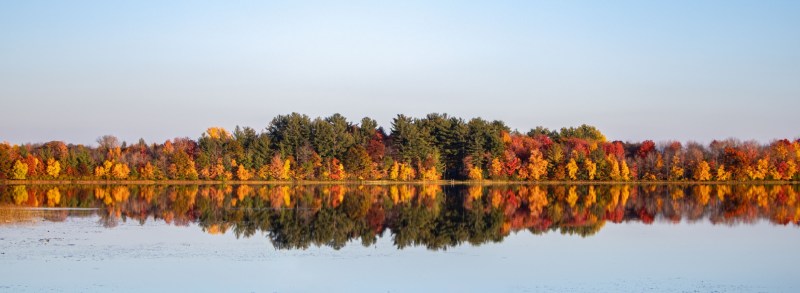
We are excited to announce the winners of our inaugural Natural Shoreline Awards, sponsored by the East Metro Water Resource Education Program and Lower St. Croix Watershed Partnership. These awards recognize Minnesotans who are protecting lake, stream, and wetland habitat in Chisago, Isanti, Ramsey and Washington Counties.
Read More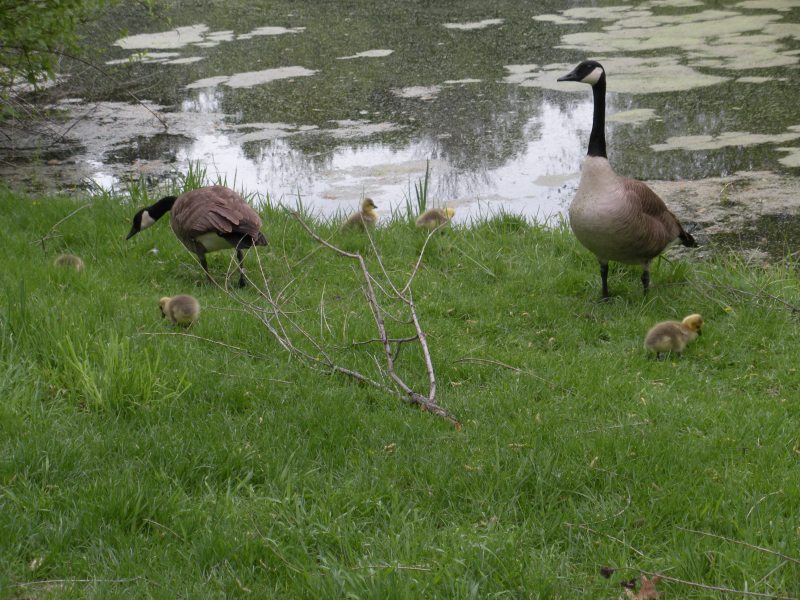
Given their current abundance, you might be surprised to learn that Canada geese were a rare novelty in the 1920s. In fact, state and federal agencies actually worked together to breed and re-introduce them to the wild during the 1950s.
Read More
Though Minnesota might be known as the “Land of 10,000 lakes,” we could just as easily call ourselves the “Land of 1,000,000 wetlands.”
Read More
Currently, an estimated 41,100 birds are crossing Minnesota every night and this number will climb to 18 million by mid-May.
One important and easy action you can take to protect birds during their spring and fall migration is to turn out the lights.
Read More
To plant a tree or a garden is an act of hope. We hope that the snow will melt and the sun will return. We hope that that neighborhood deer and rabbits will find enough food to eat, though not so much that our garden fails to grow. We hope that the earth will keep spinning, and the rain will fall, that there will be a warm home to live in, and hands to do the work. It’s a small act of courage in an uncertain world, though really, when you think about it, not so small at all.
Read More
Researchers at the Bell Museum study the ways animals adapt to environmental changes, the spread of zoonotic diseases, impacts of pollution, and declining species.
Read More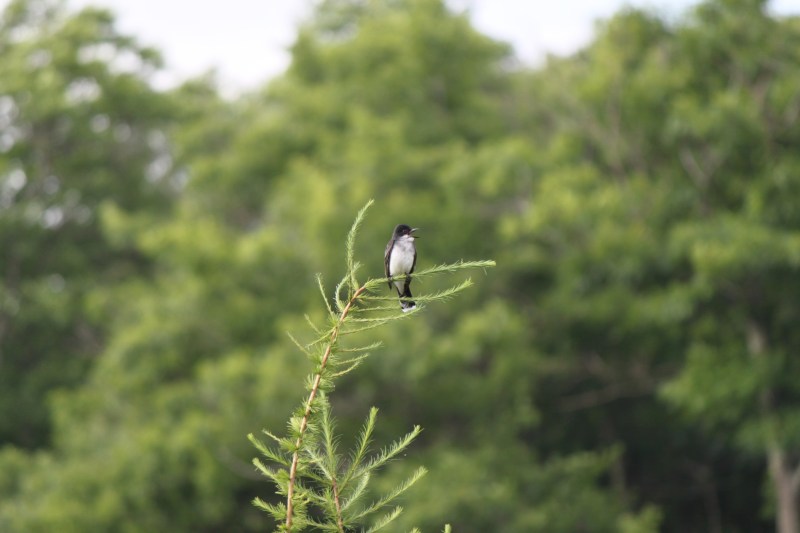
Learn how to create a bird-friendly landscape at your home.
Read More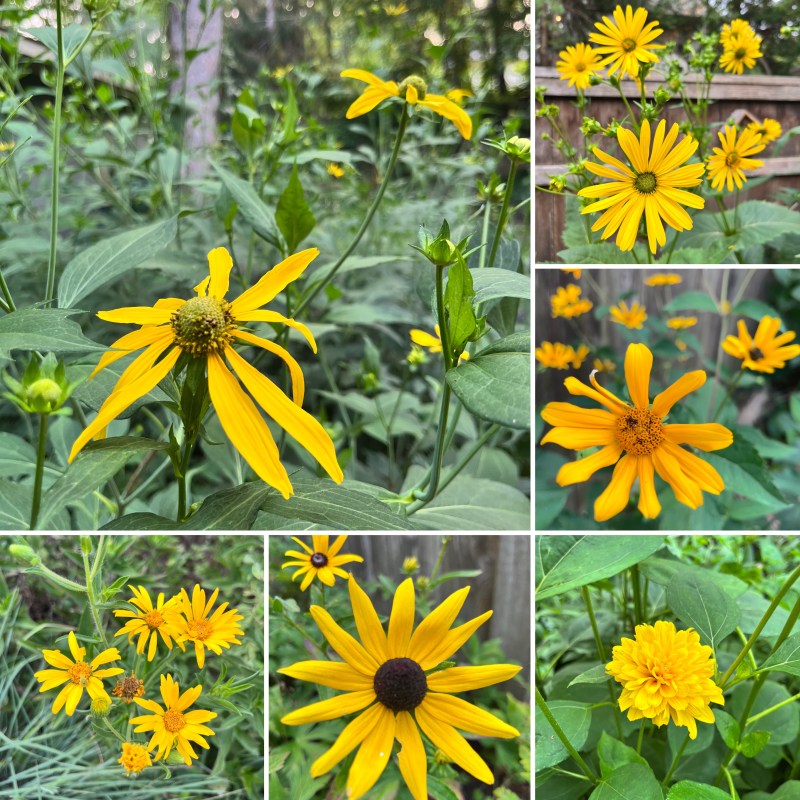
If you peruse the Minnesota Wildflowers online field guide, you will find an impressive 303 species of plants native to Minnesota that all have yellow flowers. Check out this weekend’s Master Gardener Garden Tour or an upcoming event to learn more about gardening with native plants.
Read More East Metro Water