One way that homeowners, businesses, HOAs, and community organizations can help to reduce water pollution from winter salt is by using chicken grit as a no-salt alternative.
Read More
Tips and tales about keeping water clean
One way that homeowners, businesses, HOAs, and community organizations can help to reduce water pollution from winter salt is by using chicken grit as a no-salt alternative.
Read More
Could cattails help to solve phosphorus and chloride pollution in some of our lakes and wetlands? A new pilot initiative led by the South Washington Watershed District (SWWD) aims to find out.
Read More
During the clinic, volunteers will run a screen test to measure nitrate and chloride (salt) and will also offer one-on-one consultations to discuss wellhead protection and groundwater concerns, including arsenic, bacteria, pesticides, and Perfluorinated Alkylated Substances (PFAS). PFAS testing will NOT be conducted at this clinic.
Read More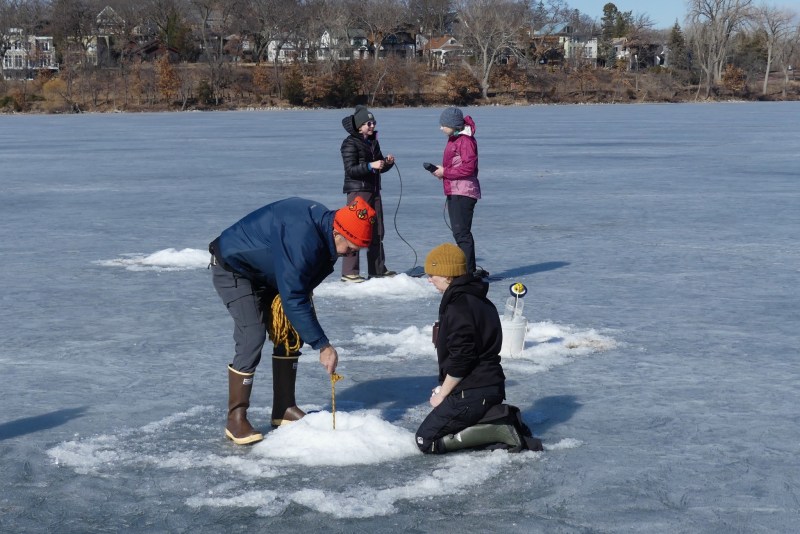
Chloride is toxic to freshwater organisms like fish, frogs, and aquatic invertebrates and also alters lakes’ internal chemistry, causing a cascade of unexpected impacts.
Read More
From heated sidewalks to GPS-based snow plow systems, local cities are taking big steps to reduce chloride pollution.
Read More
On Tuesday, May 21, local partners in the East Metro will offer a free well water screening clinic from 1-6pm at the Hardwood Creek Library in Forest Lake. Read on for more info about water testing programs statewide.
Read More
Communities across the Twin Cities are currently waging a battle against time, as they work to curb the flow of salt into lakes, rivers, streams and groundwater before it’s too late.
Read More
Most often, you experience hygge with a small group of friends or family, possibly in front of a fireplace with warm wooly socks and a steaming drink in hand, but definitely not behind the wheel of a car, careening through rush hour traffic in the middle of an ice storm.
Read More
Once concentrations are high enough, the chloride becomes toxic to fish and invertebrates and can even prevent lakes from turning over the in spring and fall.
Read More
Many homeowners and most businesses use way more salt than necessary. In reality, a relatively light dusting with about 3-inches of space between each granule of salt is enough to melt ice effectively without wasting salt.
Read More East Metro Water